


Call Us Now
Phone:
+86-137-2797-2500 
Views: 0 Author: Site Editor Publish Time: 2025-12-01 Origin: Site
Are your lunch containers safe for daily use? Many Bento Lunch Boxes contain BPA, a harmful chemical. Choosing BPA-Free Bento Lunch Boxes protects your health and peace of mind. In this post, you’ll learn about Bento Lunch Box manufacturers, plus stainless steel and electric Bento Lunch Boxes. Discover how to pick the safest, most durable lunch box for your meals.
BPA, or bisphenol A, is a chemical used to make certain plastics and resins. You’ll find it in items like water bottles, food containers, and even the lining of some canned foods. It helps plastics stay tough and clear, but it can leach into food or drinks, especially when heated or damaged.
Research shows BPA can interfere with your hormones, acting like estrogen in the body. This may lead to health issues such as:
Hormonal imbalances
Reproductive problems
Increased risk of certain cancers
Developmental issues in children
Because BPA mimics hormones, even small amounts might cause effects over time. This makes avoiding BPA in food containers important for long-term health.
Bento boxes are used daily for meals, often involving reheating or storing acidic or hot foods. If BPA is present, it can seep into your food, increasing exposure risk. Choosing BPA-free bento boxes ensures:
Safer food storage
Reduced chemical exposure
Peace of mind during meal prep and reheating
Materials like stainless steel, glass, or BPA-free plastics are better choices. They don't contain BPA and won’t leach harmful chemicals.
BPA-free means completely safe: Not always. Some BPA alternatives like BPS or BPF may also have hormone-like effects.
All plastics labeled BPA-free are microwave safe: Some BPA-free plastics still release chemicals under heat. Check manufacturer guidelines.
BPA-free containers never degrade: Over time, wear and heat can still cause plastic to break down, potentially releasing chemicals.
It's best to use BPA-free containers according to instructions and replace them when damaged.
Note: Always check for third-party safety certifications when selecting BPA-free containers to ensure they meet health standards.
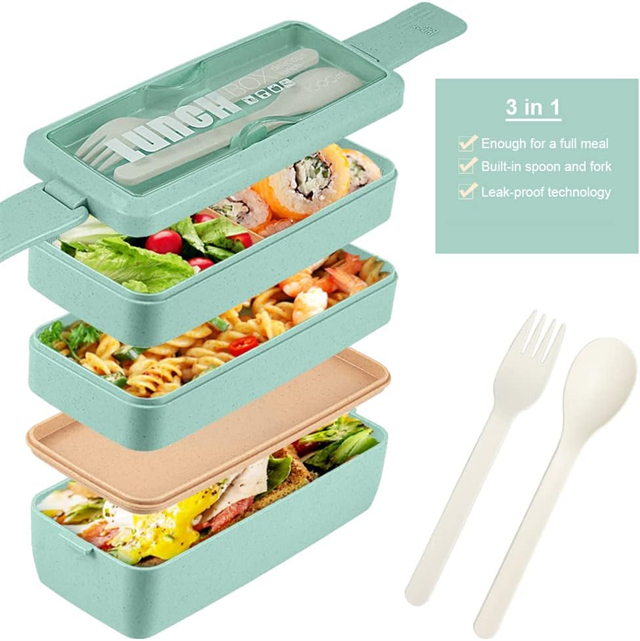
Choosing the right material for your bento lunch box is crucial. It affects safety, durability, convenience, and even the taste of your food. Here’s a quick look at the common materials used:
Plastic: Lightweight and affordable. BPA-free plastics like polypropylene (PP) are popular. They often come microwave and dishwasher safe, but some plastics may degrade over time or release chemicals when heated.
Glass: Non-reactive and doesn’t absorb odors or stains. Glass bento boxes are microwave and dishwasher safe but can be heavy and fragile.
Bamboo: Eco-friendly and biodegradable. Bamboo boxes offer natural antibacterial properties. They look great but need gentle care to avoid cracking or warping.
Wood: Traditional and elegant, wood adds a subtle aroma that can enhance food flavor. Requires regular oiling and hand washing to maintain.
Stainless Steel: Extremely durable and resistant to dents, corrosion, and stains. Stainless steel doesn’t leach chemicals and is easy to clean, though it’s not microwave safe.
Stainless steel stands out for many reasons:
Durability: It withstands daily wear, drops, and scratches without damage.
Safety: Non-toxic and free from harmful chemicals like BPA.
Maintenance: Easy to clean, dishwasher safe, and resists stains and odors.
Temperature control: Keeps hot foods warm and cold foods cool longer.
Eco-friendly: Reusable and recyclable, reducing plastic waste.
This makes stainless steel a great choice for those who want a long-lasting, safe, and sustainable lunch box.
BPA-free plastics have grown popular due to concerns about chemical exposure. Here’s what to consider:
Benefits:
Lightweight and easy to carry.
Often microwave and dishwasher safe.
Affordable and widely available.
Available in many colors and designs.
Drawbacks:
Some BPA substitutes like BPS may still pose health risks.
Plastic can degrade over time, especially when exposed to heat or scratches.
May absorb odors or stains from certain foods.
Not as durable as stainless steel or glass.
When using BPA-free plastics, check manufacturer guidelines and replace containers once they show signs of wear.
For those prioritizing sustainability, bamboo and glass are excellent picks:
Bamboo: Renewable and biodegradable. Its natural antibacterial traits help keep food safe. Bamboo boxes add a stylish, natural look but need careful cleaning and occasional oiling.
Glass: Fully recyclable and non-toxic. Glass doesn’t affect food flavor and is easy to sanitize. The main downside is its fragility, so handle with care.
Both materials reduce reliance on plastic, helping cut down environmental waste while keeping your meals safe and fresh.
Tip: When selecting a bento lunch box, consider your lifestyle—stainless steel suits durability needs, bamboo offers eco-friendly style, and BPA-free plastics provide lightweight convenience.
When picking a bento lunch box, some features make all the difference for safe, convenient meal prep. Let’s explore what to look for to ensure your meals stay fresh, tasty, and mess-free.
One of the biggest perks of bento boxes is their compartments. They keep different foods separate, preventing flavors from mixing or sogginess. Multiple compartments also help with portion control, making it easier to balance proteins, veggies, and carbs. Some boxes have adjustable dividers, so you can customize space depending on your meal. For example, you might want a larger section for a sandwich and smaller ones for sides or snacks.
This design supports healthier eating habits by encouraging balanced meals and reducing overeating. Plus, it makes meal prep more organized — no more digging through a single container to find your food.
A good lid is essential. Look for airtight seals or silicone gaskets that lock in freshness and prevent spills. Leak-proof lids are especially important if you pack soups, sauces, or dressings. Snap-lock lids often provide a secure closure, while screw-top lids might be better for dry foods but less reliable for liquids.
Some bento boxes come with additional locking clips or straps for extra security. This ensures your lunch stays put during transport, whether in a backpack or briefcase.
Convenience matters. Check if the bento box is microwave-safe so you can reheat meals without transferring food to another dish. However, stainless steel boxes generally aren’t microwave-safe, so consider your reheating needs.
Dishwasher-safe containers save time on cleanup. BPA-free plastics and glass options often handle dishwasher cycles well, but always verify the manufacturer’s instructions to avoid warping or damage.
Choose a size that fits your appetite and meal plan. Bento boxes range from compact snack sizes to larger multi-tiered designs for full meals. If you prep multiple meals, stackable boxes save fridge space and keep your kitchen organized.
Portability is key for on-the-go lifestyles. Lightweight materials and compact shapes fit easily into bags. Some boxes include handles or come with carrying cases for extra convenience.
Tip: When selecting your bento box, prioritize leak-proof lids and compartment flexibility—they’re vital for keeping meals fresh, organized, and spill-free during your busy day.

Electric bento lunch boxes are portable containers equipped with built-in heating elements. They allow you to warm your meals anytime, anywhere, without needing a microwave or stove. These boxes often come with rechargeable batteries or plug-in cords, making them perfect for busy people who want hot, fresh food on the go.
Electric heating offers several advantages:
Convenience: Heat meals directly in the box without extra appliances.
Temperature Control: Many models let you set or maintain specific temperatures, keeping food warm for hours.
Energy Efficient: Uses less power than microwaves or ovens.
Even Heating: Prevents cold spots in your food, ensuring a consistent meal experience.
This technology helps avoid soggy or cold meals, making lunchtime more enjoyable during work or travel.
Since electric bento boxes involve heat and electronics, safety is key:
BPA-Free Materials: The food compartments are made from BPA-free plastics or stainless steel to prevent harmful chemical leaching when heated.
Overheat Protection: Most models include sensors to prevent overheating.
Leak-Proof Seals: Secure lids prevent spills during transport.
Durable Construction: Designed to withstand daily use and resist damage from heat cycles.
Choosing electric bento boxes from reputable manufacturers ensures compliance with food safety and electrical standards.
Electric bento lunch boxes suit people who:
Work in offices without microwave access.
Travel frequently and need hot meals on the road.
Prefer homemade meals over fast food.
Have limited time for meal prep but want warm, balanced lunches.
Enjoy outdoor activities like camping where heating options are limited.
They are also great for students, caregivers, or anyone who values meal freshness and temperature control throughout the day.
Selecting the right manufacturer for your BPA-free bento lunch box is just as important as choosing the box itself. A trustworthy manufacturer ensures product safety, quality, and reliability. Here’s what to consider when evaluating manufacturers.
Start by checking if the manufacturer holds certifications from recognized authorities. Certifications like FDA approval, LFGB (German Food and Feed Code), or SGS testing reports confirm the product meets strict safety standards. These certifications mean the bento boxes have been tested for harmful substances, including BPA and other chemicals.
Look for manufacturers who comply with international safety standards such as ISO 9001 for quality management or ISO 14001 for environmental management. This shows their commitment to producing safe, eco-friendly products consistently.
Quality begins with materials. Reliable manufacturers source BPA-free plastics, stainless steel, or eco-friendly bamboo from trusted suppliers. They ensure raw materials meet safety and durability requirements.
Check if the manufacturer provides detailed information about the materials used and their sourcing methods. Transparent companies often highlight eco-friendly practices or sustainable sourcing, which benefits both your health and the environment.
Quality control during production is crucial. The best manufacturers have strict inspection processes to catch defects early, ensuring each bento box is safe and long-lasting.
Customer feedback reveals real-world experiences. Look for reviews on trusted platforms or e-commerce sites to gauge product satisfaction, durability, and manufacturer responsiveness.
A strong brand reputation often correlates with reliability. Established brands tend to invest more in product safety, customer service, and innovation. Be wary of unknown manufacturers lacking reviews or with many complaints about quality or safety.
A good warranty reflects confidence in the product. Manufacturers offering warranties on their bento boxes show they stand behind their quality. Check the warranty length and what it covers.
Customer support is vital if you face issues or have questions. Responsive support teams improve your buying experience and help resolve problems quickly.
Price matters, but don’t sacrifice safety for a lower cost. High-quality, BPA-free bento boxes may cost more but provide better health protection and durability, saving money in the long run.
Tip: Always prioritize manufacturers with transparent certifications, positive customer feedback, and solid warranties to ensure you get safe, high-quality BPA-free bento lunch boxes.
Maintaining your BPA-free bento lunch box properly keeps it safe, fresh, and long-lasting. Here are some simple tips to help you get the most out of your lunch box every day.
Clean your bento box after every use. Wash it with warm, soapy water using a soft sponge to avoid scratches. Scratches can harbor bacteria and cause plastic to degrade faster. For tough stains or odors, soak the box in a mixture of baking soda and water for 15-30 minutes before rinsing.
If your bento box is dishwasher-safe, feel free to use the dishwasher occasionally, but hand washing is gentler and can extend its life. Always dry your box thoroughly before storing to prevent mold or mildew growth.
Avoid using harsh chemicals or abrasive scrubbers, which can damage the BPA-free coating or seals. Regularly check for cracks, warping, or worn-out seals, especially on lids, since damaged parts can reduce leak-proof performance and safety.
Use your bento box compartments wisely to organize meals. Separate proteins, veggies, and carbs to prevent mixing flavors or sogginess. This also helps with portion control and balanced nutrition.
Label your containers with meal names or dates if prepping multiple meals ahead. Stackable boxes save fridge space and make grabbing meals easier. Consider color-coding lids or containers for different days or meal types to streamline your routine.
Packing meals in advance saves time and reduces stress during busy days. Using bento boxes encourages variety and healthier choices by making it easy to include multiple food groups.
To help your bento box last longer, avoid exposing it to extreme temperatures. Don’t microwave plastic boxes unless explicitly labeled microwave-safe, as heat can break down materials. Stainless steel boxes are durable but not microwave-safe.
Store your boxes with lids off to prevent moisture buildup and odors. Avoid stacking heavy items on top to prevent warping or cracking. Replace lids or seals as soon as you notice wear to maintain airtightness.
Treat your bento box gently, especially if it has glass or bamboo parts. Regular maintenance and careful use ensure your containers stay safe and functional for years.
Don’t assume BPA-free means completely risk-free. Some BPA substitutes may still pose health risks, so follow manufacturer guidelines carefully.
Avoid heating food directly in plastic containers unless labeled safe. Transfer hot foods to stainless steel or glass containers when possible.
Never use damaged containers; cracks or deep scratches can harbor bacteria and lead to chemical leaching. Replace containers showing signs of wear.
Don’t store highly acidic or oily foods long-term in plastic containers, as these can degrade the material faster.
Choosing BPA-free stainless steel bento lunch boxes offers big wins for both your health and the planet. These containers provide a safe, durable, and eco-friendly way to enjoy your meals every day.
Plastic waste is a huge environmental problem. Disposable and single-use plastics fill landfills and pollute oceans. Using stainless steel bento boxes helps cut down on this waste. Since they last for years, you won’t need to toss them out like flimsy plastic containers. This reduces the demand for new plastic production, which saves energy and lowers carbon emissions.
Plus, stainless steel is fully recyclable. When your box reaches the end of its life, it can be melted down and reused without losing quality. This circular use of materials supports a more sustainable economy and helps keep plastic pollution at bay.
Many makers of stainless steel bento boxes prioritize eco-friendly production. They source high-quality, food-grade steel that meets safety standards without harmful chemicals. Some manufacturers use renewable energy or recycle scrap metal during production, reducing their environmental footprint.
Choosing brands committed to sustainability encourages more companies to adopt green practices. This shift benefits workers, communities, and ecosystems by minimizing pollution and conserving resources.
Stainless steel doesn’t just protect your health by being BPA-free—it also keeps your food tasting fresh. Unlike some plastics, it won’t absorb odors or stains from strong-smelling foods like garlic or curry. It’s non-reactive, so it won’t alter the flavor or color of your meals.
Because it’s free from harmful chemicals, you avoid the risk of toxins leaching into your food during storage or reheating. This is especially important when packing hot or acidic dishes. Stainless steel’s durability means it resists dents and scratches that can harbor bacteria, making cleaning easier and more effective.
Using a BPA-free stainless steel bento box often sparks other green habits. People tend to care more about reducing waste, recycling properly, and choosing sustainable products overall. It’s a small lifestyle change that can ripple outwards, inspiring family, friends, and coworkers.
By investing in a reusable, safe lunch box, you contribute to a culture of environmental responsibility. This mindful approach supports healthier communities and a cleaner planet for future generations.
Tip: When selecting stainless steel bento boxes, opt for those made from high-grade, food-safe steel with certifications to ensure both health safety and environmental responsibility.
Choosing BPA-free bento lunch boxes ensures safer, healthier meal storage and prep. Stainless steel and electric options offer durability, convenience, and eco-friendliness. Prioritize leak-proof lids, compartment design, and certified materials when selecting your box. Emphasize products that support sustainability and long-term use. Binsly provides high-quality BPA-free bento lunch boxes designed for health, convenience, and environmental care, making them a smart choice for everyday meals.
A: A BPA-Free Bento Lunch Box is made without bisphenol A, a harmful chemical found in some plastics. Choosing BPA-Free Bento Lunch Boxes reduces chemical exposure and ensures safer meal storage.
A: Stainless Steel Bento Lunch Boxes are more durable, non-toxic, and eco-friendly, while BPA-Free plastics are lightweight and microwave safe but may degrade over time.
A: Look for BPA-Free materials, overheat protection, leak-proof lids, and temperature control for safe and convenient meal heating on the go.
A: Choose manufacturers with certifications like FDA or SGS, positive reviews, transparent material sourcing, and good warranties to ensure quality and safety.
A: They provide organized compartments, leak-proof lids, safe reheating options, and promote healthier eating while avoiding harmful chemicals.
