




Call Us Now
Phone:
+86-137-2797-2500 
Views: 0 Author: Site Editor Publish Time: 2026-07-13 Origin: Site
Transitioning from plastic to metal food storage often begins with high expectations. We want rugged durability for daily commutes. However, we frequently end up with messy lunch bags. Many metal boxes fail spectacularly at retaining liquids. Soups and dressings easily escape during transit. The engineering reality behind this problem is simple. Rigid metal cannot create an airtight seal on its own. Effectiveness relies entirely on lid engineering and gasket materials. Without physical compression, metal surfaces simply slide against each other.
This guide establishes the gold standard for evaluating truly leak-proof food storage. We will help you select and maintain the right options. You will learn to bypass exaggerated marketing claims. We explore exactly how to inspect mechanical latches and silicone seals. You will also discover the metallurgical facts behind food-grade materials. By the end, you will know how to keep your food secure and your bags completely clean.
Understanding metal food storage requires a look at basic metallurgy. The market offers dozens of metal blends. Most high-quality stainless steel containers utilize Grade 304 alloy. Industry professionals also call this 18/8 stainless steel. This specific designation refers to its composition. It contains 18% chromium and 8% nickel.
Chromium creates a microscopic oxide layer on the surface. This invisible shield prevents rust. Nickel adds structural strength and enhances corrosion resistance. You can safely store highly acidic foods like tomato sauce or citrus salads. The 18/8 alloy fundamentally resists flavor transfer. It will not leach metallic tastes into your meals. Lower grades often degrade when exposed to acids.
Even the highest-grade metal cannot seal itself. This brings us to the crucial role of the silicone gasket. A gasket forms the critical bridge between the rigid lid and the base. You must avoid products utilizing non-removable seals. Moisture easily traps itself behind permanently glued gaskets. This trapped moisture breeds dangerous black mold. Thick, removable silicone rings represent the industry standard. They compress evenly and allow for thorough sanitation. Medical-grade silicone resists degradation better than cheap rubber alternatives.
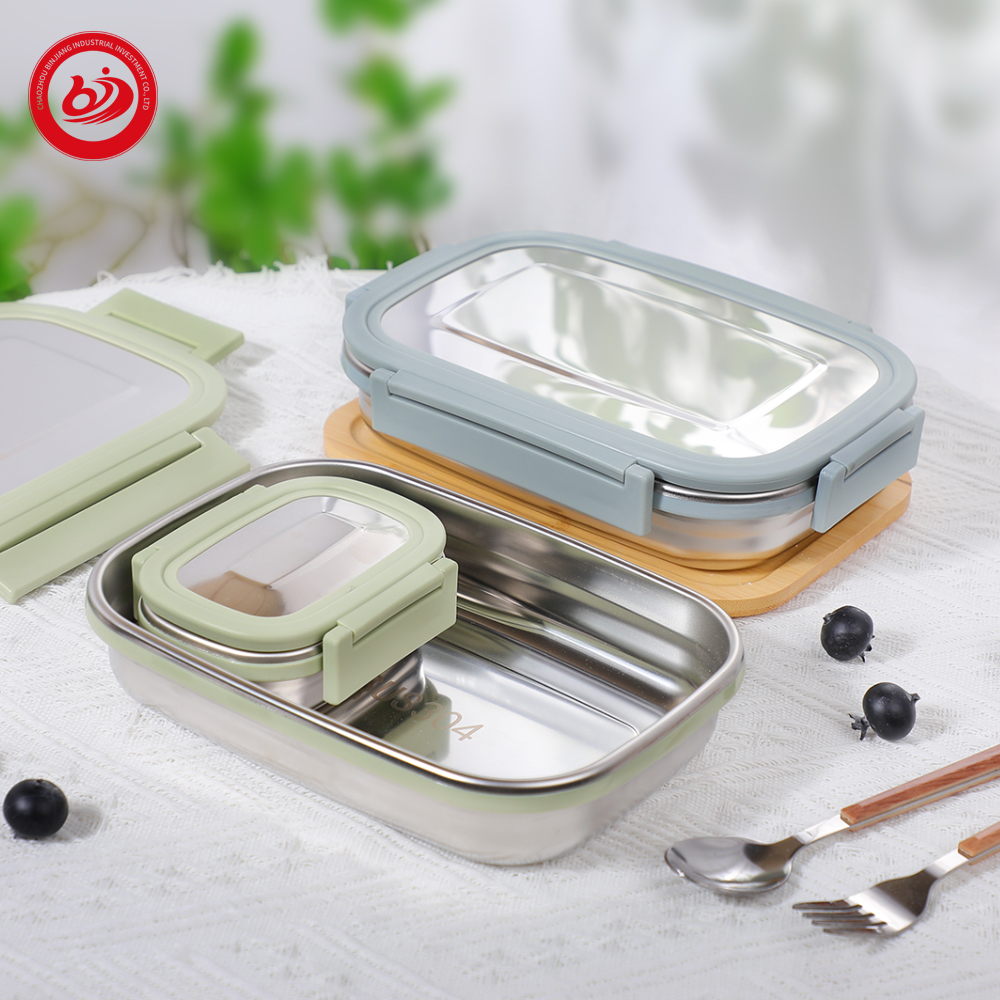
Finally, we must examine mechanical locking systems. Friction-fit lids push into place without latches. They rely entirely on surface tension. Friction-fit designs fail under pressure changes. If you pack warm food, cooling air creates a vacuum. Conversely, warming food pushes the lid outward. A friction lid often pops off unexpectedly. Latch-and-clip systems solve this physics problem. The clips fold down and physically pull the lid downward. This action compresses the silicone against the steel rim. Multi-point latches guarantee continuous airtight performance regardless of internal temperature shifts.
Choosing the right material dictates your daily user experience. We must contrast weight and portability first. Glass presents a significant scalability problem for daily use. Packing multiple glass bowls into a commuter bag adds enormous weight. Glass also remains inherently fragile. A single drop onto concrete ruins your lunch. Metal offers a lightweight, shatterproof alternative. You can confidently stack multiple metal units in a backpack. They survive daily impacts without cracking or chipping.
Toxicity and compliance remain central to this decision. Consumers constantly debate the safety of modern plastics. Even BPA-free plastics degrade over time. Scratching the surface releases microplastics into hot food. Dishwasher heat accelerates this chemical breakdown. Metal bypasses this debate entirely. It serves as the ultimate zero-leaching material. It offers total security for long-term health. You never have to worry about chemical migration.
However, we must address thermal conductivity realities transparently. Single-wall metal possesses zero insulation properties. This creates specific usage caveats. If you pour boiling soup inside, the exterior immediately burns your hands. If you pack ice-cold fruit, the exterior sweats heavily in humid environments. Furthermore, traditional metal cannot go into a microwave. You must transfer your food to a ceramic plate before heating.
Below is a standardized chart comparing these primary materials.
| Material Type | Weight & Portability | Toxicity Risk | Thermal Insulation | Microwave Safe |
|---|---|---|---|---|
| 18/8 Stainless Steel | Ultra-light, shatterproof | Zero-leaching | Poor (unless double-walled) | No |
| Borosilicate Glass | Heavy, fragile | Zero-leaching | Moderate | Yes |
| BPA-Free Plastic | Lightweight, durable | High risk of microplastics | Poor | Yes (but degrades) |
You need a systematic approach to evaluate new purchases. Visual lid inspection provides immediate clues about manufacturing quality. Look closely at the hinge mechanisms. A two-hinge locking system only applies pressure to opposite sides. This leaves the adjacent sides vulnerable to micro-leaks. A four-hinge locking system delivers superior performance. Four latches distribute multi-point pressure evenly across the entire silicone ring. You should feel substantial resistance when snapping the clips closed.
Manufacturer claims require independent verification. You should perform a baseline test for airtightness at home. Do this before trusting a new unit with messy liquids. Fill the base halfway with water. Add a few drops of food coloring for visibility. Snap all hinges securely into place. Turn the unit upside down over your kitchen sink. Shake it vigorously for thirty seconds. Check the rim carefully for any escaping moisture. If water escapes, dressings will certainly leak in your bag. Return any unit failing this basic shake test.
Replacement part availability serves as a crucial trustworthiness indicator. Reputable brands acknowledge basic material science. High-grade metal easily outlasts flexible silicone. The gasket will eventually stretch, discolor, or tear. High-quality manufacturers proudly sell replacement silicone seals directly to consumers. If a company refuses to sell replacement parts, they operate on planned obsolescence. They want you to throw away perfectly good steel just because a small rubber ring failed. Always prioritize brands offering individual replacement components.
Consider these common mistakes during evaluation:
Owning premium metal storage requires specific maintenance routines. The "dishwasher safe" label often misleads consumers. We must clarify this caveat immediately. The steel base itself remains infinitely dishwasher safe. Boiling water and harsh detergents cannot harm 18/8 alloy. The lid mechanism tells a different story. High-heat drying cycles wreak havoc on flexible polymers. The intense ambient heat prematurely warps silicone seals. The clips can become brittle over time. This high-heat exposure compromises long-term airtightness. We strongly recommend hand-washing all lids.
Odor retention in gaskets frustrates many users. Silicone acts as a semi-porous material at a microscopic level. It easily absorbs volatile sulfur compounds from onions and garlic. Washing with regular dish soap rarely removes these stubborn smells. Fortunately, evidence-based chemistry provides simple solutions. You do not need harsh industrial chemicals.
Follow these specific steps to eliminate trapped gasket odors:
Finally, you must actively prevent surface pitting. Premium alloy resists rust remarkably well. However, it remains vulnerable to specific chemical attacks. Storing highly concentrated saline solutions causes microscopic damage. Bleach-based cleaners strip away the protective chromium oxide layer. This chemical stripping leads to micro-corrosion. You will notice tiny dark pits forming on the interior surface. Never use steel wool or chlorine bleach for cleaning. Stick to nylon brushes and mild detergents.
Format selection depends entirely on your daily routine. Nesting bowls with simple snap-lids offer excellent convenience. They stack neatly inside each other to save cabinet space. These bowls excel at at-home pantry storage. They keep dry goods fresh and bugs out. They also work beautifully for storing leftover casseroles in the fridge. However, nesting bowls often utilize friction-fit lids. They do not feature heavy-duty latches. Extreme leak-proof transit isn't their primary goal. Do not use nesting bowls for transporting soup in a backpack.
Divided bento boxes present a fascinating engineering challenge. Parents love them for portion control. You must clarify the internal sealing mechanism before buying. Many bento boxes are only leak-proof to the outside world. The internal compartments themselves lack individual seals. If you pack yogurt next to dry crackers, the yogurt will jump the divider during transit. You end up with soggy crackers. Look for premium bento boxes featuring custom-molded silicone lids. These lids press down onto every single internal divider. This prevents wet and dry food mixing.
Cylindrical twist-top canisters solve the liquid transport problem completely. These units ditch latches entirely. They rely on threaded screw-top pressure. You twist the lid down tightly over a thick silicone O-ring. The mechanical advantage of screw threads generates massive downward force. This format stands as the absolute safest bet for high-liquid volumes. You can confidently pack hot stews, broths, and watery curries. The cylindrical shape also distributes internal pressure evenly. It prevents the warping associated with large rectangular lids.
Investing in metal food storage represents a wise long-term play. You gain unmatched durability and environmental sustainability. This holds true provided the lid mechanism remains fundamentally sound. You now understand the vital differences between metal grades. You know why mechanical latches outperform friction lids. You also recognize the importance of medical-grade silicone care.
Your next step requires a practical audit. Assess your current food storage inventory. Separate the items used for home pantries from those used for daily transit. Throw out any heavily scratched plastics showing signs of degradation. Begin replacing these failing plastics systematically. Start with just one or two high-quality, latch-style steel units. Perform the water test. Gauge their performance during your daily commute. This gradual transition guarantees a cleaner, safer, and completely leak-proof lunch experience.
A: No. Traditional stainless steel arcs in the microwave. The electromagnetic waves reflect off the metal surface, creating dangerous sparks that can destroy your appliance. Foods must be transferred to a microwave-safe ceramic or glass dish for heating.
A: Yes, but liquid expands when frozen. Always leave at least an inch of headspace at the top of the unit. This empty space prevents the expanding food from warping the steel walls or popping the airtight lid open.
A: Typically 1 to 3 years with daily use, depending on dishwasher frequency. High heat drastically shortens their lifespan. Always buy from reputable brands that offer replacement gaskets to extend the overall life of your investment.
A: Not if it is high-quality, food-grade 18/8 (304) stainless steel. This specific alloy resists flavor transfer. Cheap, uncertified steel may react with highly acidic foods like tomato sauce, which is why verifying the material grade remains crucial.
