




Call Us Now
Phone:
+86-137-2797-2500 
Views: 0 Author: Site Editor Publish Time: 2026-06-30 Origin: Site
We all dread the catastrophic lunch spill. You open your bag expecting a delicious meal, only to find salad dressing soaking your laptop. Leaky containers ruin expensive car seats and permanently stain favorite backpacks. A failed lunch box quickly turns a peaceful midday break into a frustrating, messy nightmare. Many brands proudly plaster "100% leakproof" claims across their packaging to win your trust. However, consumers quickly discover a harsh marketing myth. Most standard containers merely offer basic spill resistance. They work fine sitting perfectly still on a desk, but they fail instantly under the motion and pressure of a daily commute. This guide provides an evidence-based evaluation framework to help you look past clever marketing jargon. You will learn how to choose a reliable Leakproof Lunch Box based on sound engineering. We also examine material integrity and real-world maintenance realities.
A genuinely reliable container relies entirely on structural physics. We must examine the core engineering elements separating successful designs from inevitable failures. Aesthetics mean nothing if the fundamental architecture cannot contain liquids under pressure.
Food-grade silicone rings play a vital physical role in creating barriers. These flexible rings compress tightly against hard plastic or metal edges. This compression blocks air and water from escaping the container. Manufacturers typically utilize two different seal styles. Integrated seals mold directly into the plastic lid during manufacturing. You cannot remove integrated seals for cleaning. Alternatively, removable gaskets sit inside a dedicated lid track. You can easily pull them out for routine maintenance. Removable options generally offer superior long-term reliability. They allow proper deep cleaning and easy replacement upon wearing out.
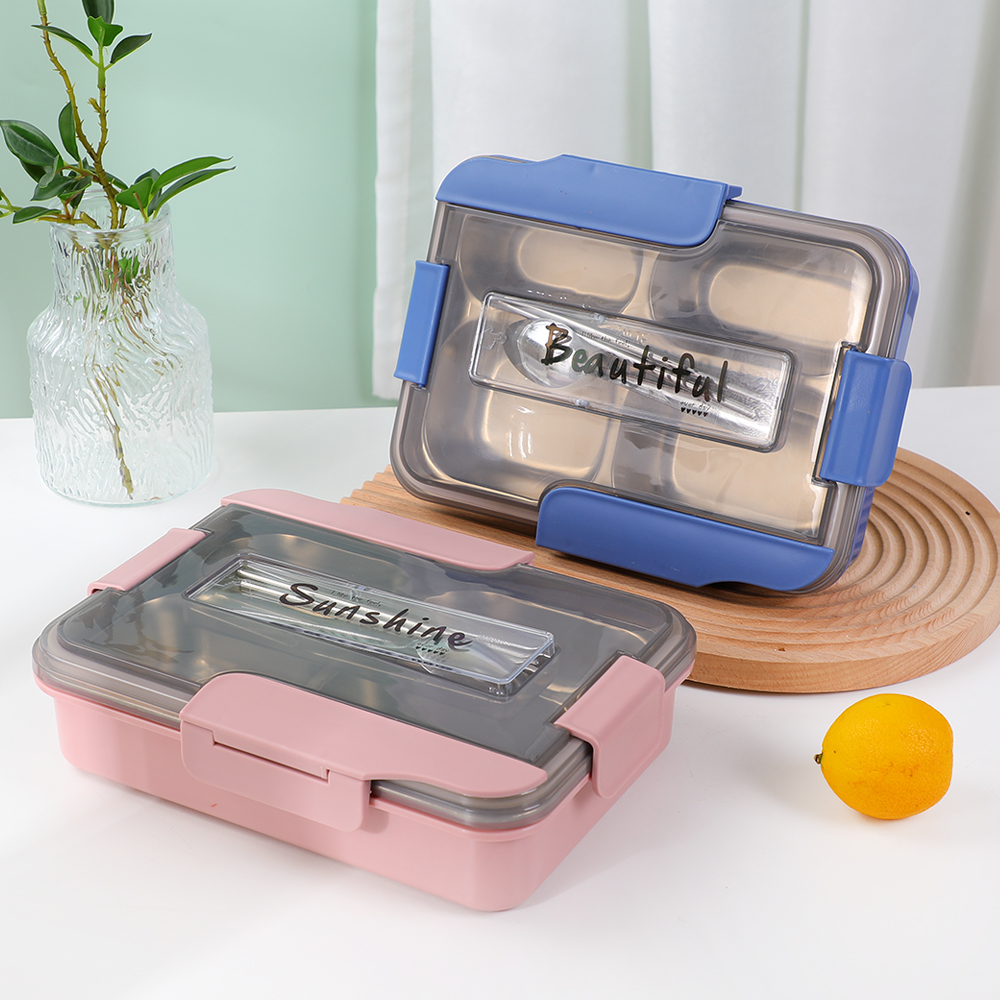
Standard friction-fit lids rely purely on surface tension. You push them down, hoping they stay secure. They fail easily under moderate physical pressure inside backpacks. Better designs utilize multi-point locking mechanisms. Four-hinge snap locks distribute physical pressure evenly across all four sides. Heavy-duty latches pull the lid down uniformly. This uniform compression prevents microscopic gaps along the gasket line. Liquids simply cannot escape through these tightly compressed seams. Equal pressure distribution remains the secret behind successful liquid retention.
Thermal containers handle hot soups and hearty stews. Hot foods naturally create internal steam. This steam builds intense thermal pressure inside closed vessels. Opening a highly pressurized container often causes explosive, dangerous spills. Quality thermal lunch boxes include a dedicated pressure-release valve. You press this small button before attempting to open the main lid. It equalizes internal and external air pressure instantly. This simple engineering feature prevents dangerous thermal burns. It also eliminates frustrating vacuum locks making lids impossible to unscrew.
Material choice directly impacts everyday usability and long-term seal survival. Different materials react uniquely to heat, daily wear, and cleaning methods. Understanding these behaviors helps buyers make informed, lasting decisions.
Modern culinary containers often utilize 304 or 18/8 food-grade stainless steel. This robust material offers zero risk of thermal warping. Rigid steel frames maintain perfect alignment against silicone gaskets indefinitely. A high-quality Leakproof Lunch Box constructed from stainless steel eliminates rust issues. It never absorbs lingering food odors or tomato stains. The primary drawback involves microwave incompatibility. Standard steel cannot enter microwaves safely. Buyers must carefully consider their daily heating requirements before purchasing steel options.
Borosilicate glass handles extreme temperature changes brilliantly. You can move these containers directly from cold refrigerators into hot microwaves. Glass remains completely stain-proof and chemically inert. Most importantly, glass maintains its exact structural shape forever. It never alters lid alignment under high heat. This rigidity guarantees perfect gasket compression year after year. However, glass presents noticeable weight challenges for daily commuters. It also carries a distinct shatter risk upon dropping. Most glass containers require thick silicone protective sleeves to survive daily transit.
Polypropylene (PP) and Tritan plastics dominate the modern lunchware market. These materials feel incredibly lightweight. They offer exceptional affordability and kid-friendly durability against drops. Unfortunately, plastics harbor a significant hidden vulnerability. They carry high risks of subtle thermal warping. Repeated exposure to dishwasher heat permanently alters their structural dimensions. Even a microscopic bend destroys the precise alignment required for watertight seals. Plastics also scratch easily, harboring bacteria and absorbing strong food odors over time.
| Material Type | Core Advantages | Primary Drawbacks | Seal Integrity Over Time |
|---|---|---|---|
| Stainless Steel | Highly durable, zero warping, odor-resistant | Not microwaveable, heavier than plastic | Excellent; rigid frames maintain perfect gasket alignment indefinitely. |
| Borosilicate Glass | Microwave safe, stain-proof, chemically inert | Heavy for daily carry, potential shatter risks | Excellent; glass never alters shape under high heat exposure. |
| BPA-Free Plastics | Lightweight, highly affordable, kid-friendly | Prone to scratching, absorbs strong food odors | Poor to Moderate; thermal warping degrades seals permanently. |
Every individual faces unique daily transit challenges. A flawless container for one person might fail entirely for another. You must align physical container features directly against your specific lifestyle demands.
Working professionals usually prioritize sophisticated aesthetics and slim physical profiles. Briefcase-friendly designs prevent unsightly bulges inside expensive leather bags. Commuters should seek compartmentalized bento designs. These specific layouts prevent internal liquid crossover during transit. You never want vinaigrette dressing leaking onto dry salad greens prematurely. Individual compartment seals ensure foods remain distinctly separated until lunchtime. Stainless steel or glass options project a refined, professional appearance in corporate breakrooms.
Children require completely different container priorities. Parents must focus heavily on drop-test durability. Lightweight plastic or metal models handle rough playground treatment effectively. Furthermore, parents must perform the vital "Latch Test" before purchasing. Ensure a five-year-old child can open the latches independently. Highly rigid, heavy-duty latches cause immense frustration for small hands. Teachers rarely possess enough time to open twenty different lunch containers. Kid-friendly boxes must balance watertight compression against easy-open leverage.
Construction workers, hikers, and outdoor enthusiasts demand maximum ruggedness. Evaluate heavily insulated options capable of surviving aggressive backpack movement. Look for recessed latches holding the lid securely. Protruding latches frequently snag on backpack interior fabric. Snagged latches pop open unexpectedly, ruining expensive gear. Heavy-duty users should prioritize thick stainless steel thermoses or ruggedized composite bento boxes. These designs handle extreme environmental temperature fluctuations effortlessly.
Purchasing a high-quality container only solves half the problem. Improper maintenance destroys precise engineering very quickly. Understanding everyday maintenance pitfalls prevents premature product failure and safeguards your health.
Many manufacturers label plastic containers "dishwasher safe" for marketing purposes. This label creates a dangerous trap. High-heat drying cycles slowly warp plastic lids over several months. This subtle micro-warping renders a once-leakproof lunch box completely useless. The altered lid no longer presses evenly against the silicone base. We strongly recommend hand-washing all plastic lids. Washing bases in dishwashers usually poses fewer risks, but lids require gentle manual care.
Silicone gaskets require vigilant real-world maintenance. Moist, dark crevices breed dangerous black mold rapidly. We strongly warn against purchasing designs featuring non-removable rubber rings. Moisture inevitably penetrates microscopic spaces behind molded gaskets. Trapped moisture leads directly to aggressive bacterial growth. You must remove the silicone ring periodically using a dull butter knife. Scrub the ring thoroughly and dry the underlying track completely. Proper hygiene dictates performing this deep clean at least once weekly.
Silicone rings naturally lose elasticity after twelve months of continuous use. They stretch, thin out, and occasionally tear during aggressive cleaning. Savvy buyers frame replacement part availability as a major brand trust signal. If a company sells replacement gaskets cheaply, they expect their containers to last for years. If brands refuse to sell replacement rings, they essentially sell disposable products. Make replacement availability a primary shortlisting criterion before spending money.
Never blindly trust a new container inside a bag carrying expensive electronics. You must conduct rigorous at-home evaluations before initiating daily use. Structured testing prevents catastrophic first-day commuting failures.
We recommend performing a safe, practical protocol immediately after purchasing. First, fill the empty container halfway with standard tap water. Lock the lid firmly into position. Next, shake the box vigorously over a kitchen sink for thirty seconds. Finally, leave the container upside down on a dry paper towel. Walk away for thirty minutes. Check the paper towel upon returning. Even a single moisture drop indicates immediate failure. Return any container failing this fundamental baseline test.
Buyers frequently confuse internal and external leak terminology. External leaks occur when liquids escape the outer shell, ruining your bag. Internal leaks occur entirely inside multi-compartment bento boxes. Liquids migrate from one internal section into another. A box might boast perfect external seals while failing internally. Yogurt leaking into dry crackers ruins a meal just as thoroughly as a bag spill. Ensure the product explicitly promises "leakproof compartments" if you pack wet and dry foods together.
Advise yourself honestly regarding daily habits to narrow choices rapidly. Use the following three questions to filter out mismatched products:
| Heating Need | Primary Food Packed | Target User | Ideal Container Configuration |
|---|---|---|---|
| Microwave Daily | Leftovers / Stews | Adult Commuter | Borosilicate Glass with silicone sleeve |
| No Heating | Sandwiches / Fruit | Young Child | BPA-Free Plastic Bento with easy latches |
| Thermal Retention | Hot Soups | Outdoor Worker | Stainless Steel Thermos with pressure valve |
Securing a reliable leakproof lunch box constitutes a smart investment in protecting your daily carry. It actively prevents catastrophic damage to electronics while significantly reducing reliance on flimsy single-use plastics. You must prioritize robust locking mechanisms and high-quality removable gaskets over trendy colors or aesthetic appeal. True functionality stems directly from sound material choices and regular maintenance routines. Take a moment right now to review your specific daily transit challenges. Consider your exact weight tolerances, heating requirements, and food types to finalize an informed, lasting selection.
A: Spill-proof containers handle accidental desk tips. They prevent minor sloshes during gentle movement. However, leakproof containers withstand complete inversion. They endure vigorous shaking inside backpacks safely. Engineers design leakproof models utilizing physical latches and thick silicone gaskets. These mechanisms lock liquids inside actively under pressure. Spill-proof lids often use simple friction fits. They fail quickly during active daily commutes.
A: You can usually place the container base in a dishwasher safely. However, lids require careful hand-washing. High-heat drying cycles warp plastic lids easily. Micro-warping destroys the precise alignment required for watertight seals. Hot water also degrades silicone gaskets over time. Hand-washing lid components extends their useful lifespan significantly. Always check manufacturer guidelines before machine washing parts.
A: Gasket degradation represents the most common culprit. Silicone rings lose necessary elasticity over time. Trapped food particles also create microscopic gaps along the seal line. Another major cause involves subtle micro-warping of the lid. Dishwasher heat alters lid dimensions invisibly. Finally, missing or twisted rubber rings prevent proper compression. Routine inspection helps identify these common material failures early.
A: Standard metal containers cannot enter microwaves safely. Traditional designs cause dangerous electrical sparking. However, emerging exceptions exist today. High-end composite containers now utilize modern safe-metal technology. These specific designs feature smoothed edges and protective outer shells. They allow completely safe microwave heating. Always verify explicit microwave-safe labeling before heating any metal container. Never assume standard steel remains microwaveable.
