


Call Us Now
Phone:
+86-137-2797-2500

Views: 0 Author: Site Editor Publish Time: 2026-06-27 Origin: Site


You are ready to ditch disposable plastics. You want to invest in a reliable reusable vessel. However, the market feels flooded right now. Manufacturers make conflicting claims about material safety. They brag about extreme insulation performance and unmatched durability. Sorting through these endless product descriptions quickly becomes overwhelming. We know not all metal containers perform equally. Cheap manufacturing shortcuts create serious hidden health hazards. You might encounter heavy metal leaching from dangerous lead sealing dots. You could also discover hidden rust forming inside the base. Many budget items suffer a rapid loss of vacuum insulation. We want to solve this confusion today. Our goal involves providing an evidence-based, hype-free framework. You can use it to evaluate and shortlist potential products. You will confidently purchase a safe, high-quality Stainless Steel Cup. This guide breaks down exact metal grades and lid materials. You will learn exactly how to inspect internal construction techniques.
First, we must deeply examine the metal composition. Buyers frequently ignore these hidden metallurgical details. The food service industry relies heavily on 304 stainless steel. Manufacturers establish this specific grade as the baseline standard. You will often see it labeled clearly as 18/8. This ratio refers to 18 percent chromium and 8 percent nickel. Chromium acts as a highly effective invisible shield. It provides a robust defense against natural oxidation and rust. Nickel adds essential structural strength to the vessel. It also gives the material a visually pleasing polished finish. Reliable brands always use 304 as their starting foundation. It handles daily water consumption flawlessly.
Next, we look at the premium metal upgrade. Industry experts label this higher tier as 316 or 18/10. It contains a critical chemical addition called molybdenum. Molybdenum fundamentally changes the overall chemical resistance profile. It makes 316 highly resistant to harsh chlorides. It also aggressively fights off acidic liquids. We highly recommend this particular grade for specific heavy users. Do you drink daily black coffee? Do you prefer lemonade or citrus-infused sports drinks? If so, 316 represents your absolute best choice. The molybdenum prevents microscopic surface pitting over time. It guarantees extreme physical longevity.
Conversely, you must quickly recognize the common red flags. Unscrupulous factories often substitute inferior metals entirely. They frequently use 430 grade materials to slash production expenses. We classify 430 as a cheaper ferritic steel. It lacks nickel completely. This glaring absence makes it highly prone to rapid rusting. You can usually identify ferritic steel quite easily. A standard kitchen magnet will stick firmly to it. Authentic austenitic grades like 304 generally repel magnets. You must firmly reject products lacking a specific grade declaration. Vague material labels always hide poor manufacturing choices.
Finally, you need to identify legitimate trust signals. Brand promises mean nothing without independent verification. We strongly advise buyers to look for third-party certifications. These independent testing documents back up the manufacturer's material claims. Look for explicit FDA approval markers printed on the packaging. Better yet, seek out European LFGB certification. LFGB testing standards remain significantly stricter than North American equivalents. A brand showcasing these badges proves its dedication to consumer safety.
| Metal Grade | Composition Ratio | Key Features | Best Use Case |
|---|---|---|---|
| 304 (Austenitic) | 18% Chromium / 8% Nickel | Excellent baseline rust resistance, durable | Daily water consumption, standard hydration |
| 316 (Austenitic) | 18% Chromium / 10% Nickel / Molybdenum | Superior corrosion and acid resistance | Daily coffee, citrus juices, electrolyte drinks |
| 430 (Ferritic) | 18% Chromium / 0% Nickel | Magnetic, highly prone to rapid oxidation | Avoid completely for beverage containers |
Many consumers focus entirely on the shiny metal walls. We must look much closer at the surrounding components. You need to thoroughly inspect the seals, lids, and exterior finishes. These specific secondary parts frequently harbor hidden health dangers. Factories regularly cut corners here to boost profit margins. You must learn exactly how to spot these dangerous shortcuts. A genuinely safe vessel requires total material safety across every single component.
The most alarming manufacturing reality involves vacuum insulation sealing. Most double-wall containers require a tiny exhaust hole at the base. Factories extract the internal air through this small opening. They must then seal the hole permanently to trap the vacuum. Many budget brands routinely use lead solder for this crucial step. They melt this highly toxic heavy metal to close the gap. Normal daily wear often exposes this dangerous lead dot. Dishwasher heat can also break down the protective base cover. You must actively search for explicit "lead-free" guarantees. Premium manufacturers invest in modern glass-frit sealing methods instead.
Lid and gasket integrity matters just as much. Companies often utilize cheap, degradable plastics for their standard lids. These low-grade materials break down rapidly under extreme heat exposure. They can quickly leach microplastics directly into your hot tea. Always prioritize high-quality, shatter-resistant Tritan plastic. Tritan offers exceptional long-term durability and remains entirely BPA-free. Lids must also pair securely alongside food-grade silicone gaskets. You strongly need fully removable gaskets for proper daily sanitation. Hidden trapped moisture breeds dangerous black mold incredibly fast.
We highly recommend a strict cleaning protocol for ultimate mold prevention:
Lastly, carefully evaluate the various exterior finishing techniques. We must contrast powder coating directly against traditional liquid paint. Liquid paint provides a glossy, attractive aesthetic. However, it chips off easily upon minor physical impact. Flaking paint creates a severe risk of accidental ingestion. Furthermore, liquid spray paints often contain harmful volatile organic compounds (VOCs). Powder coating represents the vastly superior structural alternative. Factories bake this dry powder directly onto the heated metal. It creates an extremely durable, chip-resistant rugged texture. It also remains entirely VOC-free.
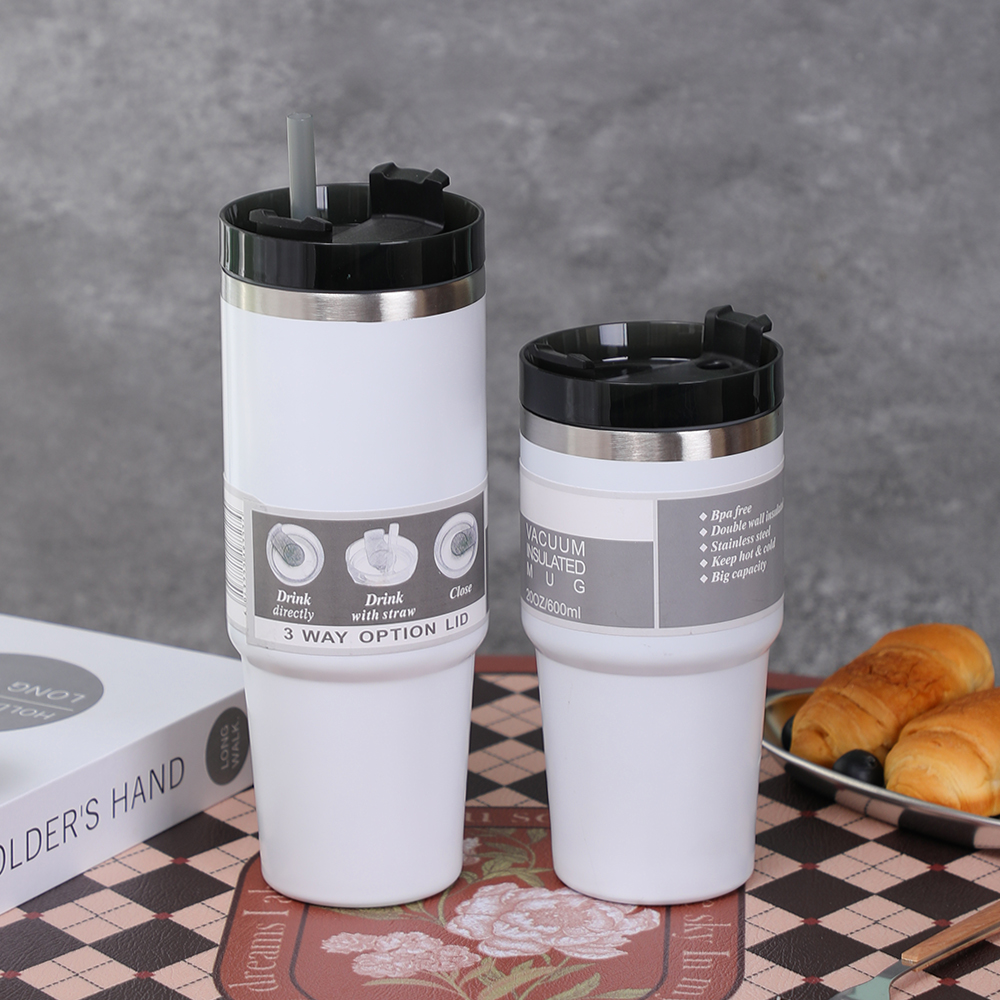
Brands love bombarding us regarding extreme product durability. They frequently make bold "buy it for life" marketing claims. You must understand basic thermal retention mechanics first. This scientific knowledge helps you verify their lofty promises. Single-wall designs remain incredibly lightweight and easy to carry. However, they offer absolutely zero thermal insulation. Cold liquids will cause intense exterior condensation instantly. Hot liquids will painfully burn your bare hands upon contact. Double-wall vacuum insulation solves this annoying problem completely. Factories systematically remove the air between two distinct metal layers. This effectively creates an invisible thermal barrier. Heat energy cannot transfer easily across a total vacuum.
Despite feeling incredibly sturdy, vacuum vessels possess distinct structural vulnerabilities. A minor accident can cause catastrophic long-term performance failure. We see these complaints constantly in outdoor gear review communities. You must carefully understand how dropping a container destroys it. A heavy physical impact alters the internal geometric design permanently.
You must also inspect the interior wall construction carefully. We actively look for electropolished, completely seamless inner surfaces. Visible interior welds create massive hygiene problems for everyday users. Rough internal seams trap harmful bacteria very quickly. They powerfully resist standard sponge cleaning efforts. Furthermore, these jagged seams create the notorious "metallic taste" phenomenon. Many people mistakenly blame the metal itself for this off-flavor. In reality, you are tasting severe lipid oxidation. Old oils from coffee beans get trapped inside the microscopic crevices. The trapped oils turn rancid over time. An electropolished, seamless interior completely prevents this foul oil buildup.
You cannot effectively evaluate these products in a vacuum. Your specific evaluation criteria must radically shift based on the end-user. The perfect daily vessel for an office worker fails completely for a toddler. Form must always follow function strictly. We carefully categorize features based on primary daily activities.
For the daily commuter or adult professional, prioritize travel convenience. Cupholder compatibility remains absolutely mandatory for daily drivers. A tapered base design solves this annoying issue perfectly. You should also demand leak-proof threading mechanisms. A reliable Stainless Steel Cup often utilizes exceptionally deep internal lid threads. This intelligent design prevents catastrophic spills inside expensive work bags. One-handed operation features also matter deeply. Flip-top lids or push-button dispensers help drivers safely consume hot beverages. They expertly keep their eyes focused entirely on the busy highway.
When shopping for toddlers and young children, priorities change drastically. Ergonomics and extreme physical safety take over completely. You need lightweight models featuring easy-to-grip silicone side handles. Strict chew-proof spouts remain entirely non-negotiable. Children aggressively chew on everything they naturally hold. Soft plastics break off easily and create severe choking hazards. Hard medical-grade silicone prevents this dangerous physical tearing. Children also drop things constantly onto hard floors. The product must heavily survive extreme repeated drops without compromising safety. Rubberized base boots help powerfully absorb massive shock waves.
Most importantly, carefully review all published product compliance notes. Any child-focused metal container requires strictly regulated adherence. You must look for mandatory CPSIA compliance statements. This specific certification guarantees rigorous lead and phthalate testing. We also strictly demand explicitly stated "BPA/BPS-free" markers. Never trust an uncertified product near a developing young child.
| Design Feature Category | Adult / Commuter Priority | Toddler / Child Priority |
|---|---|---|
| Form Factor | Tapered base for universal cupholder compatibility | Wide base for stability, attachable side handles |
| Lid Mechanism | One-handed flip-top or push-button seal | Chew-proof hard spout or durable medical silicone straw |
| Drop Protection | Standard powder coating for general scratch resistance | Thick rubberized bottom boots to absorb extreme impacts |
| Required Certifications | FDA or LFGB materials approval | Strict CPSIA compliance, total BPA/BPS free testing |
The current hydration market feels incredibly saturated. However, you can rapidly eliminate inferior products from your search. Use our highly streamlined shortlisting framework to securely spot genuine winners. This proven method saves valuable time and effectively prevents buyer's remorse.
Step one requires you to verify the exact metallurgical specifications. You must carefully read the manufacturer's product description. Does the page explicitly state "304" or "316" steel? Manufacturers using premium materials proudly advertise them everywhere. If a listing simply says "high-quality stainless steel," discard it immediately. This intentionally vague language usually hides highly inferior 430 grade metal. Transparent brands always proudly publish their exact chemical composition. They also clearly list their lid and internal gasket materials.
Step two involves comprehensively checking the manufacturer's warranty policies. A legitimate brand offering a lifetime warranty proves significant internal confidence. They deeply trust their own rigorous factory manufacturing processes. They rightfully expect their vacuum seal to confidently hold up for decades. They know their electropolished inner welds will never fail. Do not settle for highly limited 30-day return windows. Products aggressively claiming extreme durability should strongly back up those claims financially. Look incredibly closely at verified customer reviews regarding actual warranty claims. Some dubious companies actively ignore customer service emails completely. If a company honors its lifetime replacement policy quickly, you have definitely found a trustworthy partner.
Purchasing a reliable reusable metal vessel demands careful deliberate consideration. You now completely possess the specialized knowledge needed to bypass deceptive marketing. You can successfully select a truly safe and highly durable product. Follow these concise action steps carefully before finalizing your next online checkout:
By applying this analytical framework, you actively protect your long-term physical health. You also ensure lasting extreme thermal performance for years. Invest the necessary time to rigorously verify these technical details today. You will finally enjoy a lifetime of safe, exceptionally reliable daily hydration.
A: Most single-wall uninsulated models are completely dishwasher safe. However, the extreme heat of a standard dishwasher often compromises double-wall vacuum vessels. Boiling water can warp the protective plastic base plates and expose the internal vacuum seal. Aggressive detergents can also rapidly degrade rugged powder-coated exteriors. We highly recommend gently hand washing insulated containers to strictly maximize their overall lifespan.
A: High-quality food-grade metal does not actively leach unpleasant flavors. A "metallic" taste usually originates strictly from residual trapped oils. It also comes from trapped bacteria oxidizing inside hard-to-reach microscopic crevices. Thoroughly clean the entire interior using a specialized soft bottle brush. Use warm soapy water and diluted white vinegar. Always remove all silicone lid gaskets to scrub away hidden mold spots.
A: A high-quality insulated container should retain its thermal properties securely for decades. Internal insulation only fails if a heavy physical drop dents the outer wall heavily. This severe impact forcibly breaches the delicate inner vacuum layer. If your totally undamaged vessel suddenly starts sweating profusely, the factory seal has failed. A legitimate lifetime warranty replacement completely applies in this specific scenario.
