


Call Us Now
Phone:
+86-137-2797-2500 
Views: 0 Author: Site Editor Publish Time: 2025-12-11 Origin: Site
Ever grabbed the wrong water bottle for a trip and regretted it? Choosing the right one matters more than you think.Travel hydration depends on picking the best water bottle—insulated, electric, BPA free sports bottles, or tumblers & mugs.In this post, you’ll learn how to select the perfect bottle and manufacturer to stay refreshed and safe on the go.
When choosing the best water bottle for travel, knowing the types available helps you pick one that suits your style and needs. Let’s explore the main categories: insulated, electric, BPA free sports bottles, tumblers & mugs, and materials used.
Insulated bottles keep drinks hot or cold for hours. They have double or triple walls with vacuum insulation that blocks heat transfer. This means your cold water stays refreshing, and your tea or coffee stays warm during long trips.
Benefits include:
Temperature retention for 12+ hours
Durable stainless steel construction
Leak-proof lids to prevent spills
Ideal for plane rides, hikes, or road trips
Popular brands like Hydro Flask and Stanley excel here. Keep in mind, insulated bottles may be heavier than others but offer excellent performance.
Electric bottles bring tech to hydration. They often feature built-in heaters or UV sterilizers.
Common uses:
Heating water for instant drinks on the go
UV light sterilization to kill bacteria and viruses
Self-cleaning functions for easy maintenance
These bottles require charging but provide convenience, especially for travelers concerned about water safety or who want hot beverages anytime.
BPA free bottles avoid harmful chemicals found in some plastics. They are lightweight and usually made of durable plastic or silicone.
Key points:
Safe for health, no BPA leaching
Designed for active use, often with sport caps or straws
Easy to clean and carry
Less insulation, so drinks don’t stay cold long
Great for workouts, biking, or short trips where weight matters more than temperature control.
Tumblers and mugs offer flexibility. They often combine insulation and a drinking-friendly design.
Features:
Spill-resistant lids
Fits most car cup holders
Suitable for hot and cold drinks
Often BPA free and made of stainless steel or durable plastic
Perfect for commuters or travelers who want quick sips without removing the lid.
Material choice affects durability, weight, taste, and safety.
| Material | Pros | Cons | Best For |
|---|---|---|---|
| Stainless Steel | Durable, insulated, BPA free | Heavier, pricier | Long trips, insulation needed |
| Plastic | Lightweight, affordable | May retain odors, less durable | Short trips, sports |
| Silicone | Flexible, collapsible | Less sturdy, no insulation | Space-saving, casual use |
| Glass | Pure taste, BPA free | Fragile, heavier | Gentle use, taste sensitive |
Each material suits different travelers. Stainless steel is top for durability and insulation. Silicone wins for packing light. Plastic offers affordability, and glass excels in taste purity.
Tip: For travel brands, offering a range of materials and bottle types can meet diverse customer needs, boosting satisfaction and loyalty.
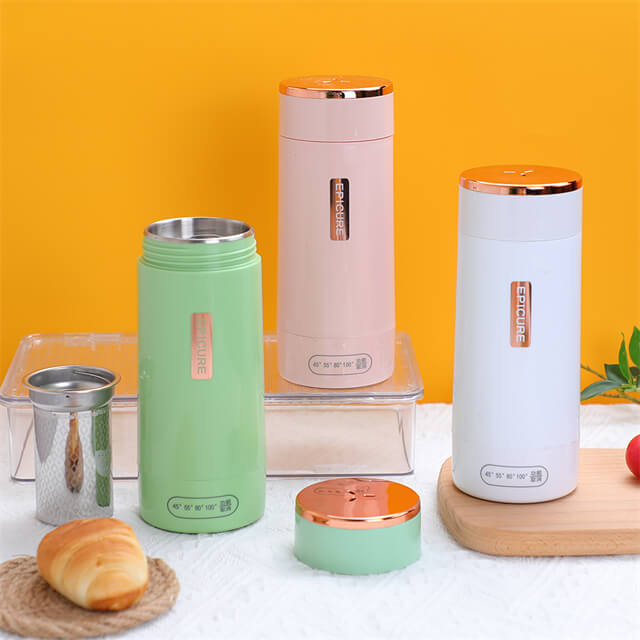
Selecting the right water bottle manufacturer is as important as choosing the bottle type itself. The manufacturer influences quality, safety, durability, and even environmental impact. Here are key points to keep in mind when deciding which brand to trust for your travel hydration needs.
Reputation and Experience: Established brands often have a proven track record for quality and customer satisfaction. Look for manufacturers with positive reviews and industry recognition.
Material Safety Standards: The manufacturer should use BPA-free, food-grade materials and comply with safety regulations. Certifications from agencies like FDA or LFGB add credibility.
Innovation and Design: Leading manufacturers invest in research to improve insulation, leak-proof features, and usability. Unique design patents or awards can indicate innovation.
Customer Service and Warranty: Brands offering warranties and responsive customer support show confidence in their products and care for buyers.
Transparency: Clear information about materials, manufacturing processes, and sustainability efforts reflects trustworthiness.
Hydro Flask: Known for excellent insulation and durable stainless steel bottles. Offers lifetime warranty and a wide color range.
Stanley: Famous for rugged, long-lasting thermoses and insulated bottles with classic design.
Owala: Popular for innovative lids like the FreeSip, combining straw and chug options, ideal for travel.
YETI: Premium brand offering extreme durability and insulation, favored by outdoor enthusiasts.
Takeya: Offers affordable, functional bottles with secure lids and good insulation.
LARQ: High-tech UV self-cleaning bottles, perfect for travelers prioritizing water purity.
HYDAWAY: Specializes in collapsible silicone bottles for space-saving travel.
Each brand targets different needs, so consider which features matter most to you.
Quality manufacturing directly affects how long your bottle lasts and how safe it is to use. Poorly made bottles may leak, dent easily, or leach chemicals. High-quality brands use robust materials, precision engineering, and strict quality control to ensure:
Leak-proof seals prevent spills during travel.
Durable construction withstands drops and rough handling.
Safe materials avoid harmful chemical exposure.
Consistent insulation keeps drinks at desired temperatures longer.
Choosing a reputable manufacturer reduces the risk of product failure and health concerns.
Environmental responsibility is increasingly important. Many top manufacturers adopt sustainable practices such as:
Using recycled or recyclable materials.
Reducing plastic usage in packaging.
Implementing energy-efficient manufacturing.
Supporting recycling programs or bottle take-back initiatives.
Partnering with environmental organizations.
Brands like Hydro Flask and Klean Kanteen emphasize eco-friendly production, appealing to environmentally conscious travelers.
Choosing the right insulated water bottle for travel means balancing several key factors. These determine how well the bottle fits your needs on the go, whether you’re on a plane, hiking, or driving.
The size of your bottle impacts convenience and hydration. For travel, bottles between 16 to 32 ounces usually hit the sweet spot. They hold enough water to keep you hydrated without being bulky. Smaller bottles (around 12 oz) might be too limited for long trips, while larger ones (over 40 oz) can be heavy and hard to carry.
Consider your travel style: a 24 oz bottle often fits well in backpacks and car cup holders. If you prefer minimalism or space-saving, a smaller size or collapsible bottle might work better.
Insulation quality is crucial. Look for vacuum insulation with double or triple walls. This technology traps temperature, keeping drinks cold for up to 24 hours or hot for 12 hours or more.
Good insulation means refreshing cold water on hot days and warm coffee on chilly mornings. Brands like Hydro Flask, Stanley, and YETI are known for top-notch insulation performance.
A travel bottle must resist leaks to avoid spills in bags or cars. Check for secure lids with locking mechanisms or silicone seals. Flip-top lids with locks or screw caps with tight threads often work well.
Durability matters too. Stainless steel bottles usually withstand drops and rough handling better than plastic or glass. Look for bottles with reinforced bases or protective boots to absorb shocks.
Heavy bottles can slow you down. Choose lightweight insulated bottles that still offer good insulation. For example, Hydro Flask’s Lightweight series balances insulation and weight well.
Handles or straps add portability. Some bottles have built-in loops or rigid handles, making them easier to carry or clip onto bags.
If you drive or commute often, bottle shape and size should fit your vehicle’s cup holders. Bottles with tapered bases or narrower diameters usually fit better.
Some brands offer adapters or accessories to help larger bottles fit cup holders. Also, consider if your bottle works with common accessories like carabiners, bottle carriers, or cleaning kits.
When it comes to travel, BPA free sports water bottles offer a blend of health safety, convenience, and durability. They are especially popular among active travelers who need lightweight, easy-to-use hydration solutions.
BPA (Bisphenol A) is a chemical found in some plastics, linked to health risks like hormonal disruptions. BPA free bottles eliminate this risk, making them safer for daily use. These bottles use materials tested to prevent chemical leaching into your water, ensuring your hydration stays pure. Choosing BPA free means peace of mind, especially during long trips when you rely on your bottle constantly.
BPA free sports bottles often feature ergonomic designs that fit comfortably in your hand or bike holder. Many include sport caps or straws, allowing quick sips without unscrewing lids—ideal when you’re on the move. Some have flip-top lids or push-button spouts that open easily with one hand. Their shapes typically fit most gym machines, cup holders, or backpacks, enhancing travel convenience.
These bottles usually have wide mouths for easy cleaning and filling. Many are dishwasher safe, simplifying maintenance. Some designs include removable straws or caps, allowing thorough cleaning to prevent mold or odors. Regular cleaning keeps your bottle fresh and extends its lifespan, which is crucial when traveling to avoid bacteria buildup.
BPA free sports bottles are often made from tough plastics or silicone, making them resistant to dents and cracks. This durability is vital during travel, where drops or rough handling can happen. They are lightweight, reducing travel load, yet sturdy enough to handle active use. Unlike glass, they won’t shatter, and unlike some metals, they avoid corrosion or dents.
Nalgene Wide Mouth: Known for durability and large capacity, great for hiking or long trips.
CamelBak Eddy: Features a flip-top straw lid, easy for quick sips during workouts or travel.
Takeya Actives: Combines BPA free plastic with insulated lids, balancing weight and temperature control.
Contigo Autospout: Offers spill-proof lids and one-touch drinking for on-the-go use.
Hydro Flask Sport Cap (Plastic with BPA Free Lid): Combines stainless steel bottles with BPA free sport caps, blending insulation and convenience.
Each model caters to different travel styles but shares the common benefit of health safety and practical design.
Tip: For travel brands, highlighting BPA free certification and sport-friendly features in product descriptions can build trust and attract health-conscious, active travelers.
Electric water bottles bring smart technology to hydration, making travel easier and safer. They combine convenience, cleanliness, and functionality, ideal for travelers who want more than just a container for water.
Electric bottles usually have built-in heating elements or UV-C light sterilizers powered by rechargeable batteries. The heating feature lets you warm water for tea, coffee, or instant meals without needing external devices. UV sterilization uses ultraviolet light to kill bacteria and viruses inside the bottle, ensuring your water stays safe to drink.
Some models include sensors to monitor water temperature or quality. They often come with touch controls or smartphone apps to customize settings. This tech integration makes hydration smarter and more suited for on-the-go lifestyles.
One of the biggest innovations is UV sterilization. It disinfects the bottle’s interior and water, reducing germs without chemicals. Many electric bottles activate this feature automatically every few hours or when prompted.
Self-cleaning modes simplify maintenance. They help prevent mold, odors, and bacteria buildup, which can be common in reusable bottles. This is especially useful for travelers who may not have time or tools for thorough cleaning during trips.
Battery life varies but typically lasts several days on a single charge, depending on usage. Some bottles use USB-C or wireless charging for convenience. Fast charging options mean you can power up quickly between travel segments.
It’s important to check battery capacity and charging time before buying. A bottle with longer battery life and easy charging suits long trips better. Also, consider if the bottle’s electronics are water-resistant or protected against travel wear.
Electric bottles tend to be slightly heavier due to batteries and electronics but remain compact. Most designs focus on ergonomic shapes and durable materials like stainless steel.
They often feature leak-proof lids and secure seals to prevent spills. Some include carrying straps or cases for added convenience. Despite the tech, these bottles fit well in backpacks, car cup holders, or carry-ons.
Electric water bottles usually cost more than standard insulated or plastic bottles. Prices range from around $50 to over $150, depending on features, brand, and build quality.
While pricier, they offer unique benefits like water purification, heating, and reduced cleaning efforts. For travelers prioritizing health, convenience, or tech gadgets, the investment can be worthwhile.
Tip: When marketing electric water bottles, emphasize their UV sterilization and self-cleaning features, as these appeal strongly to health-conscious and tech-savvy travelers.
Tumblers and mugs come in many shapes, sizes, and designs, making them a versatile choice for travelers. You’ll find:
Travel Tumblers: Tall, slim, often stainless steel, designed to fit car cup holders.
Commuter Mugs: Usually have spill-resistant lids, easy to sip while driving or walking.
Insulated Mugs: Keep drinks hot or cold for hours, great for long trips.
Collapsible Mugs: Made from silicone, fold flat when empty, perfect for saving space.
Choosing the right type depends on how you travel and what drinks you prefer. For example, if you commute daily, a spill-proof tumbler with a secure lid is ideal. For hiking or camping, an insulated mug that keeps coffee warm is better.
One big reason travelers pick tumblers or mugs is their insulation. Double-wall vacuum insulation is the gold standard. It blocks heat transfer, so:
Hot drinks stay warm for 6-12 hours.
Cold drinks stay cool for 12-24 hours.
Some tumblers have triple-wall insulation for even better temperature control. This means you can enjoy your coffee or iced tea hours after filling your mug.
Brands like YETI, Hydro Flask, and Stanley are famous for their insulation. If you want a mug for hot beverages, look for one with a tight-sealing lid to keep heat in and prevent spills.
Travel mugs should be easy to drink from without distracting you. Features to look for:
One-handed operation: Flip-top lids, push-button releases, or slide openings.
Straw options: Some tumblers include straw lids for sipping without tilting.
Leak-proof lids: Prevent spills if the mug tips over in your car or bag.
Fits cup holders: Slim or tapered bases fit most vehicle cup holders snugly.
A tumbler that’s hard to open or leaks can be frustrating on the road. Test lids before buying to find what feels comfortable and secure.
Material matters for health and taste. Many tumblers and mugs use stainless steel, which is:
BPA free
Durable and rust-resistant
Neutral in taste, so drinks don’t taste metallic
Some cheaper mugs use plastic parts, so check if they are BPA free. Avoid plastics that may leach chemicals, especially when used with hot drinks.
Silicone seals and lids should also be BPA free. This ensures your drink stays safe and fresh, even on long trips.
Keeping your tumbler or mug clean is key to hygiene and taste.
Wide mouths make hand washing easier.
Use a bottle brush for narrow openings or straws.
Many tumblers are dishwasher safe, but check manufacturer instructions.
Disassemble lids and seals regularly to clean hidden parts.
For stubborn odors or stains, soak with baking soda or use specialized cleaning tablets.
Regular cleaning prevents mold and keeps your travel mug smelling fresh.
Tip: When selecting tumblers or mugs for travel, prioritize BPA-free stainless steel models with leak-proof, easy-to-use lids that fit your vehicle’s cup holders for a safe and convenient hydration experience on the go.
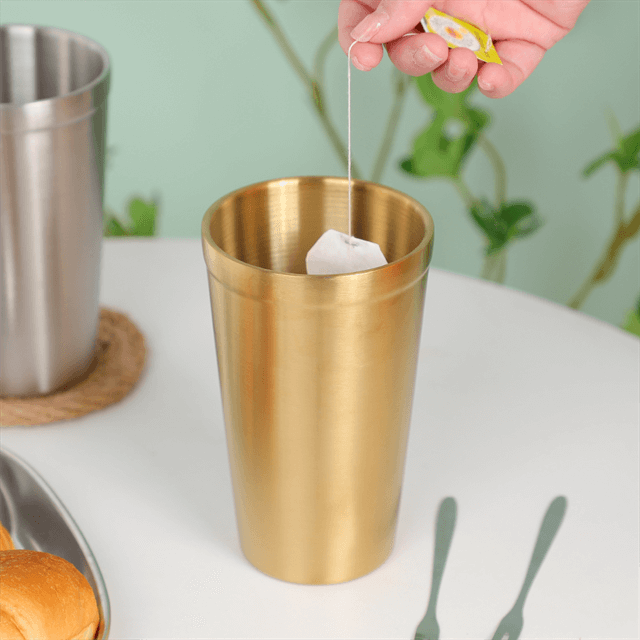
Proper care and cleaning keep your travel water bottle safe, fresh, and long-lasting. Different bottle types need specific cleaning methods to prevent germs, odors, and damage. Let’s explore best practices for maintaining your bottle on the go.
Stainless Steel Bottles: Use warm water and mild dish soap. Scrub with a bottle brush, focusing on the neck and lid threads. Avoid harsh abrasives to protect the finish.
Plastic Bottles (BPA Free): Wash with warm soapy water. Some are dishwasher safe, but check manufacturer instructions. Use brushes to clean straws and caps thoroughly.
Silicone and Collapsible Bottles: Hand wash with soap and water. Silicone can hold odors, so soak occasionally in baking soda solution or vinegar for odor removal.
Glass Bottles: Clean carefully with a soft brush to avoid scratches. Use warm soapy water and rinse well.
Always disassemble lids, caps, and straws before cleaning to reach hidden areas where bacteria can grow.
Brush kits with various sizes help clean narrow openings, straws, and seals effectively. Cleaning tablets dissolve stains and buildup inside bottles, especially from coffee, tea, or juice residues. Use tablets weekly or as needed to maintain freshness.
Sanitizing removes bacteria and mold that cause odors and illness. For thorough sanitizing:
Soak bottles in a solution of 1 part white vinegar to 4 parts water for 10-15 minutes.
Rinse thoroughly with clean water.
Some bottles have UV-C self-cleaning features that sterilize interiors automatically, ideal for travelers lacking time or cleaning tools.
Regular sanitizing ensures your water tastes clean and keeps you healthy.
Keep bottles dry and open when not in use to prevent mold.
Store bottles in clean, ventilated areas, avoiding sealed plastic bags.
Carry bottles upright to avoid leaks.
Use protective sleeves or cases for glass or fragile bottles.
Empty and clean bottles before long storage periods.
Leaks: Check seals and gaskets for damage or misalignment. Replace worn parts. Tighten lids properly but avoid overtightening.
Odors: Clean thoroughly with baking soda or vinegar solutions. Avoid leaving sugary or flavored drinks in bottles overnight.
Stains: Use cleaning tablets or soak in diluted bleach solution (follow safety guidelines) to remove stubborn stains.
Difficult-to-remove caps or lids: Soak in warm water to loosen buildup before cleaning.
Selecting the ideal water bottle for travel means considering the manufacturer, type, material, and key features. Balancing portability, durability, and health safety ensures the best experience on the go. Different travel styles call for specific bottles, from insulated to BPA-free sports options. Investing in a quality bottle guarantees long-term use and satisfaction. Binsly offers a range of durable, safe, and innovative water bottles designed to meet diverse travel needs, providing excellent value and reliability.
A: An insulated water bottle features double or triple walls with vacuum insulation, keeping drinks hot or cold for hours. It's ideal for travel due to durability, leak-proof lids, and excellent temperature retention.
A: Electric water bottles use built-in heaters or UV sterilizers powered by rechargeable batteries, allowing travelers to heat water or sterilize it on the go for safe hydration.
A: BPA free sports water bottles ensure health safety by avoiding harmful chemicals, are lightweight, easy to clean, and designed for quick sips during active travel.
A: Look for BPA free materials, leak-proof lids, insulation for temperature retention, and sizes that fit car cup holders for convenient travel use.
A: The manufacturer affects quality, safety, durability, and sustainability. Trusted brands use BPA free materials, offer warranties, and innovate for better travel hydration solutions.
