




Call Us Now
Phone:
+86-137-2797-2500 
Views: 0 Author: Site Editor Publish Time: 2026-06-25 Origin: Site
As consumers move away from single-use plastics due to microplastic and BPA concerns, the debate over the safest reusable material has narrowed down to two primary contenders. Today, buyers primarily choose between glass and stainless steel. While both options are significantly safer than plastic, measuring what makes a vessel "healthier" involves a multi-dimensional metric. Health encompasses more than just avoiding chemicals. We must also consider bacterial resistance, thermal temperature control, and physical safety.
You need to know how these materials react to different beverages over time. This article provides an evidence-based comparison of glass and stainless steel. We will help you evaluate which material aligns with your personal health standards, daily usage habits, and risk tolerance. You will learn how chemical leaching, hygiene, and hidden manufacturing risks directly affect your daily hydration.
Evaluating material stability is the absolute first step in determining health safety. We must understand if a container breaks down over time. Does it leach microscopic toxins into your water? How does it react to highly acidic beverages like coffee or lemon water? These questions form the essential baseline for evaluating material safety.
| Material Type | Chemical Inertness | Reaction to Acidity | Primary Health Benefit |
|---|---|---|---|
| Borosilicate Glass | Extremely High | None (Fully Neutral) | Zero flavor transfer and zero chemical leaching. |
| Soda-Lime Glass | High | None (Fully Neutral) | Safe everyday purity, though less thermal resistance. |
| 18/8 Stainless Steel | High | Very Low (Mild taste changes possible) | No heavy metal toxicity and high structural stability. |
Glass is naturally non-permeable. It remains chemically inert under extreme environmental conditions. You face zero risk of leaching endocrine disruptors or heavy metals when drinking from glass. Manufacturers use boron trioxide to create borosilicate glass. This specific addition makes it highly resistant to thermal expansion. It stays incredibly stable even when holding boiling liquids.
Soda-lime glass represents the most common alternative. It lacks the extreme thermal shock resistance of borosilicate. However, it shares the exact same chemical purity profile. Regardless of the specific type, glass maintains absolute flavor purity. It does not react to beverage acidity. It ignores temperature changes entirely. Lemon juice, dark roast coffee, and alkaline water all taste exactly as intended.
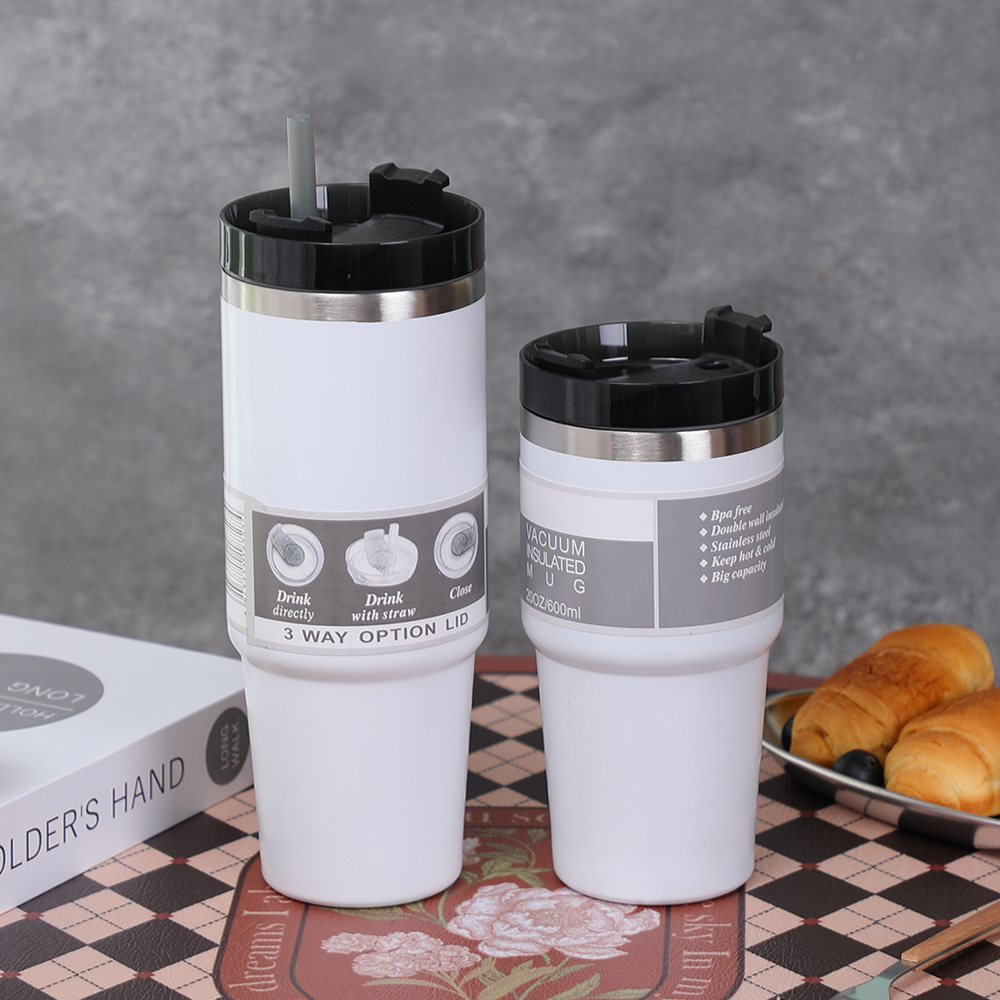
Metal alloys often raise valid concerns about heavy metal exposure. However, food-grade stainless steel offers exceptional alloy stability. A high-quality Stainless Steel Cup will not leach harmful levels of nickel or chromium into your water. These alloys are specifically engineered for safe human consumption. The chromium oxidizes to form an invisible, passive shield. This layer stops rust and prevents metal migration.
They provide strong corrosion resistance for daily use. You can safely consume slightly acidic drinks from them every single day. Prolonged storage of highly acidic liquids might occasionally cause a minor metallic taste. This olfactory reaction happens near the rim. It is rarely a genuine health hazard.
We must apply a strict trustworthiness check here. Acknowledge that low-quality, unverified steel can contain hidden impurities. Certification and transparent sourcing matter immensely. Always verify manufacturer testing credentials before purchasing metal drinkware.
How easily does the material harbor dangerous bacteria? How effectively can you sanitize the vessel? These evaluation dimensions define your everyday hygienic safety. We must look at microscopic surface details to understand cleanliness.
Both glass and stainless steel feature entirely non-porous surfaces. This gives them a massive health advantage over plastic alternatives. Plastic develops micro-scratches easily from ice cubes and cleaning brushes. Bacteria and biofilms hide deeply within these tiny plastic abrasions. Glass and steel resist this physical degradation. They offer a smooth barrier against microbial attachment. Bacteria struggle to find resting places on these rigid surfaces.
Proper sanitization requires high heat and thorough agitation. Glass handles high-heat sterilization perfectly. You can run glass bottles through intense dishwasher cycles without degradation. The 140°F water destroys lingering pathogens. However, you risk thermal shock if the glass is not pure borosilicate.
A single-wall stainless steel container remains completely dishwasher safe. Conversely, vacuum-insulated cups often require careful hand washing. Intense dishwasher heat can compromise the delicate vacuum seal between the metal walls. This ruins the insulation entirely. Hand washing potentially impacts your daily sanitization habits. We often rush through manual cleaning routines. We miss hidden bacteria near the interior rim or base.
Glass offers one distinct hygienic advantage: absolute transparency. Users can physically see mold or residue buildup inside the bottle. You know immediately if your cleaning method failed. Steel requires a proactive, physical inspection routine. You must actively look inside using adequate lighting. We recommend using specialized silicone bottle brushes to ensure complete internal cleanliness.
Health extends far beyond avoiding chemicals. It also involves preventing physical hazards and preserving beverage integrity. We must look at the implementation realities of daily life. Practical environments dictate material performance.
Glass poses a distinct physical injury risk. Dropping a glass bottle creates sharp, dangerous shards. Many brands wrap their bottles in thick silicone sleeves. These sleeves reduce the shatter risk significantly upon impact. However, broken glass remains a severe daily hazard. This is especially true for children or elderly users. Active environments like gyms amplify this danger. You must handle glass with constant awareness.
Beverage preservation directly impacts your systemic health. Bacteria thrive inside the well-documented "danger zone." When liquids sit in this temperature range, common pathogens multiply rapidly. This can turn a clean beverage into a bacterial hazard quickly.
| Temperature State | Temperature Range | Bacterial Activity Level |
|---|---|---|
| Cold (Safe) | Below 40°F (4°C) | Growth is paused or extremely slow. |
| Danger Zone | 40°F - 140°F (4°C - 60°C) | Rapid multiplication and biofilm formation. |
| Hot (Safe) | Above 140°F (60°C) | Bacteria are actively destroyed. |
An insulated Stainless Steel Cup excels at thermal health management. It keeps cold liquids cold for hours. It keeps hot liquids hot throughout your day. This effectively inhibits bacterial growth over a standard 8-hour workday. Your beverage remains safely outside the danger zone. Glass completely fails to maintain these thermal barriers. A glass bottle allows liquids to reach room temperature quickly. This exposes your drink to rapid bacterial proliferation.
You must move beyond the primary material to assess the whole product. A comprehensive compliance and sourcing check reveals hidden health risks. Many dangers live in the manufacturing details.
We must address a known industry reality. Some vacuum-insulated stainless steel products use a lead dot. Manufacturers use this solder to seal the base during production. It finalizes the vacuum insulation process. Factories cover this lead dot with a thick protective cap. Under normal conditions, you never touch the lead.
However, significant damage to the base can expose this solder. Dropping the bottle repeatedly might dent or detach the protective cap. We strongly recommend brands with verifiable lead-free manufacturing processes. Many premium brands now use glass-frit or lead-free welding to seal their bottles. They prioritize safety over cheaper manufacturing techniques.
The bottle is only as healthy as its lid. Both glass and steel vessels typically rely on plastic or silicone lids. These separate components represent the actual sites of mold growth. Moisture gets trapped easily under rubber O-rings. It hides inside complex flip-top straw mechanisms.
These components carry potential chemical exposure risks. You must dismantle and clean the lid assembly weekly. If you ignore the lid, the vessel material does not matter. Moldy silicone will contaminate your water with every sip. We suggest choosing simple lid designs. Fewer moving parts mean easier cleaning and better hygiene.
We recommend matching the material to your specific success criteria. Every user has different risk tolerances and daily routines. Use our shortlisting logic to find your perfect fit.
Neither material is definitively "healthier" than the other across all possible scenarios. They simply excel in completely different health dimensions. Glass clearly wins on absolute chemical inertness. It guarantees zero flavor transfer and provides total transparency. Conversely, stainless steel wins on thermal safety. It offers robust physical durability and prevents rapid bacterial growth through insulation.
You need to audit your daily routine carefully. Compare your rugged travel needs against your quiet desk use. We advise you to prioritize purchasing from transparent brands. Look for companies that publish third-party safety testing openly. They should test rigorously for heavy metals and toxins. Taking these practical steps ensures your daily hydration remains genuinely healthy.
A: No. High-quality 304 or 316 food-grade stainless steel is highly stable. The chromium forms a passive oxide layer that completely prevents metal migration. Standard daily usage with water, coffee, or tea does not cause heavy metal toxicity. Always buy verified, certified brands to avoid impure, cheap alloys.
A: You are experiencing an olfactory reaction, not actual chemical leaching. The metallic taste comes from oils on your skin reacting to the metal rim. When you bring the cup to your mouth, you smell these trace compounds. The metal itself is not dissolving into your water.
A: Food-grade silicone is extremely stable and non-toxic. It does not leach harmful chemicals like BPA or phthalates. The silicone acts purely as an external shock absorber. It rarely touches your drinking water directly. You can use silicone sleeves safely without health concerns.
A: Some manufacturers use a lead solder dot to seal the vacuum base. A steel cap usually covers this dot entirely. You can check brand compliance by reading their manufacturing FAQ pages online. Many premium brands proudly advertise lead-free manufacturing or glass-frit sealing. Contact the manufacturer directly if unsure.
