


Call Us Now
Phone:
+86-137-2797-2500 
Views: 0 Author: Site Editor Publish Time: 2025-12-24 Origin: Site
Most adults understand the biological imperative of hydration. We know we should drink more water to maintain cognitive function, energy levels, and physical health. However, the friction often lies in the experience itself rather than the intent. Drinking lukewarm water from a plastic container that imparts a chemical aftertaste is unappealing. This sensory dissatisfaction frequently deters proper hydration habits, causing people to consume far less fluid than their bodies require.
The solution lies in shifting our perspective on hydration vessels. We must stop viewing them as simple disposable containers and start treating them as essential performance gear. A high-quality Insulated Water Bottle serves as an active tool for health management, precise temperature regulation, and significant environmental impact reduction. It transforms the act of drinking water from a chore into a refreshing experience.
This guide analyzes the tangible value of vacuum-insulated hydration gear. Beyond the basic claim that "it keeps water cold," we will explore the physiological benefits of temperature stability, the total cost of ownership (TCO) compared to single-use plastics, and the material safety advantages of medical-grade stainless steel. You will learn how investing in the right vessel can optimize your daily intake and provide a surprising return on investment.
Thermodynamic Efficiency: Vacuum insulation eliminates conduction and convection, maintaining temperature stability (cold or hot) for 12–24+ hours regardless of external conditions.
Health & Safety: High-quality food-grade stainless steel (18/8) removes exposure to microplastics, BPA, and degrading chemical liners found in aluminum or plastic bottles.
Economic ROI: Despite higher upfront costs, reusable insulated bottles break even quickly by eliminating single-use purchases and reducing the need for peripheral cooling (ice packs).
Situational Utility: "No-sweat" designs protect electronics in bags, while specific lid configurations optimize intake for office, sport, or outdoor use.
Temperature plays a pivotal role in how much fluid we consume. When water is palatable and refreshing, consumption becomes a subconscious habit rather than a forced discipline. Understanding the physics behind this stability reveals why specific bottles outperform others.
The core technology separating a standard vessel from a high-performance tool is the vacuum seal. A Double Insulated Water Bottle consists of two nested flasks—usually made of stainless steel—joined at the neck. Manufacturers suck the air out of the space between these two walls to create a vacuum.
Heat energy travels primarily through three mechanisms: conduction, convection, and radiation. In a vacuum, there are no air molecules to facilitate conduction or convection. Heat cannot transfer from the hot exterior air to your cold water because there is no medium for it to travel through. This isolation allows the internal environment to remain stable regardless of sweltering summer heat or freezing winter conditions.
Premium models often add an internal layer of copper plating on the vacuum side of the inner wall. While the vacuum stops conduction and convection, radiant heat (like energy from the sun) can still cross the gap. Copper reflects this radiant energy, acting as a thermal mirror to further lock in temperature.
Physiological studies suggest that water palatability significantly influences voluntary fluid intake. Most individuals prefer water at a crisp temperature, approximately 50°F (10°C). This "Cold Water Effect" makes the liquid feel more refreshing, triggering a reward response in the brain. When your water remains at this optimal temperature all day, you naturally drink more without conscious effort.
Conversely, the ability to maintain heat is equally critical for hot beverages. Coffee or tea that cools down rapidly often gets discarded. By keeping a beverage hot for 6 to 12 hours, users reduce waste and maintain the efficacy of caffeine for cognitive performance throughout the workday. You no longer need to microwave the same cup of coffee three times a day.
When selecting a bottle, ignore vague marketing terms like "thermal." Instead, scrutinize the manufacturer's specific hour ratings. A high-standard bottle should promise at least 24 hours of cold retention and 12 hours of heat retention. These metrics indicate a high-integrity vacuum seal.
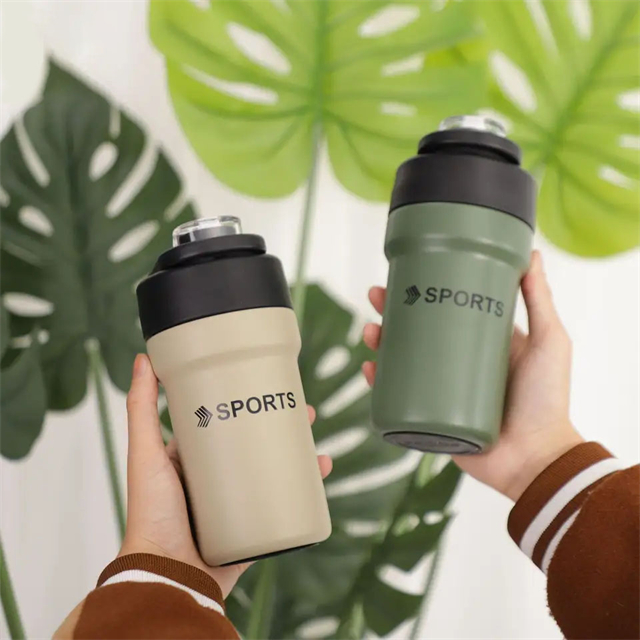
The container you drink from is just as important as the liquid inside it. Many common materials interact chemically with beverages, introducing invisible contaminants into your body.
While many plastic bottles now boast "BPA-Free" labels, this does not render them chemically inert. Plastic is porous and degrades over time. Exposure to UV light, heat (such as leaving a bottle in a car), and physical abrasion creates micro-cracks in the material. These fissures become breeding grounds for bacteria that are difficult to clean out.
Furthermore, degrading plastic releases microplastics into the water. Research indicates that even reusable plastic bottles can leach compounds that mimic estrogen, potentially disrupting hormonal balance. The risk increases significantly when the bottle holds acidic beverages or sits in hot environments.
Aluminum bottles are often marketed as a sustainable alternative to plastic, but they come with a hidden caveat. Raw aluminum is highly reactive with acids and can be toxic if ingested. To prevent this, manufacturers must spray the interior of aluminum bottles with an epoxy or plastic resin liner. Essentially, you are still drinking from plastic, just with a metal shell. If this liner scratches or degrades, the safety of the vessel is compromised.
Medical-grade and food-grade stainless steel, specifically the 18/8 (304) alloy, offers a superior solution. The "18/8" designation refers to the composition: 18% chromium and 8% nickel. This alloy creates a non-porous, passivated surface that is chemically inert.
Steel does not require a liner. It resists corrosion and flavor retention. You can switch from a strong coffee to ice water without a lingering metallic taste or coffee odor. It is safe for acidic liquids like lemon water or fruit juices, as it will not leach heavy metals into the drink.
Innovation in this sector continues to evolve. Niche markets now see products like the Hydrogen Insulated Water Bottle, designed to infuse molecular hydrogen for antioxidant benefits while maintaining temperature. For ultra-lightweight needs, such as alpine climbing, the Outdoor Titanium Sports Insulated Water Bottle offers the strength of steel at half the weight, though at a higher price point.
A high-quality insulated bottle often costs between $20 and $50, which may seem steep compared to a $2 disposable bottle. However, when analyzed over a 5-year ownership cycle, the reusable steel bottle offers a massive return on investment (ROI).
Consider the "Latte Factor." Purchasing a coffee at a café daily costs roughly $5. Bringing coffee from home costs approximately $0.50 per cup. The limiting factor is usually temperature; people buy café coffee because it is hot. An insulated bottle keeps home-brewed coffee hot for hours, enabling this switch. Saving $4.50 daily accumulates to over $1,000 annually.
For outdoor workers, campers, or tradespeople, the "Ice Economy" is also significant. Cheap coolers and single-wall bottles require constant ice replenishment to keep drinks drinkable in summer heat. High-efficiency vacuum insulation keeps ice frozen for days, reducing the frequency and cost of buying bags of ice.
The "Buy Nice or Buy Twice" philosophy applies strictly to hydration gear. Cheap plastic bottles crack, retain odors, or develop mold in the threads within months, requiring replacement. A high-quality, powder-coated stainless steel bottle is built to last 5 to 10 years or more. It survives drops, dishwasher cycles, and daily abuse.
| Metric | Disposable/Cheap Plastic | Premium Insulated Stainless Steel |
|---|---|---|
| Lifespan | 1 day to 3 months | 5 to 10+ years |
| Cost (5 Years) | $300+ (Recurring replacements) | $30 - $50 (One-time purchase) |
| Temperature | Adapts to room temp in < 60 mins | Stable for 12-24 hours |
| Environmental | High waste volume | Zero waste generation |
Sustainability is often treated as a buzzword, but the metrics here are concrete. Using one insulated bottle eliminates the need for purchasing hundreds of single-use plastic bottles annually. Over the bottle's lifespan, this diverts thousands of plastic units from landfills and oceans, reducing the demand for petroleum-based resin production.
Beyond health and economics, the daily user experience drives the adoption of reusable bottles. If a product is annoying to carry, it gets left at home. Modern insulated bottles address these pain points through engineering.
Single-wall bottles conduct cold to their outer surface, causing atmospheric moisture to condense. This "sweating" creates puddles on desks and dampens the interior of backpacks. For professionals carrying laptops, documents, or cameras, a sweating bottle is a liability.
Double-wall insulation separates the cold internal surface from the warm exterior wall. The outside of the bottle remains at room temperature and perfectly dry. This protection allows users to confidently pack their hydration alongside expensive electronics without fear of water damage.
The utility of a bottle is often defined by its interface. Choosing an Insulated Water Bottle with Lid that matches your activity is crucial:
Straw Lids: Ideal for driving or desk work. They allow for vertical drinking without tipping the head back, keeping eyes on the road or screen.
Chug/Spout Caps: Designed for high flow rates. These are best for sports recovery when rapid hydration is necessary.
Screw/Loop Caps: These provide the highest security against leaks. They are essential for throwing a bottle into a backpack where it might tumble around upside down.
Texture and taste define the experience. Carbonated water loses its appeal quickly as it warms up. Vacuum insulation preserves the crisp bite of sparkling water for the entire day. Similarly, the specific heat profile of herbal tea can be maintained, ensuring the drinking experience at 4:00 PM is as enjoyable as it was at 8:00 AM.
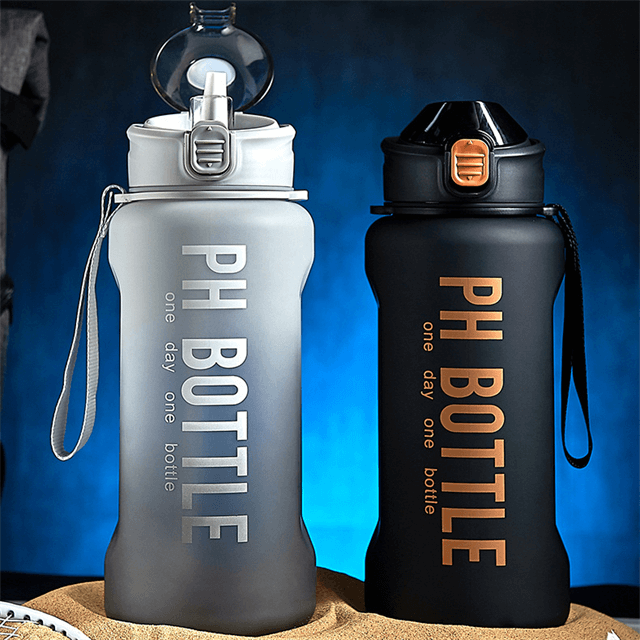
Not all stainless steel bottles are created equal. The market is flooded with varying qualities of steel and vacuum integrity.
When investigating an Insulated Water Bottle manufacturer, look for transparency. Reliable brands openly state their use of 18/8 (304) food-grade stainless steel. Check for FDA or LFGB certifications regarding food safety.
Pay attention to the exterior finish. High-quality powder coating is superior to standard wet paint. Powder coating is baked onto the metal, providing a textured grip that creates significant friction even when wet. It resists chipping and scratching far better than smooth paint, maintaining the bottle's aesthetic over years of hard use.
Selecting the right size depends on your daily "flow":
Commuter (16-24oz): This size typically fits standard car cup holders. It is critical for drivers or those with short commutes.
Desk/Day (32-40oz): This volume minimizes refill trips. It supports deep work focus by ensuring you have ample water at arm's reach for hours.
Expedition (64oz+): These massive vessels, often called growlers, are essential for off-grid scenarios, beach days, or all-day manual labor where clean water sources are unavailable.
Hygiene is the final consideration. Wide-mouth bottles are generally easier to clean than narrow-neck versions because you can fit a scrub brush inside. For deep cleaning, verify that the lid gaskets are removable. Trapped moisture behind a silicone ring causes mold buildup. Using a simple mixture of vinegar and baking soda can neutralize odors and sterilize the interior without damaging the steel.
An Insulated Water Bottle for Daily Hydration represents more than a convenient accessory; it is a fundamental investment in personal health infrastructure. By solving the problems of temperature fluctuation, chemical leaching, and disposability, these vessels remove the friction from the hydration process.
The trade-off of carrying slightly more weight compared to a plastic bottle is heavily outweighed by the benefits. You gain reliable temperature retention, absolute chemical safety, and a product that lasts a lifetime. Whether you are maximizing cognitive performance at a desk or maintaining physical endurance on a trail, the right equipment makes the task easier.
We encourage you to audit your current hydration method. If you are still relying on single-use plastics or dinged-up aluminum bottles, consider the upgrade. Select a bottle that matches your lifestyle flow—whether that demands a straw lid for the commute or a rugged titanium build for the mountains—and witness how the quality of your hydration improves.
A: Yes, you can. The vacuum insulation will keep carbonated drinks cold and crisp for hours. However, be cautious with flip-cap or straw lids, as the carbonation creates pressure buildup that might cause the lid to pop open or leak. Screw-top lids are safer for carbonated beverages. Open the bottle slowly to release the pressure safely.
A: While some unpainted stainless bottles are dishwasher safe, the heat cycle can be risky. High heat can expand the air inside the vacuum seal or compromise the seal integrity, destroying the insulation properties. Additionally, abrasive detergents and high heat can damage or peel the exterior powder coating. Hand washing is safer for longevity.
A: High-grade 18/8 (304) stainless steel should not leave a metallic taste. If you experience a metallic flavor, it usually indicates a lower-quality alloy, a damaged interior, or improper cleaning. Sometimes, the smell comes from the lid or gasket retaining odors, rather than the steel itself. A vinegar soak usually fixes this.
A: No, never put a sealed insulated bottle in the freezer. As liquids freeze, they expand. This expansion creates immense pressure that can deform the inner steel wall. Even a slight deformation can break the vacuum seal, rendering the insulation useless. Instead, use ice cubes to cool your drink.
A: Single-wall bottles are made of one layer of metal. They transfer heat immediately, meaning cold water warms up quickly and the bottle sweats condensation. Double-wall bottles have two layers with a vacuum in between. They trap temperature effectively, keeping contents hot or cold for hours, and the exterior remains dry and room temperature.
