


Call Us Now
Phone:
+86-137-2797-2500 
Views: 0 Author: Site Editor Publish Time: 2025-12-26 Origin: Site
The evolution of personal hydration has moved far beyond simple stainless steel containers. Today, we see a shift toward sophisticated hardware that integrates seamlessly with the "Quantified Self" ecosystem. For professionals, high-performance athletes, and health-conscious individuals, a Smart Electric Water Bottle is no longer just a vessel; it is a vital tool for optimizing cognitive performance, ensuring water safety, and managing long-term health metrics.
However, the current marketplace is saturated with gadgets that often prioritize flashiness over genuine utility. From basic LED reminders to medical-grade hydrogen infusion systems, the price disparity is vast, and the feature lists are often confusing. This guide cuts through the marketing noise to provide a rigorous framework for evaluating these devices. It helps you distinguish between genuine innovation and overpriced gimmicks, ensuring you select a Portable Electric Water Bottle that truly serves your needs.
Define Your Primary Use Case: Distinguish between Behavioral Tools (tracking intake), Sanitation Tools (UV-C purification), and Wellness Tools (Hydrogen generation). Most bottles excel at only one.
Connectivity vs. Autonomy: Evaluate whether you need an app-integrated ecosystem (Bluetooth) or a standalone device. App fatigue is a real risk for long-term adoption.
Material Integrity: Prioritize medical-grade materials like 316 Stainless Steel or Titanium, especially for bottles containing electronics and batteries.
The "charging" Reality: Proprietary charging cables are a liability. Look for USB-C universality or magnetic pogo pins to ensure the bottle doesn't become e-waste when a cable is lost.
Before analyzing specifications or aesthetics, buyers must rigorously categorize the problem they are trying to solve. The technology behind a Electric Water Bottle generally addresses one of three specific pain points. Understanding this distinction is the first step in making a wise investment.
For many office workers and busy professionals, the primary challenge is behavioral: simply forgetting to drink water. Dehydration leads to cognitive fatigue, headaches, and long-term issues like kidney stones. Bottles designed for this purpose act as behavioral coaches.
These devices typically utilize capacitive touch sensors or accelerometers embedded within an Electric Water Bottle with Lid to measure fluid consumption in real-time. The most advanced models calculate water displacement by weight or level sensing.
Success Criteria: You should look for accuracy in "sip" detection. Cheaper models often register movement as drinking, skewing your data. Furthermore, seamless synchronization with health ecosystems like Apple Health or Google Fit is non-negotiable for holistic health tracking.
Frequent travelers, hikers, and gym-goers face a different problem: hygiene. Reusable bottles are notorious breeding grounds for bacteria, often accumulating more pathogens than a kitchen sink if not washed daily. This leads to the dreaded "bottle stink."
The solution here is the integration of UV-C LED technology. These bottles use light, typically at the 280nm wavelength, to disrupt the DNA of biological contaminants. This effectively neutralizes up to 99.9% of bacteria and viruses inside the container.
Success Criteria: Verify the reduction rates. Do not rely solely on manufacturer claims; look for independent lab testing results. It is also important to note that while these bottles kill bacteria, they do not filter out heavy metals or sediment.
The third category targets the "biohacker" demographic—individuals focused on cellular optimization. These bottles feature electrolysis plates at the base that split water molecules to create hydrogen-enriched water (HRW). This sector is dominated by the Hydrogen Electric Water Bottle.
Success Criteria: The critical metric here is concentration, measured in Parts Per Billion (PPB). High-quality units generate over 1000 PPB. Crucially, the bottle must use SPE (Solid Polymer Electrolyte) and PEM (Proton Exchange Membrane) technology. Without high-quality membranes, the electrolysis process can inadvertently create chlorine gas and ozone as byproducts, which are harmful to ingest.
| Category | Primary Technology | Target User | Key Benefit |
|---|---|---|---|
| Behavioral | Accelerometers / Weight Sensors | Office Workers | Reminders prevent dehydration fatigue. |
| Sanitation | UV-C LED (280nm) | Travelers / Gym Goers | Prevents odor and neutralizes bacteria. |
| Wellness | SPE/PEM Electrolysis | Biohackers | Antioxidant properties via Hydrogen. |
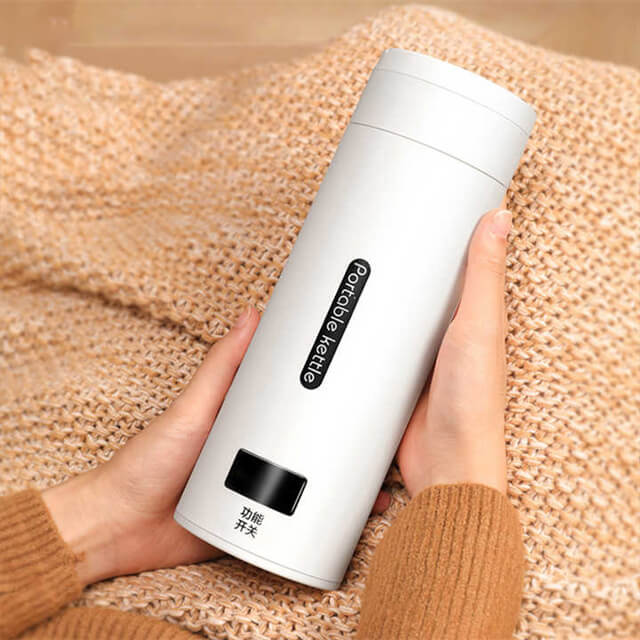
In the age of IoT (Internet of Things), hardware is only as good as the software that supports it. However, buyers must be wary of over-connected devices. A balance between smart features and standalone utility is essential.
There is a significant risk in buying hardware that relies 100% on a mobile application. If the Electric Water Bottle manufacturer stops updating the app, or if their servers go offline, your expensive device becomes a paperweight. We call this "brick risk."
The feature to look for is onboard memory. A robust smart bottle should be able to store 2–3 days of hydration data locally on the chip. This allows you to sync effectively when you open the app, rather than requiring constant Bluetooth proximity to your phone.
How does the bottle tell you to drink? This interface defines the user experience.
Visual (LED Glow): This is highly effective for peripheral vision. If the bottle sits on your desk, a gentle pulse of light catches your eye without breaking your focus. Look for customizable colors so you can distinguish a hydration reminder from a low-battery warning.
Haptic (Vibration): This is discreet and useful for meetings where a flashing light might be distracting. However, mechanical vibration motors are battery-intensive and can reduce the time between charges.
Push Notifications: Generally, these are the least effective method. We are all inundated with phone notifications, and it is easy to swipe away a "drink water" alert. Hardware reminders (glow/buzz) effectively outperform app badges for driving real behavioral change.
It might seem trivial to worry about privacy regarding water consumption, but many apps ask for excessive permissions. Does the hydration app require access to your contacts or precise GPS location? Reliable brands anonymize health data and only request permissions necessary for the bottle's function (like Bluetooth connectivity).
When you introduce electricity to a water container, material science becomes critical. The interaction between water, metal, and electrical components must be managed carefully to prevent corrosion and ensure safety.
The standard for quality drinkware is 304 (18/8) food-grade stainless steel. This is durable and generally safe. However, for premium smart bottles, especially those involving electrolysis or long-term storage of electrolytes, you should look for a Stainless Steel Electric Water Bottle with a 316 medical-grade interior.
Grade 316 steel contains molybdenum, which drastically increases resistance to corrosion and chlorides. This is essential if you plan to use the bottle for sports drinks containing salt, or coffee, which is acidic. For the ultra-premium market, options like the Outdoor Titanium Sports Electric Water Bottle offer superior performance. Titanium is hypoallergenic, significantly lighter than steel, and chemically inert, meaning it will never leach a metallic taste into your water.
Most buyers expect their bottle to keep water cold. Standard Double Electric Water Bottle construction utilizes vacuum insulation between two walls of steel. This creates a barrier that prevents heat transfer.
However, smart bottles face a challenge: the lid. Electronics, batteries, and sensors take up space in the cap, often displacing insulation material. This can create a "thermal bridge" where heat escapes. When evaluating a bottle, check if the manufacturer specifies insulation performance. Be aware that UV-C purification bottles often cannot hold temperature as well as standard thermoses because the UV emitter requires a non-insulated window or module.
The "smart" aspect should not come at the cost of the environment. An Eco Friendly Electric Water Bottle must prioritize safe materials. Ensure that any plastic components, particularly the lid casing and straw, are certified BPA/BPS-free. Furthermore, look for ROHS compliance (Restriction of Hazardous Substances). This certifies that the electronics and soldering within the device do not contain hazardous levels of lead, mercury, or cadmium.
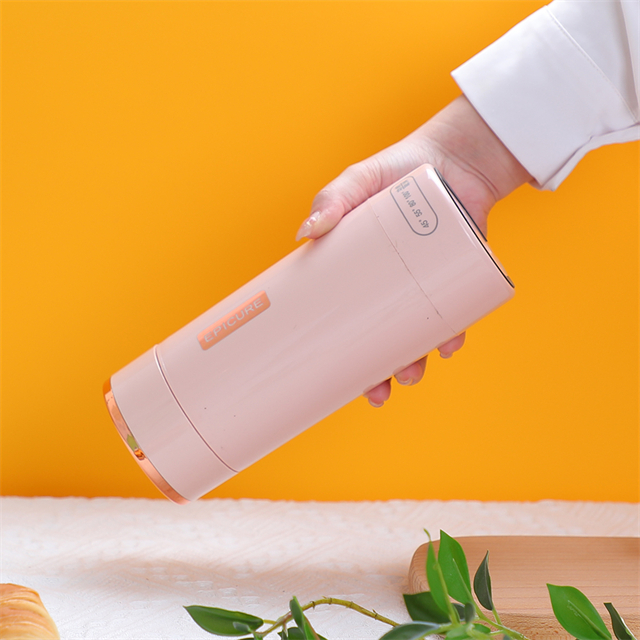
A dead battery turns a smart bottle into a heavy, expensive dumb bottle. Power management is a crucial factor in the ownership experience.
Battery performance varies wildly based on the technology type. Tracking bottles that rely on Bluetooth Low Energy (BLE) typically offer 10–14 days per charge. In contrast, UV-C and Hydrogen bottles are high-energy devices. The act of powering an LED array or electrolysis plates consumes significant wattage. For these, expect 15–30 cycles per charge rather than a set number of days.
Proprietary cables are the enemy of longevity. Many brands use custom magnetic "pogo pin" chargers to ensure waterproofing. While convenient, if you lose this specific cable, the bottle is useless until you buy a replacement.
The gold standard is USB-C. Look for bottles that feature USB-C ports protected by high-quality silicone plugs to maintain IPX7 water resistance. This ensures you can charge your bottle with the same cable used for your laptop or phone, reducing electronic clutter.
Lithium-ion batteries are sensitive to heat. Since water bottles are often left in hot cars or accidentally washed in warm sinks, thermal stability is paramount. Check if the battery component has UL certification. This indicates it has undergone rigorous testing to prevent thermal runaway and fire hazards.
Maintenance is often the dealbreaker that causes users to abandon their smart bottles after a few months. Understanding the cleaning requirements before you buy is essential.
You must accept that most smart electric water bottles are not fully dishwasher safe. The high heat and water pressure of a dishwasher can penetrate seals and destroy electronic components.
The Lid: This usually contains the "brain" (battery, chip, Bluetooth radio) and must almost always be hand-washed.
The Body: If the smarts are entirely in the lid, the body might be dishwasher safe. However, if the sensor is in the base (common in older tracking bottles), the entire unit is hand-wash only.
We recommend looking for a modular design where the electronic "puck" or module can be fully detached. A "dishwasher safe body" is a significant convenience feature for daily users.
Do not assume a self-cleaning UV-C bottle never needs washing. UV light travels in straight lines; it is directional. It often misses the threads of the mouthpiece and the underside of the lid seal. Bacteria and saliva can still accumulate in these shadow zones. Even with a self-cleaning bottle, you must manually clean the lip and spout regularly to prevent odors.
Selecting the right electric water bottle requires looking past the "cool factor" and analyzing your daily workflow. If your primary goal is increasing cognitive output through consistent hydration, you should prioritize a smart bottle with robust app integration and visual LED reminders. If your concern is water safety during international travel or gym sessions, a UV-C equipped unit offers the best return on investment.
Ultimately, the "smartest" bottle is one that fits your lifestyle without adding maintenance friction. Look for modular designs where the tech can be removed for washing, universal charging standards like USB-C, and verified material safety. These features ensure your investment lasts beyond the initial novelty, truly contributing to your health and wellness.
A: Generally, no. Most electric water bottle with lid systems house electronics in the cap or base that will be destroyed by the heat and water pressure of a dishwasher. However, some newer models allow you to detach the electronic puck, making the steel body dishwasher safe.
A: It depends on your health goals. While some studies suggest antioxidant benefits for athletic recovery, the technology is expensive. Ensure the bottle uses PEM/SPE technology to prevent chlorine gas production, which cheaper models often fail to filter.
A: Check the manufacturer's rating. Many tracking sensors (like HidrateSpark) are calibrated for water density and may damage components if exposed to boiling liquids. However, UV-C purification bottles often handle hot liquids fine, though the insulation may be less effective than a standard thermos.
A: The stainless steel or titanium body can last decades. However, the lithium-ion batteries in a portable electric water bottle typically have a lifespan of 3–5 years. Look for brands that offer replacement caps or sensor modules so you don't have to replace the whole unit.
