




Call Us Now
Phone:
+86-137-2797-2500 
Views: 0 Author: Site Editor Publish Time: 2026-06-27 Origin: Site
Consumer drinkware preferences are shifting rapidly today. People increasingly demand extreme durability and reliable temperature control. Health concerns also drive these changing consumer habits. We no longer accept single-use solutions. Instead, you want vessels capable of surviving daily commutes. These containers must also keep beverages perfectly pure. Microplastics and chemical leaching raise serious health concerns globally. Choosing incorrect materials exposes you to hidden risks. It also creates frustrating daily experiences. You need clear facts to make the best choice. This guide breaks down the exact trade-offs between metal and plastic options. We evaluate longevity, chemical stability, and everyday usability. You will learn how to confidently select the right material for your household. Our methodology ensures an evidence-based approach without marketing hype. We cover everything from outdoor travel to toddler safety. You can finally stop guessing and start investing wisely.
Daily drinkware undergoes immense physical and chemical stress. You expose these vessels to sudden thermal shock constantly. Pouring hot coffee into a freezing cup tests material limits. Acidic exposure from citrus water also degrades weaker surfaces. Physical impacts happen daily during commutes or gym sessions. The wrong material choice leads to frequent replacements. It compromises beverage taste and introduces safety risks. You deserve a vessel capable of handling these daily hurdles.
A successful purchase meets several strict criteria. It eliminates the frustrating need for frequent repurchasing. It ensures complete beverage safety by preventing chemical leaching. It also aligns perfectly seamlessly your specific daily routine. Parents need lightweight options for young children. Office workers need dishwasher-safe containers for easy cleaning. Identifying your primary use case is the first critical step.
We evaluate two primary contenders in this material showdown. They dominate the current consumer market.
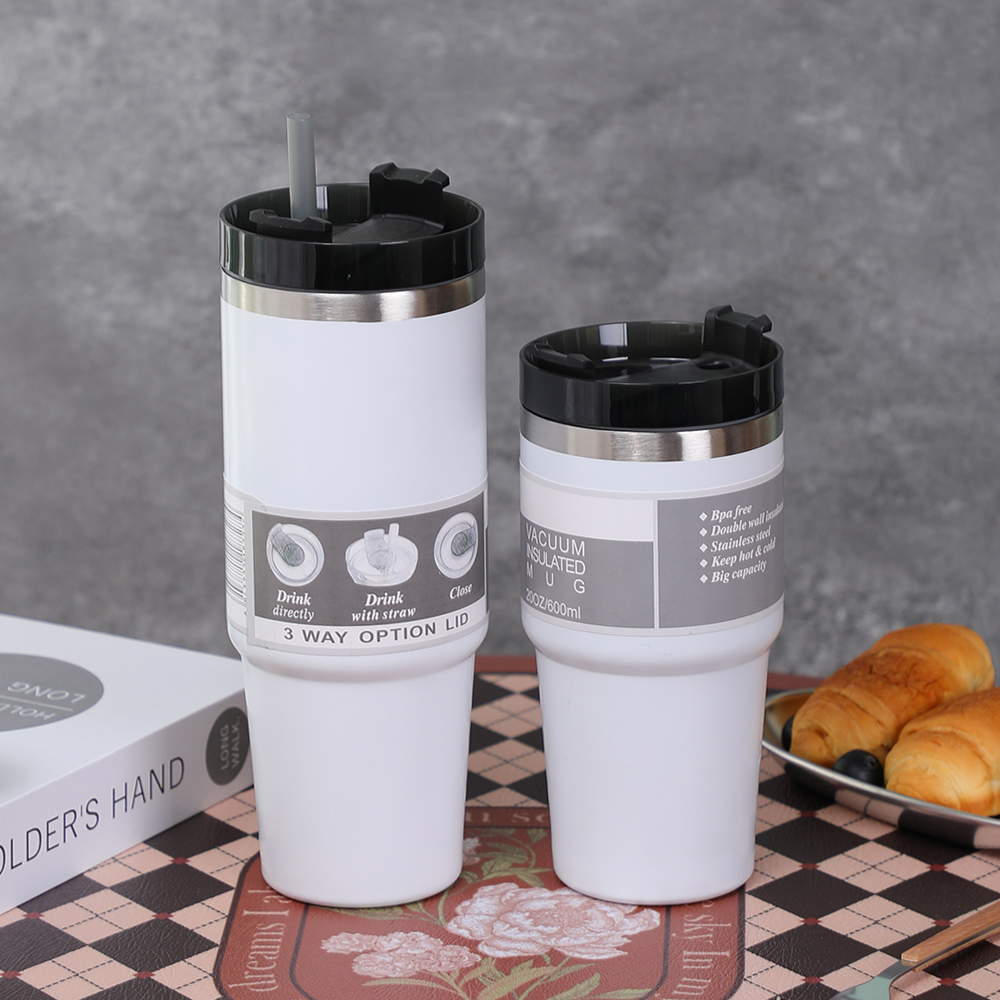
Investing in a high-quality Stainless Steel Cup transforms your morning routine. This material offers unmatched resilience and temperature control. It serves as the benchmark for premium drinkware globally. Let us examine the exact benefits and limitations.
Plastic drinkware remains incredibly popular worldwide. Manufacturers produce these items in massive quantities. They serve specific short-term needs exceptionally well. However, they carry hidden vulnerabilities requiring your attention. Understanding these trade-offs ensures better daily usage decisions.
We must compare these materials across strict functional categories. Real-world performance matters more than marketing claims. We base this evaluation on scientific consensus and daily usability. This structured comparison reveals the true winner for your specific lifestyle.
Independent scientific consensus clearly favors metal for long-term health. Tritan plastics successfully eliminated BPA from their manufacturing process. However, this material still requires various synthetic plasticizers for flexibility. High heat accelerates the breakdown of these chemical bonds. Stainless steel requires absolutely zero chemical plasticizers. It relies entirely on its natural metallic structure. This makes metal the inherently safer baseline for human health. You eliminate the risk of microplastic ingestion completely. Regulatory bodies globally recognize 18/8 steel as entirely food-safe. It provides peace of mind you simply cannot get elsewhere.
Comparing the product lifecycle reveals massive differences in material endurance. Metal containers often last an entire decade with proper care. They survive daily drops, harsh cleaning, and extreme environments. Plastic containers typically require replacement every few months. They suffer from rapid clouding and structural micro-cracking. Scratches accumulate quickly and harbor harmful mold. Throwing away degraded plastic contributes significantly to landfill waste. A single metal vessel outpaces dozens of plastic replacements over time. This makes the durable option a vastly superior environmental choice. It also eliminates the ongoing hassle of constantly researching replacements.
Parents face a uniquely frustrating material dilemma. Steel offers superior hygiene and indestructible performance. However, plastic provides necessary transparency and lighter carry weight. We recommend a hybrid approach for growing families. Use double-wall insulated metal for school commutes and outdoor travel. These environments demand maximum temperature retention and extreme durability. Switch to lightweight single-wall metal for indoor home use. You can also add thick silicone sleeves to the exterior base. This clever addition mitigates indoor drop hazards effectively. It protects your floors while maintaining excellent beverage purity.
| Performance Metric | Stainless Steel Cup | Plastic Cup |
|---|---|---|
| Temperature Retention | Excellent (up to 24 hours) | Poor (under 1 hour) |
| Impact Resistance | High (Dents but rarely breaks) | Moderate (Prone to cracking) |
| Chemical Stability | Exceptional (Zero leaching) | Vulnerable (Heat degradation) |
| Weight and Portability | Heavy | Extremely Light |
| Odor Resistance | Excellent (Non-porous) | Poor (Absorbs smells) |
Selecting the perfect vessel requires attention to specific manufacturing details. Many brands use confusing terminology to obscure poor material quality. You must know exactly what labels to verify. Follow these strict criteria to ensure a successful purchase.
First, prioritize absolute material verification. You must look explicitly for "18/8", "304", or "316" food-grade designations. These numbers indicate the exact chromium and nickel percentages. They guarantee superior corrosion resistance and flavor purity. Reject any product simply labeled as "metal" without specific grading. Generic labels often hide cheap aluminum or low-grade steel alloys. These inferior materials rust quickly and ruin beverage flavors.
Second, evaluate the lid and accessory quality thoroughly. A premium vessel remains only as good as its closure mechanism. Inspect the materials used in the lid and straw components. Look for high-grade silicone gaskets and BPA-free stoppers. You must ensure easy disassembly for routine deep cleaning. Complex lids trap moisture and grow mold rapidly. Simple, removable gaskets provide the safest daily drinking experience.
Third, decide on your preferred insulation type. Single-wall metal offers higher fluid capacity and lighter carry weight. However, it sweats heavily with ice and transfers heat immediately. Double-wall vacuum insulation completely eliminates surface condensation. It provides exceptional temperature retention but adds noticeable physical bulk. Choose vacuum insulation for daily commutes and outdoor adventures. Reserve single-wall options for basic indoor hydration needs.
Plastic containers clearly serve a purpose for short-term needs. They work well for large outdoor parties or immediate lightweight toddler requirements. However, they fail to provide long-term reliability or supreme safety. A food-grade metal vessel represents the objectively better choice. It secures your daily health by eliminating microplastic exposure. It preserves beverage quality through unmatched temperature retention. It also supports environmental responsibility by ending the disposable replacement cycle. You gain enduring peace of mind with every sip.
We encourage you to audit your daily hydration habits today. Stop accepting degraded materials and compromised flavors. Direct your attention toward vetted collections of 18/8 metal drinkware. Emphasize products offering robust warranties and extensive lid interchangeability. These specific features guarantee a lifetime of reliable performance. Make the switch today and elevate your entire hydration experience.
A: High-quality 18/8 or 316 stainless steel is non-reactive. It will not alter the taste of your beverage. A metallic taste usually indicates a low-grade alloy. It can also signal a damaged interior lining. Highly acidic liquids reacting in unlined, low-quality cups cause this issue. Always verify the material grade before purchasing.
A: Yes, they are highly recommended due to the lack of microplastics. Parents should opt for smaller sizes to manage the weight. Add silicone boots to prevent floor damage when dropped. You must also ensure the mouthpiece or straw consists of soft, food-grade silicone to protect their teeth.
A: It is heavily discouraged. Even microwave-safe or BPA-free plastics can degrade faster under high temperatures. This extreme heat increases the risk of chemical leaching into your coffee. It also leads to structural warping over time. Always use insulated metal or ceramic for hot beverages.
A: The steel body usually is, but caution is necessary. High-heat dishwashers can compromise the vacuum seal on double-walled cups. Intense water pressure can also strip exterior powder-coated paint. Always check manufacturer guidelines before loading. Handwashing is generally recommended for maximum longevity and appearance retention.
