




Call Us Now
Phone:
+86-137-2797-2500 
Views: 0 Author: Site Editor Publish Time: 2026-07-02 Origin: Site
Few things match the frustration of packing a carefully prepared meal only to find your bag ruined by unexpected spills. You hunt desperately for a genuinely reliable container. You want one surviving daily use without warping, absorbing strange odors, or mysteriously popping open during a chaotic commute. Consumers spend countless hours researching brands and reading reviews to find the perfect solution. However, this "leak-free" promise relies entirely on basic seal integrity. This vital seal is heavily dictated by your chosen core material. It depends heavily on how those specific materials handle thermal stress. Your dishwasher and microwave introduce massive temperature fluctuations. Our primary goal is to provide an objective, trade-off-focused comparison. We will explore exactly how different materials perform under sustained pressure. This comprehensive guide helps you make a confident, long-term purchasing decision. You can easily tailor your ultimate choice to fit your daily routine, stringent health standards, and practical functional needs.
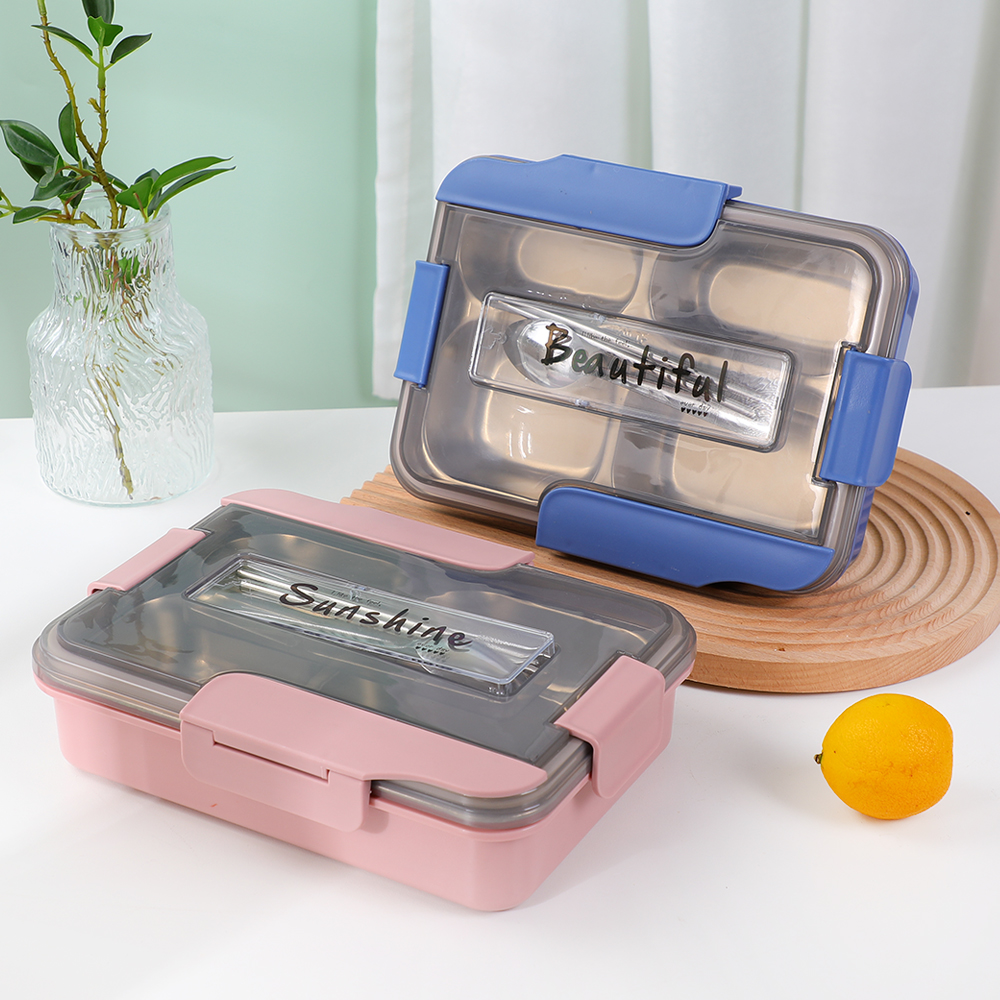
Many consumers mistakenly believe a rigid container simply snaps shut to block liquids. They assume tight plastic clips alone stop soups from spilling. In reality, no rigid material is inherently leakproof on its own. The actual magic happens out of sight, tucked securely inside the lid's inner channel. A highly reliable Leakproof Lunch Box always utilizes a dedicated, compressible sealing mechanism. Usually, manufacturers use a thick, food-grade silicone gasket. This gasket gets pressed tightly against the lower rim. Sometimes, they rely on a highly precise locking latch system. These latches create immense downward tension, forcing the silicone to flatten and fill every microscopic gap.
Over time, various materials respond quite differently to environmental stress. Plastic faces significant, unavoidable thermal degradation. Dishwasher heat repeatedly expands and contracts rigid plastic hinges. The structural rims slowly lose their original factory shape. This process happens gradually, almost invisibly. A plastic container might hold water perfectly on day one. By month six, micro-warping creates tiny, uneven gaps along the sealing edge. Liquid easily escapes through these invisible misalignments. You suddenly find dressing leaking into your bag.
Conversely, stainless steel boasts exceptional structural integrity. High-quality steel does not warp under normal household heat. It completely ignores the brutal, scalding temperatures of heavy-duty wash cycles. Its rigid frame stays permanently true to its original molded shape. Therefore, its liquid-blocking capability remains incredibly consistent year after year. You merely need to keep the flexible silicone gasket clean. You must ensure it remains properly seated in its groove. The metal itself never becomes the failure point.
Plastic remains the most common choice for many busy households. It offers immediate convenience, widespread availability, and familiar functionality. Store shelves feature countless colorful options. Let us examine exactly why people choose it consistently, and where it ultimately falls short in long-term applications.
For users aggressively prioritizing long-term health and environmental impact, metal containers present a highly compelling alternative. They do, however, demand a noticeable shift in how you plan and pack your daily meals.
Choosing the perfect container requires deep, honest reflection about your daily habits. You must ignore flashy marketing and focus on actual usage. Let us look at three common, highly specific scenarios to help guide your ultimate decision.
To simplify this complex evaluation, thoroughly review our summary chart below.
| Feature Category | Plastic Containers | Stainless Steel Containers |
|---|---|---|
| Overall Weight | Ultra-lightweight (Ideal for toddlers) | Noticeably heavier (Better for older users) |
| Microwave Safe | Yes (Primary advantage) | No (Causes dangerous sparks) |
| Structural Durability | Moderate (Highly prone to heat warping) | Exceptional (True buy-it-for-life quality) |
| Odor and Stain Resistance | Poor (Absorbs oils quickly) | Excellent (Completely non-porous) |
| Routine Cleaning Effort | Easy (But high heat degrades it fast) | Requires manual, careful seal cleaning |
Parents must focus heavily on their children's specific physical needs. Suppose a small child struggles with heavy items in their tiny bag. They might lack the finger dexterity for stiff, tight metal latches. In this specific case, specialized lightweight plastics become absolutely necessary for their independence. However, some kids are incredibly rough on their gear. They drop bags constantly onto concrete sidewalks. If they prefer eating cold lunches like sandwiches, cheese sticks, and fruit, metal shines brilliantly. A rugged steel box prevents you from desperately buying fragile replacements mid-semester.
Adult professionals often rely heavily on leftover hot dinners for their daily office lunch. If microwave access sits squarely at the core of your lunch routine, your options narrow instantly. Plastic becomes functionally mandatory for this lifestyle. Glass presents a brief alternative but adds terrifying fragility and immense, heavy bulk to your commuter bag. For someone needing piping hot food without carrying extra, specialized thermoses, metal becomes an instant, unavoidable dealbreaker.
Sustainability dramatically changes the entire purchasing calculation. We must compare the long-term environmental and financial impact of our routine choices. You can buy one premium, well-crafted metal container today. It easily lasts five full years of rigorous daily use. Contrast this against purchasing a brand new plastic box every single school year. The plastic ones crack, scratch, or warp repeatedly under normal stress. Over a five-year span, the eco-conscious buyer saves considerable global resources and personal frustration by choosing metal.
Every single material possesses inherent, unavoidable flaws. However, you can easily overcome these structural limitations by adopting smart, intentional handling practices. Follow these specific steps to maximize your chosen container's functional lifespan.
Ultimately, the vast consumer market offers no single universally perfect material. You can only discover the exact right material for your highly specific daily routine. Your personal lifestyle, commute, and dietary habits dictate the true winner.
Advise yourself clearly by asking one defining, critical question. Do I absolutely need to microwave this meal? If the answer is yes, you must peacefully accept the lifespan limits of plastic. You intentionally trade ultimate longevity for supreme heating convenience. If the answer is no, you should confidently invest in extreme durability. You gain incredible, lifelong safety and pristine hygiene by choosing metal.
Take a quiet moment to evaluate your current lunch packing habits thoroughly. Consider your personal tolerance for hand-washing delicate lids. Think critically about your young children's physical ability to handle sturdy metal latches. We strongly encourage you to explore our recommended lineup of rigorously vetted options. A truly high-quality Leakproof Lunch Box can fundamentally transform your daily meal experience, no matter which excellent material you ultimately select.
A: Yes, but only if they feature a high-quality, properly seated silicone seal and strong locking clips. The steel itself does not leak. However, the closure mechanism remains the primary fail-point. Always ensure the latches snap down securely to maintain the watertight barrier.
A: You must address this common maintenance risk proactively. We recommend removing the seal weekly. Wash it thoroughly with warm soapy water. You must ensure the seal is completely dry before reassembling the lid. Trapped moisture causes bacterial growth, so drying is essential.
A: While BPA-free labels indicate better safety, heat accelerates the breakdown of all plastics. This degradation can lead to microplastic ingestion. It may also release other substitute chemical plasticizers into your meal. We strongly recommend cooling your food entirely before packing it into any plastic container.
