




Call Us Now
Phone:
+86-137-2797-2500 
Views: 0 Author: Site Editor Publish Time: 2026-07-12 Origin: Site
As consumers and businesses aggressively phase out single-use plastics, the food storage market has fractured into competing premium materials. Today, glass and metal dominate this modern kitchen shift. Commercial kitchens widely adopt metal vessels for their strict sanitation properties and immense physical resilience. However, translating these industrial benefits to everyday consumer or meal-prep use involves specific practical trade-offs. You might wonder if heavy-duty materials truly fit a fast-paced household routine, especially when convenience is paramount. This comprehensive guide provides an objective, evidence-based evaluation of stainless steel containers. We unpack the realities of daily use, detailed maintenance requirements, and functional limitations. We also explore material comparisons to highlight exactly where these vessels shine. By evaluating these critical factors, you can better understand your own lifestyle needs and make a definitive, highly informed purchasing decision.
Structural durability stands as a massive advantage for premium meal prep. Metal completely eliminates the shattering risks inherent to glass containers. It also prevents the frustrating cracking and warping risks common to hard plastics. You can drop a metal box on a hard tile floor, and it simply survives the impact. Minor superficial dents might occur over time, but the vessel remains fully functional. Furthermore, you can safely place these units in deep chest freezers for months. They withstand severe temperature drops effortlessly. Their structural integrity remains completely intact, ensuring long-term reliability for rigorous daily routines.
Material stability provides incredible peace of mind regarding health compliance. Standard 18/8 (304) and 316 marine-grade options are inherently inert. They contain absolutely no BPA, BPS, or harmful phthalates. You will not find any petroleum-derived chemicals here. Such synthetic chemicals frequently migrate into food from cheaper alternative materials. Highly acidic meals, like rich tomato sauce or citrus vinaigrettes, remain perfectly safe during prolonged storage. The metal simply does not react or break down under highly acidic conditions. You never have to worry about synthetic compounds leaching into your lunch, meeting strict global food-grade standards.
Stainless steel containers offer exceptional weight-to-volume efficiency. They are significantly lighter than borosilicate glass vessels of the exact same volume. This characteristic makes them fundamentally superior for bulk transport and daily commutes. They excel during outdoor excursions, hiking trips, and long commutes on public transit. You carry more actual food and much less heavy packaging. A backpack filled with glass quickly becomes exhausting to carry. Using lighter metal materials drastically reduces shoulder strain and makes daily meal carrying highly manageable.
Commercial kitchens rely heavily on this exact hygienic maintenance standard. The surfaces of high-quality metal remain completely non-porous at a microscopic level. This exceptionally smooth finish resists bacterial harboring highly effectively. You completely avoid the notorious, stubborn grease film frequently experienced on plastic Tupperware. Odor retention becomes a frustrating problem of the past. Strong-smelling foods like garlic, onions, or heavy curries leave zero trace behind. A quick wash restores the interior to a pristine, odor-free state every single time, reflecting strict National Sanitation Foundation (NSF) preferences.
Microwave incompatibility remains the absolute most significant operational drawback. You cannot safely heat metal inside standard household microwaves. Users must manually transfer cold food to a secondary ceramic plate or glass bowl. This extra step drastically reduces convenience for quick office lunches. If your daily routine relies heavily on microwave heating, this friction becomes highly noticeable. Washing an extra plate every afternoon defeats the primary purpose of streamlined meal prep. You must carefully evaluate how often you actually eat hot meals away from home.
Visual opacity creates entirely new organization challenges within your refrigerator. You cannot easily see the contents at a quick glance. This creates notable friction in large batch-prep scenarios. Deep freezer storage also becomes slightly frustrating when searching for specific meals. Users frequently require physical labeling systems to properly manage their inventory. Dry-erase markers, masking tape, and specialized sticky labels become necessary kitchen tools. Without a reliable labeling system, you risk forgetting what you stored. This opacity can inadvertently lead to increased household food waste.
Thermal conductivity presents a minor handling challenge for hot liquids. Single-wall construction transfers internal heat very rapidly to the exterior. Holding a metal bowl full of boiling hot soup requires extreme caution. You might easily burn your bare hands without proper care or a protective towel. Double-walled or vacuum-insulated options easily solve this specific thermodynamic issue. However, they add substantial physical bulk and weight to your storage setup. Insulated versions also reduce the internal storage volume significantly, forcing a compromise on space.
High upfront resource requirements present a notable barrier to entry for many consumers. Acquiring premium materials requires a larger initial commitment compared to standard baseline alternatives. Users looking to overhaul an entire pantry system face immediate hurdles. Replacing a complete, multi-piece meal-prep setup all at once demands careful logistical planning. You must mentally weigh this initial acquisition barrier against the extended lifetime utility. While they undoubtedly last much longer, jumping into a fully metal ecosystem takes deliberate effort and conviction.
We must weigh each material objectively against daily workflow demands. Different lifestyles demand distinctly different storage solutions. Below is a detailed breakdown of the primary material options available today to help you understand the landscape.
Plastic (The Baseline): Plastic represents the highly accessible baseline choice. It offers unmatched heating convenience and perfectly transparent walls. You can microwave it effortlessly at work or home. Risk: The material degrades rapidly over time and repeated use. It warps easily in hot residential dishwashers. Users face a high risk of chemical leaching when heating oily foods. Microplastic shedding occurs continuously as the interior surface slowly breaks down from knife cuts and forks.
Glass (The Hybrid): Glass acts as the highly versatile hybrid option. It is entirely microwave and oven safe for easy reheating. The thick walls remain transparent and strictly non-toxic. Risk: Glass is undeniably heavy and cumbersome to carry daily. A high breakage risk severely limits its travel utility. Poor portability makes it less ideal for long public transit commutes. Dropping it once usually destroys the vessel completely, creating a dangerous mess.
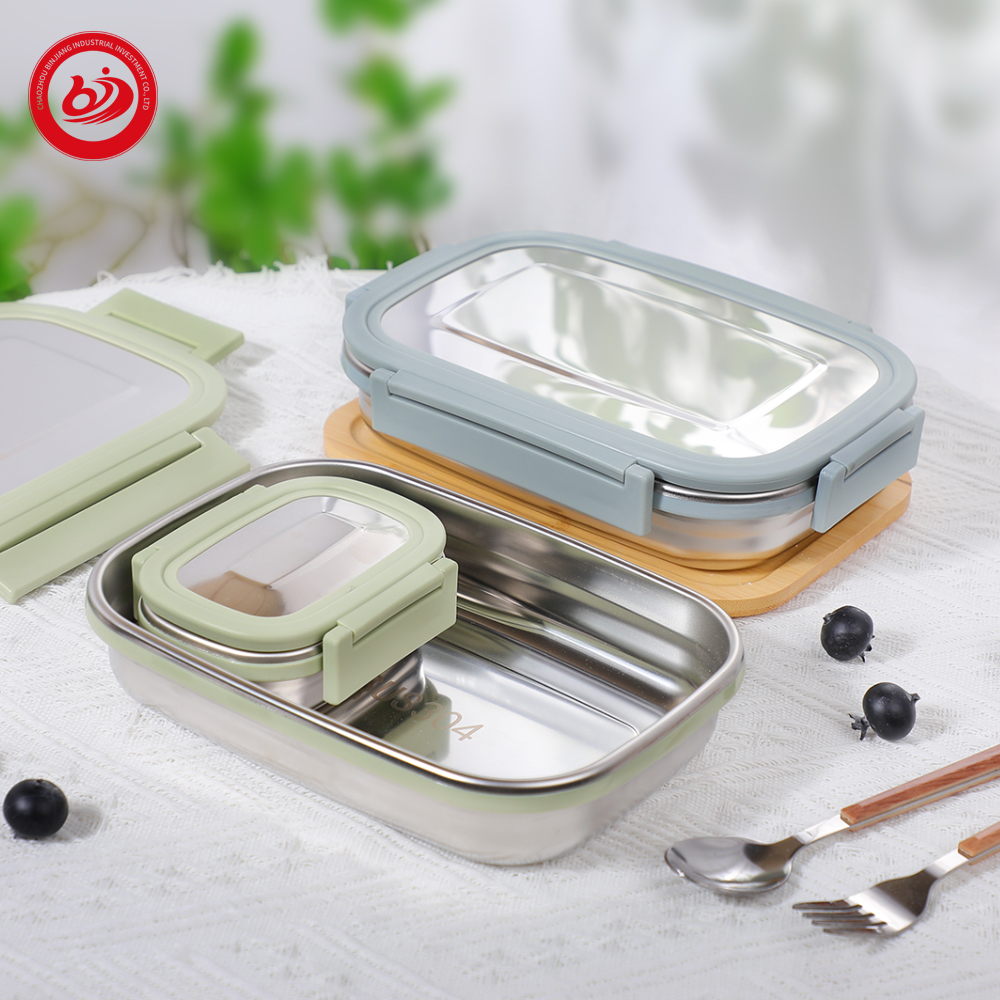
Stainless Steel (The Heavy-Duty Standard): Metal represents the ultimate heavy-duty standard. It delivers maximum physical durability while remaining surprisingly lightweight. You experience absolute zero chemical leaching, regardless of food acidity. It is highly optimal for cold storage, fresh salads, or dry pantry goods. Risk: It offers absolute zero microwave utility. The walls remain completely opaque. It requires a higher upfront resource commitment to build a proper, unified collection.
| Feature Category | Plastic Containers | Glass Containers | Stainless Steel Containers |
|---|---|---|---|
| Microwave Safe | Yes | Yes (and Oven Safe) | No |
| Portability (Weight) | Very Light | Very Heavy | Light |
| Physical Durability | Low (Warps, Stains easily) | Low (Shatters on impact) | Maximum (Shatterproof) |
| Toxicity Risk | High (Leaching potential) | Zero | Zero |
| Visual Organization | Transparent | Transparent | Opaque (Requires labels) |
Choosing the absolute best product requires careful attention to subtle manufacturing details. Follow these precise steps to evaluate your available options effectively.
Certain household lifestyles align perfectly with these premium vessels. Others may find their specific functional limits quite frustrating. Assessing your daily routine prevents mismatched expectations.
Start your kitchen transition with a slow, phased rollout. Purchase a small three-piece set first. Use them exclusively for specific tasks like packing cold salads, carrying dry snacks, or organizing pantry staples. Test your lifestyle compatibility thoroughly before committing to a full kitchen replacement. This cautious approach ensures you actually enjoy utilizing the material daily.
Final verdict: Premium metal storage vessels function as outstanding, buy-it-for-life household assets. They perform brilliantly provided your daily workflow does not heavily depend on microwave heating. They succeed dramatically by eliminating the rapid replacement cycles of standard plastics. They completely remove the dangerous fragility inherently associated with glass storage. You trade immediate visual clarity and heating convenience for absolute structural durability. Assess your daily cooking routine today. Identify which specific meals do not require reheating. Start by replacing those particular plastic vessels first. Enjoy a safer, more resilient, and highly dependable kitchen setup for years to come.
A: High-quality stainless steel containers made from 304 and 316 grades strongly resist rust. They contain chromium and nickel to prevent corrosion. However, surface rust can occasionally appear. This usually stems from hard water deposits or harsh dishwasher detergents. You can easily buff this away using a simple baking soda paste. Avoid using bleach, as it permanently damages the protective chromium layer.
A: Yes, they perform exceptionally well in deep freezers. The metal will not crack or warp under extreme cold. However, liquids expand as they freeze. You must leave adequate headspace inside the vessel. Overfilling can cause rigid lids to pop open or silicone seals to fail under mounting pressure.
A: Yes, food-grade silicone remains highly stable. It does not contain petroleum-based chemicals, BPA, or phthalates. Silicone withstands extreme temperature fluctuations without leaching toxins into your meals. It acts as a much safer, non-toxic sealing alternative compared to traditional petroleum-derived plastics.
A: Silicone can occasionally absorb strong food odors. To remove these smells, physically remove the gasket from the lid. Soak the silicone ring in a mixture of warm water and white vinegar for thirty minutes. Alternatively, scrub it gently with a baking soda paste. Rinse thoroughly and let it air dry completely.
