


Call Us Now
Phone:
+86-137-2797-2500 
Views: 0 Author: Site Editor Publish Time: 2025-12-08 Origin: Site
Are plastic bento lunch boxes safe for daily use? Many wonder if stainless steel offers a healthier alternative. Choosing the right bento lunch box matters for your office lunch. In this post, you’ll learn about stainless steel and plastic options, BPA-free concerns, and why design and durability count. We’ll also explore which bento lunch box suits your needs best.
BPA (Bisphenol A) is a chemical often found in plastics. It can seep into food and drinks, especially when containers heat up. BPA exposure links to health problems like hormone disruption. Choosing a BPA-free bento lunch box means avoiding this risk. Plastic lunch boxes labeled BPA-free use safer materials, but caution remains necessary because some plastics may still release other chemicals.
Stainless steel bento boxes stand out for chemical safety. They are made from food-grade metals that don't react with food or release toxins. Unlike plastic, stainless steel won’t leach harmful substances, even when holding hot or acidic foods. Plastic lunch boxes, even BPA-free, may degrade over time, especially if scratched or heated repeatedly, increasing chemical leaching risks.
Stainless Steel: Usually 18/8 or 304-grade stainless steel, both non-toxic and corrosion-resistant. This steel grade is smooth and non-porous, preventing bacteria buildup and making cleaning easier.
Plastic: Commonly made from food-grade polypropylene (PP) or Tritan, a BPA-free plastic. These materials are designed to be safe but vary in durability and chemical stability.
Plastic can leach chemicals like BPA, phthalates, or microplastics, especially when heated or scratched. These chemicals may affect health over time, particularly for children or pregnant women. Stainless steel avoids this problem completely. It does not react with food or liquids, making it the safer option for long-term use. It also resists stains and odors, which can harbor bacteria in plastic containers.
| Aspect | Stainless Steel Bento Box | Plastic Bento Box |
|---|---|---|
| Chemical Safety | Non-toxic, no leaching | Risk of chemical leaching if damaged |
| Heat Resistance | Safe with hot/acidic foods | Can degrade, release chemicals |
| Material Durability | Highly durable, resists scratches and dents | Prone to scratching and cracking |
| Cleaning & Hygiene | Non-porous, easy to clean | Can absorb stains and odors |
Choosing a stainless steel bento lunch box means prioritizing health and safety by eliminating chemical exposure risks. Plastic options can be safe if BPA-free and well-maintained, but stainless steel remains the gold standard for chemical safety.
Note: Always verify that plastic lunch boxes are labeled BPA-free and food-grade to minimize health risks when selecting plastic options.
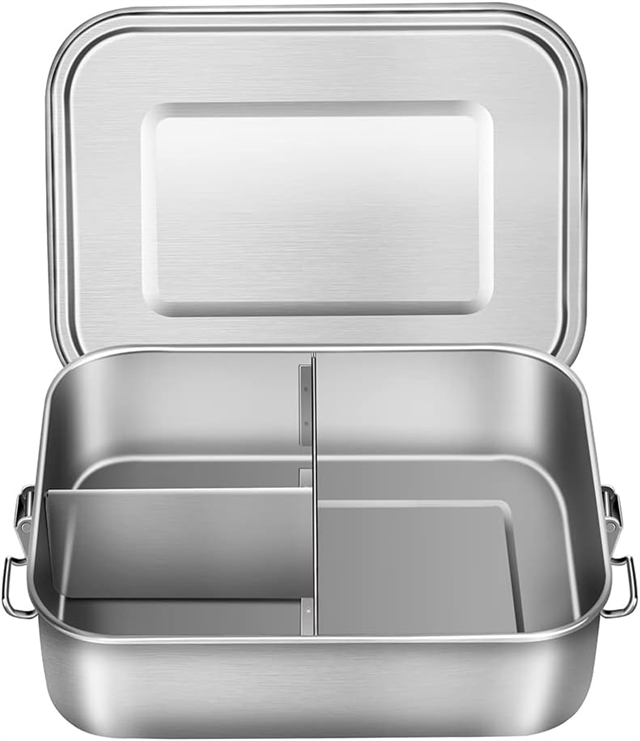
Stainless steel bento lunch boxes are known for their exceptional durability. Made from high-quality 18/8 or 304-grade stainless steel, they resist dents, cracks, and scratches. This metal is tough enough to handle daily drops, bumps, or pressure inside bags without losing shape or function. Its non-porous surface also prevents bacteria buildup and staining, keeping the box looking new for years. Many stainless steel boxes come with reinforced edges and sturdy lids that stay secure over time, making them ideal for busy office workers who need a reliable container.
Plastic bento lunch boxes, while lightweight and affordable, often face durability challenges. Over time, they can crack, chip, or warp, especially if dropped or exposed to heat repeatedly. Plastic lids may lose their seal, causing leaks. Scratches on the surface can trap food particles and odors, making cleaning harder and potentially unsafe. Some plastics discolor or stain from oily or acidic foods. These wear and tear issues usually mean plastic boxes need replacement more often, which can add up in cost and waste.
When comparing impact resistance, stainless steel clearly outperforms plastic. It absorbs shocks without breaking or deforming. Plastic, conversely, is prone to fractures and breakage under impact. Regarding lifespan, stainless steel lunch boxes can last for many years, often a lifetime if cared for properly. Plastic boxes typically last a few years before showing signs of damage or wear. This longevity difference makes stainless steel a better investment for those seeking durability.
Though stainless steel bento boxes usually cost more upfront, their long lifespan and durability make them cost-effective over time. You avoid frequent replacements and the hassle of dealing with damaged containers. Plastic boxes are cheaper initially but may require multiple purchases due to wear, damage, or loss of functionality. For office lunches, where a dependable container is essential, investing in stainless steel often saves money and reduces waste in the long run.
Tip: Choose stainless steel bento lunch boxes for long-term durability and fewer replacements, especially for busy office environments where reliability matters most.
Square bento lunch boxes offer a smart design that helps with portion control and efficient packing. Their straight edges and corners make it easier to fit food neatly without wasted space. Unlike round containers, square boxes stack well in bags or refrigerators, maximizing storage. This shape also allows for better separation of different foods, preventing mixing and preserving flavors. For office lunches, where space in bags can be limited, square boxes provide practical benefits by making meal prep and transport simpler.
Plastic bento lunch boxes come in a wide range of fun designs that appeal to kids. Bright colors, cartoon characters, and playful patterns make lunchtime exciting for children. Many plastic boxes feature compartments shaped in creative ways, like stars or hearts, to keep kids interested in their meals. These designs often include easy-to-open lids and snap locks tailored for small hands. The variety helps parents find a box that matches their child’s personality and preferences, encouraging them to enjoy their food and develop good eating habits.
Stainless steel bento boxes may seem plain at first, but many brands now offer stylish customization options. You can find boxes with colorful silicone lids, removable dividers, and magnetic accessories to personalize the look. Some manufacturers provide engraving services or attachable magnets to add flair. These options make stainless steel boxes more appealing and suitable for adults who want a sleek, modern lunch container. While they may not have as many playful designs as plastic, stainless steel boxes balance style and professionalism, perfect for office environments.
Both stainless steel and plastic bento boxes focus on ease of use, but they differ in lid and compartment design. Plastic boxes often have snap-on lids with silicone seals that provide excellent leak-proof performance, ideal for carrying soups or sauces. They usually feature multiple compartments to separate foods, and their lids are designed for quick opening and closing, which suits kids and busy adults alike.
Stainless steel boxes use tight-fitting lids, sometimes with silicone gaskets, to prevent leaks. Their compartments are often removable, making cleaning easier. However, some stainless steel lids require pressing down on all sides to seal properly, which can be tricky for children. Overall, both materials offer practical features, but plastic tends to be more user-friendly for younger users, while stainless steel appeals to those valuing durability and a secure seal.
Stainless steel lunch boxes tend to be heavier than plastic ones. This is because stainless steel is a dense metal, adding weight even before food is packed. Plastic bento boxes, made from lightweight materials like polypropylene or Tritan, feel much lighter in hand. For example, an average stainless steel bento box weighs around 1 to 1.5 pounds empty, while a plastic box of similar size may weigh less than half a pound.
Weight plays a big role when carrying lunch daily, especially for those commuting or walking long distances. A heavier stainless steel box can add strain, particularly if combined with other items like laptops or gym bags. Kids may find heavier lunch boxes tiring to carry, which can affect their comfort and willingness to bring lunch from home. On the other hand, plastic boxes are easier to carry but might be less durable.
Both stainless steel and plastic bento boxes come in various sizes and shapes. Square and rectangular boxes fit well into bags and backpacks. Some plastic boxes have built-in handles or grips, making them easy to carry or hang. Stainless steel boxes might lack handles but often have compact designs that fit snugly in bags. Sizes vary from small snack boxes to larger multi-compartment containers, so choosing the right size impacts portability.
Short Commute or Desk Use: Stainless steel boxes work well if you carry a bag with some weight capacity. Their durability and insulation can outweigh the extra weight.
Long Commute or Walking: Plastic bento boxes are better for lighter carrying, reducing fatigue.
Kids: Lightweight plastic boxes with easy-to-open lids are more suitable for younger children.
Multiple Containers: If packing multiple boxes, consider lighter plastic options or stainless steel with slim profiles.
Portability Features: Look for boxes with handles or compact shapes to ease carrying.
Tip: For daily office lunches involving long commutes, choose a bento box balancing weight and durability—lightweight plastic suits longer carries, while stainless steel fits shorter trips with higher durability needs.
Stainless steel bento lunch boxes often feature double-wall or vacuum insulation. This design traps heat inside, keeping food warm for 4 to 6 hours. The metal’s natural properties help maintain temperature better than plastic. So, if you pack a hot meal in the morning, it’s still pleasantly warm by lunchtime. This makes stainless steel ideal for office workers who prefer hot homemade meals without needing a microwave.
Plastic bento boxes usually lack advanced insulation. Most are single-layer, so they cool down quickly—often within 1 to 2 hours. Plastic doesn’t hold heat well because it’s thinner and less dense than steel. Even insulated plastic boxes rarely match the thermal performance of stainless steel. If you rely on plastic, your hot meal may turn lukewarm or cold by lunch, impacting taste and enjoyment.
Temperature control is more than comfort—it’s about safety. Warm food kept at unsafe temperatures can grow bacteria, risking foodborne illness. Stainless steel’s insulation helps keep food at safer temperatures longer. It also preserves flavors and textures, so your meal tastes fresh. Plastic’s quick cooling can make food soggy or stale, reducing meal quality and potentially increasing health risks.
Hot Meals: Stainless steel is the clear winner. Its insulation keeps soups, rice, and stews warm without reheating. Perfect for office workers or those on the go who want a comforting hot lunch.
Cold Meals: Plastic boxes work fine for salads, sandwiches, or fruit. Their lightweight design makes carrying easier, and temperature retention is less critical.
Mixed Meals: Some stainless steel boxes come with compartments, keeping hot and cold foods separate while maintaining temperature better than plastic.
Tip: For office lunches where food warmth and freshness matter, choose insulated stainless steel bento boxes to enjoy safe, tasty meals without reheating hassles.
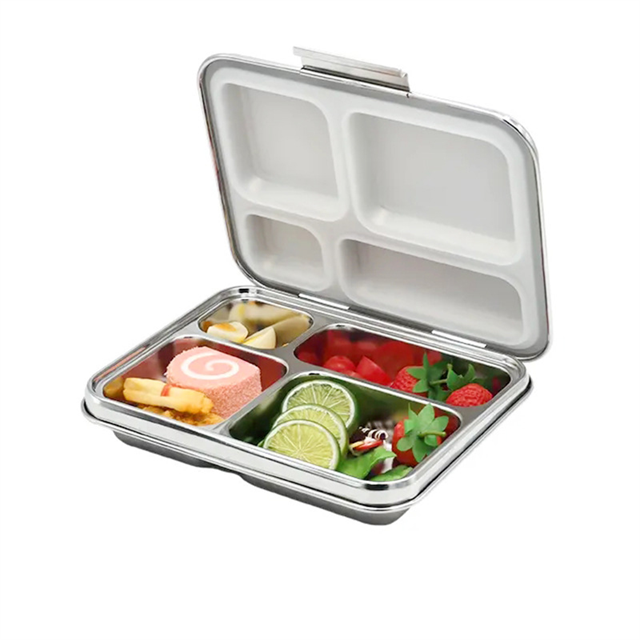
Stainless steel bento lunch boxes are champions of eco-friendliness. They are made from recyclable materials that can be reused endlessly without losing quality. Unlike plastic, stainless steel doesn’t break down into harmful microplastics that pollute oceans and soil. Its durability means fewer replacements, which reduces waste over time. Choosing stainless steel supports a circular economy, where materials stay in use longer, cutting down the need for new resources. Many manufacturers also use recycled steel, further lowering environmental impact.
Plastic bento lunch boxes contribute significantly to environmental problems. Most plastics come from fossil fuels and take hundreds of years to decompose in landfills. When plastic boxes break or get discarded, they often end up as litter or in oceans, harming wildlife. Even when recycled, plastic quality degrades, limiting reuse options. The production process also emits greenhouse gases and consumes non-renewable resources. Single-use or short-lived plastic lunch boxes add to the global plastic pollution crisis, making them a less sustainable choice for daily use.
Stainless steel offers superior recyclability compared to plastic. It can be melted down and reformed repeatedly without losing strength or purity. This closed-loop recycling helps conserve raw materials and energy. In contrast, plastic recycling is often downcycling, where the material quality diminishes after each cycle, eventually becoming non-recyclable waste. Also, many plastic lunch boxes contain mixed materials (like silicone seals or painted surfaces), complicating recycling. Stainless steel’s simple composition makes it easier to recycle and more sustainable in the long run.
Selecting a bento lunch box manufacturer committed to green practices amplifies sustainability benefits. Look for companies that:
Use recycled or eco-certified materials.
Employ energy-efficient production methods.
Minimize packaging waste or use biodegradable packaging.
Offer product take-back or recycling programs.
Support social responsibility and environmental certifications.
Manufacturers embracing these practices help reduce the overall carbon footprint and ensure their products align with eco-conscious values. Partnering with such suppliers benefits businesses aiming to promote sustainability in their employee wellness or corporate gifting programs.
Stainless steel bento lunch boxes are a breeze to clean. Their smooth, non-porous surface resists sticking, so food residue washes off easily. You can scrub them well without worrying about scratches or damage. Most stainless steel boxes are dishwasher safe, making cleanup quick and hassle-free for busy office workers or parents.
Plastic bento lunch boxes, while generally easy to wash, can be trickier. Over time, they may develop scratches that trap food particles and stains. Some plastics absorb oils and colors from sauces, making odors linger even after washing. Not all plastic boxes are dishwasher safe, and harsh scrubbing can cause damage or accelerate wear.
Stainless steel naturally resists stains and odors. Its non-porous metal surface doesn’t absorb smells from strong spices or oily foods. This means your lunch box stays fresh and clean longer, without holding onto last week’s curry scent. It’s a big plus for those who pack varied meals daily.
Plastic boxes often struggle here. They can absorb colors from tomato sauce, curry, or berries, leaving permanent stains. Odors from pungent foods like garlic or fish sometimes linger despite washing. This can affect taste and hygiene, especially if you reuse the box without thorough cleaning.
Most stainless steel bento boxes are dishwasher safe and can handle high temperatures without warping or discoloring. To maintain their shine, rinse immediately after use and avoid abrasive cleaners. Dry thoroughly to prevent water spots.
Plastic boxes vary. Some are dishwasher safe, but repeated cycles may cause warping or fading. Always check manufacturer instructions. Hand washing with mild soap and soft sponges is safer for plastic boxes to prolong their life.
Choose stainless steel if you want a low-maintenance lunch box that stays clean and odor-free with minimal effort.
For plastic boxes, wash promptly after use to prevent stains and smells from setting in.
Use removable compartments or silicone seals wisely; clean them separately to avoid mold buildup.
Consider dishwasher-safe models if you lack time for hand washing.
For kids, plastic boxes with easy-to-open lids may save frustration but require more care to keep fresh.
Tip: Opt for stainless steel bento lunch boxes to enjoy easy cleaning, stain resistance, and long-lasting freshness—ideal for busy professionals and parents juggling tight schedules.
Stainless steel bento lunch boxes offer superior durability, chemical safety, and insulation for hot meals. Plastic boxes are lighter and come in fun designs, ideal for kids and short commutes. Adults seeking long-lasting, eco-friendly options benefit most from stainless steel. Those prioritizing weight and colorful styles may prefer plastic. When choosing, look for quality, ease of cleaning, and reliable manufacturers. Binsly provides high-quality stainless steel bento boxes that combine safety, style, and sustainability, perfect for office lunches.
A: A BPA Free Bento Lunch Box is made without Bisphenol A, a harmful chemical in some plastics. Choosing BPA-free ensures safer food storage, reducing health risks from chemical leaching.
A: Stainless steel bento lunch boxes are more durable, resisting dents and scratches, while plastic boxes can crack or warp over time.
A: Yes, square bento lunch boxes maximize space and portion control, making them practical for efficient packing and storage.
A: Plastic bento lunch box kids enjoy often feature colorful, fun designs and easy-to-open lids suited for small hands.
A: Stainless steel bento lunch boxes are easy to clean, dishwasher safe, and resist stains and odors, making them low maintenance for office use.
