


Call Us Now
Phone:
+86-137-2797-2500 
Views: 0 Author: Site Editor Publish Time: 2025-12-10 Origin: Site
Looking for the perfect Bento Lunch Box? Choosing between plastic and stainless steel can be tricky.Bento boxes blend tradition with modern convenience. They offer organized, portable meals for every lifestyle.In this post, you’ll learn about plastic bento lunch boxes for kids, BPA-free options, and top durable, leak-proof models.
Plastic bento lunch boxes often come in vibrant colors and lightweight designs. They usually feature multiple compartments to keep foods separate, some with removable or adjustable dividers. Many are microwave- and dishwasher-safe, making reheating and cleaning easy. Some models include silicone seals or gaskets to enhance leak-proof performance. Plastic boxes often come with built-in utensils or slots to store them.
Advantages:
Lightweight and easy to carry.
Usually more affordable than stainless steel.
Microwave-safe options available.
Variety of designs, colors, and compartment layouts.
Dishwasher-safe for convenient cleaning.
Drawbacks:
Prone to staining and retaining odors, especially from tomato-based or oily foods.
Can scratch or crack over time.
Some plastics may warp if exposed to high heat.
Silicone seals might degrade or stain.
Generally less durable than stainless steel.
Stainless steel bento boxes offer a sleek, durable alternative. They often have fewer compartments, sometimes with removable dividers made of the same metal. These boxes resist staining and odors and can last for many years without significant wear. Many feature silicone gaskets to help with leak resistance, though most are not fully leakproof. Stainless steel bento boxes are usually dishwasher-safe but not microwave-safe.
Advantages:
Highly durable and resistant to dents or scratches.
Do not retain food odors or stains.
Often dishwasher-safe.
Eco-friendly and long-lasting.
Some models are lightweight despite their metal construction.
Drawbacks:
Typically not microwave-safe.
Can be heavier than plastic options.
Usually more expensive upfront.
Not always fully leakproof, especially between compartments.
Limited color and design options.
When it comes to durability, stainless steel clearly outperforms plastic. It withstands drops and daily wear without cracking or warping. Plastic boxes may show signs of wear sooner, especially if exposed to heat or harsh cleaning. However, plastic bento boxes often excel in portability due to their lighter weight and sometimes slimmer profiles.
Leak-proof performance varies by model rather than material alone. Some plastic boxes feature silicone seals that provide excellent leak resistance, while many stainless steel boxes rely on tight-fitting lids but may lack full leakproof guarantees.
In terms of cleaning, both materials can be dishwasher-safe, but plastic boxes might require more careful handling to avoid warping. Stainless steel boxes are easier to sanitize and maintain odor-free.
Ultimately, the choice depends on your priorities: stainless steel for durability and longevity, plastic for lightweight convenience and microwave use.
Tip: For B2B buyers, consider stainless steel bento boxes if durability and long-term cost savings matter, but choose high-quality plastic options when microwave use and lightweight portability are essential.
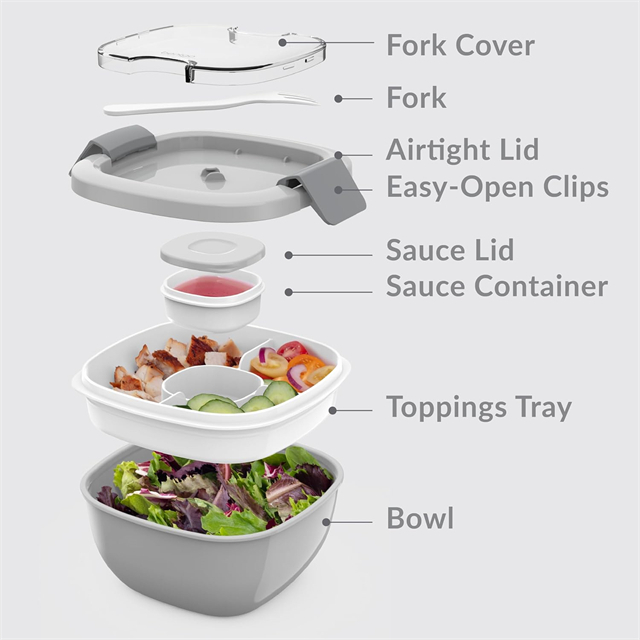
When choosing a bento lunch box, the manufacturer’s reputation often signals quality, durability, and thoughtful design. Leading brands excel in combining functionality with style, using materials that meet safety standards and delivering features like leak-proof seals and portability.
Some top manufacturers include:
Bentgo: Known for kid-friendly, BPA-free plastic bento boxes with multiple compartments and reliable leak-proof seals. Their boxes often come in bright colors and fun patterns, making them popular for school lunches.
Lunchbots: Specializes in stainless steel bento boxes that are durable and eco-friendly. These boxes offer various compartment configurations and are dishwasher-safe, though not always leak-proof.
Ecolunchboxes: Offers stainless steel and BPA-free plastic options. Their products emphasize durability and sustainability, with stackable designs and secure lids.
Monbento: A French brand recognized for sleek, modern designs combining BPA-free plastic and silicone seals. Their bento boxes often feature airtight compartments and microwave-safe materials.
Planetbox: Produces stainless steel bento boxes with multiple compartments, including leak-proof containers for liquids. Known for longevity and customization options.
Takenaka: Offers stackable, microwave-safe plastic bento boxes with removable dividers and elastic bands for secure transport.
Each manufacturer brings unique strengths, catering to different needs such as kid-friendly features, eco-conscious materials, or advanced leak-proof technology.
Here are a few standout models from these manufacturers:
Bentgo Kids Bento Box: Lightweight, durable, with five compartments tailored for children. Features rubberized edges for drop resistance and child-friendly latches.
Lunchbots Trio and Quad: Stainless steel boxes with three or four compartments. Durable and dishwasher-safe, though not fully leak-proof.
Ecolunchboxes 3-in-1 Stainless Steel: Three stacking compartments with secure clips. Highly durable but not leak-proof.
Monbento MB Original: Two-tiered BPA-free plastic box with airtight lids and a small food cup. Microwave- and dishwasher-safe.
Planetbox Rover: Stainless steel with multiple compartments and leak-proof containers for sauces or yogurt. Comes with a secure clip and optional insulated bag.
Takenaka Bento Bite Dual: Two-tiered BPA-free plastic box with removable dividers and elastic band. Microwave- and dishwasher-safe.
These models are favored for their balance of durability, leak resistance, and portability.
Manufacturer reputation is a key factor influencing bento box quality. Trusted brands invest in rigorous testing, use high-quality materials, and provide warranties or customer support. This reduces the risk of issues like cracking lids, seal failures, or material degradation.
For example, Bentgo’s customer service is praised for replacing damaged parts, which enhances user confidence. Likewise, Lunchbots’ stainless steel boxes have proven longevity, lasting many years without dents or rust. Brands like Monbento emphasize premium materials and stylish designs, appealing to users who want both function and aesthetics.
Conversely, lesser-known manufacturers might offer lower prices but may lack consistent quality control, leading to problems with leak-proof seals or material safety. Choosing reputable brands ensures compliance with safety standards, such as BPA-free plastics and food-grade stainless steel.
In summary, selecting a bento lunch box from a well-regarded manufacturer often guarantees better durability, safer materials, and superior leak-proof performance, making it a worthwhile investment for daily use.
Square bento lunch boxes offer several advantages compared to round or irregularly shaped containers. Their straight edges and flat surfaces make packing more efficient, maximizing space inside bags or backpacks. Square shapes fit neatly alongside other items, avoiding wasted space caused by curves. This design also simplifies stacking multiple boxes, which is ideal for storing or carrying several meals.
Additionally, square boxes provide a modern, minimalist aesthetic that appeals to many users. They often appear more organized and structured, which can help in portion control and meal planning. The corners of square boxes also help keep foods separated better than round ones, reducing the chance of mixing flavors unintentionally.
Square bento boxes typically feature multiple compartments, allowing users to separate different food items. These compartments come in fixed or adjustable designs. Adjustable dividers enable customization, so you can fit larger or smaller portions as needed. Some models include removable inserts, offering even more flexibility.
The compartment layout in square bento boxes supports a balanced meal approach, encouraging inclusion of proteins, carbs, and vegetables separately. This separation keeps foods fresh and prevents sogginess. For example, a larger compartment can hold a sandwich or rice, while smaller compartments can hold fruits, nuts, or sauces.
Versatility is key for square bento boxes. They can accommodate a variety of cuisines and meal types, from traditional Japanese bentos to Western-style lunches. Some even have special compartments designed for utensils or sauce containers, enhancing convenience.
Square bento boxes excel in portability due to their compact and uniform shape. Their flat sides prevent rolling and sliding inside bags, reducing the risk of spills. Many come with secure locking lids and silicone seals, adding leak-proof protection.
Storage is easier too. Square boxes stack efficiently in kitchen cabinets or refrigerators, saving space. Their shape fits well in lunch bags designed with rectangular compartments or insulated carriers.
Because of their shape, square bento boxes often have a slimmer profile, making them lighter and easier to carry. Some models include elastic bands or snap closures to keep the box tightly shut during transit.
Overall, square bento lunch boxes combine practicality and style, making them a popular choice for daily meal transport.
BPA, or Bisphenol A, is a chemical often used in plastics and resins. It can seep into food and drinks from containers made with BPA, raising health concerns. A BPA-free bento lunch box means the plastic used does not contain this chemical, reducing potential risks. These boxes use safer alternatives that don’t leach harmful substances into your meals, especially when heated or exposed to sunlight.
Choosing BPA-free bento boxes helps protect you and your family from hormone disruption linked to BPA exposure. Studies suggest BPA can affect brain development, reproductive health, and increase risk of certain diseases. Using BPA-free containers reduces these risks, providing peace of mind. They are especially important for kids, pregnant women, and anyone who frequently uses plastic containers for food storage or reheating.
Many top brands offer BPA-free options, combining safety with durability and leak-proof features:
Bentgo Kids Bento Box: Lightweight, colorful, and made from BPA-free plastic. It has secure latches and leak-proof seals, ideal for children.
Monbento MB Original: Stylish two-tiered box made with BPA-free plastic and silicone seals. Microwave- and dishwasher-safe.
Bentgo Salad Container: Designed for salads, it’s BPA-free and has multiple compartments with a leak-proof dressing container.
Takenaka Bento Bite Dual: Stackable, BPA-free plastic box with removable dividers and an elastic band for secure closure.
These models are widely praised for combining safety, practicality, and style.
To ensure a bento box is truly BPA-free, check for:
Labels or certifications: Look for “BPA-free” printed on packaging or the product itself.
Manufacturer information: Reputable brands clearly state BPA-free status on their websites or product descriptions.
Material type: Plastics like polypropylene (PP) and polyethylene (PE) are usually BPA-free. Avoid polycarbonate plastics marked with recycling code #7, which may contain BPA.
Third-party testing: Some manufacturers provide lab test results verifying BPA absence.
Customer reviews: Feedback often highlights if a product is indeed BPA-free and safe.
Avoid buying from unknown sources lacking clear BPA-free claims. When in doubt, opt for stainless steel or glass options for ultimate safety.
Tip: For B2B buyers, prioritize sourcing BPA-free bento lunch boxes with verifiable certifications and reputable brand backing to ensure product safety and build customer trust.
When selecting a plastic bento lunch box for kids, several key features matter most:
Size and Compartments: Boxes should have compartments sized for smaller portions, typically 3 to 5 sections. This helps separate foods and encourages balanced meals.
Easy-to-Use Latches: Kids need simple, child-friendly latches that open and close easily but stay secure during transport.
Leak-Proof Seals: Silicone gaskets or seals prevent spills, especially important for liquids like yogurt or dressings.
Durability: The box must withstand daily drops and rough handling without cracking or warping.
Lightweight: Plastic boxes should be light enough for kids to carry comfortably.
BPA-Free Materials: Safety is critical, so look for BPA-free plastics to avoid harmful chemicals.
Plastic bento boxes designed for kids often feature reinforced edges or rubberized sides to resist impact. For example, the Bentgo Kids Bento Box has rubber-coated edges and internal hinges, making it drop-proof and sturdy for active children. These boxes usually come with tight-fitting lids and silicone seals that ensure leak-proof performance during school commutes or play.
Leak-proof designs prevent messy spills inside backpacks. However, not all plastic boxes are fully leakproof between compartments. Some models rely on individual compartment lids or removable inserts to contain liquids securely.
Durability also depends on material quality. High-grade BPA-free plastics resist staining and odors better, though some staining may still occur over time from tomato-based or oily foods. Regular cleaning and proper care help maintain the box’s integrity.
Several popular plastic bento boxes cater specifically to kids' needs:
Bentgo Kids Bento Box: Features five child-sized compartments, rubberized edges for durability, and child-friendly latches. It’s BPA-free and dishwasher-safe, making cleaning easy. Available in bright colors and fun prints.
Munchkin Lunch Bento Box with Utensils: Offers five leak-proof compartments and includes toddler-sized utensils attached inside the lid. The handle makes carrying simple.
Yumbox Original Leakproof Bento Lunchbox: Designed for younger children, it has six portioned sections labeled with food groups, an easy-to-open latch, and a silicone seal to prevent leaks.
Kinsho Bento Box: Affordable with six compartments, leak-proof seals, and a utensil compartment. It’s made from BPA-free materials and designed by a mindful cooking author.
These models balance fun, function, and safety, making lunch packing hassle-free for parents and enjoyable for kids.
Safety is paramount. Always verify the box is made from BPA-free plastic. This reduces exposure to harmful chemicals, especially since kids often heat lunches in microwaves.
Ease of cleaning is equally important. Boxes with removable trays and wide compartments are easier to wash by hand or in dishwashers. Avoid boxes with many small crevices or fixed compartments that trap food residue.
Some models recommend hand washing the outer shell to preserve seals and prevent warping. Silicone gaskets should be removed and cleaned thoroughly to avoid mold build-up.
Parents should also ensure the box is microwave-safe if reheating is necessary, but avoid microwaving boxes with metal parts or non-microwave-safe plastics.
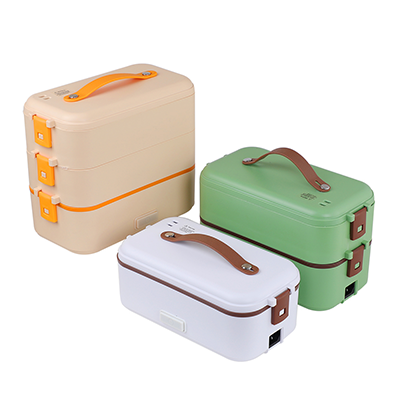
When ranking bento lunch boxes, we focus on three key criteria: durability, leak-proof performance, and portability. Durability considers materials used, resistance to wear, and ability to withstand drops or daily use. Leak-proof performance measures how well a box prevents spills, especially between compartments and during transport. Portability evaluates size, weight, ease of carrying, and how well the box fits in bags or backpacks.
Additional factors include:
Ease of cleaning: Dishwasher-safe options score higher.
Material safety: BPA-free plastics or food-grade stainless steel preferred.
Compartment flexibility: Adjustable or removable dividers add versatility.
User-friendliness: Easy-to-open latches and seals matter.
Bentgo MicroSteel Lunch Box
Material: Stainless steel with silicone seal
Durability: High; resists dents, scratches; microwave- and dishwasher-safe
Notes: Thick steel construction lasts years; tight-fitting lid withstands daily use.
Lunchbots Trio/Quad
Material: 18/8 stainless steel
Durability: Very high; metal resists staining and dents
Notes: Long-lasting, but lids not fully leakproof.
Ecolunchboxes 3-in-1 Stainless Steel
Material: Food-grade stainless steel
Durability: High; strong clips and sturdy build
Notes: Durable but not leakproof; ideal for solid foods.
Planetbox Rover
Material: Stainless steel with silicone-sealed containers
Durability: Excellent; designed for years of use
Notes: Includes leak-proof sauce containers; pricey but sturdy.
Bentgo Kids Bento Box
Material: BPA-free plastic with rubber-coated edges
Durability: Good; impact-resistant for kids
Notes: Scratches on exterior over time but remains functional.
Takenaka Bento Bite Dual
Material: BPA-free plastic
Durability: Moderate; thicker plastic resists cracking better than average
Notes: Elastic band secures tiers; some wear on seals over long-term use.
Monbento MB Original
Material: BPA-free plastic with silicone seals
Durability: Good; premium materials but plastic prone to scratches
Notes: Stylish and functional; handles daily use well.
Buluker 4-Pack Bento Lunch Box
Material: Wheat straw and polypropylene
Durability: Moderate; eco-friendly but prone to staining
Notes: Affordable; lifespan shorter than steel or thick plastic.
Umami All-in-1 Bento Lunch Box
Material: Plastic and wood utensils
Durability: Moderate; removable dividers less stable
Notes: Leakproof externally but dividers can shift.
Jeopace Bento Box
Material: BPA-free biodegradable wheat straw plastic
Durability: Moderate to low; affordable but less resistant to wear
Notes: Simple design; not leakproof between compartments.
Bentgo MicroSteel: Tight silicone seal makes it highly leakproof; excellent for liquids.
Planetbox Rover: Leak-proof containers for sauces; main compartments less so.
Bentgo Kids: Leakproof between compartments; rubber edges add extra protection.
Umami All-in-1: Silicone seals prevent leaks; dividers less secure but no spills.
Takenaka Bento Bite Dual: Good leak resistance; a few drops may escape under vigorous shaking.
Monbento MB Original: Airtight lids with silicone seals; generally leak-resistant.
Lunchbots Trio/Quad: Not fully leakproof; liquids can seep under dividers.
Ecolunchboxes 3-in-1: Not leakproof; best for dry foods.
Buluker and Jeopace: Not leakproof between compartments; pack liquids separately.
Bentgo MicroSteel: Weighs about 1 lb; medium size fits most bags; easy to carry.
Takenaka Bento Bite Dual: Compact and stackable; elastic band adds security.
Monbento MB Original: Slim and lightweight; rubberized exterior improves grip.
Bentgo Kids: Slightly heavier due to rubber edges but easy for children to handle.
Planetbox Rover: Larger and heavier; may require a dedicated lunch bag.
Lunchbots Trio/Quad: Slim profile; fits easily in backpacks.
Buluker 4-Pack: Lightweight; stack
Keeping your bento lunch box clean is essential for hygiene and longevity. Most plastic bento boxes are dishwasher-safe on the top rack, but hand washing is often recommended to prevent warping or damage to silicone seals. Use warm, soapy water and a soft sponge to avoid scratching the plastic surface. For stainless steel boxes, dishwasher cleaning is generally safe and effective. Stainless steel resists staining and odors, so it’s easier to maintain a fresh smell after washing. Avoid harsh abrasives on stainless steel to keep the surface smooth and shiny.
Leak-proof seals and gaskets are key to preventing spills. Clean these parts thoroughly after each use to avoid mold and residue buildup. Remove silicone gaskets where possible and wash separately. Avoid using oily or abrasive cleaners that can degrade the silicone. After washing, let seals air dry completely before reassembling the box. Regularly inspect seals for cracks or wear, replacing them if leaks start to occur. Applying a thin layer of food-safe silicone grease can help maintain flexibility and prolong seal life.
Store your bento box with the lid off or loosely placed to allow airflow and prevent odors. Avoid stacking heavy items on top of your box to prevent deformation, especially for plastic containers. Keep boxes away from direct sunlight or heat sources, which can cause plastic warping or color fading. For stainless steel boxes, dry thoroughly before storage to prevent water spots or rust. Use protective cases or bags when transporting to reduce dents or scratches.
Lids hard to open: This often happens if the seal is too tight or sticky. Try gently prying the lid with a utensil or warming the box slightly to loosen the seal.
Leaks despite seals: Check if the gasket is properly seated and clean. Replace if damaged. Ensure the box is closed firmly and evenly.
Odors lingering: Soak the box or seals in a baking soda solution or vinegar to neutralize smells. Avoid storing food for too long.
Stains on plastic: Use a paste of baking soda and water or lemon juice to scrub stains gently. Avoid harsh chemicals that degrade plastic.
Cracks or warping: Avoid microwaving non-microwave-safe boxes and high heat exposure. Replace boxes showing structural damage to maintain safety.
Proper maintenance keeps your bento lunch box reliable and fresh for daily use.
Selecting the ideal bento lunch box means balancing durability, leak-proof features, and portability. Consider your daily needs and meal types when choosing. Durable stainless steel suits long-term use, while plastic offers lightweight convenience and microwave safety. For families or professionals, reliable leak-proof seals prevent spills and keep meals fresh. Investing in a quality bento lunch box enhances your lunch experience with convenience and style. Binsly offers products that combine these benefits, ensuring value and satisfaction for everyday use.
A: A BPA Free Bento Lunch Box is made from plastics without Bisphenol A, reducing health risks from chemical exposure. Choosing BPA-free ensures safer meals, especially when using Plastic Bento Lunch Boxes for kids.
A: Stainless Steel Bento Lunch Boxes offer superior durability and resist stains and odors, while Plastic Bento Lunch Boxes are lighter, often microwave-safe, and come in vibrant designs including Square Bento Lunch Boxes.
A: Plastic Bento Lunch Boxes for kids typically have BPA-free materials, leak-proof seals, child-friendly latches, and durable, lightweight designs to withstand daily use.
A: Square Bento Lunch Boxes maximize packing efficiency and fit neatly in bags, enhancing portability with secure, leak-proof seals for easy transport.
A: Regularly clean silicone gaskets, avoid harsh chemicals, and inspect seals for damage to keep leak-proof performance in both Plastic and Stainless Steel Bento Lunch Boxes.
