


Call Us Now
Phone:
+86-137-2797-2500 
Views: 0 Author: Site Editor Publish Time: 2025-12-23 Origin: Site
The daily lunch routine has undergone a massive transformation in recent years. We have collectively moved away from the soggy "brown bagging" tradition toward a more structured, aesthetic, and sustainable approach. This shift is driven largely by the desire for better portion control, significant waste reduction, and the visual satisfaction of meal prep. Central to this lifestyle change is the modern Bento Lunch Box, which transforms a chaotic pile of leftovers into an appetizing, organized meal.
However, upgrading to a high-quality bento system involves a reality check regarding cost. Unlike disposable bags or cheap takeaway tubs, a durable bento box represents an upfront investment. The market is flooded with options ranging from five dollars to fifty, making the decision process overwhelming for many parents and professionals. It is easy to buy a box that looks great online but fails after two weeks of use.
The purpose of this guide is to move beyond superficial "best of" lists. We will evaluate designs based on what actually matters in daily usage: real-world durability, leakage risks, and material safety. Whether you are packing for a toddler’s daycare or a corporate office, understanding the mechanics of these containers ensures you get the best return on your investment.
Material Matters: Stainless steel offers longevity but often lacks microwaveability; plastic offers variety but risks staining and warping.
The Leakproof Myth: Distinguish between boxes that are "airtight" (keep food fresh) vs. truly "leakproof" (hold liquids upside down).
One Size Does Not Fit All: Fixed compartments are superior for toddlers (grazing); adjustable dividers are essential for adults (sandwiches/leftovers).
Maintenance: Hand-washing lids is the secret to extending the lifespan of any bento box, regardless of "dishwasher safe" claims.
Choosing the right lunch container is not just about picking a favorite color. It requires a systematic approach to how you or your child eats. We break this down into three critical pillars: capacity, seal integrity, and thermal regulation.
The most common complaint new users have is buying a box that is either comically small or frustratingly bulky. Understanding volume metrics is the first step to satisfaction.
For a standard adult appetite, you typically need a volume between 800ml and 1 liter (approximately 3 to 4 cups). This provides enough space for a substantial main course and two sides without crushing the food. In contrast, children—especially toddlers—rarely need more than 500 to 700ml. A box that is too large for a child often results in food tumbling around during transport, turning a neat lunch into a mixed salad.
Shape factors play a huge role in portability. A Square bento lunch box design is generally superior for vertical stacking. These shapes fit neatly into standard insulated lunch bags and are easier to store in kitchen cabinets. On the other hand, slim, rectangular designs are often better suited for adults carrying briefcases or students with jam-packed backpacks, as they can slide alongside books or laptops without creating a bulge.
Leakage is the enemy of a good lunch. However, there is a distinct difference between a box that keeps air out and one that keeps yogurt in.
The "gold standard" for packing wet items is internal compartment sealing. This design features a silicone layer molded directly into the lid that aligns perfectly with the tray's compartments. When closed, it isolates each section. This engineering is critical if you want to pack hummus, yogurt, or ranch dip next to crackers or berries without flavor transfer. If the lid is just a flat piece of plastic, liquids will migrate the moment the box is tilted.
You must also evaluate the closing mechanism. Mechanical latches are generally preferred for children because they provide an audible "click" that confirms the box is closed. However, look for robust hinges. Traditional elastic bands, often seen on classic Japanese boxes, are aesthetically pleasing but prone to stretching over time or getting lost entirely.
One of the biggest misconceptions in the bento world is the word "insulated." Standard plastic or stainless steel boxes do not retain heat effectively. If you put hot pasta in a standard steel bento at 8:00 AM, it will be lukewarm by 10:00 AM and cold by noon.
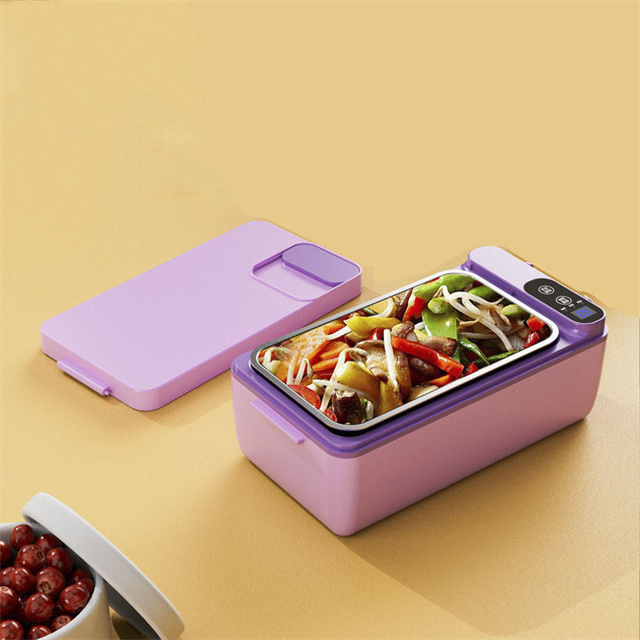
To enjoy a hot meal, you need active solutions. For office workers with desk space, an Electric Bento Lunch Box acts as a portable mini-steamer or warmer, reheating food gently right before you eat. For students or outdoor workers without access to plugs, vacuum-insulated jars are the only reliable method for maintaining safe serving temperatures for soup or chili.
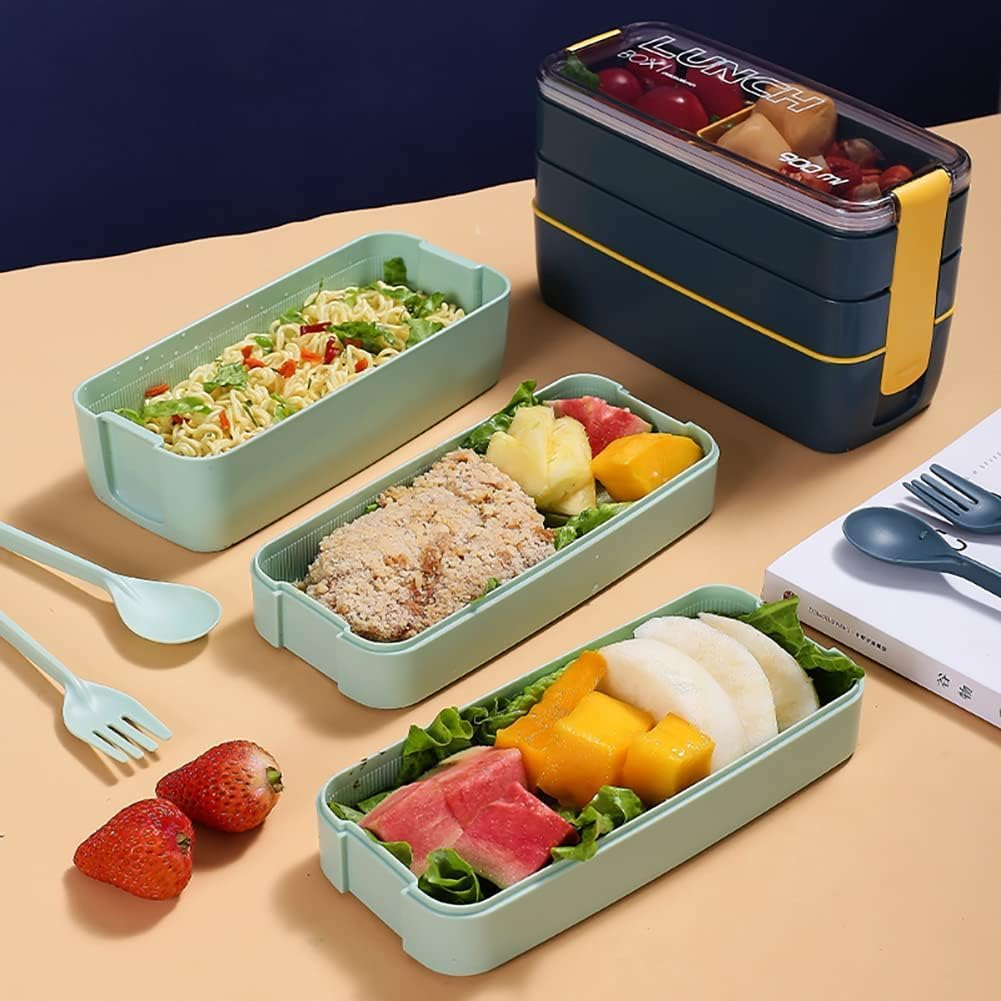
The material of your lunch box dictates its lifespan, weight, and cleaning requirements. Here is how the three main contenders stack up.
High-quality plastic remains the most popular choice for a reason. A BPA Free Bento Lunch Box is lightweight, making it ideal for younger children who already carry heavy backpacks. It offers the highest variety in terms of prints, colors, and compartment configurations. Most importantly, it is microwave-safe, allowing for quick reheating.
However, plastic has vulnerabilities. It is susceptible to staining, particularly from tomato-based sauces or curries. "Wheat straw" plastics and softer composites are notorious for absorbing odors that are hard to wash out. While durable, plastic hinges can snap if dropped on a hard floor.
Verdict: Best for cold lunches (sandwiches, wraps) and younger kids who might drop their gear.
For those looking to eliminate plastic contact with food, steel is the champion. A Stainless Steel Bento Lunch Box is virtually indestructible. It will not crack, stain, or retain flavors. You can pack a garlicky pasta salad one day and fresh fruit the next with zero flavor crossover. These boxes are hygienic and often outlast the user's school years, providing immense long-term value.
The downsides are weight and microwave compatibility. Steel is heavier than plastic, and standard metal boxes cannot be microwaved (though some new technologies are emerging). Furthermore, leakproofing usually requires a separate silicone gasket, which is an extra part to clean.
Verdict: Best for eco-conscious adults, those who prefer cold or room-temperature meals, and long-term return on investment.
Glass is the ultimate material for purity. It is the best option for reheating and cleaning, as it can withstand high dishwasher heat and scrubbing without scratching. There is absolutely zero risk of chemical leaching.
Unfortunately, glass is heavy and fragile. It is a strict "no-go" for most younger children due to safety concerns. Even "tempered" glass can shatter if dropped on concrete.
Verdict: Best for adults who eat at a desk and prioritize easy cleaning over portability.
A lunch box that works for a 30-year-old accountant will likely frustrate a 5-year-old kindergartner. We have analyzed Bento Lunch Box Designs to match specific user profiles.
Young children rarely eat a whole sandwich in one sitting. They are "grazers" who prefer variety. The best designs for this age group feature fixed, high-count compartments—often five or more sections. This layout encourages parents to pack small portions of fruit, cheese, crackers, and veggies, which looks visually appealing and less overwhelming to a child.
A crucial feature here is a Bento Lunch Box With Handle. Integrated handles allow the child to carry their lunch independently like a briefcase, reducing the risk of dropping it. Additionally, look for drop-proof rubberized edges (bumpers) that absorb shock. The latch mechanism must be operable by a 3-year-old to ensure autonomy during lunchtime.
As kids grow, the "cute" factor becomes less important than volume. Teens need deeper trays. A design with tiny compartments will not fit a full-sized bagel, a slice of pizza, or a whole apple. The ideal layout shifts to three or four larger compartments.
Aesthetically, this demographic moves away from cartoon prints toward solid colors, matte finishes, or sleek stainless steel. Durability remains key, as backpacks are often thrown into lockers or on the floor. Leakproofing is still essential, but the latch can be firmer than what toddlers require.
Adults need versatility. One day you might pack a large salad; the next, leftovers like lasagna. Therefore, removable dividers are non-negotiable. Fixed compartments often frustrate adults because they dictate portion sizes that might not match the meal plan.
Corporate compliance is also a subtle factor. Many professionals prefer sleek, minimalist designs that look appropriate in a communal office fridge. Stackable or tiered designs are popular here as they separate ingredients (like salad dressing or croutons) until it is time to eat.
Marketing materials often promise the world, but real-world usage reveals the cracks—literally. Here is what you need to know to keep your box functional for years.
This is the most common point of failure. You will often see a Bento Lunch Box manufacturer claim their product is "top-rack dishwasher safe." While this may be true for the container base, it is rarely good for the lid. The high heat cycles in modern dishwashers can cause plastic lids to warp slightly. Even a millimeter of warping can destroy the alignment of the leakproof seals. Furthermore, heat shrinks silicone gaskets over time.
Recommendation: Always hand-wash the lids. You can machine-wash the bottom trays, but treating the lid gently is the secret to longevity.
If you love pasta sauce, curry, or chili, you need a plan. Silicone seals are porous and will absorb the red pigment from tomato-based foods (the "Red Sauce" test). Once stained, it is purely cosmetic, but it can look unsightly.
To remediate this, you can make a paste of baking soda and vinegar and let it sit on the stain for an hour before scrubbing. Alternatively, simply choose dark-colored boxes (navy, black, or dark green) if your diet is heavy on staining foods.
When calculating the Total Cost of Ownership (TCO), check if the brand sells spare parts. A latch is a moving mechanical part; eventually, it might snap. A silicone seal might get lost down the sink drain. A $30 box that requires you to buy a whole new unit because a $2 latch broke is actually expensive. In contrast, a slightly pricier system with a robust spare part ecosystem is a cheaper long-term choice.
To help you decide, we have categorized the top design logics based on specific needs rather than just brand names.
| Category | Recommended Design Type | Why It Wins |
|---|---|---|
| Best for Variety (Kids) | Molded Silicone Lid (Bento Box with 5+ compartments) | Leakproof seals between compartments allow yogurt next to crackers without mess. |
| Best for Hot Lunches | Electric Bento Lunch Box or Vacuum Jars | The only way to bypass the office microwave queue and enjoy a truly hot meal. |
| Best for Sustainability | 100% Stainless Steel Bento Lunch Box | Buy it once, use it forever. Zero plastic waste and high hygiene standards. |
| Best for Aesthetics | Soft-touch Matte Tiered Boxes | Visual satisfaction helps with diet adherence ("eating with your eyes first"). |
Ultimately, there is no single "perfect" lunch box that suits everyone. The best box is the one that realistically fits your specific eating habits. If you live on sandwiches, a single-layer stainless steel tin is perfect. If you love variety and snacking, a multi-compartment plastic bento is the superior choice.
Before you make a purchase, we encourage you to measure your typical lunch volume. Take your current lunch and place it in a measuring cup. Knowing whether you eat 2 cups or 4 cups of food will save you from the disappointment of unboxing a container that is too small for your needs. Invest in a system that makes packing lunch easier, and you will find yourself saving money and eating healthier effortlessly.
A: Generally, no. Standard stainless steel will spark and potentially damage your microwave. However, there are very specific newer technologies on the market designed to be microwave-compatible, but these are rare exceptions. Unless the manufacturer explicitly states "Microwave Safe Steel" on the packaging, assume it cannot be microwaved. If reheating is a priority, opt for glass, safe plastics, or transfer your food to a ceramic plate before heating.
A: Mold grows when moisture gets trapped behind the seal. To clean it, you must remove the silicone ring from the lid completely. Soak it in a solution of warm water and vinegar or a mild bleach solution for 15 minutes. Scrub with a small brush (like a toothbrush) to reach into crevices. The most important step is prevention: always ensure the seal is 100% dry before reassembling the box to stop mold from returning.
A: The main difference is the internal structure and packing philosophy. Regular storage containers are open vessels meant for one type of food. A bento box features integrated dividers or stacked tiers designed to hold a complete, multi-course meal in a single compact unit. This design promotes portion control and nutritional balance by physically limiting space for one item while providing space for sides like vegetables and fruits.
A: If you work in an office with a long line for the microwave, or work at a site without kitchen access, they are absolutely worth it. They allow you to enjoy a hot meal without relying on external appliances. The trade-off is that they are heavier and you must carry a cord. However, for many, the luxury of a steaming hot meal at their desk outweighs the extra weight in their bag.
A: Look for reputable certifications rather than just a sticker. Legitimate manufacturers will cite FDA (US) or LFGB (European) food safety standards. LFGB is generally considered a stricter standard for silicone and plastics. Transparency is key; a trustworthy brand will often list the specific type of plastic used (such as PP or Tritan) on their website or the product packaging.
