




Call Us Now
Phone:
+86-137-2797-2500 
Views: 0 Author: Site Editor Publish Time: 2026-07-03 Origin: Site
A leaking food container can quickly ruin laptops, critical documents, and expensive bags during a daily commute. Nobody wants to open their backpack only to find soup dressing soaked deeply into electronics. Many brands confidently claim to offer a completely secure design. However, manufacturing tolerances and daily material wear mean you should verify these claims independently. Relying purely on a marketing label often leads to messy, frustrating surprises. Real-world conditions routinely push these containers past their intended limits. This guide provides a step-by-step, objective framework to test container seals at home before trusting them on the road. You will learn practical methods to evaluate your current setup. We outline exactly what to look for if an upgrade becomes necessary. Taking proactive steps now protects your valuable belongings later.
Consumers often confuse basic resistance features against absolute containment standards. Manufacturers use terms interchangeably, but practical application reveals stark differences. A leak-resistant model usually handles thick sauces like hummus or yogurt perfectly well. It generally fails when holding thin liquids like water, soup, or vinaigrette dressing. A genuine Leakproof Lunch Box must successfully contain low-viscosity liquids under moderate pressure.
A high-quality container must prevent both external leaks and internal cross-contamination. External leaks damage your bag and belongings. Internal leaks allow liquids to migrate between internal compartments. Nobody enjoys finding salad dressing mixed into their fresh fruit. Establishing strict success criteria remains crucial before packing your next meal.
You need to look for specific performance markers to confirm absolute seal integrity. A successful test looks like zero moisture escape after prolonged agitation and inversion. We recommend defining success through these three distinct criteria:
This initial evaluation establishes a strict baseline for seal integrity. You use water because it represents the most volatile, low-viscosity liquid standard. If a container holds water, it generally holds anything else. Many containers pass the yogurt test but fail the water test instantly.
Start the preparation by filling the container to 75% capacity using room-temperature water. Leaving empty space allows the water to generate momentum during the shake phase. Secure the lid according to the manufacturer instructions. Dry the exterior completely using a dry microfiber cloth. A completely dry surface ensures you spot tiny micro-leaks easily.
Evaluate the results by inspecting the paper towel closely for dampness. Any moisture indicates an immediate failure for soups or dressings. You must observe absolute dryness to pass. A failed box may still be viable for packing dry foods like crackers or sandwiches. Do not trust a failed container inside a backpack.
Daily commutes expose containers to harsh physical conditions. You must test how the container handles physical pressure and thermal expansion. Steam and heat frequently cause real-world leaks. Heat expands the air inside the box, pushing forcefully against the silicone barriers.
Use the tissue paper method to identify internal cross-contamination. Place completely dry tissue paper inside the empty compartments. Fill the adjacent compartment using colored water. Food coloring provides excellent visibility for micro-leaks. Secure the lid tightly. This setup visualizes exactly where the internal barriers fail during movement.
Next, apply simulated physical pressure to the unit. Place a five-pound weight on top of the closed container for 10 minutes. A heavy textbook works perfectly for this step. This mimics the downward force experienced when packed at the bottom of a heavy backpack. Many weak latches pop open under sustained downward pressure.
Repeat the entire simulation using hot water. Do not use boiling water, but ensure it steams visibly. Trapped steam creates immense internal pressure. This internal force can force silicone seals to breach. If the colored water stains the tissue paper, the internal barriers have failed. A true Leakproof Lunch Box will keep the tissue perfectly dry despite the added thermal stress.
| Test Variable | Simulated Condition | Expected Outcome |
|---|---|---|
| 5lb Weight Pressure | Bottom of a heavy backpack | Latches remain securely engaged. |
| Colored Water | Thin soup or salad dressing | No liquid transfers to adjacent sections. |
| Hot Steaming Water | Freshly heated lunch foods | Seals resist internal steam pressure buildup. |
Understanding why seals fail helps you maintain them longer. Silicone gaskets represent the most common point of failure. These removable seals stretch easily over time. They harbor microscopic food debris underneath the track. Dishwasher cycles can cause them to become misaligned. A slightly pinched gasket completely destroys the watertight integrity.
Latch tension dictates the uniform pressure applied across the gasket. Plastic fatigue occurs in snap-locking lids over hundreds of opening cycles. The plastic hinges weaken gradually. Reduced latch tension means the lid no longer presses firmly against the silicone base. You might hear a click, but the actual sealing pressure remains inadequate.
Material warping destroys seal geometry permanently. Exposing thin plastics to high microwave heat causes microscopic shape changes. Repeated dishwasher heating cycles accelerate this deformation. Once the lid or base warps slightly, the silicone gasket can no longer bridge the gap. The container looks fine visibly but leaks profusely during transit.
You can sometimes rescue a failing container using simple home-based remediation steps. Carefully remove the silicone ring using a blunt butter knife. Perform a deep-cleaning using baking soda and warm water to remove trapped oils. If the silicone feels stretched, submerge the ring in boiling water for two minutes. This process often restores its original elasticity and shrinks it back to size.
Compromised seals present serious food safety risks. Bacterial buildup occurs rapidly in micro-cracks along damaged gaskets. Mold thrives in hidden crevices under loose seals. Furthermore, physical leaks pose a massive financial risk. Spilling oily dressing over a work laptop costs significantly more than buying a premium container.
You must establish clear criteria for discarding damaged units. Discard the container immediately if the plastic hinges show visible white stress marks. Throw away any silicone ring displaying permanent black mold stains. When structural integrity fails, a replacement becomes the most cost-effective and sanitary option. Do not risk expensive electronics over a faulty five-dollar container.
Evaluating seal architecture helps you make smarter purchasing decisions. Compare integrated silicone seals versus removable gaskets. Integrated seals are molded directly into the lid. They prevent stretching and eliminate hidden mold growth. Removable gaskets offer easier deep-cleaning options but carry a high risk of stretching during daily washing routines.
Material selection heavily influences long-term reliability. A rigid structure ensures the lid will not warp over time. This rigidity maintains perfect seal geometry year after year.
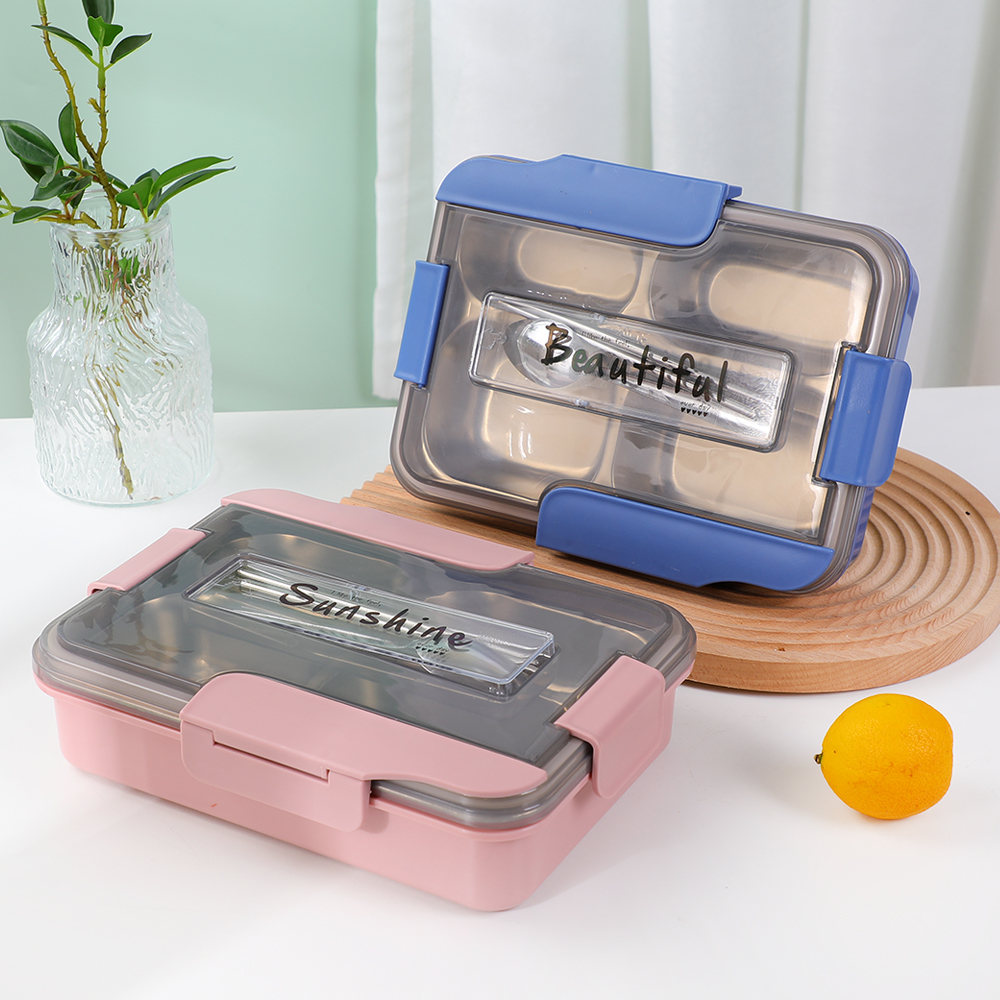
Examine the closure mechanisms before buying. We highly recommend multi-point locking systems. A four-hinge snap lock distributes pressure evenly across the entire gasket. Robust metal clasps provide superior clamping force compared to plastic clips. Even pressure distribution remains the secret to absolute liquid containment.
| Material Type | Warp Resistance | Weight Profile | Best Use Case |
|---|---|---|---|
| Stainless Steel | Excellent | Medium | Rugged commutes, long-term daily use |
| Glass | Excellent | Heavy | Office microwaves, stain-free storage |
| Standard Plastic | Poor | Light | Dry snacks, short gentle commutes |
Match the container material and seal type to your specific commute style. Thermos-style jars work best for carrying daily soups. Bento-style layouts featuring individual compartment seals work beautifully for varied snacks. Assess your daily habits honestly before selecting the right structural design for your meals.
Testing your meal containers at home serves as a necessary proactive step. It protects your personal belongings from catastrophic spills. Identifying weak latches and warped plastics early saves significant frustration down the road. You control the testing environment, allowing you to find flaws safely.
Investing in a verified, structurally sound setup reduces daily commute anxiety. It ultimately minimizes long-term replacement costs. You stop buying cheap replacements every few months. A durable unit handles rough transit conditions effortlessly.
Evaluate your current kitchen inventory today using the inversion protocols outlined above. Consider upgrading your setup if your current containers fail the standard water test. Discard warped units immediately. Protect your bag by choosing high-quality materials designed for absolute containment.
A: Hot food generates steam inside the closed container. This creates significant thermal expansion. The expanding air pressure pushes aggressively outward against the silicone seal. Weak latches cannot counter this internal force, allowing tiny gaps to form. Letting your hot food cool for five minutes before sealing the lid dramatically reduces this pressure buildup.
A: We recommend performing the standard inversion water test every three to six months. You should also retest immediately after noticing any visible lid warping. Routine testing catches minor silicone degradation before it causes a major spill inside your daily work bag.
A: Practice gentle hand-washing using warm water and mild dish soap. Avoid pulling or tugging the ring forcefully during removal. Never use harsh abrasive sponges. Let the silicone ring air dry completely flat on a towel. Hanging the ring over a faucet can stretch the material permanently.
A: No. While highly convenient, frequent dishwasher cycles accelerate material degradation. The intense heat weakens plastic hinges and micro-warps lids over time. High heat also dries out silicone gaskets, making them brittle. Hand-washing your containers preserves their leak resistance significantly longer than relying on the dishwasher.
