




Call Us Now
Phone:
+86-137-2797-2500 
Views: 0 Author: Site Editor Publish Time: 2026-07-09 Origin: Site
People are rapidly moving away from legacy food storage materials. Plastic containers often warp or leach chemicals over time. Glass containers present constant breakage hazards in busy kitchens. You need solutions offering permanent safety and uncompromising durability. Upgrading to high-quality metal storage secures a healthier approach to food management. It protects your meals from contamination while surviving the toughest daily routines.
We will evaluate the functional benefits, material grades, and operational trade-offs of these robust vessels. You will learn exactly how to navigate lid mechanisms and temperature resilience. This guide empowers you to make a confident, lasting choice for your daily food preservation needs. Stainless steel containers provide an optimal balance of hygiene and resilience for any kitchen environment.
Conventional food storage options carry hidden tolls on human health and environmental sustainability. Relying on outdated materials forces you into a continuous cycle of degradation and replacement.
Plastics break down rapidly when exposed to thermal cycling. Dishwashers accelerate this structural degradation immensely. Hot food exacerbates the breakdown of polymer chains. Micro-abrasions naturally form along the interior surfaces during regular washing. These tiny scratches harbor dangerous bacteria over time. You cannot easily sanitize a deeply scratched plastic bowl. Furthermore, degraded plastics release microplastics into your meals. Staining from acidic foods quickly renders these vessels unsightly and unhygienic.
Glass offers chemical safety but introduces significant physical risks. Glass shatters easily upon impact. It poses severe safety hazards during active transit. Dropping a glass vessel creates dangerous shards across the floor. This halts kitchen operations immediately. Glass also carries a substantial weight penalty. Carrying multiple glass bowls in a bag becomes exhausting. This heavy profile penalizes mobility for meal prep enthusiasts and outdoor travelers.
Discarding warped or broken containers creates massive operational inefficiency. It interrupts daily home routines and professional workflows alike. You spend valuable time constantly replacing degraded inventory. This endless replacement cycle generates immense landfill waste. Relying on fragile materials prevents you from building a permanent, reliable kitchen infrastructure.
Metal food storage fundamentally changes how you manage ingredients and leftovers. The material properties deliver distinct advantages across safety, durability, and cleanliness.
Food-grade steel provides an incredibly stable environment for all ingredients. It contains zero endocrine disruptors. It entirely eliminates the threat of microplastics. The material remains perfectly stable even during extreme chemical stress. Acidic foods like tomato sauce or citrus segments never compromise the surface. A natural chromium oxide layer protects the core metal. This invisible shield prevents chemical leaching entirely. Your food retains its original nutritional profile without invisible contamination.
Steel provides unparalleled physical resilience. These vessels boast entirely shatterproof profiles. They effortlessly resist dents from accidental drops. High-quality metal storage lasts for decades instead of mere months. You secure a reliable tool that withstands rigorous daily use. This impressive lifespan drastically cuts down landfill waste. You actively contribute to a more sustainable, low-impact lifestyle.
The surfaces of premium steel are completely non-porous. Liquids and oils cannot penetrate the material barrier. This non-porous nature thoroughly blocks stubborn food smells. Pungent ingredients like raw garlic or rich curry leave no lasting trace. Stains simply never set into the metal. A quick wash restores the vessel to its original pristine state. Bacterial buildup struggles to anchor onto the slick, polished surface.
Metal storage handles extreme temperature shifts effortlessly. You can safely transition these vessels from a deep freezer directly to a hot oven. Just ensure you remove any incompatible lids first. High thermal conductivity also chills food incredibly fast. Rapid chilling fundamentally improves food safety standards. It quickly pushes leftovers out of the bacterial "danger zone." Faster cooling preserves the texture and freshness of delicate ingredients.
Selecting the right storage involves understanding metallurgical grades and closure systems. These technical dimensions dictate the specific performance of your chosen vessel.
The specific alloy dictates the corrosion resistance of your storage. You must recognize the differences to match your operational demands.
304 (18/8): This represents the undisputed industry standard for food storage. It contains 18 percent chromium and 8 percent nickel. It is highly resistant to rust and general corrosion. This grade remains ideal for everyday domestic use. It handles basic meal prep and pantry storage beautifully.
316 (18/10): This represents a premium, marine-grade upgrade. It contains added molybdenum for radically enhanced corrosion resistance. It proves superior for heavy commercial use. It easily withstands highly saline or incredibly acidic environments. Choose this grade for long-term fermentation or aggressive culinary processes.
| Specification | 304 Grade (18/8) | 316 Grade (18/10) |
|---|---|---|
| Chromium Content | 18% | 18% |
| Nickel Content | 8% | 10% |
| Molybdenum Added | No | Yes (2-3%) |
| Corrosion Resistance | High | Exceptional |
| Best Use Case | Daily home storage, lunches | Heavy commercial use, fermentation |
The container base provides durability, but the lid dictates utility. Your chosen lid mechanism determines leak-proofing and overall versatility.
Adopting metal storage requires minor workflow adjustments. You must navigate a few inherent trade-offs to maximize the utility of these vessels.
You cannot place solid metal vessels inside a microwave. This represents the most significant operational hurdle for new users. Sparks will fly if you attempt this. You need simple workflow workarounds. You can easily transfer your lunch to a ceramic plate before heating. Alternatively, utilize a traditional oven or a toaster oven for reheating. Many modern offices now provide toaster ovens for this exact reason.
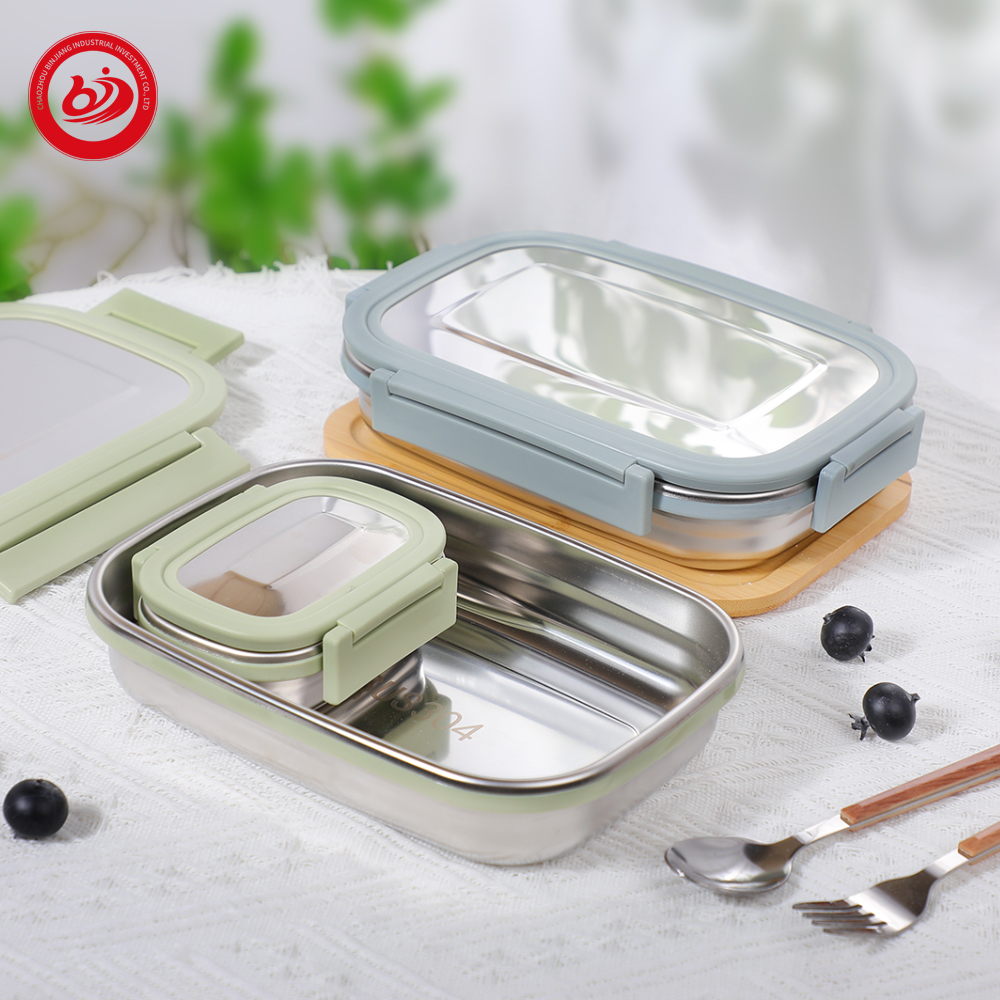
Solid metal bases inherently lack transparency. You cannot see the contents sitting in your refrigerator. This opacity sometimes leads to forgotten leftovers. You must implement reliable labeling systems to solve this. Dry-erase markers write beautifully on polished metal. Masking tape with permanent marker works exceptionally well too. Some progressive brands now offer models featuring clear silicone windows or transparent lids.
Many consumers fear their food will absorb metallic flavors. This represents a persistent but unfounded myth. High-quality, food-grade alloys never impart a metallic taste to food. The protective chromium layer prevents direct interaction between the iron and your ingredients. Poor-quality, unrated metals might cause flavor shifting, but certified 304 or 316 grades guarantee absolute flavor neutrality. Your delicate berries and subtle sauces will taste exactly as intended.
Acquiring premium kitchen infrastructure requires a deliberate initial commitment. High-grade alloys demand more resources to manufacture than flimsy plastics. You must frame this commitment against the exceptional lifetime value. The material outlasts numerous generations of fragile alternatives. You drastically reduce the frequency of your kitchen hardware replacements. This permanent upgrade ultimately simplifies your household logistics and resource management.
| Performance Metric | Plastic | Glass | Stainless Steel |
|---|---|---|---|
| Shatterproof | Yes | No | Yes |
| Odor Resistance | Poor | Excellent | Excellent |
| Thermal Conductivity | Low | Moderate | High |
| Chemical Stability | Low | High | High |
You must align the specific features of your storage with your daily routines. Different culinary tasks require entirely different structural profiles.
Metal storage represents a fundamental shift from disposable convenience to permanent infrastructure. You secure a reliable system for professional and domestic food management. The material effectively banishes chemical leaching, microplastics, and dangerous glass shards from your daily routine.
We advise buyers to strictly prioritize 304 or 316 grade alloys. Always align the specific lid mechanism with your personal leak-proofing and visibility needs. Transparent snap-on lids offer convenience, while pure silicone provides unparalleled thermal versatility.
Take immediate action to improve your kitchen safety. Audit your current food storage inventory today. Discard severely degraded, scratched plastics responsibly. Begin gradually phasing in high-quality metal alternatives. You will immediately appreciate the unmatched durability, rapid chilling, and effortless cleaning these robust vessels provide.
A: Yes, they excel in the freezer, but users must leave room for liquid expansion to prevent lid pop-off.
A: The bases are universally dishwasher safe; lid care depends on the material—silicone and steel can handle high heat, while plastic lids should go on the top rack.
A: High-quality 304 or 316 steel is highly rust-resistant, but prolonged exposure to harsh chemicals like bleach or sitting in standing water can cause surface oxidation.
A: The steel base is oven-safe; lids must be removed unless they are specifically rated high-heat silicone or pure steel.
