


Call Us Now
Phone:
+86-137-2797-2500

Views: 0 Author: Site Editor Publish Time: 2025-12-25 Origin: Site


Nothing ruins a summer hike faster than reaching for a drink only to find lukewarm water, just as a cold sip of coffee can destroy the comfort of a winter commute. Beyond temperature issues, the annoyance of condensation—often called "sweating"—can damage wooden desks, soak important documents, or ruin the interior of a leather bag. These common frustrations drive the demand for better hydration solutions, moving consumers away from single-wall plastics toward advanced thermal vessels.
An Insulated Water Bottle is not merely a container; it is a piece of thermal engineering designed to arrest heat transfer. While they look simple on the outside, the internal architecture involves complex physics designed to maintain a specific climate for your beverage. This guide moves beyond basic definitions to explore the mechanics of vacuum insulation, the critical differences between materials like stainless steel and titanium, and how to evaluate quality for long-term daily use.
Vacuum vs. Air: True performance comes from vacuum insulation, not just double walls. Air gaps allow heat transfer; vacuums do not.
Material Grades: Look for 18/8 food-grade stainless steel for durability and safety; Titanium offers a premium, lightweight alternative.
Thermal Physics: These bottles block three types of heat transfer: conduction, convection, and radiation (often via reflective internal linings).
ROI Factors: While heavier and more expensive than single-wall plastic, the ROI includes infinite reusability, zero condensation, and health safety (BPA-free).
Maintenance: Most require hand-washing to preserve the vacuum seal, though technology is improving.
To understand why your coffee stays hot for hours, we must look at the "bottle within a bottle" concept. This construction is the foundation of modern thermal retention. However, marketing terms often confuse consumers. It is vital to distinguish between a standard double-wall structure and true vacuum insulation.
A Double Insulated Water Bottle generally refers to a vessel with two walls—an inner liner and an outer shell. If air remains between these walls, heat can still travel easily. True performance requires the removal of that air to create a vacuum.
Heat energy moves through matter. When you remove the air molecules between the steel walls, you effectively remove the bridge that heat uses to cross from the inside to the outside (or vice versa). By creating this void, the vessel blocks two primary methods of heat transfer:
Conduction: The direct transfer of heat through touch. Since the inner wall does not touch the outer wall (except at the neck), heat has no path to escape.
Convection: The transfer of heat via the movement of gas or liquid. Without air in the gap, convection currents cannot form to carry thermal energy away.
While a vacuum stops conduction and convection, it cannot stop radiation. Thermal radiation acts like light; it can travel through a vacuum. This is why you can feel the heat of the sun despite the vacuum of space. To combat this, high-end manufacturers often plate the exterior of the inner wall—the side facing the vacuum—with copper or a similar reflective material.
This reflective lining acts like a mirror for heat. If you have hot coffee inside, the lining reflects the thermal radiation back into the drink. If you have ice water, it reflects external radiant heat away from the cold liquid. This invisible layer is often what separates a high-performance bottle from a mediocre one.
Not all insulation is created equal. Many cheaper "thermoware" products use foam or simple air gaps between plastic walls. The difference in performance is stark.
| Insulation Type | Mechanism | Cold Retention | Hot Retention | Condensation |
|---|---|---|---|---|
| Standard Air Gap | Double walls with trapped air. | 2–4 Hours | 1–2 Hours | Possible in humid conditions |
| Foam Insulation | Plastic walls filled with PU foam. | 4–6 Hours | 2–3 Hours | Minimal |
| Vacuum Insulation | Air removed between steel walls. | 24+ Hours | 12+ Hours | None (Zero Sweat) |
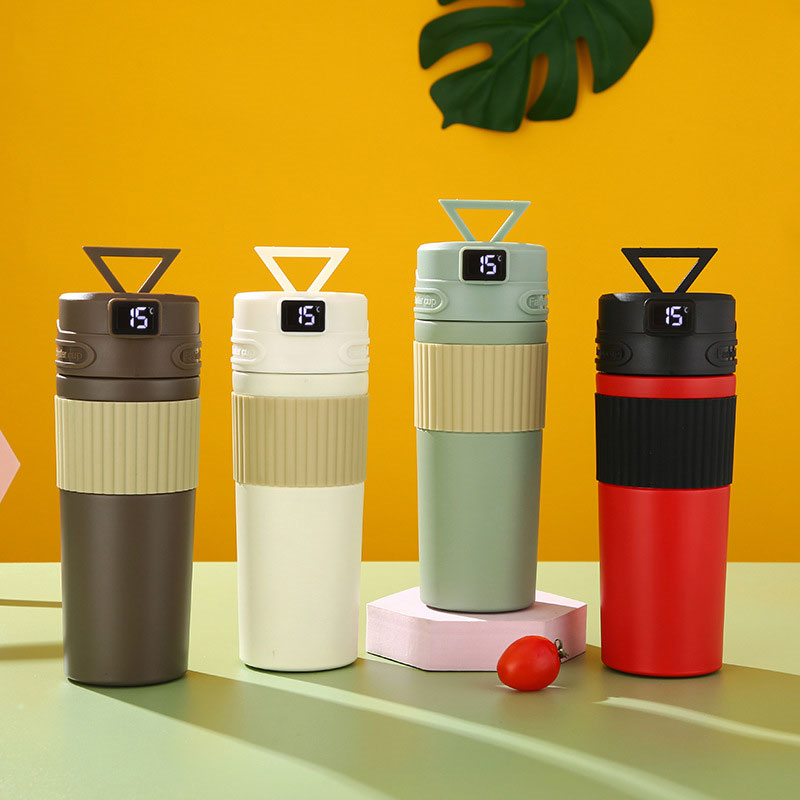
The structural integrity and safety of a bottle depend entirely on the materials used. While the vacuum provides the function, the material provides the form and hygiene.
The vast majority of reputable brands rely on 18/8 stainless steel. When selecting an Insulated Water Bottle manufacturer, it is crucial to verify they use this specific grade. The numbers refer to the metallurgical composition:
18% Chromium: Provides the hardness and rust resistance.
8% Nickel: Enhances corrosion resistance and provides the polished shine.
This composition is non-porous and food-grade. Its primary benefits include flavor neutrality—meaning yesterday’s coffee won’t taint today’s water—and exceptional resistance to oxidation. Unlike aluminum, which requires a liner to be safe for food contact, 18/8 steel is safe in its raw, polished form.
For ultralight enthusiasts, an Outdoor Titanium Sports Insulated Water Bottle represents the pinnacle of material science. Titanium is roughly 45% lighter than steel while maintaining comparable strength.
Pros:
Titanium is biocompatible and hypoallergenic, making it ideal for users with severe metal sensitivities. It is also incredibly durable against drops that might dent steel.
Cons:
The manufacturing process for vacuum-sealed titanium is difficult and expensive, resulting in a significantly higher price point. It is generally a niche choice for long-distance backpackers where every gram of pack weight matters.
Innovation continues to push the boundaries of what these vessels can do. We now see the emergence of the Hydrogen Insulated Water Bottle. These devices combine thermal retention with electrolysis technology to generate hydrogen-infused water. While the insulation maintains the temperature, the focus here is on functional health benefits. Additionally, ceramic-lined bottles are gaining popularity for those who dislike even the hint of metal touching their lips, offering the thermal performance of steel with the mouthfeel of a ceramic mug.
Buying an insulated bottle is an investment. To ensure you select a product that fits your lifestyle, you must evaluate three specific areas: the lid, the weight, and the vacuum integrity.
The lid is the Achilles' heel of any thermal vessel. While the body of the bottle is vacuum-sealed, the neck and cap are points of "thermal bridging," where heat can escape. An Insulated Water Bottle with Lid engineering is just as important as the bottle itself.
Screw-top Lids: These offer the best insulation. They seal tightly and have less surface area exposed to the outside air. Look for caps that contain a "honeycomb" structure or foam insulation inside the plastic to minimize heat loss.
Straw and Flip Lids: These prioritize convenience over maximum thermal retention. While they are easier to use while driving or running, the moving parts and thinner plastics allow slightly more heat exchange.
Vacuum insulation comes with a physical cost: bulk. A 24oz vacuum bottle will always be larger and heavier than a 24oz single-wall plastic bottle because of the dual-wall construction. Users must balance their hydration needs against carry weight.
For office commuters, a 16oz to 24oz bottle is usually the sweet spot, as these diameters typically fit standard car cup holders. For hikers or gym-goers, the weight penalty of a 32oz or 40oz bottle is often outweighed by the necessity of carrying high volumes of cold water. In these scenarios, the thermal mass of the larger volume of liquid actually helps it stay cold longer.
How do you know if a bottle is high quality? Perform the sweat test. Fill the bottle with ice water and let it sit on a table for five minutes. If you see condensation forming on the outside, the bottle has failed. A sweating bottle indicates that the internal temperature is transferring to the external wall, lowering the surface temperature below the dew point. This means the vacuum seal is either compromised or non-existent.
The upfront cost of a quality insulated bottle can range from $30 to $50, causing some consumers to hesitate. However, when analyzed over a lifecycle of usage, the Return on Investment (ROI) is substantial compared to disposable or single-wall options.
Plastic bottles degrade. They crack, absorb odors, and become scratched, harboring bacteria. Glass bottles break easily. An insulated stainless steel bottle, however, is nearly indestructible in daily use. The double-wall construction acts as a crumple zone. If you drop the bottle, the outer wall may dent, but the inner vessel usually remains intact, preventing leaks. A single high-quality bottle can last five to ten years, replacing hundreds of dollars spent on bottled water or cheap plastic replacements.
The health benefits are equally compelling, particularly regarding the "Hot Car" scenario. We have all left a plastic water bottle in a car on a hot day. Heat accelerates the leaching of chemicals like BPA and phthalates from plastic into the water. Stainless steel remains inert even in extreme heat. Furthermore, because steel is non-porous, it is much easier to sanitize than plastic, which develops micro-abrasions where bacteria thrive.
Beyond personal benefits, the environmental logic is sound. Using an Insulated Water Bottle for Daily Hydration significantly reduces the reliance on single-use plastics. Furthermore, there is an energy-saving component: if your coffee stays hot for 6 hours, you are not microwaving it or brewing a fresh pot. If your ice water stays cold for 24 hours, you consume less energy making ice.
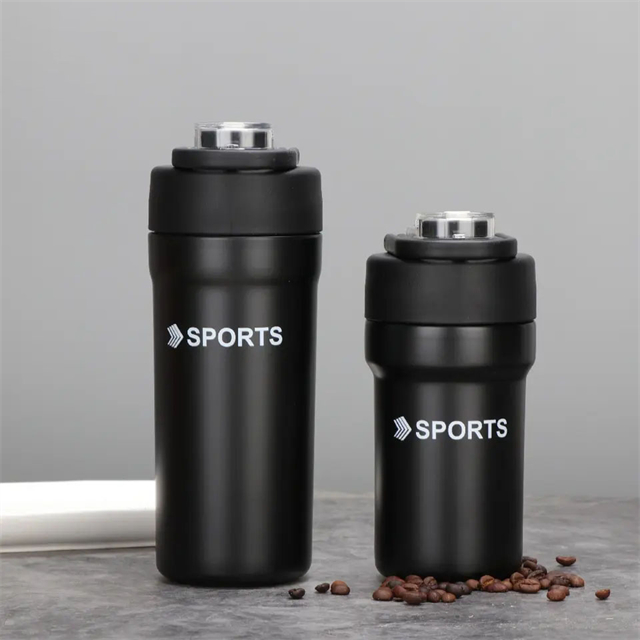
Even the best engineering has limits. Understanding how these bottles fail and how to maintain them will extend their lifespan significantly.
The vacuum seal is permanent, but it is not invincible. The most common cause of failure is a severe drop, particularly onto a sharp rock or corner. If the impact dents the outer wall deeply enough to touch the inner wall, the thermal bridge is re-established, and conduction resumes. Alternatively, a puncture can break the seal, allowing air to rush in.
Diagnostic: To check if your bottle is dead, pour boiling water into it. Wait 30 seconds and touch the outside of the bottle (below the neck). If the metal feels hot to the touch, the insulation has failed. The heat is passing straight through.
While stainless steel is dishwasher safe, the vacuum seal and exterior powder coatings often are not. The high heat and intense water pressure of a dishwasher can degrade the finish or expand the air inside the vacuum port (usually sealed with a glass or metal bead at the bottom), causing it to fail. Hand-washing with warm soapy water and a bottle brush is the safest protocol.
Users must also be vigilant about the "Gasket Trap." Every leak-proof lid uses a rubber or silicone O-ring. Moisture gets trapped behind this ring, creating a breeding ground for black mold. It is essential to remove this gasket periodically for deep cleaning.
Two critical warnings for new users involve freezers and carbonation.
Do not freeze: Placing a sealed bottle in the freezer is dangerous. As the liquid inside freezes, it expands. This expansion can deform the inner wall, pushing it against the outer wall and destroying the vacuum.
Carbonation Caution: Unless a bottle is specifically rated for carbonated beverages, avoid them. The gas pressure can build up inside the airtight seal, making the lid difficult to remove or causing it to pop off violently.
An insulated water bottle represents a smart investment in both thermal efficiency and hydration hygiene. It solves the daily annoyances of lukewarm drinks and messy condensation while offering a durable, sustainable alternative to plastic. While the market is flooded with options, remembering that "vacuum insulation" is the engine and "double wall" is merely the chassis will help you make the right choice.
Prioritize reputable manufacturers that utilize 18/8 stainless steel and offer insulated lid options. By understanding the physics and caring for the vacuum seal properly, your vessel will serve as a reliable tool for daily hydration for years, not months.
A: A double-wall bottle simply has two layers of material, often with air trapped between them. Air still conducts heat, so insulation is minimal. Vacuum-insulated bottles remove the air from that gap, creating a vacuum. Since heat cannot travel through a vacuum via conduction or convection, these bottles retain temperature significantly longer—keeping drinks cold for 24+ hours compared to 2-4 hours for standard double-wall bottles.
A: No. Freezing is ineffective because the insulation prevents the cold air from reaching the liquid inside. More importantly, liquids expand when they freeze. This expansion can deform the inner steel wall, causing it to bulge or breach the vacuum seal, effectively destroying the bottle's insulating properties.
A: If your bottle suddenly feels hot or cold to the touch on the outside, the vacuum seal has likely been compromised. This usually happens after a hard drop that dents the outer wall enough to touch the inner wall, or due to dishwasher heat damaging the seal. Once the vacuum is lost, it cannot be repaired.
A: Generally, yes. While they are heavier than single-wall plastic, the benefits of temperature control and zero condensation outweigh the weight penalty for most daily activities like commuting, gym use, or office work. The only exception might be ultralight long-distance backpacking, where every ounce counts.
A: High-quality vacuum-insulated stainless steel bottles typically keep water ice-cold for 24 hours or longer. Hot beverages generally stay hot for 10 to 12 hours. Lower-quality bottles with standard air gaps or foam insulation will only maintain temperature for about 4 to 6 hours.
