


Call Us Now
Phone:
+86-137-2797-2500 
Views: 0 Author: Site Editor Publish Time: 2026-02-17 Origin: Site
Insulated water bottles have revolutionized how we stay hydrated throughout the day, but timing their use correctly can dramatically enhance their effectiveness. Whether you're considering a stainless steel insulated water bottle, an insulated water bottle with straw lid, or a durable insulated water bottle with advanced features, understanding optimal usage times ensures you maximize your investment. This comprehensive guide explores the science behind insulation technology, identifies ideal scenarios for different bottle types, and provides actionable recommendations for when these vessels truly shine. From morning commutes to extreme outdoor adventures, we'll examine how temperature retention capabilities align with various activities and environmental conditions, helping you choose and use the best insulated water bottle for your specific needs.
Insulated water bottles utilize double-wall vacuum technology to maintain beverage temperatures for extended periods. The space between the inner and outer stainless steel walls contains virtually no air molecules, eliminating heat transfer through convection and conduction. This engineering marvel allows quality bottles from insulated water bottle manufacturers to keep cold drinks chilled for 24+ hours and hot beverages warm for 12+ hours.
The effectiveness of this insulation depends on several factors: the quality of the vacuum seal, the thickness of the steel walls, and the presence of copper or reflective coatings that further reduce radiant heat transfer. Premium manufacturers implement rigorous quality control to ensure consistent performance across their product lines.
Modern stainless steel insulated water bottles achieve impressive temperature maintenance through precision engineering:
| Temperature Scenario | Duration | Ideal Conditions |
|---|---|---|
| Ice-cold water (32°F/0°C) | 24-36 hours | Bottle pre-chilled, minimal openings |
| Cold beverages (40-50°F/4-10°C) | 36-48 hours | Full capacity, sealed lid |
| Hot beverages (140-160°F/60-71°C) | 12-18 hours | Pre-heated bottle, insulated lid |
| Hot liquids (180°F/82°C+) | 6-10 hours | Immediate consumption window |
These figures represent optimal conditions with high-quality bottles. Real-world performance varies based on external temperatures, frequency of opening, and liquid volume.
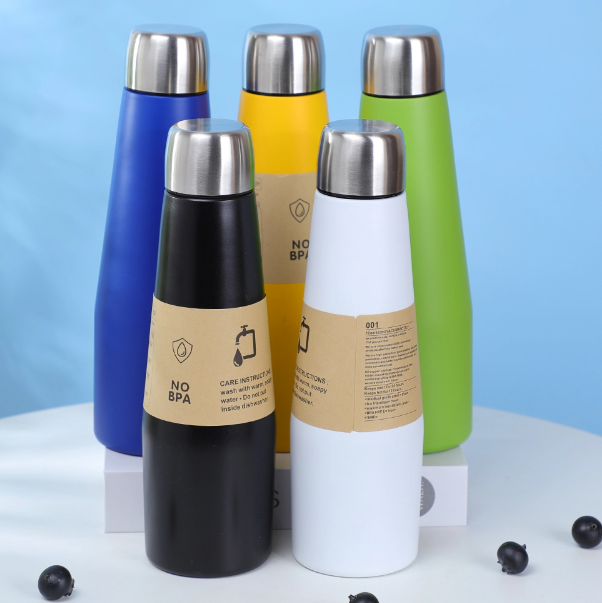
The morning commute represents an ideal time for insulated water bottles. Whether you're filling your bottle with hot coffee at 6 AM or ice water for the day ahead, temperature retention ensures your beverage remains perfect upon arrival. A double-walled wholesale sport stainless steel water bottle maintains morning coffee temperature during 30-90 minute commutes without risk of burns from overheated exterior walls.
For office workers, the 8-hour workday perfectly aligns with insulation capabilities. Fill a durable insulated water bottle with ice water before leaving home, and it remains refreshingly cold through afternoon meetings. This eliminates wasteful trips to water coolers or vending machines while ensuring optimal hydration throughout your workday.
Outdoor enthusiasts experience the greatest benefits from insulated water bottles during extended activities. Hiking, camping, and trail running create scenarios where temperature control becomes critical for both enjoyment and safety.
During summer hiking, an insulated water bottle with straw lid filled with ice water provides crucial refreshment on exposed trails where temperatures soar. The straw lid design allows quick, convenient hydration without removing heavy backpacks or breaking stride. Quality insulation ensures that water remains cold even after 6-8 hours on the trail under direct sunlight.
Winter sports enthusiasts rely on hot beverages for warmth and morale. A best insulated water bottle filled with hot tea or soup maintains temperature during ski sessions, snowshoeing expeditions, or winter camping trips where external temperatures drop below freezing. The combination of vacuum insulation and secure lids prevents freezing while keeping contents steaming hot.
High-intensity workouts demand proper hydration, and stainless steel insulated water bottles excel in gym environments. Pre-workout hydration with cold water helps regulate body temperature before exercise begins. During workouts lasting 60-120 minutes, insulated bottles keep water refreshingly cold despite warm, humid gym conditions.
An insulated water bottle with paracord handle offers practical advantages during circuit training or outdoor boot camps. The handle provides secure grip with sweaty hands, while the paracord can be attached to gym bags or equipment. The insulation ensures your water stays cold from warm-up through cool-down, encouraging consistent fluid intake.
Air travel, road trips, and international journeys present unique challenges where insulated water bottles prove invaluable. Airport terminals and airplane cabins feature extreme temperature variations and limited beverage access. Fill your bottle before security screening (after emptying), then refill past the checkpoint. Your durable insulated water bottle maintains water temperature throughout delays, layovers, and flights.
Road trips spanning 6-12 hours benefit enormously from quality insulated bottles. Families using BPA-free leakproof children's insulated vacuum stainless steel thermos bottles ensure kids have safe, cold drinks without frequent convenience store stops. The leakproof design prevents spills in vehicles while maintaining beverage quality across state lines.
Summer months from June through August represent peak season for insulated water bottles. When ambient temperatures exceed 85°F (29°C), standard water bottles fail rapidly—liquids warm to uncomfortable temperatures within 30-60 minutes. Premium stainless steel insulated water bottles combat this heat effectively.
Best practices for summer use:
Pre-chill bottles overnight in refrigerators
Add ice cubes to maximize cold retention
Choose lighter colors that reflect rather than absorb heat
Utilize bottles with straw lids for easy access during active pursuits
Refill with ice water rather than allowing complete depletion
Beach trips, poolside relaxation, and summer festivals become far more enjoyable with properly insulated hydration. The combination of intense sun exposure and physical activity increases dehydration risk, making cold water access essential for health and comfort.
Cold weather months transform insulated water bottles into vessels for warmth and comfort. When temperatures drop below 40°F (4°C), hot beverages provide both hydration and thermal regulation. The best insulated water bottle for winter features wide-mouth openings for easy filling with soups or stews alongside traditional hot drinks.
Winter commuters appreciate arriving at destinations with perfectly heated coffee or tea. Ski resorts, ice fishing expeditions, and winter construction work all benefit from reliable hot liquid storage. Pre-heating bottles with hot water before filling ensures maximum temperature retention throughout the day.
Moderate seasons showcase the versatility of insulated water bottles. Daily temperature swings of 20-30°F require hydration solutions that adapt to changing conditions. Start morning dog walks with hot tea in your insulated water bottle with paracord handle, then switch to cold water for afternoon activities.
These transitional months prove ideal for testing bottle performance across temperature ranges. Understanding how your specific model handles various scenarios prepares you for more extreme seasonal demands.
The timing of insulated water bottle use around intense exercise significantly impacts performance and recovery. Pre-exercise hydration beginning 2-3 hours before workouts establishes proper fluid balance. Cold water from stainless steel insulated water bottles during this window aids nutrient absorption and temperature regulation preparation.
During workouts, the first 30 minutes prove critical for maintaining hydration momentum. Bottles with straw lids facilitate drinking without interrupting exercise flow. Post-workout, the 30-minute recovery window benefits from continued cold water access as the body gradually cools and rehydrates.
| Exercise Phase | Timing | Temperature Preference | Bottle Features |
|---|---|---|---|
| Pre-workout | 2-3 hours before | Cool (50-60°F/10-15°C) | Standard lid, easy filling |
| During exercise | Throughout session | Cold (35-45°F/2-7°C) | Straw lid, handle, leakproof |
| Post-workout | 0-30 minutes after | Cold to cool | Wide mouth for ice, easy cleaning |
| Recovery | 30 minutes - 2 hours | Room to cool | Standard insulation maintenance |
Construction workers, landscapers, and outdoor professionals face prolonged exposure to environmental extremes. Durable insulated water bottles built to withstand jobsite conditions become essential tools rather than mere accessories.
Morning fills with ice water serve 8-12 hour shifts in summer heat. The most effective timing involves starting with maximum ice content, as gradual melting maintains optimal drinking temperature throughout the day. Workers report significantly improved hydration compliance when water remains cold versus warming to ambient temperatures.
Winter outdoor workers benefit from mid-morning hot beverage fills around 10 AM. This timing ensures maximum temperature retention through lunch and into afternoon hours when cold exposure peaks. The psychological and physical warmth from hot liquids during breaks improves morale and cold tolerance.
Overnight hydration represents an often-overlooked application for insulated water bottles. Bedside bottles filled with cold water before sleep remain perfectly chilled for middle-of-the-night drinking. This proves especially valuable for individuals taking medications, pregnant women, or anyone managing health conditions requiring consistent fluid intake.
The best insulated water bottle for bedroom use features quiet-opening lids that won't disturb sleeping partners. Leakproof construction prevents bedside spills, while insulation eliminates condensation rings on nightstands. Fill bottles around 9-10 PM for optimal temperature through morning hours.
Morning-focused insulated water bottles should prioritize convenience and coffee compatibility. Wide-mouth designs accommodate standard coffee maker carafes for direct pouring. Look for bottles from reputable insulated water bottle manufacturers offering leak-proof lids suitable for commuter bags and cup holders.
The insulated water bottle with straw lid serves dual purposes—hot coffee during commutes, then quick refills with cold water upon arriving at work. This versatility eliminates the need for multiple bottles while maintaining temperature integrity for both beverage types.
Active daytime use demands rugged construction and portable features. An insulated water bottle with paracord handle provides carry convenience while the paracord itself offers emergency utility during outdoor activities. Carabiner-compatible loops enable attachment to backpacks, gym bags, or belt loops.
Straw lid variants excel during driving, cycling, or multitasking scenarios requiring one-handed operation. The sealed straw mechanism prevents spills while maintaining the vacuum seal between sips. This design proves particularly valuable for parents managing children while staying hydrated.
Evening relaxation calls for stainless steel insulated water bottles emphasizing comfort and aesthetics. Powder-coated exteriors provide pleasant tactile experiences while preventing condensation transfer to hands. Larger capacities (32-40 oz) reduce refill frequency during movie nights or reading sessions.
Consider bottles with built-in tea infusers for evening herbal tea preparation. The insulation maintains steeping temperature while preventing over-extraction that occurs in traditional teapots left sitting. This feature transforms your durable insulated water bottle into a versatile evening beverage companion.
Strategic pre-conditioning dramatically enhances insulation performance. For cold beverages, refrigerate empty bottles for 2-3 hours before filling. This pre-chilling reduces the thermal load when adding cold liquids, extending temperature retention by 20-30%. Some users freeze water in their bottles overnight, then top with fresh cold water in the morning for all-day cold refreshment.
Hot beverage preparation benefits similarly from pre-heating. Fill bottles with hot tap water 5-10 minutes before adding coffee or tea. This primer brings the stainless steel to elevated temperature, minimizing heat loss to the bottle structure itself. OEM/ODM insulated water bottle solutions often include guidance on pre-conditioning for optimal results.
Understanding optimal refilling windows ensures continuous ideal temperatures. For cold water during workdays, refilling around noon maintains afternoon refreshment as ice melts and temperature gradually rises. Rather than allowing bottles to warm completely, topping off at the 4-6 hour mark extends total cold duration significantly.
Hot beverage users should anticipate the 6-8 hour performance window. Mid-morning coffee fills serve through early afternoon, while post-lunch hot tea maintains warmth into evening hours. Coordinating refills with natural breaks in your schedule maximizes convenience while optimizing thermal performance.
Several common mistakes accelerate temperature loss in insulated water bottles. Leaving lids unsealed between sips allows heat exchange with ambient air—each opening releases trapped cold or hot air. Minimize opening frequency by consuming adequate amounts per drink rather than frequent small sips.
Partial fills reduce insulation effectiveness because the airspace above liquid conducts temperature more readily than vacuum insulation protects against external temperatures. Fill bottles to recommended capacity lines (typically 90-95% full) for optimal performance. The small remaining space accommodates liquid expansion without compromising thermal retention.
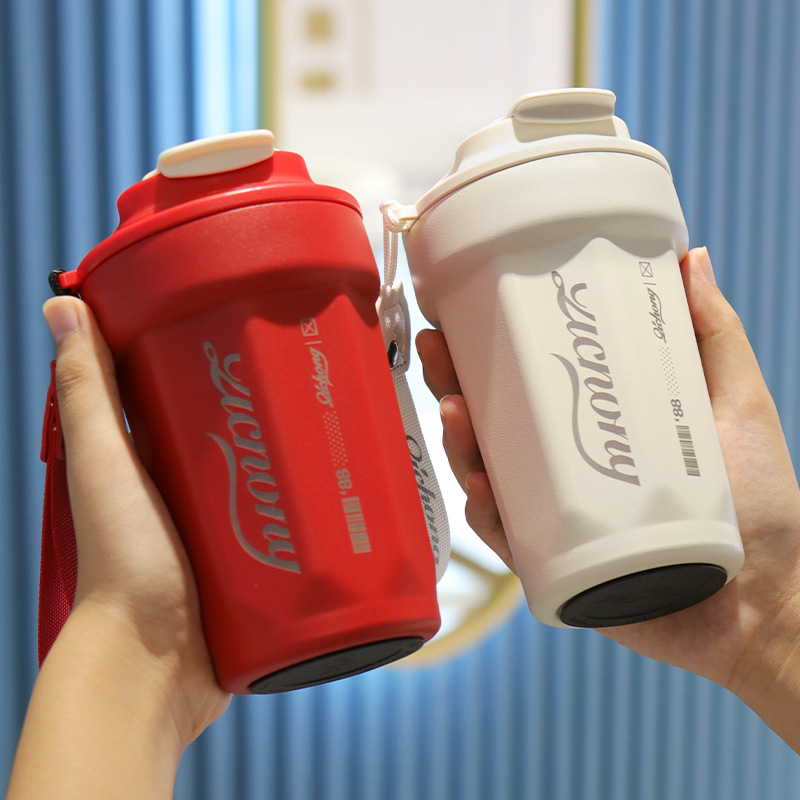
Individuals with medical conditions requiring specific hydration protocols benefit from timed insulated water bottle use. Dialysis patients, athletes managing cramping issues, or people taking temperature-sensitive medications all rely on precise beverage temperatures maintained across specific timeframes.
Custom insulated water bottle solutions address specialized medical needs including graduated measurement markings, reminder systems, and specialized lid designs for limited mobility users. The combination of reliable insulation and adaptive features ensures medical hydration requirements are met consistently throughout treatment protocols.
Extreme environments—whether desert heat exceeding 110°F (43°C) or Arctic cold below -20°F (-29°C)—demand premium insulation performance. In extreme heat, start with maximum ice content and consider bringing backup frozen bottles that gradually thaw, providing continuous cold liquid access during multi-day expeditions.
Extreme cold presents unique challenges as regular water freezes. Fill stainless steel insulated water bottles with hot water before exposure to sub-zero temperatures. The insulation prevents freezing for 8-12 hours, providing critical hydration when external sources solidify. Adventurers often sleep with bottles in sleeping bags to maintain liquid state overnight.
Special events—marathons, concerts, theme parks, or conferences—create distinct hydration needs. Marathon runners benefit from insulated water bottles stationed at home base, providing cold refreshment post-race when dehydration peaks. The temperature retention ensures immediate cold access without searching for ice or refrigeration.
All-day music festivals spanning 8-12 hours test insulation limits. Early morning fills with maximum ice support afternoon heat when sun exposure and crowd density create challenging conditions. The best insulated water bottle for festivals combines large capacity (32+ oz), durable construction, and secure lids that prevent spills in crowded environments.
Proper maintenance timing extends insulated water bottle lifespan and ensures safe hydration. Daily cleaning immediately after use prevents bacterial growth and odor development. Rinse bottles with hot water within 2-3 hours of final use, before residue dries and adheres to surfaces.
Weekly deep cleaning with bottle brushes and mild soap removes mineral buildup and ensures thorough sanitization. Stainless steel insulated water bottles resist odor absorption better than plastic alternatives, but consistent cleaning maintains optimal taste and hygiene. Manufacturer guidelines typically recommend weekly deep cleans for daily users.
Even premium durable insulated water bottles eventually require replacement. Performance degradation typically appears after 3-5 years of daily use, indicated by reduced temperature retention, seal deterioration, or structural damage. Monitoring insulation effectiveness helps identify optimal replacement timing before complete failure.
Upgrading to newer models every 2-3 years provides access to manufacturing improvements and design innovations. Modern bottles from leading insulated water bottle manufacturers incorporate lessons learned from previous generations, offering enhanced performance, ergonomics, and feature sets that justify strategic upgrades.
Q: How long can an insulated water bottle keep drinks cold?
High-quality stainless steel insulated water bottles maintain cold temperatures for 24-36 hours under optimal conditions. Performance depends on external temperature, opening frequency, and initial ice content. Pre-chilling the bottle and using ice maximizes cold retention.
Q: Can I put hot coffee in an insulated water bottle in the morning?
Yes, insulated water bottles excel at maintaining hot beverage temperatures for 6-12 hours. Pre-heat the bottle with hot water for 5 minutes before filling with coffee to maximize heat retention. Ensure your bottle's lid is designed for hot liquids to prevent burns.
Q: What's the best time of day to fill an insulated water bottle?
Fill insulated bottles 30-60 minutes before anticipated use for optimal performance. Morning fills work best for all-day office use, while pre-activity fills suit workouts and outdoor adventures. Coordinate filling with refrigerator access for cold drinks or hot water sources for warm beverages.
Q: Do insulated water bottles work better in summer or winter?
Insulated bottles perform equally well in both seasons but serve different purposes. Summer applications focus on cold retention during heat exposure, while winter use emphasizes hot beverage preservation in freezing conditions. The vacuum insulation technology works bidirectionally with equal effectiveness.
Q: Should I use an insulated water bottle for short trips under 2 hours?
While insulated bottles provide benefits for short durations, their advantages become most apparent during 4+ hour periods. For 2-hour activities, standard bottles may suffice unless extreme temperatures (above 90°F or below 40°F) make temperature maintenance critical for comfort or safety.
The best time to use an insulated water bottle depends on your specific activities, environment, and beverage preferences, but these versatile vessels prove valuable across countless scenarios. From morning commutes to extreme outdoor adventures, stainless steel insulated water bottles ensure your drinks remain at ideal temperatures when you need them most. By understanding insulation technology, optimizing fill timing, and matching bottle features to your activities, you maximize both performance and value. Whether you choose an insulated water bottle with straw lid for active pursuits or a durable insulated water bottle for daily use, strategic timing transforms good hydration habits into exceptional ones. Invest in quality products from reputable manufacturers, maintain them properly, and enjoy perfectly temperatured beverages whenever and wherever life takes you.
