


Call Us Now
Phone:
+86-137-2797-2500 
Views: 0 Author: Site Editor Publish Time: 2026-01-20 Origin: Site
Standing in the container aisle creates a specific kind of paralysis for modern consumers. On one side, you see colorful, lightweight plastic options that promise convenience; on the other, sleek, heavy stainless steel containers that promise longevity. It feels like a simple choice between ease of use and durability. However, the stakes go deeper than just aesthetics or how heavy your bag feels. This decision impacts three critical pillars of your daily life: chemical safety, the thermodynamics of how your food stays hot or cold, and the total cost over time. We need to look past the "BPA Free" stickers and understand what really happens when our food touches these materials.
For office workers and parents alike, the lunch container is a daily companion. Choosing the wrong one leads to cold meals, leaky bags, and stained plastic that smells like last week's curry. This guide provides a skeptical, evidence-based comparison to help you choose the right Bento Lunch Box for your specific routine, moving beyond marketing fluff to the hard facts of daily use.
The "BPA Free" Trap: "BPA Free" plastic often contains BPS or BPF, which pose similar endocrine disruption risks; stainless steel is chemically inert.
Thermal Reality: Stainless steel with vacuum insulation is the only passive way to keep food hot (4–6 hours); plastic requires active reheating (microwave or electric options).
The Hygiene Gap: Plastic and silicone are porous, leading to retained odors and permanent tomato/curry stains; steel is non-porous and sanitizable.
ROI Verdict: While steel costs 2-3x more upfront, it typically outlasts plastic (which suffers hinge fatigue and warping) by 5+ years, offering a lower long-term cost.
When you see a label screaming "BPA Free," it feels like a safety guarantee. In reality, it is often just a marketing term. Manufacturers removed Bisphenol A (BPA) due to consumer outcry, but they still need chemicals to make plastic hard and transparent. This led to what toxicologists call "regrettable substitutions."
Many plastics now use Bisphenol S (BPS) or Bisphenol F (BPF) as direct replacements. These compounds share a nearly identical structural property to BPA. Consequently, they pose similar risks regarding endocrine disruption. Research suggests these substitutes can leach into food just like their predecessor, especially when the container undergoes temperature fluctuations. Buying a BPA Free Bento Lunch Box solves one problem but might introduce another.
In contrast, high-quality metal containers use 304 (18/8) Food Grade Stainless Steel. This alloy contains 18% chromium and 8% nickel, creating a surface that is chemically inert. It does not react with acidic foods like tomato sauce, citrus dressings, or vinegar. You can pack a hot lasagna or a cold fruit salad without worrying about chemical migration. A Stainless Steel Bento Lunch Box offers a zero-leaching environment, regardless of what you put inside it.
Another often overlooked safety factor is physical degradation. Over time, plastic containers develop microscopic scratches from utensils and cleaning. These abrasions eventually begin shedding microplastics directly into your meal. Metal containers may scratch, but they do not shed particles. They maintain their structural integrity for decades, ensuring your food remains free of physical contaminants.
Keeping lunch at the right temperature is a battle against thermodynamics. Your choice of material dictates whether you need a microwave or if you can eat directly from the container.
The gold standard for passive heat retention is double-wall vacuum insulation. This construction creates an airless void between two layers of steel, eliminating heat transfer via conduction or convection. A high-quality insulated steel bento can keep soup or chili hot for 4–6 hours. It also keeps salads crisp and cold for up to 12 hours. This solution is ideal for students or field workers who lack access to kitchen appliances.
Plastic has one massive advantage: it is microwave-transparent. If your office has a microwave, a plastic container allows you to enjoy a "piping hot" meal on demand. Passive steel containers cannot match the temperature of a freshly microwaved meal. However, you must ensure the plastic is rated for microwave use to minimize chemical leaching.
For those who want active heating but lack a microwave—such as truck drivers or desk-bound professionals—technology offers a hybrid solution. An Electric Bento Lunch Box uses a built-in heating element to warm food slowly. These devices act like portable slow cookers. While often made of plastic or hybrid materials, a Heated Bento Lunch Box bridges the gap between the two categories.
Single-wall stainless steel boxes offer a unique "life hack" that plastic cannot touch. You can use the container itself as a baking dish. Prepare a pasta bake or shepherd's pie the night before, bake it directly in the steel container (lid off), and store it in the fridge. The next morning, you simply grab it. If you have a toaster oven at work, you can reheat the meal in the same vessel. This versatility simplifies meal prep significantly.
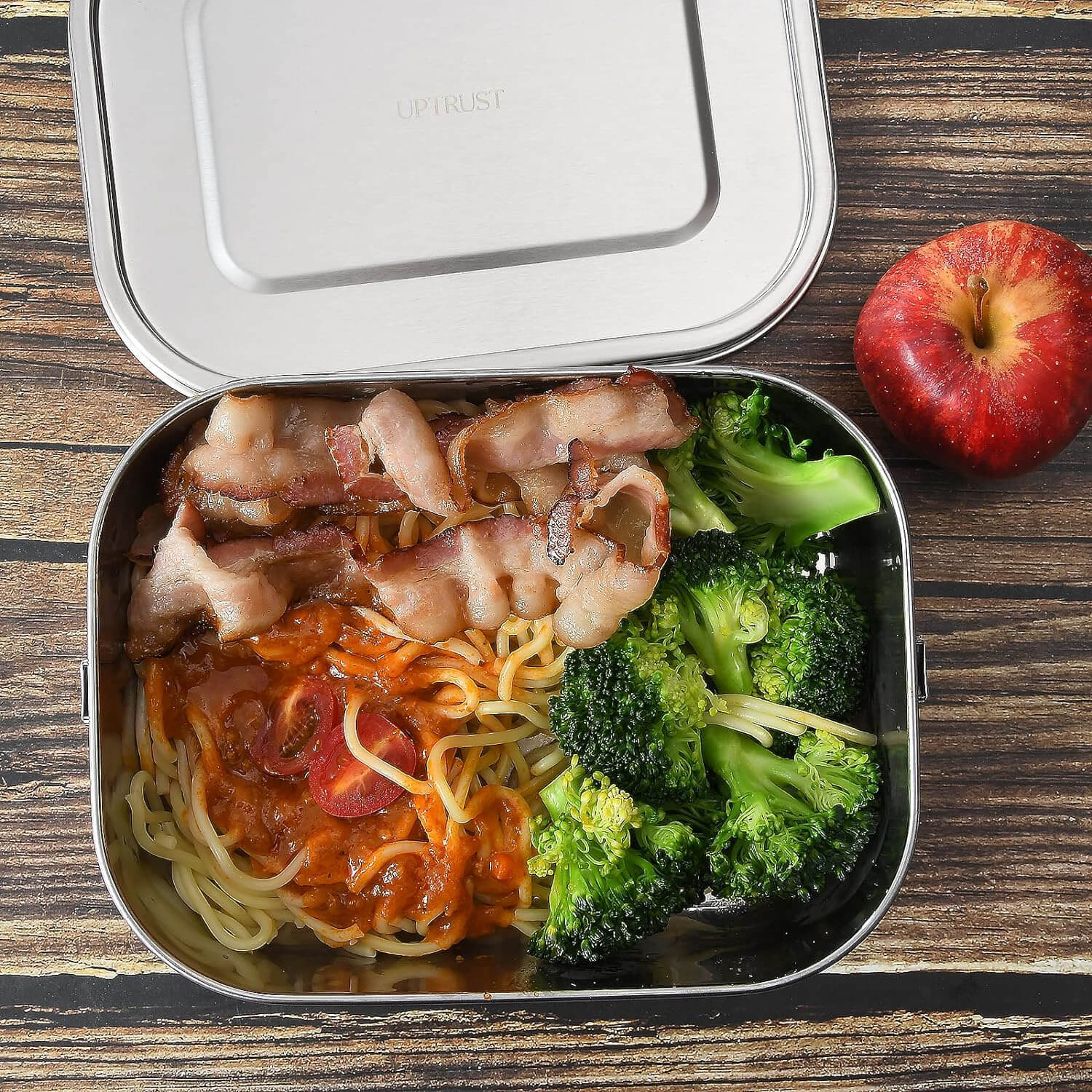
Daily use exposes lunch boxes to harsh conditions. They get tossed into bags, dropped on floors, and filled with pungent foods. The material you choose determines how clean your container stays over time.
Under a microscope, plastic surfaces look like a sponge. They are porous. When you pack curry, spaghetti bolognese, or garlicky stir-fry, the oils and pigments seep into these pores. This results in the infamous "orange stain" that never washes away. Worse, the odors get trapped. A plastic box used for fish on Monday will likely still smell like fish on Friday. Stainless steel is non-porous. It rinses completely clean with zero residual smell, no matter how spicy or oily the previous meal was.
The primary failure point for hygiene is usually the seal. Most Leak-Proof Bento Lunch Box designs rely on silicone rings. In plastic boxes, these seals are often fused or difficult to remove. Moisture gets trapped behind them, leading to black mold spots that are impossible to clean. High-end steel boxes typically feature fully removable seals. You can take them out, boil them, and sanitize them completely, ensuring no mold ever takes root.
| Feature | Plastic Bento | Stainless Steel Bento |
|---|---|---|
| Odor Retention | High (Absorbs smells) | None (Rinses clean) |
| Stain Resistance | Poor (Stains easily) | Excellent (Impervious) |
| Mold Risk | High (Trapped moisture) | Low (Sanitizable parts) |
| Impact Durability | Cracks/Shatters | Dents (Remains functional) |
Durability is also mechanical. Plastic containers often use "living hinges"—thin strips of plastic that bend to lock the lid. After a few hundred cycles, the plastic whitens from stress and eventually snaps. Once a latch breaks, the box is useless. Steel containers use mechanical hinges or separate clips. If dropped on concrete, steel might dent, but it will not shatter or crack like rigid plastic or glass.
Even the safest box is useless if it is too heavy to carry or too hard to open. Logistics play a huge role in user satisfaction.
Stainless steel is significantly heavier than plastic. For a small child or a commuter with a laptop-heavy backpack, this weight adds up. A double-wall insulated steel box can weigh over a pound when empty. In contrast, a plastic equivalent weighs mere ounces. If minimizing pack weight is your absolute priority, plastic currently holds the advantage.
Creating a watertight seal requires pressure. Steel containers often use tight clamps to compress the silicone seal. These clips can be difficult for toddlers or young children to manipulate. Plastic boxes usually feature "snap" lids that are more forgiving and easier for small hands to open. If you are buying for a kindergartner, you must verify they can open the latch independently.
Form factor matters for packability. A Square bento lunch box might fit perfectly in a child's backpack but awkwardly in a slim briefcase. Rectangular designs generally pack better alongside books and laptops. Furthermore, aesthetics influence the choice. An Office Bento Lunch Box made of polished steel conveys a professional, "grown-up" image. Plastic containers, even high-end ones, often lean toward a juvenile look.
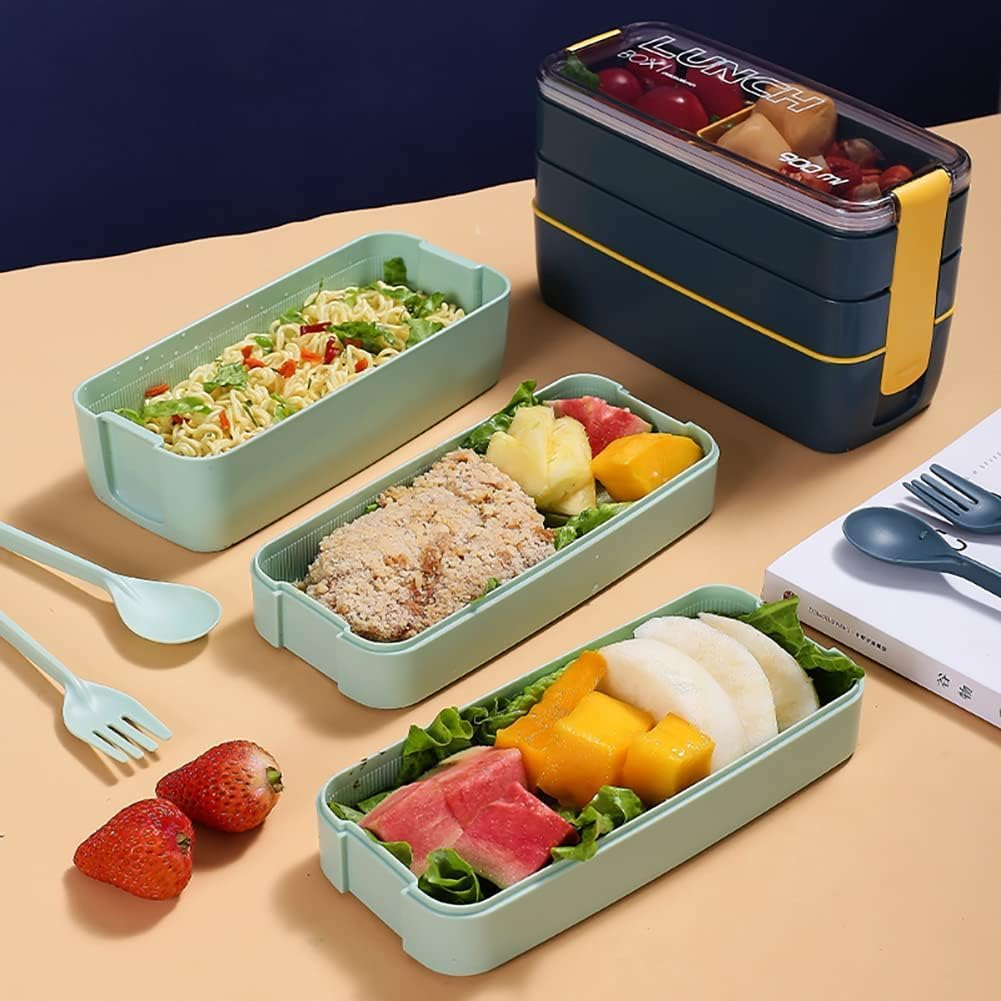
Price tags can be deceiving. The initial cost of a product rarely reflects its actual value over five years of daily use.
Imagine buying a $15 plastic bento box. It works well for six months. Then the lid warps in the dishwasher, or a clip snaps off. You buy another one. Next year, the inside gets permanently stained and smelly, so you replace it again. Over five years, you might spend $75 on five different cheap boxes, contributing five loads of plastic to the landfill.
Conversely, a high-quality stainless steel box might cost $40 to $60 upfront. It feels expensive. However, that single box will likely last indefinitely. It will not warp, crack, or hold odors. If you decide to retire it, the steel is 100% recyclable. Damaged plastic usually ends up in the trash.
A crucial factor in TCO is repairability. A reputable Bento Lunch Box manufacturer of steel products usually sells spare parts. If you lose a lid or a seal wears out, you can buy just that component for a few dollars. Generic plastic brands rarely offer spare parts; if one piece breaks, you must replace the entire unit.
The battle between plastic and steel is not just about material preference; it is about your priorities. Stainless steel emerges as the superior choice for health, environmental impact, and long-term value. It eliminates chemical risks, resists odors, and outlasts plastic by years. However, plastic remains a niche solution for those who prioritize ultra-low weight or require microwave access for their daily meals.
Choose Stainless Steel if: You want zero chemical risks, hate food stains and odors, or pack cold lunches and hot food in vacuum containers.
Choose BPA-Free Plastic (High Quality) if: Weight is the absolute priority (e.g., for a 3-year-old) or microwave reheating is non-negotiable for your daily routine.
A: Generally, no. Metal reflects microwaves, which can cause sparking and damage your appliance. However, some modern microwave ovens allow for specific metal shapes, and some hybrid boxes are designed for it, but it is rare. Always assume "no" unless the manufacturer explicitly states otherwise. For reheating steel containers, use a toaster oven (lid removed) or transfer the food to a plate.
A: Remove the ring immediately. Soak it in a solution of warm water and white vinegar (or a mild bleach solution) for 20 minutes. Scrub with a small brush. If the mold has penetrated deep into the silicone pores, you may need to boil it (if the silicone is heat-rated) or replace the seal entirely. Regular drying prevents this issue.
A: It depends on the construction. A single-wall steel box has zero insulation properties; it will get hot to the touch and lose heat rapidly. Only a double-wall, vacuum-insulated stainless steel container can keep food warm for hours without an external heat source like hot water or electricity.
A: Tritan is a high-performance, impact-resistant plastic that is generally considered safer and more durable than standard polypropylene. It mimics the clarity of glass and resists stains better than cheap plastic. However, it is still a synthetic polymer. While better than generic plastic, it lacks the absolute inertness and longevity of 304 stainless steel.
A: The stainless steel container itself is almost always dishwasher safe and will come out sterilized. However, painted or coated exteriors may chip over time in a dishwasher. Additionally, plastic lids or complex silicone seals often require hand washing to prevent warping or seal degradation. Always check the specific care instructions for the lid components.
