


Call Us Now
Phone:
+86-137-2797-2500 
Views: 0 Author: Site Editor Publish Time: 2025-12-03 Origin: Site
Are your kitchen accessories up to the task? Durable kitchen accessories save money and hassle. Certified kitchen accessories ensure safety and quality. In this post, you’ll learn why durability and certification matter. We’ll explore how to choose the best kitchen accessories and manufacturers.
When choosing kitchen accessories, the materials used greatly affect their durability, performance, and safety. Let’s explore the common materials that stand the test of time in kitchens and how to spot quality construction.
Stainless Steel: A favorite for many kitchen tools and appliances. It resists rust, won’t chip or crack, and handles heat well. Items like mixing bowls, knives, and cookware often use stainless steel because it’s strong and easy to clean.
Cast Iron: Known for its excellent heat retention and durability. Cast iron skillets and pans can last a lifetime if properly cared for. They require seasoning to maintain their non-stick surface and avoid rust.
Bamboo: A sustainable wood alternative. Bamboo cutting boards, spoons, and trays are naturally antimicrobial and eco-friendly. They’re lightweight yet sturdy, but need regular oiling to prevent drying and cracking.
Silicone: Flexible and heat-resistant, silicone is popular for spatulas, baking mats, and utensils. Food-grade silicone won’t melt or release harmful chemicals when exposed to heat, making it safe and durable.
Material impacts not just how long an accessory lasts, but also how well it works:
Stainless steel tools resist bending and warping, ideal for heavy-duty tasks.
Cast iron offers even heat distribution but is heavy and requires maintenance.
Bamboo is gentle on cookware surfaces but less resistant to moisture damage.
Silicone withstands high temperatures and doesn’t scratch non-stick pans.
Choosing materials suited to your cooking style and maintenance willingness ensures you get the best performance and lifespan.
Cheap plastic or low-quality metal accessories may save money upfront but often wear out quickly, adding to landfill waste. Durable materials like stainless steel and bamboo reduce the need for frequent replacements, lowering environmental footprints. Bamboo grows rapidly and requires minimal resources, making it an eco-friendly choice.
Check for solid joints and seamless edges to avoid weak points where items can break.
Look for certifications or quality marks indicating food safety and material standards.
Test the weight and feel—good materials often feel balanced and sturdy.
Inspect finishes—smooth, polished surfaces resist stains and bacteria buildup.
Avoid visible welds or glue on handles or parts; these can weaken over time.
Investing in well-constructed kitchen accessories made from durable materials pays off in safety, efficiency, and sustainability.
Tip: When selecting kitchen accessories, prioritize materials like stainless steel or bamboo that combine durability, performance, and environmental benefits for long-term kitchen success.
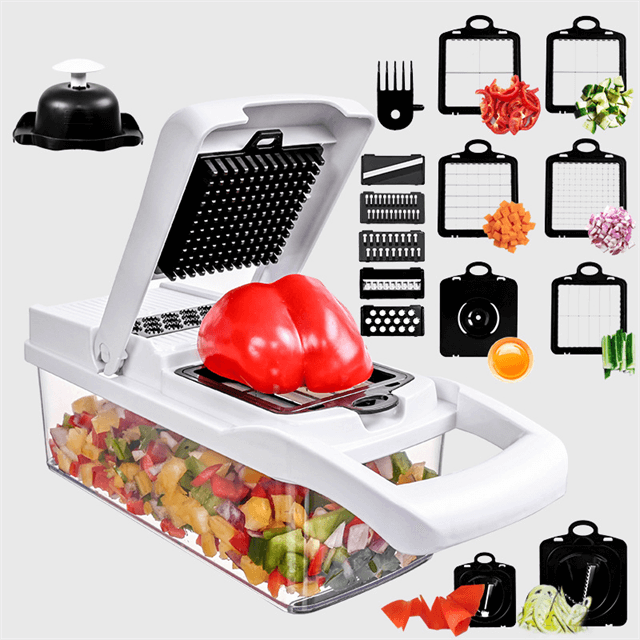
Choosing kitchen accessories that are both durable and certified ensures safety, quality, and peace of mind. Certifications act as proof that products meet strict standards for food safety, material quality, and manufacturing processes. Here’s what you need to know when looking for certified kitchen accessories.
FDA (Food and Drug Administration): In the United States, the FDA regulates materials that come into contact with food. Look for FDA approval to confirm kitchen accessories are safe for food use and free from harmful chemicals.
ISI (Indian Standards Institute): ISI certification indicates compliance with Indian quality and safety standards. It’s essential for kitchen tools sold in India, ensuring durability and safety.
ISO (International Organization for Standardization): ISO certifications, such as ISO 9001, focus on quality management systems. Manufacturers with ISO certification demonstrate consistent production quality, which translates into reliable kitchen accessories.
Food Safety Certifications: Certifications like NSF (National Sanitation Foundation) or HACCP (Hazard Analysis and Critical Control Points) ensure products meet hygiene and safety criteria, especially important for commercial kitchens.
Certifications require rigorous testing of materials and manufacturing processes. They ensure products:
Don’t leach harmful substances into food.
Are made from non-toxic, food-grade materials.
Withstand regular use without degrading.
Comply with hygiene and sanitation standards.
Buying certified accessories reduces risks like chemical contamination, allergic reactions, or premature wear.
Check for official logos or marks on packaging or the product itself.
Verify certification numbers or batch codes through official certification bodies' websites.
Beware of counterfeit or fake labels; buy from reputable sellers or manufacturers.
Look for detailed product information mentioning the certifying authority.
Manufacturers with proper certifications:
Follow strict quality control during production.
Use approved materials that are safe and durable.
Offer warranties or guarantees backed by their certification.
Are more likely to comply with local and international regulations.
Purchasing from certified manufacturers ensures your kitchen accessories are reliable, safe, and built to last.
Tip: Always verify certification authenticity by checking official registries or contacting certifying bodies before purchasing kitchen accessories to ensure genuine quality and safety.
Selecting the right manufacturer for your kitchen accessories is crucial. It ensures you get durable, certified products that meet safety standards and perform well over time. Here’s how to make the best choice.
Certification and Compliance: Choose manufacturers who hold certifications like FDA, ISO, or ISI. This guarantees their products meet quality and safety standards.
Experience and Expertise: Look for companies with a proven track record in producing kitchen accessories. Experienced manufacturers often have better quality control and innovation.
Product Range and Customization: A broad product range lets you source multiple accessories from one place. Also, check if they offer customization to suit your specific needs.
Material Sourcing and Sustainability: Responsible manufacturers source high-quality, durable materials and follow eco-friendly practices.
After-Sales Support: Reliable manufacturers provide warranties, customer service, and support for any issues after purchase.
Check Reviews and Testimonials: Online reviews and customer feedback reveal real-world product performance and service quality.
Request Certifications Proof: Ask for copies of their certifications to confirm authenticity.
Visit Manufacturing Facilities: If possible, tour their production sites to inspect quality control processes.
Ask for Samples: Testing samples helps assess material quality, construction, and finish.
Verify Business Credentials: Confirm company registration, years in business, and client portfolio.
Consistent Product Quality: Certified manufacturers adhere to strict quality standards, reducing defects.
Safety Assurance: Certified products minimize health risks from harmful materials or poor design.
Durability and Longevity: Experienced manufacturers know how to build accessories that last.
Regulatory Compliance: Certified manufacturers ensure products meet local and international regulations, easing import/export concerns.
Better Customer Support: Established companies often provide warranties and responsive service.
What certifications do your products and facilities hold?
Can you provide references or customer testimonials?
How do you ensure quality control during production?
What materials do you use, and are they sustainably sourced?
Do you offer product customization or private labeling?
What warranty and after-sales services do you provide?
Can you supply product samples for evaluation?
How do you handle product recalls or defects?
Choosing the right kitchen accessories is key to building a functional and safe kitchen. Durable and certified items not only last longer but also ensure safety, hygiene, and efficiency. Let’s explore must-have kitchen accessories that combine durability and certification for every kitchen setup.
Chef’s Knives and Paring Knives
High-quality stainless steel knives with certified food-grade materials are essential. They stay sharp longer and resist rust, making food prep safer and more efficient.
Cutting Boards
Opt for certified bamboo or hardwood boards. Bamboo offers natural antimicrobial properties, while certified plastic boards with color-coding help prevent cross-contamination.
Mixing Bowls
Stainless steel or glass mixing bowls are durable and easy to clean. Certified food-safe materials ensure no harmful chemicals leach into your food.
Measuring Cups and Spoons
Stainless steel or BPA-free plastic measuring tools with certification guarantee accuracy and safety during cooking.
Utensils (Spatulas, Spoons, Tongs)
Food-grade silicone or stainless steel utensils withstand heat and frequent use. Certified products avoid toxic materials, ensuring safe contact with food.
Food Storage Containers
Glass containers with airtight lids are ideal for durability and food safety. Certified BPA-free plastic containers also offer lightweight options but verify their certification.
Canisters and Jars
Stainless steel or glass canisters with certified seals keep ingredients fresh and safe from contamination.
Refrigerator and Pantry Organizers
Durable organizers made from certified materials help maintain hygiene and prolong food freshness.
Certification matters for items in direct contact with food:
Cutting Boards
Look for FDA or equivalent certifications confirming food safety. Bamboo boards with certification ensure antimicrobial safety.
Knives
Certified stainless steel knives guarantee non-toxic metals and safe manufacturing processes.
Cooking Utensils
FDA-approved silicone or stainless steel utensils ensure heat resistance and no chemical leaching.
Cast Iron Skillets
Pre-seasoned, certified cast iron cookware offers unmatched durability and even heating.
Stainless Steel Cookware Sets
Certified to meet safety and quality standards, these sets resist corrosion and last decades.
Certified Food Processors and Blenders
Appliances with safety certifications ensure electrical and food safety compliance.
Oven Mitts and Heat-Resistant Gloves
Certified silicone mitts protect hands from burns and are dishwasher safe for hygiene.
Tip: Always check for certification labels like FDA, ISI, or ISO on kitchen accessories to guarantee safety and durability before purchasing. This ensures your kitchen tools meet health standards and last longer.
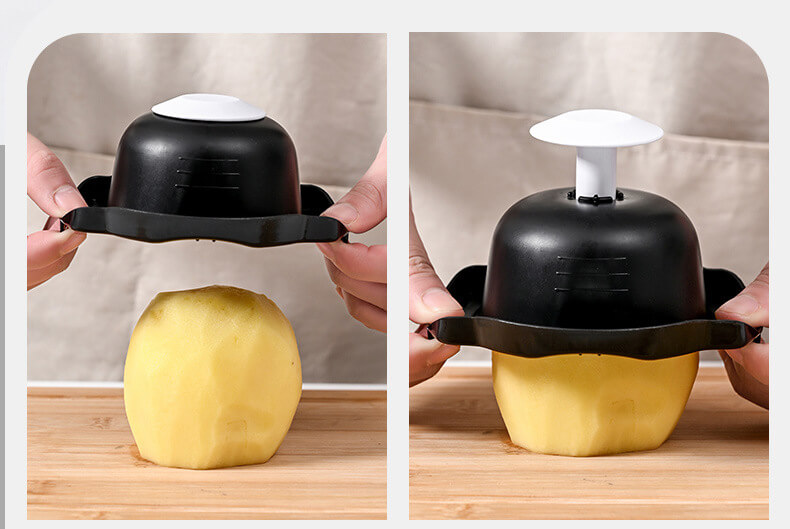
Keeping your kitchen accessories in top shape ensures they last longer and stay safe to use. Proper maintenance preserves their durability and hygiene, helping you get the most value from your investment.
Follow Manufacturer Instructions: Always check cleaning guidelines on labels or manuals. Some items require hand washing, while others are dishwasher safe.
Use Mild Detergents: Harsh chemicals can degrade materials or coatings. Opt for gentle, food-safe soaps.
Avoid Abrasive Tools: Scrubbers or steel wool can scratch surfaces, especially on bamboo, silicone, or non-stick items.
Dry Thoroughly: Moisture can cause rust on metals or warping in wood and bamboo. Use a clean towel or air dry completely before storage.
Sanitize Regularly: For cutting boards and utensils, sanitize with diluted vinegar or food-safe sanitizers to prevent bacteria buildup.
Store Properly: Keep items in dry, ventilated areas. Avoid stacking heavy items on delicate accessories to prevent damage.
Season Cast Iron: Regularly oil cast iron cookware to maintain seasoning and prevent rust.
Sharpen Knives: Maintain blade sharpness using honing rods or professional sharpening to reduce wear and enhance safety.
Rotate Usage: Avoid overusing a single tool. Rotating use can reduce wear and tear.
Use Correct Tools for Tasks: Don’t use cutting boards as trivets or knives for opening cans; misuse can cause premature damage.
Avoid Extreme Temperatures: Rapid temperature changes can crack glass or warp bamboo.
Handle with Care: Avoid dropping heavy or sharp tools which can cause dents or chips.
Prevent Cross-Contamination: Use color-coded cutting boards and clean utensils thoroughly between uses.
Inspect Regularly: Look for cracks, chips, rust spots, or loose handles.
Replace Cutting Boards: Deep grooves harbor bacteria and can’t be fully sanitized.
Discard Damaged Knives: Blunt or chipped blades are unsafe and inefficient.
Swap Worn Silicone or Wooden Utensils: Signs of melting, cracking, or splintering indicate it's time for replacement.
Follow Safety Guidelines: Replace any accessory that compromises food safety or user protection.
Tip: Schedule routine inspections and cleanings for your kitchen accessories to catch wear early and extend their safe, effective use.
Ensuring safety in kitchen accessories is crucial. These tools come into direct contact with food and hands. Poorly made items can cause injuries or contaminate food. That’s why safety features and compliance with standards matter.
Kitchen accessories must protect users from burns, cuts, or other accidents. For example, handles on pots and pans should stay cool to the touch. Cutting boards and knives need to be designed to reduce slipping or accidental cuts. Heat-resistant materials prevent melting or releasing harmful chemicals. Safety features also include non-slip bases and ergonomic grips to avoid accidents during use.
Certified kitchen accessories have passed tests proving they meet strict safety and health rules. Certifications ensure materials won’t leach toxins into food or degrade under heat. They also confirm products resist bacteria buildup, which is vital for hygiene. For businesses, using certified accessories helps comply with local health codes and international food safety laws. This lowers risks of fines or health hazards.
Dishwasher-safe accessories make cleaning easier and more effective. High dishwasher temperatures kill germs better than hand washing. This keeps kitchen tools hygienic and safe to use. Materials like stainless steel, silicone, and certain plastics withstand dishwasher cycles without damage. Choosing dishwasher-safe items supports good kitchen hygiene and saves time.
Kitchen accessories must comply with standards like FDA (USA), ISI (India), ISO, or NSF. These set rules for food contact safety, durability, and hygiene. Checking for these certifications helps buyers trust products meet legal and safety requirements. Buying from certified manufacturers reduces risks of counterfeit or unsafe products. It also ensures accessories perform well under typical kitchen conditions.
Tip: Always verify kitchen accessories carry valid certification marks and are dishwasher safe to ensure top hygiene and compliance with safety standards.
Investing in durable and certified kitchen accessories might seem costly upfront. However, it pays off handsomely over time. Let’s break down why spending more initially saves money and hassle later.
Durable kitchen accessories last years longer than cheap alternatives. This means fewer replacements, less waste, and lower overall costs. For example, a high-quality stainless steel knife stays sharp longer, reducing the need for frequent sharpening or buying new knives. Similarly, cast iron pans can last generations when maintained well, cutting replacement costs drastically.
Durability also means accessories perform better. Efficient tools reduce cooking time and energy use, saving on utility bills. They resist damage, preventing accidents or food waste caused by faulty tools.
Certified kitchen accessories meet strict safety and quality standards. This reduces risks like chemical contamination, burns, or foodborne illnesses. Avoiding these hazards prevents costly medical bills, legal issues, or product recalls.
For businesses, using certified products ensures compliance with health regulations, avoiding fines or shutdowns. Certified accessories also come with warranties or guarantees, offering peace of mind and financial protection.
Prioritize certifications such as FDA, ISI, or ISO to ensure safety and quality.
Choose materials known for durability like stainless steel, cast iron, bamboo, or food-grade silicone.
Evaluate total cost of ownership including purchase price, maintenance, and replacement frequency.
Buy from reputable manufacturers offering warranties and after-sales support.
Consider multi-functional items to reduce the number of accessories needed.
Smart buying balances upfront cost with long-term value, efficiency, and safety.
Building a functional and safe kitchen starts with choosing durable and certified kitchen accessories. Quality materials like stainless steel and bamboo ensure long-lasting performance. Certifications guarantee safety and hygiene, reducing health risks. Always verify authenticity and consider manufacturer reputation when buying. Investing wisely in certified products saves money and enhances kitchen efficiency over time. Start selecting durable, certified kitchen accessories today to enjoy safety and lasting value. Binsly offers reliable, high-quality products designed for lasting kitchen success.
A: Durable kitchen accessories are made from long-lasting materials like stainless steel, cast iron, bamboo, or silicone. Choosing certified kitchen accessories ensures safety, quality, and compliance with food safety standards, protecting your health and investment.
A: Look for manufacturers with certifications such as FDA, ISO, or ISI, positive reviews, verified credentials, and quality control processes. Certified kitchen accessories manufacturers guarantee durable, safe, and high-quality products.
A: Durable kitchen accessories last longer, reduce replacement costs, and maintain performance. Certified kitchen accessories minimize safety risks and often come with warranties, making them cost-effective in the long run.
A: Follow manufacturer cleaning instructions, use mild detergents, avoid abrasive tools, dry thoroughly, and regularly inspect for damage. Proper care extends the lifespan of your durable kitchen accessories.
