


Call Us Now
Phone:
+86-137-2797-2500 
Views: 0 Author: Site Editor Publish Time: 2026-02-13 Origin: Site
You use an ice cooler for camping to keep your food and drinks cold. Insulation slows heat from getting inside, while ice absorbs any warmth. Campers love this method because it keeps food safe, fresh, and tasty. Popular brands like Yeti and binsly help you enjoy meals outdoors.
Insulation is key. It slows heat transfer, keeping your ice and food cold longer.
Pack smart. Pre-chill your cooler and layer ice with food for maximum cooling efficiency.
Choose the right cooler. Look for durability, ice retention, and features that fit your camping needs.
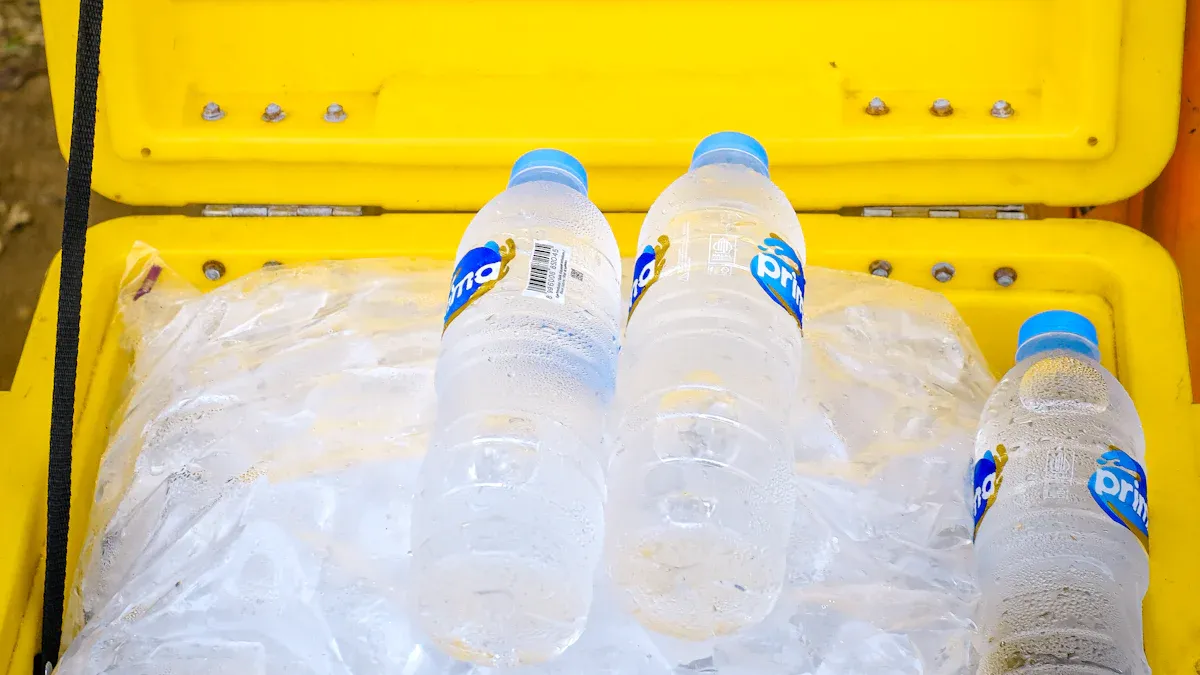
When you pack your food and drinks for a camping trip, you want them to stay cold as long as possible. That’s where the magic of an ice cooler comes in. The secret is insulation. Insulation acts like a shield, slowing down the movement of heat from the outside world into your cooler. This keeps the cold air inside and the warm air out.
Insulation slows down heat transfer, so your ice lasts longer.
It reduces the speed at which heat sneaks into the cooler.
The walls of the ice cooler have special materials that block heat.
Air pockets inside the insulation make it even harder for heat to get through.
You’ll find different materials used in coolers. Some are better at keeping things cold than others. Here’s a quick look:
Insulation Material | Thermal Conductivity (BTU/hr·ft²·°F) |
|---|---|
Extruded Polystyrene | Low |
Cellular Glass | Low |
Polyisocyanurate (PIR) | Moderate |
Polyurethane (PU) | Moderate |
Thicker insulation and strong wall construction help your ice cooler keep things cold for a longer time. Some coolers use rotomolded walls, which can hold cold temperatures for over 60 hours. Others with thinner walls might only last about 38 hours.
Ice is the hero inside your ice cooler. When you add ice, it absorbs any heat that sneaks in. This keeps your food and drinks at a safe, chilly temperature. The more ice you use, the longer everything stays cold.
High-end camping coolers can keep ice for three to five days, depending on the weather and how you use them. That means you can enjoy cold drinks and fresh food for most of your camping trip.
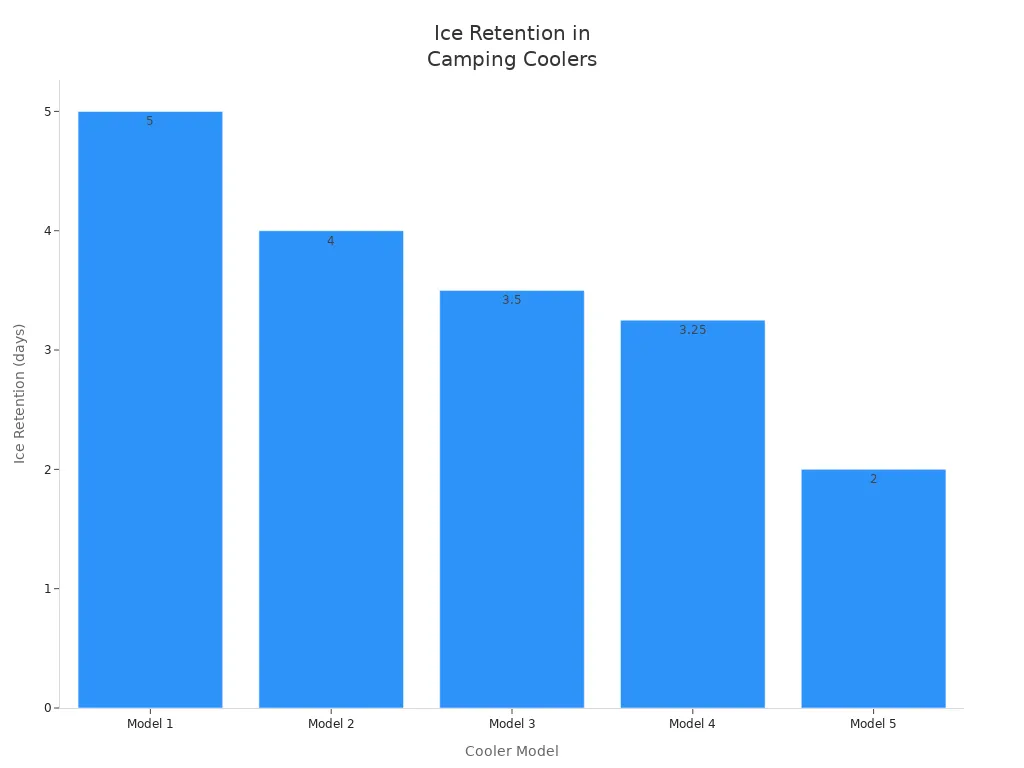
If you want your ice to last, try not to open the cooler too often. Every time you lift the lid, warm air rushes in and cold air escapes. This makes the ice melt faster. So, plan ahead and grab what you need quickly.
Tip: Pack your cooler full. Less empty space means less warm air can get inside.
You want your food and drinks to stay at a safe temperature. A well-insulated ice cooler can keep things as cold as 33°F (about 0.5°C) for a whole day. Some models, like the YETI Hopper M12 Backpack Cooler, can even keep things below 35°F (about 1.5°C).
Cooler Model | Temperature (°F) | Temperature (°C) |
|---|---|---|
Best Soft Cooler (2026) | 33.2 | 0.67 |
Arctic Zone Titan Deep Freeze | 56.0 | 13.33 |
Snow Peak Soft Cooler 11 | 35.0 | 1.67 |
Monti Shasta 23L Cooler | 38.0 | 3.33 |
YETI Hopper M12 Backpack Cooler | 34.0 | 1.11 |
The design of the lid also matters. Some coolers have special gaskets and seals that stop air from leaking in or out. This helps keep the cold air trapped inside, so your ice cooler works better.
Remember, the less you open your ice cooler, the longer your ice will last. Try to organize your food and drinks so you can grab what you need fast.
With the right ice cooler, smart packing, and a little planning, you can keep your camping meals safe and refreshing for days.
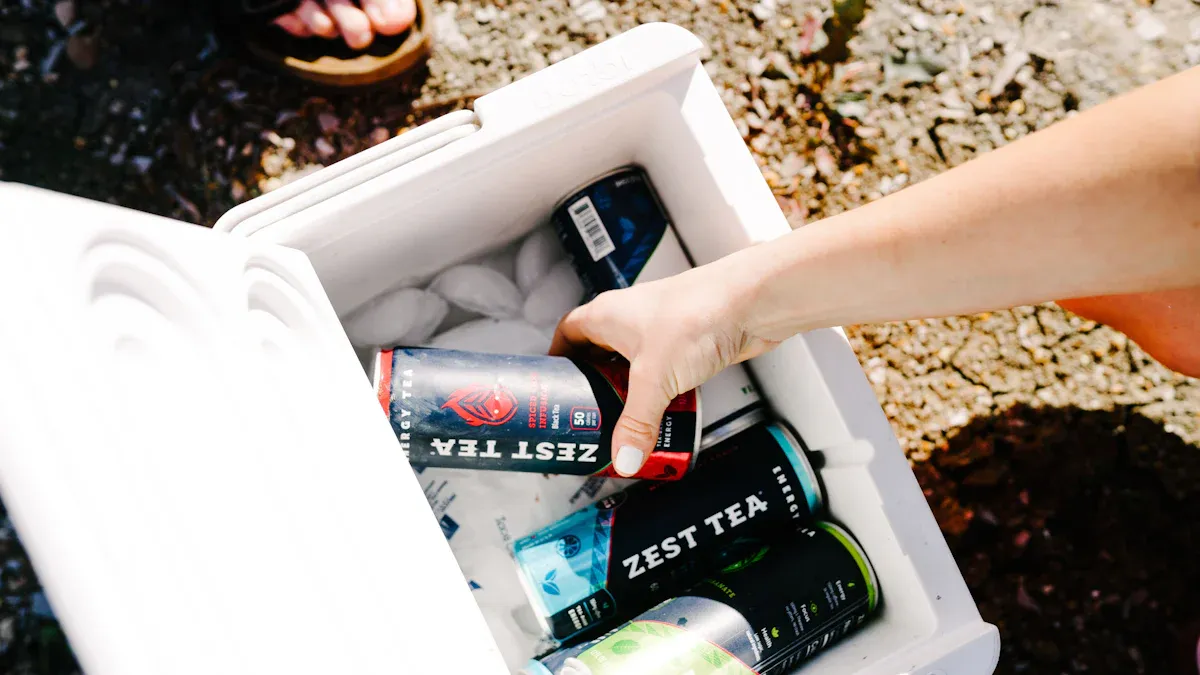
You want your food and drinks to stay cold and safe during your camping trip. Smart packing and usage can make a big difference. Here are some tips to help you get the most out of your ice cooler:
Pre-chill your cooler before you pack anything. Put ice packs or bags of ice inside for a few hours to lower the internal temperature.
Chill your food and drinks in the fridge or freezer overnight. The colder your items are when you pack them, the longer they stay cold.
Freeze water bottles or use large blocks of ice. These last longer than small cubes and can double as drinking water once they melt.
Layer your cooler. Start with a layer of ice at the bottom, then add your food and drinks, and finish with more ice on top.
Organize items so you can grab what you need quickly. Place frequently used items on top to minimize cold air loss.
Keep your cooler in the shade. Sunlight heats up the cooler and melts ice faster. If you can, use extra insulation like a towel or blanket.
Close the lid quickly after opening. Every second counts when it comes to keeping cold air inside.
Use airtight containers for food. This prevents spoilage and keeps everything fresh.
Avoid draining melt water unless necessary. Cold water helps keep the temperature low.
Consider using separate coolers for drinks and food. People reach for drinks more often, so separating them helps ice last longer.
Tip: Always pack out your trash and leftovers. This keeps wildlife away and protects the environment.
Picking the right cooler for camping depends on your needs. You should look for features that match your trip length, group size, and activity level. Here’s what outdoor experts recommend:
Durability: Choose a cooler made from rugged, water-resistant materials. It should handle bumps, drops, and outdoor exposure.
Ice retention: Thick insulation and quality construction help keep ice frozen longer.
Usability: Easy access, simple cleaning, and smart organization make your camping experience smoother.
Features: Look for extras like reinforced handles, wheels, or partitioned sections.
Price: Find a cooler that fits your budget without sacrificing performance.
Capacity: Larger coolers work well for multi-day trips, while smaller ones are easier to carry for short outings.
Portability: Wheels, straps, or lightweight designs make transport easier.
Cleaning: Choose a cooler with an easy-to-wipe interior for quick maintenance.
Let’s compare passive and powered coolers:
Feature | Powered Coolers | Passive Coolers |
|---|---|---|
Energy Requirements | Need a power source | Use only ice |
Cooling Efficiency | Maintain lower temperatures | Depend on ice retention |
Maintenance Costs | Ongoing power costs | Only need ice, more cost-effective |
Noise Levels | Can be noisy | Silent |
Passive coolers are perfect for most camping trips. They don’t need electricity and are easy to use. Powered coolers work well if you have access to a power source and want to keep things extra cold.
Note: The size and shape of your cooler matter. Larger coolers offer more storage, but smaller ones are easier to carry. Premium insulation boosts cooling efficiency, and portability features like wheels or straps help you move your cooler without hassle.
If you want a cooler that combines smart design and reliable performance, check out the binsly Dual-Compartment Insulated Cooler Lunch Bag. This cooler stands out for campers who need to keep hot and cold items separate.
The dual-compartment design lets you organize meals, snacks, and drinks. You can keep hot food in one section and cold drinks in another.
Premium Oxford fabric and waterproof PEVA lining make the cooler durable and leak-proof. It handles outdoor conditions and prevents spills.
Thick thermal insulation keeps your food and beverages at the right temperature for hours. You can enjoy chilled drinks or warm meals during your trip.
The reinforced handle and adjustable shoulder strap give you flexible carrying options. You can take it on hikes, picnics, or daily commutes.
Cleaning is easy. The interior wipes clean, so you don’t have to worry about messes.
The compact yet spacious design fits school lunches, camping supplies, and travel snacks. You get plenty of room without extra bulk.
The eco-friendly materials make this cooler a sustainable choice. You reduce waste and enjoy fresh meals on the go.
Callout: The binsly Dual-Compartment Insulated Cooler Lunch Bag helps you stay organized and keeps your food safe. You can focus on your adventure and enjoy every meal.
With the right packing techniques, smart cooler selection, and a well-designed product like binsly, you can maximize your camping experience. Your food stays fresh, your drinks stay cold, and you stay worry-free.
You now know how to keep your food safe and cold on camping trips. Campers see real benefits when they use smart strategies:
Ice lasts longer with strong, insulated coolers.
Tough coolers handle rough outdoor use.
Pre-chilling and block ice keep everything fresh.
Try binsly for your next adventure!
Try pre-chilling your cooler, use large ice blocks, and keep it in the shade. Open the lid only when you need something.
Start with a layer of ice at the bottom.
Add your coldest food and drinks next.
Finish with more ice on top.
Yes, you can use dry ice. Just handle it with gloves and keep it away from direct contact with food.
