


Call Us Now
Phone:
+86-137-2797-2500 
Views: 0 Author: Site Editor Publish Time: 2025-10-07 Origin: Site
Lunch boxes are essential for storing our meals, whether for work, school, or picnics. But keeping them clean is about more than just tidiness—it’s crucial for food safety, odor prevention, and longevity.
In this article, you’ll learn how to wash your lunch box effectively. We’ll guide you through simple steps to maintain it, ensuring your meals stay fresh and safe.
Before starting the cleaning process, make sure you have the necessary supplies. Here’s what you’ll need:
Warm Water | For rinsing and soaking |
Mild Dish Soap | A gentle cleaner to remove grease and grime |
Baking Soda | Ideal for tackling stubborn stains and odors |
Toothbrush | Perfect for scrubbing corners and hard-to-reach areas |
Clean Cloth or Sponge | For wiping down the lunch box inside and out |
Food Removal: Start by emptying out any leftover food or liquids from the lunch box. This will prevent food particles from mixing with cleaning supplies and making a mess.
Pre-Rinse: Use warm water to rinse out any excess food, crumbs, or liquid spills. This will make it easier to clean the lunch box thoroughly and prevent any buildup of bacteria.
Submerge and Soak: Fill your sink with warm water and add a few drops of mild dish soap. Place the lunch box into the water and let it soak for a few minutes. Soaking helps loosen any food particles or stains stuck inside.
Scrubbing: Using a sponge or cloth, gently scrub the interior and exterior of your lunch box. Make sure to pay special attention to corners, seams, and any areas with visible food residue. A toothbrush can be handy for scrubbing difficult spots such as zippers or cracks.
Rinsing: After scrubbing, rinse the lunch box with clean water to remove any soap residue. It’s important to ensure that all soap is removed to prevent it from mixing with your food in the future.
Drying: Pat the lunch box dry with a clean towel. Then, let it air dry completely in a well-ventilated area. Ensure it's thoroughly dry before storing it away, as any remaining moisture can lead to mold growth.
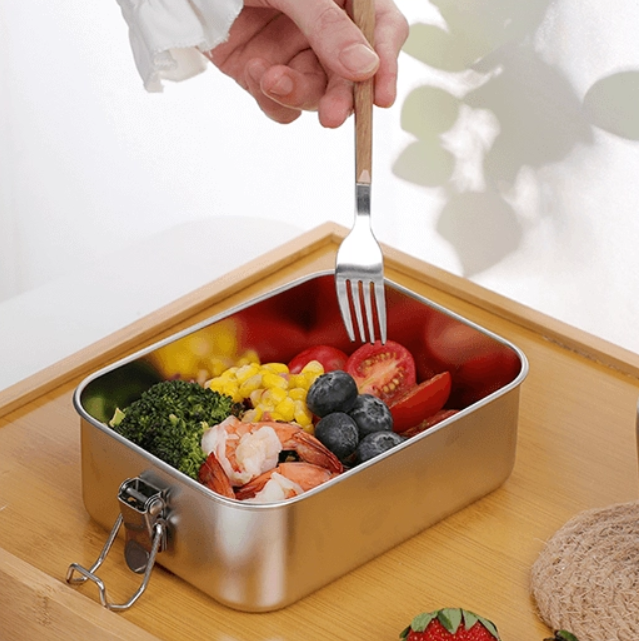
Application: If your lunch box has stubborn stains, make a paste using equal parts of baking soda and water. Apply this paste to the stained areas and let it sit for about 10-15 minutes.
Effectiveness: After the paste has had time to work its magic, use a sponge to scrub the stains away. Rinse thoroughly with clean water. Baking soda is excellent at breaking down grease and stubborn food stains.
Vinegar Solution: A simple vinegar and water solution can help neutralize any lingering odors inside your lunch box. Mix equal parts of vinegar and water in a spray bottle, then lightly mist the interior of the lunch box.
Baking Soda: For extra odor-fighting power, sprinkle a thin layer of baking soda inside the lunch box. Leave it overnight to absorb any unpleasant smells, and then discard the baking soda the next day.
Routine Cleaning: It’s important to clean your lunch box regularly to prevent food buildup and keep bacteria at bay. After each use, quickly wipe down the interior with an antibacterial wipe or a natural cleaner to keep it fresh.
Prevention: Encourage good habits, like emptying the lunch box immediately after use and not leaving food scraps inside. This will help prevent stains and odors from developing.
Post-Cleaning: After cleaning, always allow your lunch box to air dry fully before storing it. This prevents moisture from being trapped inside, which can lead to mold growth.
Proper Storage: Store your lunch box in a cool, dry place away from direct sunlight. This will help it stay in good condition and avoid heat damage, which can warp some materials over time.
Prevention: The best way to prevent mold growth in your lunch box is to make sure it’s completely dry before sealing it. Avoid closing it while it’s still damp.
Treatment: If you do spot mold, scrub the affected area with a diluted vinegar solution (1 part vinegar to 9 parts water). If necessary, use a diluted bleach solution to kill any mold spores. After scrubbing, rinse thoroughly and let it dry completely.
Quick Clean-Up: Accidents happen, especially with liquid spills. If something leaks inside your lunch box, blot the affected area immediately with a clean cloth to absorb as much moisture as possible.
Special Considerations: For food stains like tomato sauce or mustard, mix baking soda and water into a paste and scrub the stain gently. Rinse with warm water and dry thoroughly.
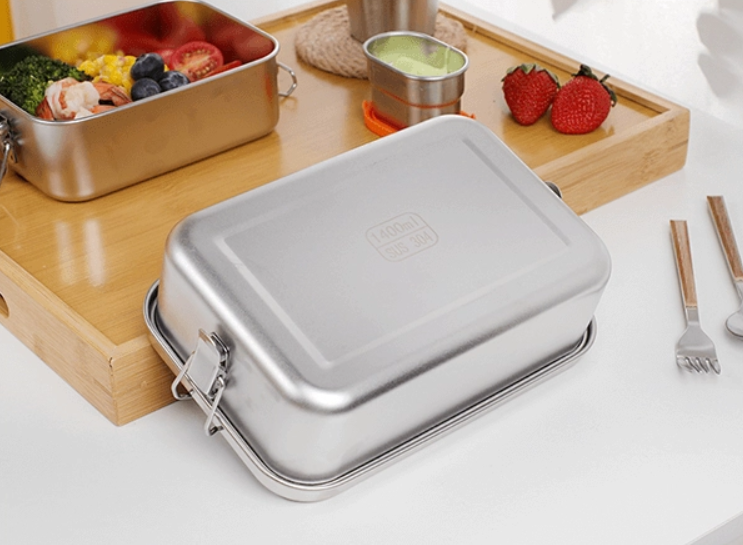
Keeping your lunch box clean is crucial for food safety and maintaining its appearance. By following the cleaning steps, you can prevent odors, remove food residue, and protect against harmful bacteria. Regular maintenance will help extend its life and keep your meals fresh.
A clean lunch box not only ensures hygiene but also enhances your mealtime experience. Follow these tips regularly for a fresh, odor-free lunch box.
Binsly offers high-quality lunch boxes that are both durable and easy to clean, providing great value for everyday use.
A: It's recommended to clean your lunch box after each use to prevent bacteria buildup and odors.
A: Some lunch boxes are dishwasher-safe, but always check the manufacturer's care instructions before placing it in the dishwasher.
A: Use a vinegar and water solution or sprinkle baking soda inside your lunch box to neutralize lingering odors.
A: For tough stains, use a baking soda paste or scrub with warm soapy water, then rinse thoroughly.
A: Regular cleaning ensures food safety, removes bacteria, and prevents odors, keeping your meals fresh and hygienic.
