


Call Us Now
Phone:
+86-137-2797-2500 
Views: 0 Author: Site Editor Publish Time: 2025-12-15 Origin: Site
We have all experienced the specific panic of reaching into a bag and feeling dampness where it should not be. Perhaps a salad dressing container popped open, or a yogurt lid failed during the morning commute. This "brown bagging" failure does more than just ruin a healthy meal; it can destroy expensive electronics, stain important documents, and leave you hungry. Relying on flimsy disposable containers or mismatched plastic tubs often leads to this endless cycle of mess and waste. Moving away from these failures requires viewing your lunch container differently.
A high-quality Bento Lunch Box is not merely a plastic tub; it is a strategic tool for dietary control, financial savings, and environmental responsibility. When you invest in the right gear, packing lunch becomes a joy rather than a chore. However, the "perfect" box is not universal. Finding the right solution depends entirely on three specific variables: the liquid content of your typical meals, your access to a microwave, and the eater's age and manual dexterity.
In this guide, we will break down exactly how to select a container that keeps your curry contained and your sandwich dry, whether you are packing for a corporate office or a chaotic kindergarten classroom.
Leakproof is specific: Distinguish between "leakproof for sauce" (yogurt/dressing) and "water-tight" (soup). Most bentos cannot handle soup without a specialized jar.
The Capacity Formula: A general rule of thumb is 1ml per calorie needed. (e.g., 600ml for kids, 800ml+ for adults).
Material Matters: Stainless steel offers longevity and hygiene but sacrifices microwaveability; BPA-free plastic offers convenience but risks staining.
The "Hinge" Factor: For school use, the durability of the latch mechanism is the #1 failure point after 6 months.
When shopping for a lunch box, the word "leakproof" is often plastered on the packaging, but this term can be misleading. To understand if a box will actually survive your commute, you must look past the marketing and examine the engineering of the seals and latches. The difference between a dry bag and a soggy mess usually comes down to how the manufacturer designs the gasket system.
There is a critical distinction between boxes that seal the entire unit and those that seal individual compartments. An external seal simply prevents food from falling out of the box into your bag. However, it does nothing to stop "flavor migration" inside the box. If you pack watermelon cubes next to crackers in a box with only an external seal, you will open your lunch to find soggy, melon-flavored crackers.
For a truly versatile experience, you need a box with molded silicone gaskets that align perfectly with the internal compartment walls. This creates an independent seal for each section. It ensures that ranch dressing stays with the carrots and does not seep into your sandwich. If you pack variety-style lunches, this internal sealing capability is non-negotiable.
The silicone ring that creates the seal is the most vulnerable part of any bento box. Manufacturers typically use one of two designs, each with its own trade-offs:
Removable Seals: These are separate silicone rings tucked into the lid's grooves. They are excellent for deep cleaning because you can take them out to scrub away hidden food particles. However, they are prone to stretching over time, which compromises the leakproof integrity. They are also easily lost during washing.
Over-Molded Seals: In this design, the silicone is permanently fused to the plastic lid. This offers superior durability and prevents the seal from falling out or stretching. The downside is that you must dry them diligently. If moisture gets trapped in the crevices of a fused seal, mildew can build up, which is nearly impossible to remove completely.
The seal is only as good as the pressure holding it down. This is where the latch comes into play. The type of lock you choose should depend heavily on who is eating the lunch.
Snap-locks (Latches) are the most common and are generally best for children. When selecting a Bento Lunch Box for School, look for a large, single-piece hinge. Small, flimsy plastic tabs often snap off after a few months of rough handling. A wide latch distributes pressure evenly and is easier for small hands to manipulate.
Band or Strap mechanisms follow the traditional Japanese style. These rely on an elastic band to hold the lid and base together. While aesthetically pleasing, they are rarely 100% leakproof against liquids. They are better suited as a Bento Lunch Box for Daily Work, where the commute is gentle and the box remains upright in a briefcase. If you choose this style, avoid packing anything saucier than thick hummus.
User Tip: Always listen for the "audible click." Whether it is a latch or a snap lid, that sound is your confirmation that the seal is engaged. Visual confirmation is not always enough.
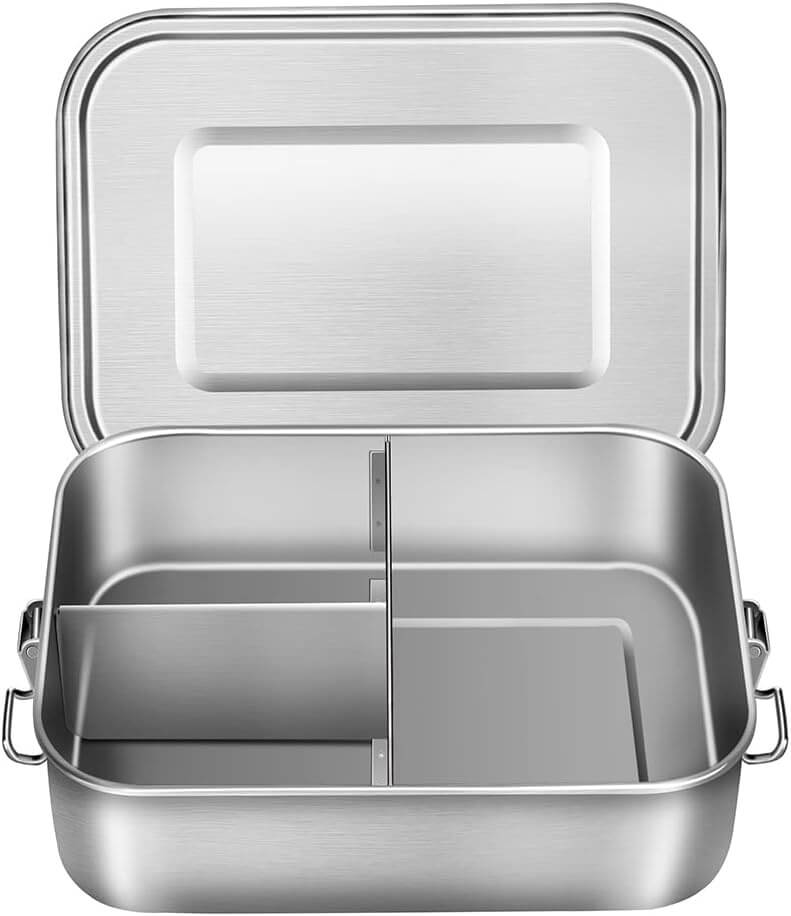
One of the most common mistakes buyers make is purchasing a box that is too large or too small. A box that is too big leads to food tumbling around and looking unappealing, while a small box leaves you hungry. The Japanese bento community uses a helpful heuristic: the milliliter-to-calorie ratio. Generally, 1 milliliter of packing space holds roughly 1 calorie of a balanced meal (grain, protein, and vegetable).
We can break down volume recommendations by age and activity level:
Toddlers/Snackers (Under 500ml): For this group, volume matters less than variety. Young children often prefer "grazing" plates. A box with many small compartments allows for berries, cheese cubes, and crackers without overwhelming the child with a large main portion.
Grade School/Office Light Lunch (600ml–800ml): This is the standard "sweet spot" for most users. It accommodates a full sandwich cut in half, plus two substantial sides like fruit or yogurt. It provides enough fuel for a school day or a sedentary office job without bulk.
Teens/Active Adults (1000ml+): Growing teenagers and adults with active jobs require significantly more fuel. A standard bento often falls short here. You will likely need a "stacked" or two-tier design to hit the 1000ml+ mark required for a whole meal.
The physical footprint of the box dictates how you pack. A Square bento lunch box is often compact and fits easily into square tote bags, but it presents a geometry problem for sandwiches. Standard sliced bread is rectangular or high-arched; fitting it into a square box often requires cutting it into quarters or removing crusts.
Rectangular or flat boxes are generally easier to slide into a messenger bag or a backpack alongside books. They mimic the shape of a dinner plate, making them ideal for "tasting plates" or charcuterie-style lunches where you want to see all your food at once.
Finally, always perform a "Depth Check." Some sleek bento boxes are very shallow. If you plan to pack a whole apple, a muffin, or a hard-boiled egg, ensure the box is deep enough. If the lid squashes the food, it creates pressure on the latches, which can cause them to pop open mid-commute.
The material of your lunch box determines how you clean it, how long it lasts, and whether you can enjoy a hot meal. Each material has distinct pros and cons.
| Material | Durability | Microwave Safe? | Best For |
|---|---|---|---|
| BPA-Free Plastic/Tritan | Medium (Hinges may break) | Yes (Usually) | School, Leftovers |
| Stainless Steel (304) | High (Indestructible) | No | Cold lunches, longevity |
| Glass | Low (Fragile) | Yes (Best heating) | Office reheating |
High-quality plastic remains the most popular choice for a reason. A BPA Free Bento Lunch Box made from Tritan or polypropylene is lightweight and microwave safe. Transparency is another subtle benefit; being able to see the contents reminds you to eat the fresh veggies before they spoil.
However, plastic is prone to "The Spaghetti Effect." Red sauces and turmeric-heavy curries can permanently stain the plastic surface. Plastic also tends to retain odors if not washed immediately. When selecting this material, verification is key. You must check that the Bento Lunch Box manufacturer explicitly claims the product is both BPA-free and Phthalate-free.
For those looking to buy once and never again, stainless steel is the answer. It is virtually indestructible, withstands drops, and creates zero staining or odor retention. You can run it through the sanitize cycle of a dishwasher without fear.
The trade-off is significant: standard steel boxes are not microwave safe. If you enjoy hot lunches, you are limited to food that tastes good cold or room temperature. Additionally, unless specifically engineered with silicone seals, steel boxes are rarely leakproof on their own.
Glass is the gold standard for purity. It heats evenly and cleans perfectly. Unfortunately, it is heavy and fragile. Glass is generally unsuitable for younger children or rough commutes where a backpack might be dropped on the floor.
A lunch box might look perfect on a store shelf, but its true value is determined by how it performs on a chaotic Tuesday morning. Usability factors like cleaning and opening mechanisms are often overlooked until it is too late.
Many containers claim to be "dishwasher safe," but this often comes with a caveat. High heat can cause plastic bases to warp slightly. Even a microscopic warp can ruin the alignment between the lid and the base, rendering a leakproof seal useless. To extend the life of your box, we recommend a hybrid approach: hand-wash the lids to protect the silicone seals and latches, and machine-wash the durable bases.
For parents, the most critical test is the "Teacher Test." Can a 5-year-old open the box without asking a teacher for help? If the latch is too stiff, the child may simply skip eating part of their meal. Be wary of vacuum-seal designs (like some insulated jars). When hot food cools inside a sealed container, it creates a vacuum suction that can lock the lid shut, making it impossible for a child to open.
For adults, the check is aesthetic and practical. Is the design sleek enough for a meeting room? Does the box fit into your standard commute tote? A bulky box that requires a separate carrying bag adds friction to your morning routine.
There is a persistent myth that bento boxes insulate food. Unless the product is a double-walled, vacuum-insulated jar, a standard bento box does not keep food hot or cold. It merely holds food.
The solution is not to look for an insulating plastic box, but to evaluate the system as a whole. Does the box fit into a standard insulated carrying bag? Is there room for an ice pack? If keeping soup hot is a priority, buy a dedicated thermos rather than expecting a plastic bento to do the job.
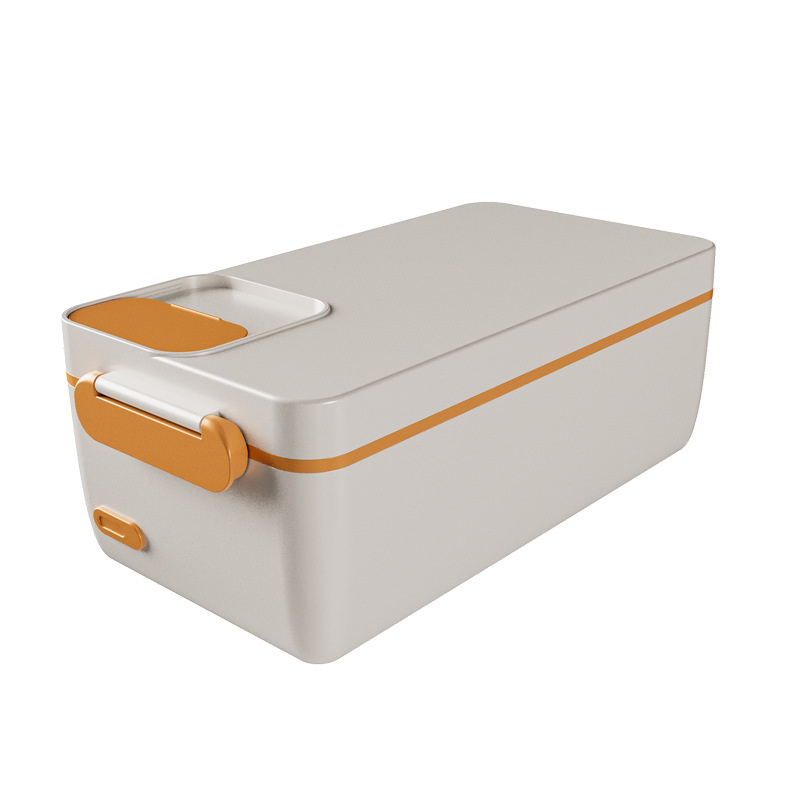
Even high-end lunch boxes can lead to buyer's remorse if they don't match your lifestyle. Here are three implementation risks to watch for.
A box with five or six fixed small compartments looks great for Pinterest-style snack lunches. However, fixed dividers limit flexibility. If you have a leftover slice of pizza or a large chicken breast, it simply won't fit into a compartment designed for strawberries. For adults, adjustable or removable dividers offer a much better Return on Investment (ROI) because they adapt to leftovers.
Inspect the internal corners of the box. Sharp, 90-degree internal angles are notorious for trapping yogurt, hummus, and crumbs. A standard sponge often cannot reach into a sharp corner effectively. Look for designs with rounded internal radii, which allow a sponge to wipe the entire surface clean in one swipe.
Accidents happen. A latch might snap, or a seal might get lost down the garbage disposal. Before buying a premium box, check if the manufacturer sells replacement latches or seals. If a $5 latch breaks on a $40 box and you cannot buy a spare, the entire unit becomes trash. Brands that offer replacement parts demonstrate a commitment to sustainability and product longevity.
Choosing the right lunch box is about being honest with your habits. The "best" box is not the one with the most features; it is the one you will actually use.
To summarize your decision matrix:
Prioritize Plastic/Tritan if microwave access is essential and weight is a concern.
Prioritize Steel for longevity, hygiene, and cold lunches like salads or wraps.
Prioritize Molded Seals if you are a messy eater or love packing sauces and dips.
Final advice: Choose your container based on your current eating habits, not your aspirational ones. If you primarily eat leftover lasagna, buy a microwave-safe box with a large compartment. If you survive on sandwiches, a sleek steel tin is perfect. Matching the tool to the food ensures your investment pays off in delicious, money-saving meals for years to come.
A: No. You must distinguish between viscous liquids (like yogurt or thick dressing) and water-thin liquids like soup. Most "leakproof" bentos are only rated for viscous liquids. If you put hot soup in a standard bento, the pressure changes and thin consistency will almost certainly cause leaks. For soup, always use a dedicated screw-top thermos jar.
A: Generally, no. Putting metal in a microwave causes arcing and can damage the appliance. There are very rare, specific brand exceptions that engineer steel for microwave use, but unless the bottom of the box explicitly says "Microwave Safe," assume it is not.
A: Remove the seal and soak it in a solution of vinegar and baking soda or a mild bleach solution for 20 minutes. Scrub gently with a toothbrush. If the mold has penetrated deep into the silicone pores, you may need to buy a replacement seal. To prevent this, always let the seal dry completely before reassembling the box.
A: Most adult males or active individuals find standard 800ml boxes too small. We recommend looking for a capacity of 1000ml or more. "Stacked" or two-tier bento boxes are excellent for this, as they provide double the volume without taking up too much horizontal space in a bag.
A: This is usually due to plastic porosity or trapped moisture. Plastic can absorb food odors over time. Alternatively, if your box has a removable gasket, food fluids may have seeped behind the seal and are rotting there. Remove the seal, clean the groove thoroughly, and the smell should disappear.
