


Call Us Now
Phone:
+86-137-2797-2500 
Views: 0 Author: Site Editor Publish Time: 2026-01-29 Origin: Site
The vessel you choose defines your entire coffee experience. Imagine brewing a twenty-dollar bag of specialty single-origin beans only to pour the result into a flimsy paper cup. The flavor flattens instantly. Conversely, the wrong travel tumbler can seal in so much heat that your morning brew remains too hot to drink for hours, forcing you to wait while your caffeine fix sits inaccessible. These scenarios highlight a critical oversight: we often obsess over the beans and the brewer, but we ignore the Coffee Mug.
The market today is saturated with endless options. You can find everything from artisanal hand-thrown ceramics to app-controlled vessels that maintain precise degrees. This abundance creates confusion. Should you prioritize the durability of stainless steel or the purity of glass? Does your office workflow require a snap lid or a gravity-induction warmer? This guide moves beyond simple aesthetics. We will help you evaluate mugs based on thermal dynamics, flavor neutrality, and how they fit into your daily routine.
Flavor Neutrality: Ceramic and glass offer the purest taste; stainless steel is durable but requires a ceramic lining to avoid metallic notes.
Thermal Management: Vacuum insulation is great for travel but may require a "decanting" strategy for office sipping; electric mugs solve the cooling curve problem.
Ergonomics matter: Rim thickness affects mouthfeel, and handle clearance determines long-term comfort.
Size Compatibility: Ensure the mug fits under your specific coffee maker's clearance (e.g., Keurig or Espresso machine group head).
Before analyzing materials, you must analyze your environment. The perfect vessel for a quiet Sunday morning often fails miserably during a chaotic Monday commute. Understanding the specific demands of your location helps narrow down the overwhelming choices.
In a home office, your mug sits dangerously close to expensive electronics. Stability becomes your top priority. You want a vessel with a wide, heavy base that resists tipping if your hand slips while reaching for a mouse. Unlike travel scenarios, heat retention here is a delicate balance.
You rarely need a sealed lid at home. Open-top mugs, particularly thick-walled ceramics, provide a comforting sensory experience. However, there is a decision point to consider. If you are a slow sipper who takes two hours to finish a cup, a standard open mug will leave you with cold coffee after thirty minutes. In this specific workflow, active heating solutions or insulated tumblers become superior tools.
The rules change the moment you leave your house. Leak-proof engineering is non-negotiable. While snap lids are common, they often leak when thrown into a bag. You should look for 360-degree seals or locking mechanisms that guarantee safety for your laptop.
Visual signaling also plays a role. In a corporate setting, professional aesthetics matter. A sleek, neutral vessel signals competence, whereas novelty designs might not fit the boardroom vibe. Hygiene is another often-overlooked factor. If you rely on a shared office sink with a questionable sponge, you need a mug that is easy to clean. Avoid complex lids with deep crevices where old milk can accumulate.
For enthusiasts who treat coffee as a culinary experience, visual appreciation is half the enjoyment. If you drink lattes, seeing the separation between the espresso and the milk foam adds to the delight. This is where a Glass Coffee Mug excels. Specifically, double-wall designs allow you to admire the clarity of a pour-over or the layers of a flat white without burning your hands.

The material of your cup interacts directly with the chemistry of your coffee. It affects how the liquid cools and how it tastes on your palate. Choosing the right material requires balancing trade-offs between durability and sensory purity.
| Material | Flavor Neutrality | Heat Retention | Durability |
|---|---|---|---|
| Ceramic/Porcelain | High (Pure) | Medium (Pre-heat needed) | Low (Fragile) |
| Stainless Steel | Low (Metallic risk) | Very High | High (Indestructible) |
| Glass (Double-wall) | High (Pure) | Medium-High | Low-Medium |
Ceramic is the gold standard for flavor. It imparts zero flavor interference, ensuring your coffee tastes exactly as the roaster intended. Porcelain and stoneware have high heat capacity. This means they can steal heat from your coffee initially. To counter this, we recommend pre-warming the mug with hot water. The downside is fragility. A single drop usually spells the end for your favorite ceramic piece.
For sheer utility, stainless steel wins. It is virtually indestructible and offers industry-leading heat retention when vacuum sealed. However, some users detect a metallic note when drinking acidic black coffee. This interaction can mute the brighter fruit notes of a light roast. The hybrid solution is gaining popularity: look for a stainless steel body with a ceramic interior coating. This gives you the durability of metal with the flavor neutrality of ceramic.
Glass offers an elegant, modern aesthetic. However, standard glass is prone to shattering under thermal shock. You should demand high-borosilicate glass, which resists rapid temperature changes. Double-wall designs are particularly effective. They use an air gap to provide insulation, keeping the coffee hot while the outer wall stays cool to the touch. This design also eliminates condensation. For many filter coffee drinkers, a 400ml Glass Coffee Mug hits the sweet spot, providing enough room for a standard dose without leaving too much empty headspace where heat escapes.
Temperature control is the frontier of modern mug technology. The goal is to keep coffee in the "Goldilocks zone"—not too hot to burn your tongue, but not tepid.
Brands like Zojirushi or Yeti are famous for keeping liquids above 180°F for hours. While impressive, this creates a user pain point. You brew your coffee at 8:00 AM, but it is still physically painful to drink at noon. You miss your morning caffeine window entirely. If you use these high-performance tumblers, consider a wide-mouth design. This allows for faster initial cooling to a drinkable 135°F before you seal the lid.
Active solutions solve the cooling curve problem by adding energy back into the system. A Coffee Mug With 55° Constant Temperature Coaster is a practical desktop solution. These gravity-induction warmers maintain a drinkable baseline temperature indefinitely. They do not cook the coffee; they simply prevent it from stalling at room temperature.
For more mobility, you might consider an Electric Coffee Mug. These battery-powered vessels allow you to dial in a precise degree. They are perfect for meetings where you might be away from your desk. However, you must perform an ROI check. The price premium is only worth it if you find yourself pouring out cold coffee multiple times a day.
Some mugs go beyond temperature. A Self Mixing Stirring Coffee Mug uses a magnetic impeller to blend ingredients. This is invaluable for drinkers of "bulletproof" coffee (coffee mixed with butter/oil) or those who use powder additives like collagen. It saves you from hunting for a spoon, though you must be mindful that moving parts can be points of failure if not cleaned properly.
A common frustration is buying a beautiful mug only to find it doesn't fit your lifestyle. Sizing involves more than just fluid ounces; it involves geometry and machine clearance.
Different drinks require different vessels. An espresso (60-90ml) needs a narrow base to preserve the crema, that aromatic foam on top. If the cup is too wide, the crema spreads thin and dissipates. A standard drip coffee typically requires 300-400ml. This is the standard "mug" size. If you drink lattes or need a travel vessel, you generally need 450ml or more. You must account for the volume of the milk and the headspace required for foam.
Before you buy, measure your machine. Take a ruler to your Keurig, Nespresso, or espresso machine. Measure the vertical space between the drip tray and the brew spout. Many travel tumblers are too tall for standard home brewers. Knowing this clearance prevents the awkward dance of holding the mug at an angle while hot coffee brews.
Small details dictate comfort. The thickness of the rim changes how you perceive flavor. Thin rims, like those on bone china, deliver liquid directly to the tongue, accentuating acidity and fruitiness. Thick rims, like classic diner mugs, encourage a larger sip that coats the mouth, accentuating body and chocolate notes.
Handle clearance is equally important. Test the grip. Can you fit three fingers through the handle? Heavy stoneware mugs require a "Three Finger Rule" for stability. If only one finger fits, the leverage is poor, and the mug will feel uncomfortably heavy after a few minutes.
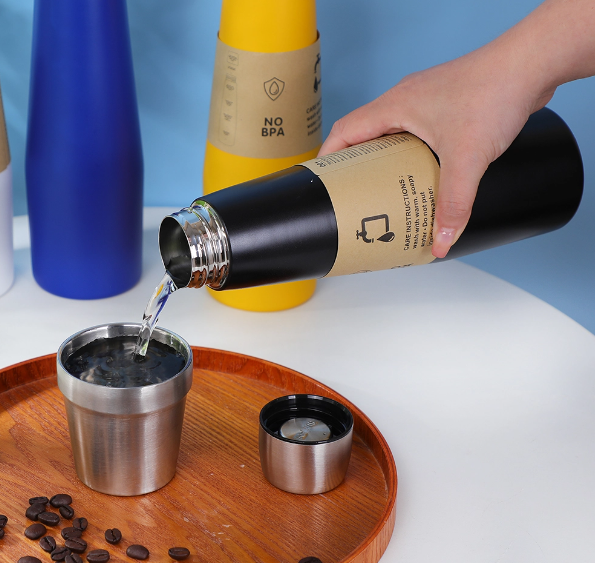
The total cost of a mug includes the effort required to maintain it. Neglecting care can ruin even the most expensive vessel.
Coffee oils are persistent. They build up rapidly in porous materials or on scratched plastic, turning rancid and ruining fresh coffee. This is why a smooth interior finish is vital. While dishwashers are convenient, they are often the enemy of high-end mugs. Hand-washing is frequently non-negotiable for vacuum-sealed metal or double-wall glass. High heat and water pressure can breach seals, causing vacuum layers to fail or water to fog up the inside of your glass walls.
When evaluating a Coffee Mug manufacturer, look closely at their claims regarding coatings. On stainless steel mugs, a high-quality powder coat prevents chipping and improves grip. You should also check for replacement parts. A perfectly good travel mug becomes useless if the rubber gasket on the lid tears and the brand does not sell spares.
Finally, consider safety. If you buy handmade artisan ceramics, verify they use lead-free glazes. For plastic lids or travel tumblers, ensure they carry BPA-free certifications. Hot acidic liquids can leach chemicals from low-quality plastics, so this verification is essential for your long-term health.
There is no single "perfect" mug. There is only the perfect mug for your specific scenario. The vessel that sits beautifully on your mahogany desk may be a disaster on the subway. To choose wisely, you must accept trade-offs.
For pure taste, stick to double-wall borosilicate glass or high-quality ceramic. For the commute, prioritize a ceramic-lined stainless steel tumbler with a trustworthy seal. If you are a slow sipper who is tired of tepid brew, investing in an electric mug or a warming coaster will transform your workflow.
Before you click buy, take action. Measure your coffee maker's clearance. Audit your current frustrations—is it the temperature that bothers you, or the metallic taste? By answering these questions, you move from a random purchase to a calculated upgrade.
A: This happens when coffee acidity interacts with lower-grade stainless steel. Coffee is acidic (pH 4.5–5.0), which can react with metal ions, creating that unpleasant tinny flavor. To solve this, choose travel mugs that feature a ceramic interior coating or are made from electro-polished medical-grade steel, which is less reactive.
A: Generally, no. While the glass itself can handle the heat, the seal at the base (where the air was evacuated) is a weak point. Dishwasher heat and pressure can compromise this seal, allowing water to enter the air gap. This ruins the insulation and creates unsightly internal fog.
A: The versatile standard is the 12oz to 14oz range (roughly 350-400ml). This size accommodates a standard 8-10oz cup of drip coffee while leaving enough "slosh room" for milk or walking back to your desk without spilling. It fits most machine clearances and isn't too heavy.
A: They are worth it only if you drink mixed beverages like bulletproof coffee, hot chocolate, or protein coffee. For black coffee drinkers, they are a novelty. Be aware that the motor and battery compartment add bulk and require hand-washing, so buy them only for their specific utility.
A: It depends entirely on the material. Ceramic is usually safe unless it has gold leaf trim. Standard glass is safe, but check the manufacturer's rating. Never microwave stainless steel or vacuum-insulated metal mugs; it will spark and damage your appliance. Double-wall glass should be checked, as the air pressure can sometimes cause issues.
