


Call Us Now
Phone:
+86-137-2797-2500 
Views: 0 Author: Site Editor Publish Time: 2026-01-27 Origin: Site
Nothing kills the vibe of a backyard barbecue faster than a sip of warm, flat beer. We have all been there: holding a flimsy red plastic cup that sweats all over our hands while the drink inside rapidly loses its chill. Beyond the immediate disappointment of lukewarm lagers, there is a deeper issue at play. The reliance on disposable cups or aging reusable plastics introduces environmental guilt and potential health concerns that many drinkers overlook.
The stakes here are higher than just temperature control. When you choose a vessel for your beverage, you are also making a choice about chemical safety, long-term hygiene, and financial value. While plastic options are often marketed as convenient, they frequently fail the test of time and taste preservation. Serious enthusiasts know that the vessel matters as much as the brew itself.
In this guide, we dive deep into the debate between the modern Stainless Steel Beer Cup and its plastic counterparts. While plastic still holds a niche for high-volume, low-cost events, stainless steel offers a superior return on investment. You will learn why upgrading your drinkware is the smartest move for your health, your wallet, and your palate.
Temperature Control: Double-walled stainless steel retains carbonation and cold temperature 5x–10x longer than plastic.
Hygiene & Safety: Stainless steel (304 grade) is non-porous and resists the bacterial "bio-film" and micro-cracks common in aging plastic.
Taste Integrity: High-quality electropolished steel or ceramic-lined options prevent flavor transfer; plastic absorbs odors over time.
ROI: A single stainless steel beer cup pays for itself after approximately 40 uses compared to premium disposables, with a lifespan of 10+ years.
To understand why your drink tastes different depending on the cup, we must look at the microscopic level. The battle between metal and plastic is not just about durability; it is about surface chemistry and porosity. When you compare a 304 Metal Stainless Steel Beer Cup against high-grade plastic, you are comparing an inert alloy against a synthetic polymer that reacts to its environment.
In one corner, we have 304 Stainless Steel, often referred to as 18/8 steel. This is the industry gold standard for food-grade metal. The designation "18/8" refers to the alloy's composition: 18% chromium and 8% nickel. This specific balance is critical. The chromium binds with oxygen to create an invisible, self-healing passive layer that prevents rust without the need for chemical liners. Unlike aluminum, which requires a spray-on varnish to be food-safe, 304 steel is naturally safe and robust.
In the other corner are high-end plastics like Tritan™ and Polypropylene (PP). These are vast improvements over the brittle plastics of the past. They are shatter-resistant and often marketed as dishwasher safe. However, despite their initial clarity and strength, they remain susceptible to scratching, clouding, and chemical degradation over years of use.
The most significant hidden danger in reusable plastic is the formation of micro-cracks. Every time you drop a plastic cup, scrub it with a coarse sponge, or expose it to the high heat of a dishwasher, the surface integrity weakens. These microscopic fissures are too small to see with the naked eye, but they are large enough to harbor bacteria.
Over time, these cracks collect organic residue—proteins and sugars from your beer—creating a "bio-film." This is why an old Plastic Beer Cup might develop a stale, funky smell that no amount of soaking can remove. The porous nature of the material holds onto the past.
Conversely, stainless steel is non-porous. A high-quality steel cup features an electropolished interior. This manufacturing process smooths out microscopic peaks and valleys on the metal's surface, leaving nowhere for bacteria to hide. When you wash steel, it truly resets to neutral, ensuring high hygiene standards for every refill.
We have all seen the "BPA-Free" stickers, but that label does not tell the whole story. Manufacturers often replace Bisphenol A (BPA) with Bisphenol S (BPS), a chemical cousin that some studies suggest may have similar endocrine-disrupting properties. Plastic is a complex chemical stew, and heat or acidity can accelerate the leaching of these compounds into your drink.
Stainless steel avoids this trap entirely. It is an inert material. It requires no internal varnish, coating, or lacquer. This is a crucial distinction from aluminum bottles, which rely on internal liners that can peel or degrade over time, potentially exposing your drink to raw aluminum. With 304 steel, what you see is what you get.
| Feature | 304 Stainless Steel | Aluminum (Lined) | Reusable Plastic (Tritan/PP) |
|---|---|---|---|
| Porosity | Non-porous (Resists bacteria) | Non-porous (until liner fails) | Porous over time (Absorbs odors) |
| Chemical Safety | Inert (No leaching) | Depends on liner integrity | Risk of additives/leaching |
| Durability | High (Dents only) | Medium (Dents crack liner) | Medium (Scratches/Cracks) |
| Heat Retention | Excellent (Double-walled) | Poor (High conductivity) | Low (Poor insulation) |
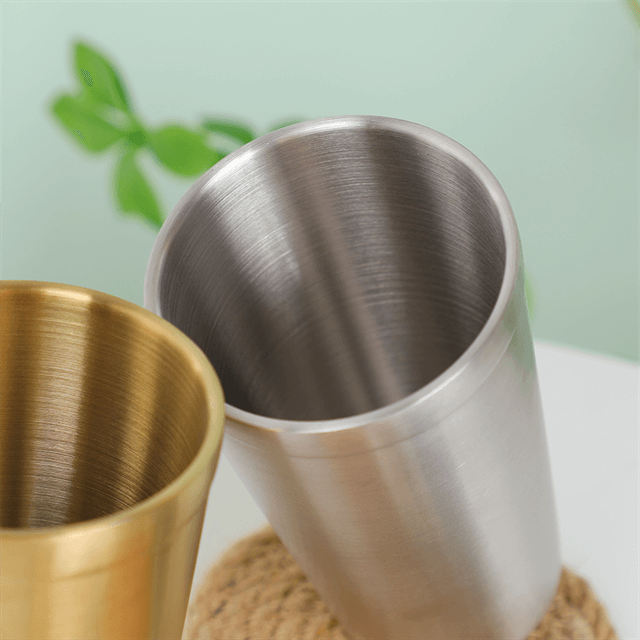
Purists often argue that beer should only be drunk from glass. While glass is chemically neutral, it fails miserably at thermal regulation. The reality is that temperature affects flavor perception more than the material of the cup does. If your beer warms up, the carbonation escapes, and the flavor profile flattens, bringing out bitterness.
Physics dictates that cold liquids hold gas better than warm liquids. As soon as you pour a beer into a standard glass or plastic cup, the ambient air and the heat from your hand begin to warm the liquid. The CO2 escapes, and the beer goes flat. A Single Walled Beer Cup made of metal will conduct heat rapidly—meaning your hand gets cold, and the beer gets warm. This is great for lightweight packing but poor for sipping slowly.
The solution is the vacuum-sealed double-wall design. By removing the air between two layers of steel, heat transfer is halted. This locks in the cold, preserving the carbonation and the intended "crisp" taste of lagers and pilsners for hours. You enjoy the beer exactly as the brewer intended, from the first sip to the last drop.
A common complaint is that metal cups impart a metallic tang to the drink. This usually stems from two sources: poor quality steel or psychological perception. Cheap steel often lacks the proper passivation layer, allowing iron ions to interact with the acidity of the beverage. High-quality 304 steel is generally neutral and undetectable to most palates.
However, if you are drinking highly acidic sours or ciders, or if you are a "supertaster" sensitive to metal ions, you might notice a difference. The industry has solved this with the "Sommelier choice": Ceramic-Lined Stainless Steel. These cups fuse a thin layer of ceramic to the inner steel wall, offering the inert taste of a ceramic mug with the durability and insulation of a metal tumbler.
Plastic has a memory. If you drink a hop-heavy IPA or a coffee stout in a plastic tumbler, that flavor can linger for days, ghosting into your next drink (perhaps a delicate pilsner or water). The oils from the hops bind to the polymer chains in the plastic. Stainless steel does not have this issue. A simple wash with soap and water removes all trace of the previous beverage, preventing cross-contamination of flavors.
When you leave the safety of your kitchen, the rules of drinkware change. Glass becomes a liability, and disposable plastic becomes a pollutant. This is where the Outdoor Beer Cup shines as an essential piece of gear for the adventurer.
Public pools, sandy beaches, and rocky campsites often strictly enforce "No Glass" rules. The risk of shattered shards hidden in the grass or sand is too high. In these scenarios, you need rigidity. Flimsy disposable cups crush when gripped too hard and blow away in the slightest breeze. A sturdy steel cup offers the solid hand-feel of a pint glass without the danger.
Durability is the defining factor for outdoor gear. Plastic cups, especially rigid ones, are prone to cracking if dropped on concrete or patio stones. They can also warp if left in a hot car or placed on the bottom rack of a dishwasher.
Stainless steel operates on a "bend, do not break" philosophy. If you drop a steel cup on a rock, it might dent. But that dent adds character—a patina of adventure—without compromising the vessel's ability to hold liquid. It is a "Buy It For Life" asset that survives drops that would destroy glass or plastic.
Humidity is the enemy of a cold drink in a single-layer cup. As the cold surface meets warm air, condensation forms. On a plastic cup, this "sweat" makes the vessel slippery, difficult to grip, and capable of leaving water rings on wooden furniture. Vacuum-insulated steel separates the internal temperature from the external surface. The outside remains bone dry, ensuring a secure grip even in the height of summer.
When selecting a Portable Beer Cup, weight matters. For backpackers counting every ounce, a single-walled steel cup is often preferred because it is ultra-light and can be used to boil water over a fire in an emergency. However, for patio drinking or car camping, the double-walled variety adds necessary heft. This weight provides stability on windy tables, preventing your precious brew from tipping over.
You may have noticed a contradiction in the premium drinkware market: you buy an indestructible metal cup, but it almost always comes with a clear plastic lid. This is the industry standard for specific physical reasons.
While an all-metal construction sounds appealing for purity, it presents thermal challenges. Metal is a conductive material. If you used a metal lid, it would act as a thermal bridge, allowing heat to escape (or enter) the cup rapidly, negating the vacuum insulation. Furthermore, drinking hot coffee through a metal lid could result in burnt lips.
Mechanically, plastic allows for a friction fit. The flexibility of materials like Tritan allows the lid to press snugly against the steel rim, creating a seal with a silicone gasket. Achieving a watertight metal-on-metal seal would require expensive threading and precision engineering that would drastically increase the cost.
The plastic lid is often the weak link in the hygiene chain. The silicone gasket that seals the lid is the number one hideout for black mold and bacteria. To maintain your cup:
Remove the gasket: Don't just rinse the lid. Pry the rubber ring off regularly to clean underneath it.
Go Topless: If you are sitting around a campfire or at a table, consider using an "Open Top" steel design. Many purists prefer drinking beer without a lid to fully experience the aroma, which accounts for a significant portion of flavor.
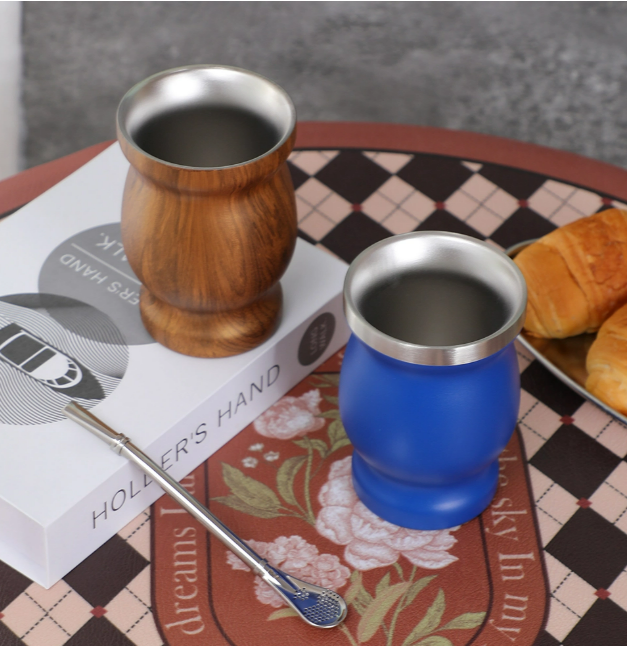
Sticker shock is real. Why pay $20 or $30 for a single cup when you can buy a bag of 50 red cups for $5? The answer lies in the long-term math and the environmental footprint.
Let’s look at the numbers. If you host a weekly gathering or enjoy a patio drink regularly, disposable costs add up. Even reusable plastic cups eventually cloud, crack, and need replacing every year or two. A high-quality Beer Cup made of stainless steel has an indefinite lifespan. If you use it 40 times, you have likely broken even against the cost of premium disposable cups. Over ten years, the steel cup costs fractions of a penny per use.
We must be transparent about production. Extracting and refining stainless steel has a higher upfront carbon footprint than molding a plastic cup. However, sustainability is a marathon, not a sprint. Steel becomes carbon-neutral through its extreme longevity. It stays out of landfills for decades. Furthermore, at the end of its life, stainless steel is 100% recyclable. Plastic is often down-cycled into lower-quality materials or sent to landfills where it takes centuries to decompose.
Not all cups are created equal. When researching a Beer Cup manufacturer, look for transparency. A reputable brand will explicitly state "304" or "18/8" stainless steel. Check their warranty policy; a lifetime warranty indicates faith in the product's durability. Also, verify availability of replacement parts. Being able to buy a new gasket or lid instead of throwing away the whole cup is a hallmark of a sustainable product eco-system.
The debate between stainless steel and plastic is ultimately a choice between convenience and quality. Plastic serves a purpose for high-volume, low-cost events where loss is expected, but it fails to deliver the drinking experience a good beer deserves. Stainless steel is the superior vessel for flavor, temperature retention, and long-term health.
For the daily beer enthusiast or the outdoor adventurer, the investment is clear. By choosing a 304-grade, double-walled stainless steel cup, you eliminate waste, avoid potential chemical leaching, and ensure that your last sip is just as cold and refreshing as your first.
A: Generally, no. High-quality 304 (18/8) stainless steel is electropolished to be inert and should not impart flavor. However, high-acidity drinks may interact with lower-quality steel. If you are very sensitive to metal ions, consider a ceramic-lined stainless steel cup.
A: Yes, plain stainless steel is dishwasher safe and highly sanitary. However, if your cup has a colored powder-coat or painted exterior, check the manufacturer's instructions, as high heat can sometimes peel or fade the finish.
A: Aluminum is reactive and requires a chemical liner (often epoxy-based) to be food-safe. These liners can degrade or crack. 304 stainless steel is naturally passive and food-safe without needing any internal coating.
A: In a double-walled, vacuum-insulated tumbler, beer typically stays cold for 4 to 6 hours without a lid. With a lid, it can retain temperature even longer, far outlasting the time it usually takes to finish a drink.
