


Call Us Now
Phone:
+86-137-2797-2500 
Views: 0 Author: Site Editor Publish Time: 2025-12-16 Origin: Site
Traditional lunch containers often lead to frustrating midday meals, characterized by crushed sandwiches, leaking sauces, and uninspired presentations. Many commuters and parents struggle with mismatched lids and containers that stain easily or warp in the dishwasher. The Bento Lunch Box offers a sophisticated solution by prioritizing portion control, aesthetic presentation, and the physical separation of ingredients. However, the market is currently flooded with varying qualities, making it difficult to distinguish between high-performance gear and cheap imitations.
This guide moves beyond simple aesthetics to evaluate bento options based on thermal dynamics, material safety certifications, and daily usability realities. Whether you are meal prepping for an office job or packing a school lunch, understanding these factors is crucial. Our analysis draws on Japanese industry standards regarding capacity-to-calorie ratios, international material safety data (FDA/LFGB), and rigorous long-term durability tests to help you make an informed investment.
The Golden Rule of Sizing: For a packed Japanese-style meal, 1ml of capacity roughly equals 1 calorie. A 600ml box suits a standard adult diet; 900ml+ is for high-activity users.
Material Hierarchies: Stainless steel offers the highest durability but zero microwaveability; Polypropylene (PP) balances heating utility with weight; Wood requires high maintenance.
Leakproof vs. Leak-Resistant: Most "leakproof" claims only apply to viscous liquids (hummus/yogurt), not water or soup.
Shape Matters: Square bento lunch boxes optimize backpack space, while tiered boxes separate temperatures and flavors.
Certification: Always verify "BPA Free" claims with manufacturer specifications regarding BPS and phthalates, especially for children.
Selecting the correct size is the most critical step in buying a bento box. Unlike Western lunch pails where excess space is common, a bento is designed to be packed tightly. This prevents food from shifting during transit and creates a visually appealing meal. The industry relies on a specific logic to match volume to dietary needs.
Japanese dieticians and manufacturers use a standard sizing formula: 1 milliliter of box capacity roughly correlates to 1 calorie of energy. This assumes the box is packed firmly with a balanced ratio of grains, proteins, and vegetables. This formula simplifies portion control. If your dietary goal is 600 calories for lunch, you should look for a 600ml container. This removes the guesswork from meal prep and ensures you do not overpack or under-eat.
Below is a breakdown of recommended capacities based on demographic and activity levels:
| Capacity (Volume) | Target Demographic | Usage Scenario |
|---|---|---|
| 400–500ml | Children (Pre-K to lower elementary) | Small appetites or adult snacks. |
| 500–700ml | Standard Adult | Ideal Bento Lunch Box for Daily Work (Sedentary to moderately active). |
| 700–900ml | Teenagers & Active Adults | Growth spurts or physically demanding jobs. |
| >1000ml | Athletes / Groups | Picnic sharing or high-performance caloric needs. |
The 1:1 calorie-to-volume ratio is not universal for all food types. It applies primarily to traditional bento contents like rice, compact proteins (chicken breast, tofu, fish), and cooked vegetables. If you prefer Western-style salads or pasta dishes, the density changes significantly. Leafy greens and loose pasta shapes contain air pockets. Consequently, salad packers often require 1.5 to 2 times the volume to achieve the same caloric intake. A user packing a large Cobb salad might need a 1000ml container to feel as full as a rice-packer using a 600ml box.
The internal structure dictates how flexible your daily menu can be. Boxes with fixed dividers provide rigid structure but can be limiting. If the fixed section is too small for a sandwich or a large chicken thigh, the box becomes useless for that meal. Conversely, containers with removable cups or sliding dividers offer superior versatility. They allow you to swap between a single large compartment for main courses and multiple small sections for sides. This adaptability is essential for keeping your lunch menu varied week after week.
The material of your lunch box determines how you heat, carry, and clean it. There is no single "best" material, only the right material for your specific lifestyle constraints. Evaluating the trade-offs between durability and convenience is key.
High-quality plastic remains the most popular choice for modern commuters. It is lightweight, usually microwave-safe, and relatively inexpensive. However, plastics have downsides. They can stain easily if you frequently pack tomato-based sauces or turmeric-heavy curries. Over time, aggressive scrubbing creates micro-scratches where bacteria can harbor.
Safety is paramount here. You must look for a BPA Free Bento Lunch Box. Ideally, the specifications should explicitly exclude BPS (Bisphenol S) and phthalates as well. A reputable Bento Lunch Box manufacturer will often cite compliance with FDA standards or the stricter German LFGB certification. This ensures that no harmful chemicals leach into your food during microwave heating.
Metal containers are the choice for durability and hygiene. Stainless steel is non-porous, meaning it resists odors and stains completely. It is also antibacterial and virtually indestructible, making it drop-proof. The major trade-off is microwave compatibility. Standard metal boxes cannot be microwaved, requiring you to eat cold meals or transfer food to a plate. They are also heavier than plastic alternatives. Furthermore, unless they feature a specialized silicone gasket, metal-on-metal closures are rarely fully leakproof.
Wood and bamboo boxes appeal to purists. The material is breathable, which regulates moisture. This keeps rice fluffy rather than soggy during the morning wait. However, these require significant maintenance. They must be hand-washed and dried immediately to prevent mold. They are not leakproof and require oiling to maintain the wood's finish. This option is best for enthusiasts willing to trade modern convenience for superior food texture and traditional aesthetics.
Silicone is increasingly used for collapsible boxes or as a protective bumper on plastic units. It offers excellent shock absorption, making it a smart material choice for a Bento Lunch Box for School where bags get thrown around. Silicone is unbreakable and safe for both microwaves and dishwashers. Users should be aware of the "smell risk," however. Silicone is porous and absorbs soap scents from dishwashers. Occasionally, you may need to "bake out" the smell or soak the container in vinegar to reset the material.
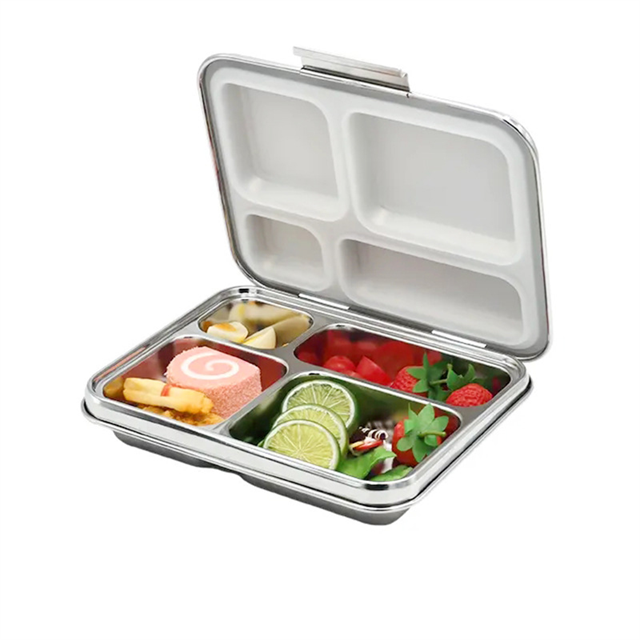
How a bento box closes and travels is just as important as how much it holds. A leaked lunch can ruin a backpack, a laptop, and your day. Understanding the mechanics of the seal helps avoid these disasters.
Marketing terms can be misleading. A true Leakproof Bento Lunch Box utilizes a silicone gasket that compresses against the container rim, often secured by a 4-point latch system. This design can hold water or thin soup without spilling. However, many boxes are merely "leak-resistant." This means they can contain viscous liquids like hummus, yogurt, or thick sauces, but will leak if filled with water or vinaigrette.
A warning on physics: truly leakproof seals can create a vacuum. If you seal a box while the food is piping hot, the air inside contracts as it cools, creating a powerful vacuum seal. This can make the lid impossible to open or even deform the plastic. Always let food cool slightly before sealing, or choose a model with a steam vent plug.
The geometry of the box dictates how it fits into your daily carry. A Square bento lunch box is often the most space-efficient shape for standard backpacks and briefcases. It maximizes internal volume and accommodates square sandwich bread without the need for trimming crusts.
Slim, tiered boxes are another popular option. These stackable units are narrow, designed to slide into slim commuter bags alongside books or a laptop. They separate wet and dry ingredients effectively—for example, placing rice in the bottom tier and curry in the top. For younger children, a tray-style (single layer) box is often best. It offers visual clarity of all food options at once and usually involves fewer latches, which is easier for small hands to manage.
The initial price of a bento box is only part of the investment. You must also consider the time and effort required to keep it functional. High-maintenance containers often end up unused in the back of a cupboard.
Dishwasher safety is a complex feature. While a base container might be rated "Dishwasher Safe," the intense heat of the drying cycle can warp lids. Even a millimeter of warping can destroy the seal of a leakproof container. To extend the lifespan of your purchase, we recommend a hybrid cleaning approach: wash the durable base in the machine, but always hand-wash the lids and silicone gaskets. This preserves the integrity of the locking mechanisms.
A common frustration is having to discard a perfectly good container because one small plastic clip broke. When selecting a brand, check if the Bento Lunch Box manufacturer sells replacement parts. The availability of spare gaskets, dividers, or latches significantly lowers the total cost of ownership over time. Generic or unbranded boxes rarely offer this support, making them a "disposable" investment compared to reputable brands.
Different lifestyles demand different features.
The Commuter: Needs a slim profile to fit in a work bag, secure latches to prevent spills on transit, and lightweight materials to reduce shoulder strain.
The Meal Prepper: Needs stackability for fridge organization. They benefit from buying multiple identical units to prep a week’s worth of meals at once. Microwave durability is a priority here.
The School Student: Prioritizes impact resistance. A drop test is more important than thermal retention. The latches must also pass a "motor skills check" to ensure the child can open them without adult assistance.
To simplify the decision-making process, we have categorized the best options based on typical daily scenarios. Use this matrix to identify which profile matches your needs.
Verdict: High-quality BPA-Free Plastic (PP) or Glass.
If you have access to a microwave, you want a material that heats evenly. Glass is excellent but heavy. High-grade Polypropylene (PP) is the standard Bento Lunch Box for Daily Work. Look for features like steam vents, which allow you to reheat food with the lid on to prevent splatters. Stain resistance is also a priority if you enjoy pasta or curries. Modular dividers help keep sides warm or cold if you remove them before heating the main dish.
Verdict: Stainless Steel or Tray-style Plastic.
Children rarely have time or access to reheat food. Durability is the main driver here. Stainless steel withstands playground drops. A tray-style layout helps children eat efficiently within short lunch periods. Key features include a single-latch opening mechanism and shock-absorbing bumpers. "Running Dip" leak resistance is vital to keep yogurt from ruining the rest of the meal.
Verdict: Large capacity (>900ml) Aluminum or Steel.
For construction sites, hiking, or long shifts without amenities, volume is king. You need a calorie density that sustains high energy output. Aluminum or steel is preferred for its ruggedness. Look for robust locking clamps that won't pop open if the bag is dropped. A Leakproof Bento Lunch Box with a heavy-duty seal is essential here, as the box may not always remain upright during transport.
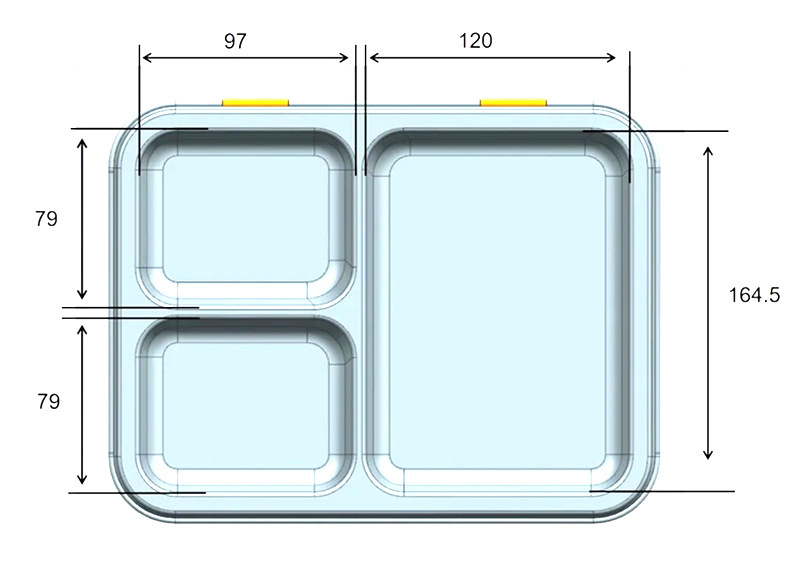
Selecting the right bento box is an exercise in balancing nutritional goals with logistical realities. While the aesthetic appeal of a traditional wooden box is undeniable, the practicality of a leakproof, microwave-safe polymer box often yields a better return on investment for daily commuters. You must evaluate your typical lunch menu—whether it is wet curries or dry sandwiches—and your cleaning tolerance before purchasing.
If you rely on a dishwasher, avoid wood or sensitive plastics. If you need hot food, avoid standard stainless steel. The right container is not just a vessel; it is a tool that dictates your portion control and meal variety for years to come. By choosing a Bento Lunch Box manufacturer that prioritizes safety certifications and spare parts availability, you ensure that your healthy eating habits are supported by reliable gear.
A: Yes, provided the box is made of high-grade Polypropylene (PP, usually recycled code #5) and is rated safe for high temperatures. However, you should allow the food to cool slightly (to around 175°F or 80°C) before sealing the lid. Sealing piping hot food causes the air inside to contract as it cools, creating a vacuum seal that can deform the lid or make it incredibly difficult to open later.
A: For most adults with a sedentary to moderately active lifestyle, a standard bento box should be between 600ml and 800ml. According to Japanese dietary guidelines, this correlates roughly to a 600–800 calorie meal if the box is packed densely with rice and proteins. If you pack loose salads, you may need a larger volume (1000ml) to achieve the same satiety.
A: Not inherently. Metal-on-metal closures cannot create a watertight seal. To ensure the container is truly leakproof, you must look for stainless steel models that specifically feature a silicone ring or gasket integrated into the lid and locking clamps. Without these additions, stainless steel boxes are best reserved for "dry" foods like sandwiches or stir-fries without excess sauce.
A: Silicone is porous and can absorb the scents of strong dish detergents. To remove the "soapy" smell, soak the seal in a mixture of white vinegar and hot water for 30 minutes. Alternatively, if the manufacturer confirms it is oven-safe, you can bake the clean silicone part at 250°F (120°C) for 20 minutes to help evaporate the volatile compounds causing the odor.
A: A square shape is typically superior for packing Western-style foods like sandwiches, wraps, or cut fruits, as it maximizes volume without wasted corners. It also tends to fit better in standard backpacks. Oval shapes are traditionally designed for Japanese rice bowls (donburi) or pasta, where the curvature allows for easier scooping of food.
