


Call Us Now
Phone:
+86-137-2797-2500 
Views: 0 Author: Site Editor Publish Time: 2026-01-19 Origin: Site
The "Sad Desk Lunch" is a familiar ritual for many corporate employees. You spend fifteen dollars on a mediocre salad or rush through a greasy takeout order, only to feel lethargic by mid-afternoon. Bringing a homemade meal offers a disciplined, cost-saving alternative, yet it introduces a specific anxiety unique to the modern professional: the commute. The fear of vinaigrette leaking onto a laptop or sauce ruining important documents in a briefcase is a significant barrier to adoption. This analysis focuses on solving that dilemma.
We are moving beyond child-focused designs to evaluate high-performance containers built for adult aesthetics, portion control, and durability. A true Office Bento Lunch Box is not just a plastic tub; it is a tool for efficiency. We define the modern bento as a compartmentalized system designed to transport a balanced meal securely. In the following guide, we explore the best options available to upgrade your daily routine, ensuring your meal arrives as intact as your professional reputation.
Best Overall: The balanced choice for microwave safety and portability.
Best for Hot Meals: The rise of the Electric/Heated Bento Lunch Box for avoiding the communal office microwave.
Best Eco-Conscious: Stainless Steel options for zero-plastic advocates (note: non-microwavable).
The Leak-Proof Reality: Why silicone gaskets and locking latches are non-negotiable for commuters.
Material Matters: The trade-offs between BPA Free plastic (lightweight) and glass/steel (durability/purity).
Selecting the right container requires more than picking a favorite color. We applied rigorous testing standards to separate true commuter gear from kitchen storage containers.
The most critical factor for any professional is confidence. To test this, we distinguish between "leak-proof" and "spill-proof." A truly Leak-Proof Bento Lunch Box must hold water without dripping when shaken or stored sideways. We subjected containers to water tests and oil-based sauce tests. While water is thin and difficult to contain, oil has a lower surface tension and tends to creep through inferior seals.
We also analyzed negative space management. If a box is too large (over 1.5 liters), food slides around during transit, leading to internal cross-contamination where your berries taste like your salmon. The best boxes minimize this movement through smart compartmentalization.
Bright primary colors and cartoon characters have no place in a boardroom setting. We prioritized sleek, matte finishes and minimalist designs. The goal is a container that looks at home on a conference table or a modern desk. Neutral tones, brushed metals, and soft-touch exteriors scored highest in our aesthetic evaluation.
Convenience is paramount for the busy professional. We evaluated how easily each unit transitions from fridge to microwave (if applicable) to dishwasher. We specifically looked for warping issues after repeated high-heat cycles. While stainless steel offers purity, its inability to go in the microwave is a significant logistical hurdle for those who prefer hot lunches.
Portion control is a key benefit of the bento lifestyle. We found the ideal capacity range lies between 800ml and 1.2 liters. This volume provides adult satiety without the bulk of a picnic cooler. Slim profiles are essential; the box must slide vertically or horizontally into a standard briefcase or tote bag without creating an awkward bulge.
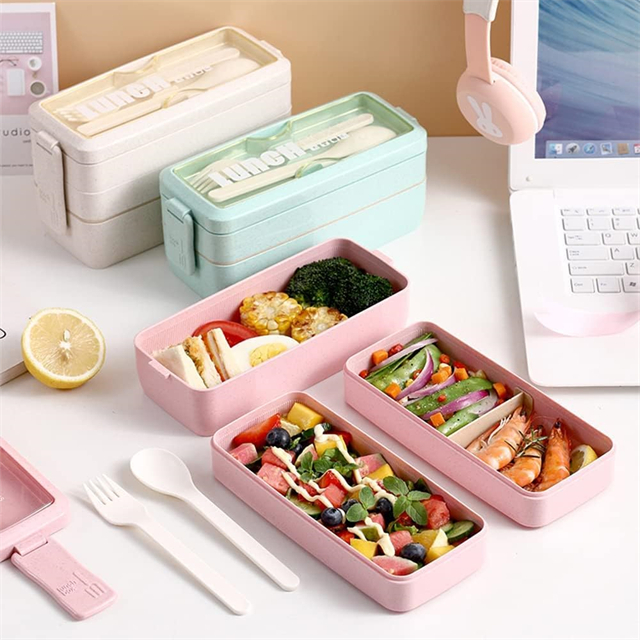
Best For: The daily commuter who wants a balance of style, reheating capability, and zero leaks.
This archetype represents the gold standard for most office workers. It typically features a high-quality, BPA Free Bento Lunch Box construction with a soft-touch exterior that feels premium in the hand. The design usually includes two stackable containers secured by a single strap or integrated latch system.
Pros: It is lightweight, making it easy to carry during rush hour. The airtight silicone seals prevent dressing leaks, and the inclusion of a steam vent allows you to reheat food without removing the lid entirely, preventing microwave splatter.
Cons: Over time, the elastic strap used on some models can lose elasticity, though latch-based versions solve this. It creates more dishes to wash if you use all compartments.
The Verdict: It wins because it requires no lifestyle adjustment. You can microwave it, wash it in the machine, and toss it in your bag without worry.
Best For: Professionals who want to avoid the dirty, queued-up office microwave.
The Heated Bento Lunch Box is a rapidly growing category. These units feature built-in heating elements powered by a standard wall plug or, in some advanced models, a battery. You simply plug the unit in at your desk 30 minutes before lunch, and your meal is heated evenly without drying out.
Pros: It provides total independence from communal appliances. The slow heating process preserves food texture better than nuking it.
Cons: These units are significantly heavier due to the electronics. You cannot submerge the outer heating unit in water, requiring careful hand-washing.
The Verdict: If you hate the "lunch line" at the breakroom microwave, an Electric Bento Lunch Box is a game-changer for your midday autonomy.
Best For: The eco-conscious worker who prioritizes durability and hygiene over microwave convenience.
Constructed from 100% food-grade 304 material, a Stainless Steel Lunch Box is virtually indestructible. It does not retain odors (like garlic or curry) and will never stain from tomato sauce.
Pros: It is the most sustainable option on this list. It is dishwasher safe and can even be used in an oven or toaster oven for reheating (lid removed).
Cons: It is not microwave safe. Unless it features a specific silicone ring design, metal-on-metal closures are rarely 100% leak-proof for liquids.
The Verdict: Perfect for cold meals like salads and sushi, or for offices with a toaster oven. It is an investment that will last for decades.
Best For: Professionals who prep meals on Sunday for the entire week.
This category often features borosilicate glass with robust locking snap lids. A Square bento lunch box in this style stacks neatly in the refrigerator. The glass ensures zero chemical leaching and cleans up perfectly every time.
Pros: Superior stain resistance and taste integrity. You can bake directly in the container. The snap locks are generally very secure against leaks.
Cons: Glass is heavy. A glass container can double the weight of your lunch bag compared to plastic. There is always a breakage risk if dropped on hard concrete during a commute.
The Verdict: If you drive to work and have a fridge at your desk, the weight penalty doesn't matter, making this the most hygienic choice.
Best For: Urban commuters using slim messenger bags or laptop totes.
This Bento Lunch Box style focuses on verticality. Drawing inspiration from the traditional Indian "Tiffin," these boxes stack distinct layers on top of one another, held together by a strong clip system. The footprint is small, allowing it to sit upright next to a water bottle.
Pros: Extremely space-efficient. It separates hot and cold items physically by layer.
Cons: Leak-proofing varies between layers. Often the top layer is sealed, but the bottom layers are not. You must pack strategically.
The Verdict: The ultimate space-saver for those who refuse to carry a separate lunch bag.
Choosing the right material dictates your lunch experience. Below is a comparison of how different materials perform in a corporate environment.
| Material | Weight | Microwave Safe | Durability | Leak Potential |
|---|---|---|---|---|
| BPA Free Plastic | Lightest | Yes | Medium (Can Warp) | Low (Flexible Seals) |
| Stainless Steel | Medium | No | High (Indestructible) | Medium (Rigid) |
| Glass | Heaviest | Yes | Low (Shatter Risk) | Low (Snap Lids) |
| Electric Unit | Heavy | Self-Heating | Medium (Electronics) | Low (Sealed) |
High-quality plastics remain the most popular choice because they are lightweight and versatile. While "Tupperware" has a stigma, modern bento composites are matte, rigid, and stain-resistant. However, even the best plastic can retain strong odors over time if not soaked in vinegar occasionally.
Steel is hygienic and recyclable. It cools down quickly in the fridge, keeping salads crisp. The main drawback is the noise—metal utensils on a metal box can be loud in a quiet breakroom. New technologies are emerging, but generally, you must accept that reheating requires a plate transfer.
The market trend toward hot meals has exploded. Professionals are increasingly choosing these to avoid the "sad desk sandwich." Safety is critical here; always ensure your unit has proper certifications (UL/ETL) to prevent overheating at your desk.
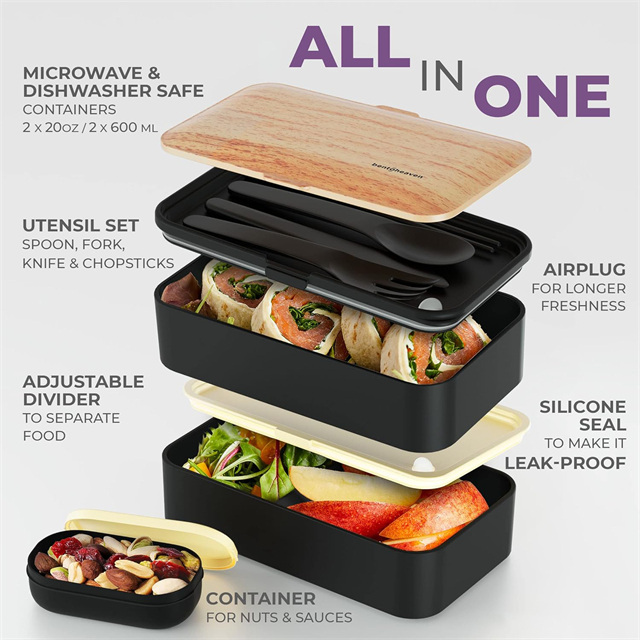
Many containers claim to be leak-proof, but few survive the jostle of a subway commute. Understanding the mechanics of the seal can save your laptop.
The secret to a dry bag is the silicone gasket. This flexible ring compresses between the lid and the container to create a barrier. However, gaskets are removable for cleaning. If you do not remove and clean them, mold will grow in the grooves. This is the number one reason users throw away perfectly good boxes. Conversely, if you lose the gasket, the box is no longer sealed.
Traditional bentos use elastic bands. While aesthetic, they rely on tension that fades. Mechanical locking latches (snap-locks) are superior for professionals. They apply consistent pressure to the gasket, ensuring the seal remains tight regardless of how the bag is positioned.
Physics plays a role in leaks. Packing hot food and sealing the lid immediately creates a vacuum as the food cools, which is good for sealing but makes the lid hard to open. Conversely, hot steam can build pressure and "pop" a lid open if there is no vent. Always look for a steam vent plug on your container.
Is a $40 lunch box worth it? Let’s do the math. If you buy a "Daily Sweetgreen" salad or comparable takeout, you are spending roughly $15 per day. That is $75 a week or $3,000 a year. A premium bento box costs the equivalent of three lunches.
By bringing leftovers or simple prepped meals just two days a week, the box pays for itself in under a month. The financial ROI is undeniable, but the health ROI—controlling salt, sugar, and portion sizes—is even higher.
Cheap containers (under $15) often fail within three months. The plastic warps in the dishwasher, preventing the lid from snapping shut. It is vital to purchase from a reputable Bento Lunch Box manufacturer that offers support. High-quality brands often sell replacement parts like dividers, caps, and gaskets. This modularity extends the product life from months to years, increasing your long-term savings.
There is no single "perfect" box, but there is a perfect box for your routine. The choice depends entirely on how you travel and what you eat.
If you crave hot meals and want independence, select a Heated unit. If you need versatility and microwave access, a high-end Plastic model is the standard. for those prioritizing sustainability and cold meals, Steel is the clear winner. Whichever you choose, view it as an investment. A high-quality lunch box protects your health, your wallet, and your professional image.
A: No. Generally, high-quality BPA-free plastics and glass containers are microwave safe (often for reheating only, not cooking). Stainless steel is almost never microwave safe unless specified by new technology. Furthermore, you usually need to remove the lid or open the steam vent before heating to prevent pressure buildup and warping.
A: Prevention is key; remove the ring every time you wash the box. If mold appears, soak the silicone ring in a solution of white vinegar and warm water for 30 minutes, then scrub with a paste of baking soda. Allow it to dry completely before reinserting it into the lid groove.
A: Generally, no. Even containers labeled "leak-proof" are typically rated for viscous liquids like yogurt, dressing, or thick curries. Watery soups pose a high risk of leakage during a commute. For soup, we strongly recommend a dedicated screw-top thermal jar rather than a rectangular bento box.
A: Aim for a capacity between 800ml and 1200ml. This range accommodates a satisfying adult meal without leaving too much empty space. Excess negative space allows food to shift and spill internally. If you have a physically active job, lean toward 1200ml; for desk jobs, 800ml is usually sufficient.
A: They offer convenience and hygiene. By heating food at your desk, you skip the communal office microwave, which is often dirty or busy during peak hours. Electric boxes also tend to warm food more slowly and evenly than a microwave, preserving the texture and moisture of the meal better.
