


Call Us Now
Phone:
+86-137-2797-2500 
Views: 0 Author: Site Editor Publish Time: 2025-12-22 Origin: Site
The concept of the bento is elegantly simple: a balanced meal packed into a single, portable container. Yet, browsing for one today reveals a complex market flooded with options ranging from traditional Japanese cedar to high-tech engineered polymers. This abundance creates a paradox of choice. You might find yourself debating between the sleek look of aluminum, the microwave convenience of plastic, or the eco-friendly promise of bamboo.
Why does the material matter so much? It dictates your entire lunch experience. The right material determines whether your soup stays hot, how much time you spend scrubbing grease at the sink, and ultimately, the safety of your food regarding chemical leaching. A mismatch here leads to frustration, such as cold rice, leaking sauce, or a heavy bag that makes your commute miserable.
This guide serves as a decision framework rather than just a feature list. We will help you match the material to your specific lifestyle, whether you are a meal-prep professional, a parent needing a durable solution, or a commuter navigating rush hour. By understanding the pros and cons of every major material, you can select the Bento Lunch Box that fits your daily routine perfectly.
Best for Durability: Stainless steel is the longest-lasting option, but requires a "hybrid" silicone design to be truly leakproof.
Best for Reheating: High-quality PP (Polypropylene) or Glass are the only safe bets for microwave use; "Electric" bentos are a rising alternative for desk-side heating.
The "Eco" Trap: Be skeptical of "Bamboo Fiber" composites which often use melamine binders; solid wood requires high maintenance but offers superior moisture control for rice.
Thermal Reality: Only double-walled vacuum stainless steel keeps food hot (4–6 hours); plastic and single-layer metal offer zero insulation without external help.
Plastic remains the most ubiquitous material in the lunch box market, primarily because it is lightweight and affordable. However, not all plastics are created equal. In the past, concerns over Bisphenol A (BPA) drove a massive shift in manufacturing. Today, safety standards have evolved, and savvy consumers must look deeper than the standard marketing labels.
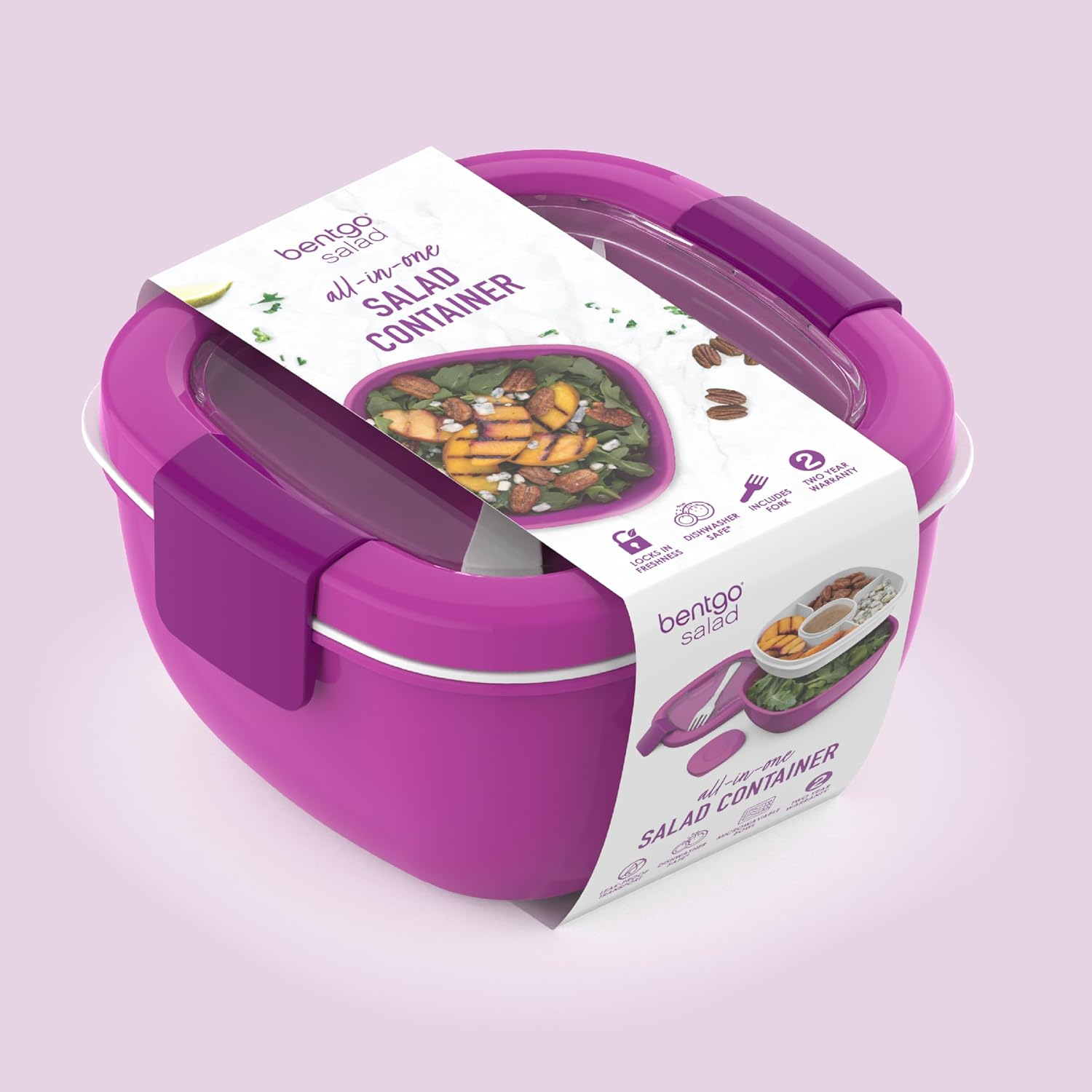
Seeing a "BPA Free" sticker is the bare minimum requirement, not a gold star. Modern chemical safety requires looking for "BPS-free" certifications as well, as some manufacturers swapped one bisphenol for another. For general daily use, PP (Polypropylene) is the industry standard for a reason. It is durable, resists fatigue, and importantly, it is the only plastic resin that is generally safe for microwave use up to approximately 120°C.
A reliable BPA Free Bento Lunch Box made from high-grade polypropylene offers the flexibility to reheat leftovers without warping. However, you must be vigilant about Melamine. Often found in stylish, rigid containers that mimic ceramic, melamine is dangerous in the microwave. High heat can cause chemicals to leach into your food. If a container feels like hard, brittle plastic or looks like "bamboo fiber," check the bottom icons carefully before nuking your lunch.
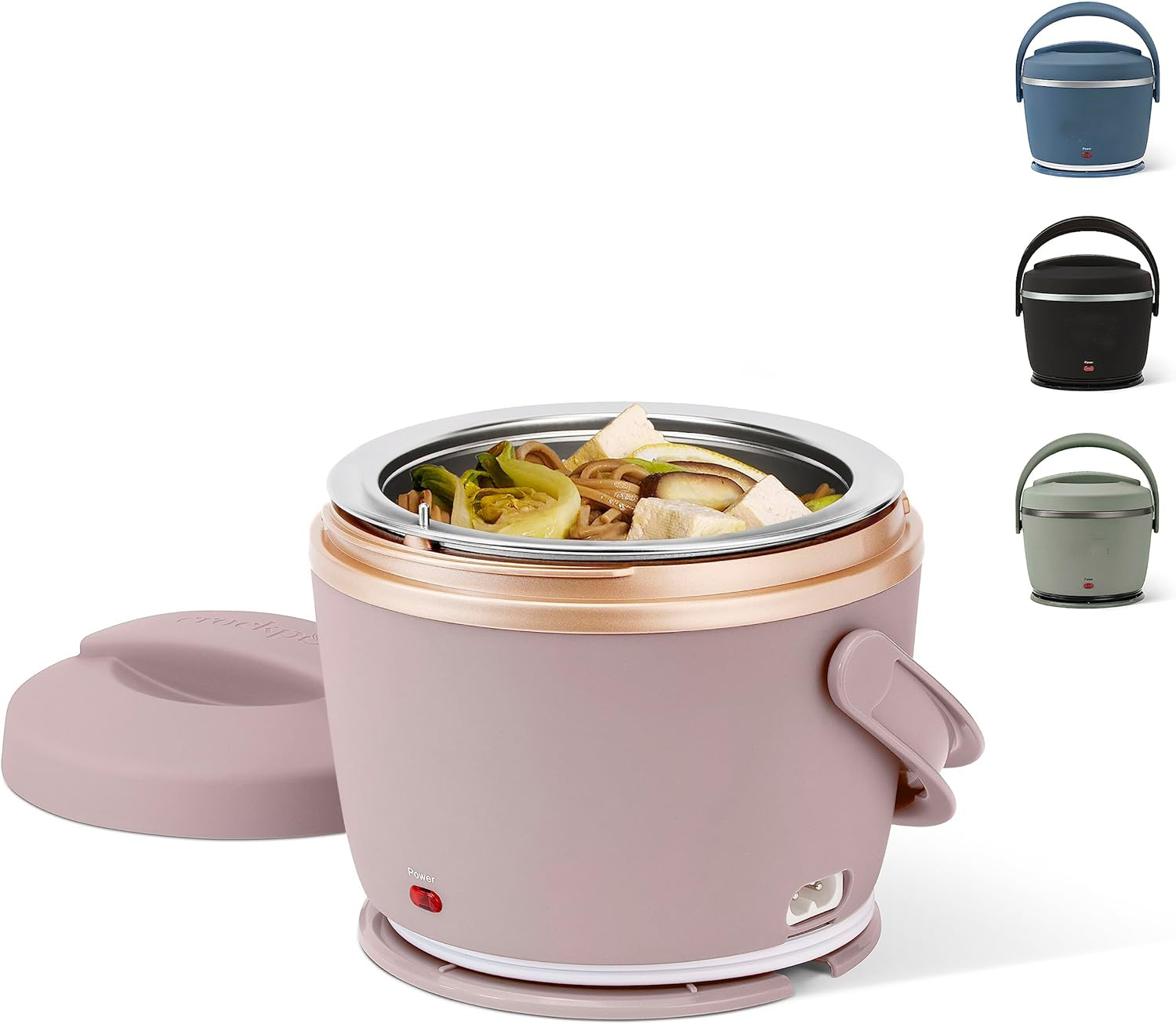
A growing sub-category in the plastic realm is the self-heating container. These devices typically use PTC heating elements embedded inside a heat-resistant plastic shell. An Electric Bento Lunch Box solves a specific problem: the office lunch queue. It eliminates the need for a communal microwave entirely.
Pros and Cons of Electric Options:
Pro: You enjoy a hot meal right at your desk without relying on external appliances.
Con: They are difficult to wash. You cannot submerge the electronics, so they rely heavily on removable plastic liners or stainless steel trays which adds to the cleanup volume.
Silicone is rarely used for the entire box due to its lack of structure, but it is essential for collapsible containers and leakproof seals. Silicone hybrids offer excellent heat resistance and can create watertight seals that rigid plastic cannot achieve alone. The trade-off is odor retention. Silicone is porous enough to hold onto the ghost of yesterday’s garlic curry or strong spices. Additionally, the slightly tacky surface tends to attract lint and dust inside bags.
For those looking to move away from petroleum-based products, metal offers a robust alternative. Metal lunch boxes evoke a sense of nostalgia and permanence, but the functional differences between aluminum and steel are drastic.
A high-quality Stainless Steel Bento Lunch Box is virtually indestructible. Unlike plastic, which may scratch or cloud over time, stainless steel resists staining and retains zero flavors. You can switch from spicy pasta one day to fruit salad the next without flavor transfer.
Conversely, Aluminum is significantly lighter but softer. It dents easily if dropped and reacts with acidic foods like tomatoes or citrus unless it has a protective coating. Over time, these coatings can wear off. For longevity, 304 (18-8) food-grade stainless steel is the superior choice. It withstands the rough-and-tumble environment of a school bag or a construction site without losing structural integrity.
A common misconception is that metal inherently keeps food hot. This is false. In fact, single-layer metal is a highly efficient conductor, meaning it moves heat out of your food rapidly. If you put hot soup in a single-layer steel tin, it will be cold within an hour, and the outside of the box will be too hot to touch.
To keep food warm, you need mass and engineering. Here is how the structures compare:
| Structure Type | Heat Retention (Approx.) | Microwave Safe? | Weight Profile |
|---|---|---|---|
| Single-Layer Plastic | 0–1 Hour | Yes (PP only) | Lightweight |
| Single-Layer Metal | < 1 Hour (Rapid cooling) | No | Medium |
| Vacuum Insulated Steel | 4–6 Hours | No | Heavy / Bulky |
| Glass | 0–1 Hour | Yes | Very Heavy |
As the table shows, Vacuum Insulated structures are the only viable option for hot meals without reheating. However, this comes with a weight trade-off. Insulated boxes are significantly heavier and bulkier than their single-layer counterparts.
The general rule remains: do not put metal in the microwave. It causes arcing and can damage your appliance. While emerging technologies are producing "microwave-safe steel" with rounded corners designed to prevent sparking, these are rare and expensive. For the vast majority of users, choosing steel means accepting that you cannot reheat your food once it cools down.
Glass containers have surged in popularity among health-conscious office workers. They offer a purity that no other material can match.
Glass and high-fire ceramics are non-porous. This means zero stain retention. You will never see that dreaded "orange ring" left behind by tomato sauce after a cycle in the dishwasher. Furthermore, glass offers perfect clarity. You can identify exactly what is in the refrigerator without unclipping lids, which reduces food waste.
While great for eating, glass is terrible for commuting. The primary issues are Weight and Fragility. If you take the subway, ride a bike, or have a long walk, the extra pounds add up quickly. A glass container can shatter if your bag is dropped or crushed in a crowd.
Additionally, consider the Seal Integrity. Glass is rigid; it relies entirely on a plastic lid with a silicone gasket to seal. If the plastic lid warps in the dishwasher, the heavy glass base becomes useless for transport because the latch will no longer snap shut securely.
Glass is best for "Stationary" lunches. If you can leave a set of containers at your office and only transport food in lightweight bags, or if you drive to work and your bag sits safely on the passenger seat, glass is excellent. For active commuters, it is a risk.
Traditional bento boxes were made of wood for functional reasons, not just aesthetics. However, the modern market is full of confusing terminology regarding "bamboo."
Japanese cedar or cypress boxes (Magewappa) are prized for their ability to breathe. Uncoated wood absorbs excess moisture from warm rice, preventing it from becoming soggy while inhibiting bacterial growth naturally. The rice tastes better at room temperature in wood than in any other material. The downside is high maintenance. You must hand wash them, dry them immediately, and occasionally oil them. They cannot be soaked, and they certainly cannot be microwaved.
Bamboo products fall into two distinct categories:
Solid/Woven Bamboo: These are sustainable, lightweight, and beautiful. However, they are rarely leakproof and are best suited for "dry" lunches like sandwiches or onigiri.
"Bamboo Fiber" Composites: This is where greenwashing occurs. Many products marketed as "Bamboo" are actually a composite of bamboo powder mixed with a melamine resin binder.
Verdict: If a box looks like smooth, matte plastic but claims to be bamboo, treat it like Melamine. It is likely not microwave safe and may degrade faster than pure plastic. A reputable Bento Lunch Box manufacturer will be transparent about the binder materials used in these composites.
There is no single "best" box. To make the right purchase, you must match the material properties to the user.
When selecting a Bento Lunch Box for Kids, weight and mechanics are critical. Stainless steel can be heavy for a small backpack. More importantly, perform a "latch test." Some vacuum-sealed thermal jars are so effective that they suction shut as the food cools slightly, making them impossible for a child to open without help.
Durability is also key. Rigid plastic hinges often snap when dropped on a cafeteria floor. Stainless steel bentos that use detached lids or silicone stretch covers tend to survive school environments better than those with integrated plastic mechanical hinges.
If you prep meals for the whole week, efficiency is your priority. A Square Bento Lunch Box is often superior to round containers because they stack efficiently in the fridge and freezer, maximizing space. You should also look at capacity. Using the Japanese estimation rule (1ml volume ≈ 1 kcal) helps you determine if a square bento lunch box meets your dietary goals. For example, a 600ml box usually holds a 600-calorie meal if packed densely.
For those eating on the go, a Bento Lunch Box With Handle is a popular trend. The integrated handle offers convenience for short walks to the park or breakroom. However, be cautious: a handle often signifies a "picnic" style tiered box. These stacked layers sometimes rely on gravity or a single strap to hold them together rather than individual locking seals. This design is risky for liquid foods like curries or dressed salads.
Choosing the right lunch box material involves navigating a series of trade-offs. There is no perfect material, only the perfect material for your specific environment. If you prioritize hot food in winter, you must accept the weight of vacuum-insulated steel. If you want the ease of a dishwasher and microwave, you must accept the synthetic nature of plastic.
Final Verdicts:
Choose PP Plastic for budget-friendly durability and microwave flexibility.
Choose Vacuum Stainless Steel for hot lunches and lifetime durability.
Choose Glass for purity and reheating, provided commute weight isn't an issue.
Choose Solid Wood only if you prioritize rice texture and ritual over convenience.
Before purchasing, always check the bottom of the box. The "Use and Care" icons for microwave, dishwasher, and freezer limits are the ultimate truth tellers behind the marketing.
A: It depends on your priorities. Stainless steel is far more durable, stain-resistant, and eco-friendly over the long term. It resists odors better than plastic. However, plastic wins on convenience because it is microwave-safe and lighter. If you need to reheat food at work, plastic (PP) is better. If you want a box that lasts a decade, steel is superior.
A: Only if it is made of Polypropylene (PP), Glass, or Ceramic. You generally cannot microwave stainless steel, aluminum, or wood. Even with plastic boxes, you should usually remove the lid before microwaving, as the silicone seals and plastic latches may warp under high heat.
A: Material alone is not enough; you need vacuum insulation. A standard plastic or single-layer metal box will not hold heat. Use a vacuum-insulated stainless steel container. For best results, pre-heat the container by filling it with boiling water for 5 minutes, dumping it out, and then immediately adding your piping hot food.
A: Generally, no. Solid wood or bamboo will warp and crack in the high heat and moisture of a dishwasher. "Bamboo fiber" composite boxes might be labeled dishwasher safe, but the harsh detergents can degrade the binder over time, leading to surface roughness. Hand washing is always recommended for bamboo products.
A: 304 (18/8) Stainless Steel is widely considered the safest as it is non-toxic and unbreakable. If you prefer plastic for its light weight, look for Tritan™ or high-quality Polypropylene (PP) that is certified free of BPA and BPS to ensure no chemical leaching occurs.
