

Call Us Now
Phone:
+86-137-2797-2500 
Views: 0 Author: Site Editor Publish Time: 2026-02-10 Origin: Site
You find stainless steel cutting boards offer excellent durability, hygiene, and practicality for your kitchen. Many users choose them because they last longer, clean easily, and help keep food preparation safe. The table below shows why people prefer stainless steel cutting boards:
Factor | Description |
|---|---|
Maintenance Ease | Dishwasher-safe and no special treatment needed. |
Environmental Impact | Durable and eco-friendly compared to plastic boards. |
Cost | Higher price, but long-lasting value. |
Usage Needs | Depends on your kitchen requirements. |
Material Grade | Choose 304 or 316 for safety and longevity. |
Brand Value | Trusted brands ensure quality and satisfaction. |
Stainless steel cutting boards are durable and long-lasting, saving you money over time by reducing the need for replacements.
These boards are easy to clean and sanitize, helping to maintain a safe and hygienic kitchen environment.
Using proper cutting techniques on stainless steel boards can help preserve your knife's sharpness and enhance your cooking experience.
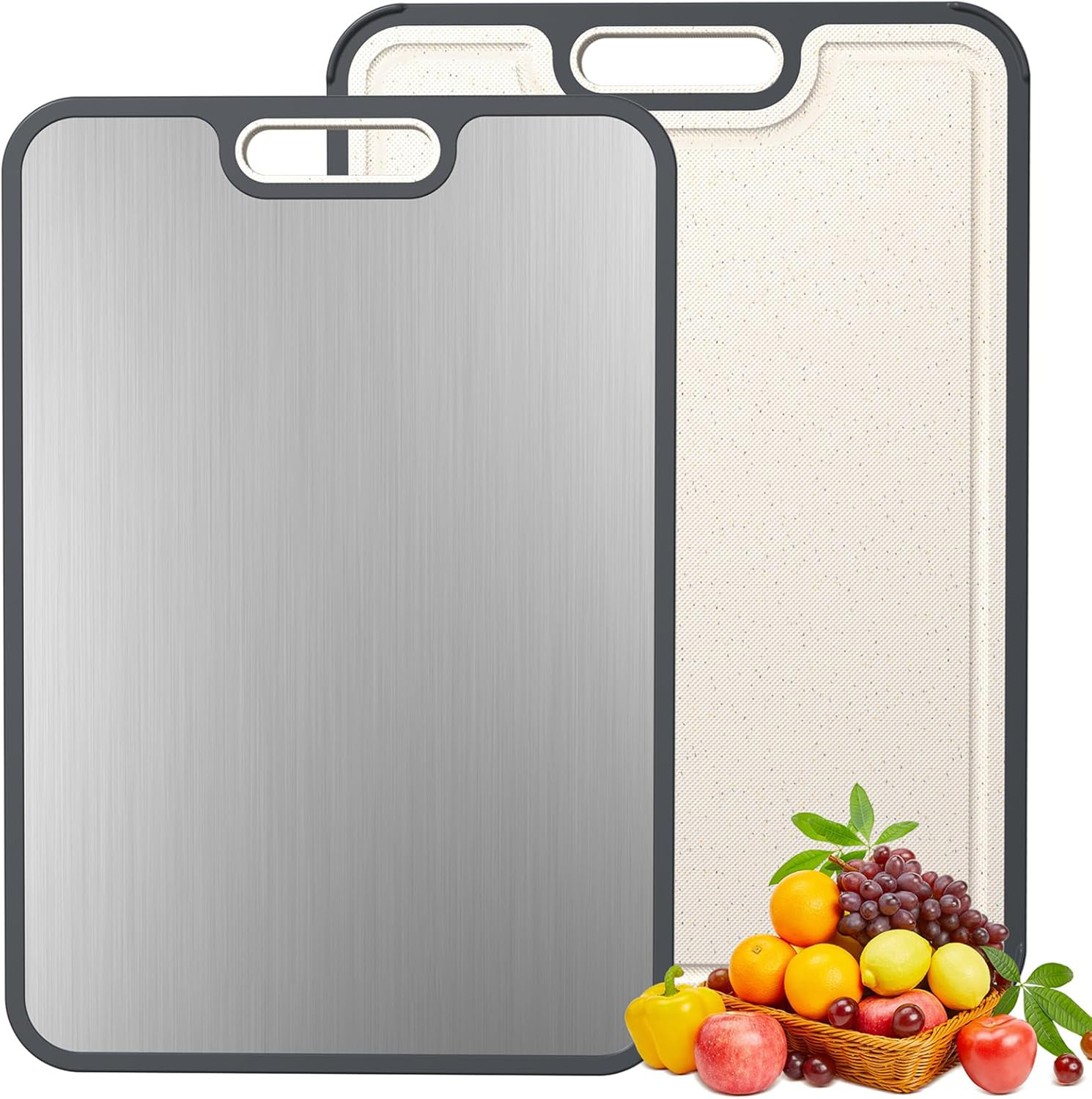
You want a cutting board that lasts. Stainless steel cutting boards stand out because they resist scratches, stains, and warping. Unlike wood or plastic, stainless steel does not crack or splinter over time. The Binsly BJ-293 Scratch-resistant Mesh Design Stainless Steel Cutting Board uses premium 304 stainless steel. This material gives you a board that stays strong even after years of daily use. The raised mesh pattern protects the surface from knife marks, so your board looks new longer. You can rely on stainless steel for heavy-duty chopping, slicing, and even pounding meat.
Double Sided Stainless steel cutting boards offer unmatched durability. You do not need to replace them often, which saves money and reduces waste.
You care about food safety. Stainless steel cutting boards help you keep your kitchen clean and healthy. Their nonporous surface prevents bacteria and mold from settling in. Unlike wood or plastic, stainless steel does not absorb juices from meats or vegetables. This makes cleaning easier and safer. The Binsly BJ-293 features a juice groove that catches liquids, keeping your countertop dry and reducing cross-contamination.
Here are reasons why stainless steel cutting boards excel at hygiene:
The surface resists bacteria and mildew.
You can sanitize the board with chlorine, iodine, or quaternary ammonium.
You do not need to oil or condition the board.
Dishwasher-safe design makes cleaning simple.
To clean your stainless steel cutting board, follow these steps:
Scrape off food particles.
Wash with warm, soapy water.
Rinse in clean water.
Sanitize in the dishwasher or by hand.
Air dry or use a clean cloth.
You can also use a bleach solution for extra sanitation. Mix one tablespoon of bleach into a gallon of water. Submerge your board for ten seconds, then let it air dry.
You want your knives to stay sharp. Stainless steel cutting boards are harder than wood or plastic. This hardness can dull knife blades faster if you use improper cutting techniques. The Binsly BJ-293 helps protect your knives with its scratch-resistant mesh surface. The mesh minimizes contact between the blade and the board, preserving sharpness. The non-slip rubber feet keep the board stable, so you feel safe while cutting.
To reduce wear on your knives:
Use a sharp knife.
Employ a slicing or rocking motion.
Avoid heavy chopping with metal-on-metal contact.
Some users report that stainless steel cutting boards produce unpleasant noise when cutting. You may notice this if you use a lot of force. Proper technique helps minimize both noise and blade dulling.
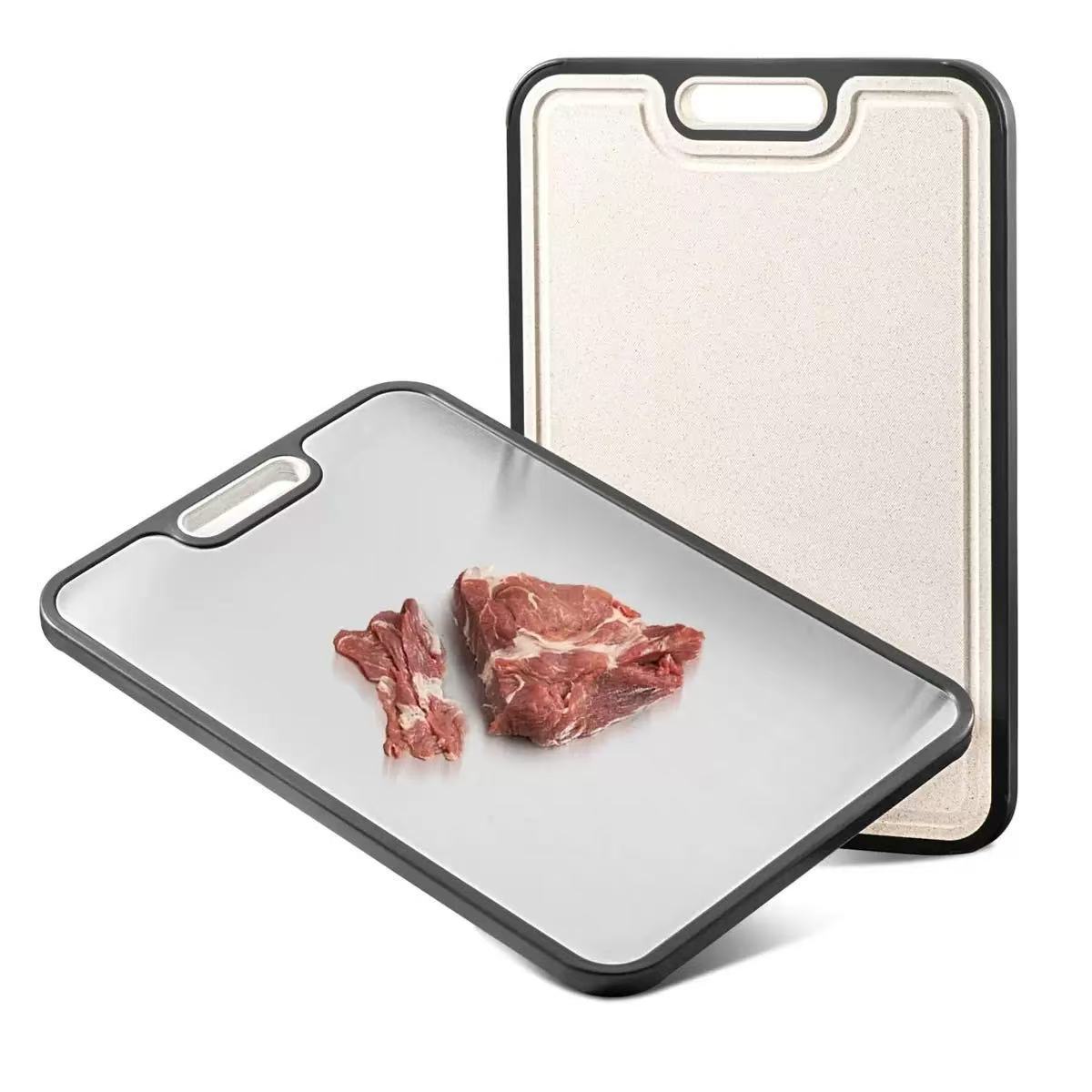
You need a cutting board that adapts to different tasks. Stainless steel cutting boards offer versatility for your kitchen. The Binsly BJ-293 works as a chopping board, dough kneading board, or serving platter. Its lightweight yet sturdy design makes it easy to carry and use indoors or outdoors. The juice groove and non-slip surface add convenience.
Here is a table showing features that make stainless steel cutting boards practical:
Feature | Description |
|---|---|
Premium Stainless Steel Material | Durable, long-lasting, and resistant to scratches and stains. |
Antibacterial and Mildew-Proof | Maintains hygiene by resisting bacteria and mildew, ensuring safety for daily use. |
Double-Sided Use | Prevents cross-contamination by allowing separate use for raw and cooked foods. |
Eco-Friendly and Sustainable | Reusable and easy to clean, contributing to a greener kitchen compared to disposable options. |
Versatile Design | Can be used as a chopping board, dough kneading board, or stylish serving platter. |
You may find stainless steel cutting boards heavier than wood or plastic. Some users feel they are awkward to handle. However, the Binsly BJ-293 offers a balance between sturdiness and portability, making it suitable for most kitchens.
Tip: Choose a stainless steel cutting board with features like a juice groove and non-slip surface for maximum practicality.
You want a cutting board that keeps your kitchen safe and clean. Stainless steel cutting boards are non-porous, so bacteria cannot grow on them. Wood cutting boards have a porous surface, which can trap bacteria and make cleaning harder. Stainless steel resists corrosion and stays strong for years. Wood can warp or crack if you do not care for it. Both materials can dull knives, but you can protect your blades with proper cutting techniques. The Binsly BJ-293 stands out because it offers a scratch-resistant mesh surface and easy cleaning.
Cutting Board Type | Maintenance Requirements | Key Features |
|---|---|---|
Wood | Regular oiling and waxing needed | Gentle on knife edges, attractive appearance |
Stainless Steel | Easy to clean, resists bacteria | Superior hygiene, durability, ideal for meat |
You may notice that stainless steel cutting boards do not absorb stains or odors. Plastic boards can soak up liquids and food particles, which leads to smells and bacteria. Stainless steel is easier to sanitize and keeps your kitchen safer. Plastic boards are lighter and softer, but they wear out faster and can become scratched.
Bamboo cutting boards are gentle on knives. Stainless steel is harder and can dull blades more quickly. Bamboo is lightweight and eco-friendly, but it can crack over time. Stainless steel lasts longer and offers better hygiene.
Stainless steel cutting boards are praised for their hygiene, durability, and easy maintenance. Some experts say they can dull knives faster, so you should use careful cutting motions.
You can use stainless steel cutting boards for many tasks:
Kneading dough
Cutting fruits, meats, and vegetables
Preparing sandwiches
Baking pizza and cakes
Handling raw seafood
Serving cheese and charcuterie
Crafting or DIY projects
Stainless steel cutting boards are versatile and hygienic. You should choose them when you want easy cleaning, durability, and safety. Wood or bamboo may be better if you want a softer surface for your knives.
You see why many people choose a stainless steel cutting board. It offers hygiene, durability, and easy cleaning. Some chefs worry about knife dulling. You benefit most if you want simple maintenance and food safety. Home cooks, professionals, and outdoor enthusiasts find this board useful.
You want a board that resists bacteria, lasts longer, and cleans easily. Stainless steel gives you these benefits and helps keep your kitchen safe.
You get a nonporous surface. Food particles and liquids cannot soak in. This stops odors and stains from building up.
You rinse it under water.
You place it in the dishwasher.
You do not need oil or special cleaners.