


Call Us Now
Phone:
+86-137-2797-2500 
Views: 0 Author: Site Editor Publish Time: 2025-12-02 Origin: Site
Are your water bottles truly safe for your health? Choosing the right bottle matters more than you think. Glass and stainless steel bottles offer safe, reusable options.In this post, you’ll learn about the health benefits of glass and stainless steel water bottles. We’ll also explore how manufacturers ensure quality and safety.
Both glass and stainless steel water bottles are excellent choices for chemical safety. They are naturally free of BPA, phthalates, and other harmful toxins often found in plastic bottles. Glass is an inert material, meaning it won’t leach chemicals into your water no matter how long you store it. Stainless steel bottles made from food-grade 18/8 or 304 stainless steel are also non-toxic and resistant to corrosion, ensuring no harmful substances contaminate your drink.
Glass bottles provide the purest taste experience. Because glass is inert, it doesn’t absorb or impart any flavors or odors, keeping your water tasting fresh and clean every time. Stainless steel bottles generally do not retain flavors either, but some users notice a faint metallic taste, especially with non-insulated or lower-quality steel bottles. This metallic note usually fades after a few washes. For those sensitive to taste, glass is often preferred.
Both materials resist bacteria and mold better than plastic. Glass’s smooth, non-porous surface makes it hard for bacteria to cling and grow. Stainless steel’s dense surface also prevents bacterial buildup, especially when cleaned regularly. However, stainless steel bottles with narrow necks or complex lids may trap moisture, requiring thorough cleaning to avoid mold. Glass bottles often have wider mouths, making them easier to clean effectively.
Glass:
Completely inert, no chemical leaching
Maintains pure water taste
Naturally resistant to bacteria and mold
Fragile but safe if handled carefully
Stainless Steel:
Food-grade stainless steel is BPA-free and non-toxic
Slight metallic taste possible but minimal
Durable and resistant to bacteria if cleaned well
Best for active lifestyles needing tough bottles
In summary, both glass and stainless steel water bottles offer significant health benefits over plastic. Glass excels in taste purity and chemical inertness. Stainless steel provides durability and safety when made from high-quality materials. Choosing between them depends on your taste preference, lifestyle, and maintenance habits.
Tip: Always verify that stainless steel bottles are made from food-grade 18/8 or 304 stainless steel to ensure chemical safety and avoid potential metal leaching.
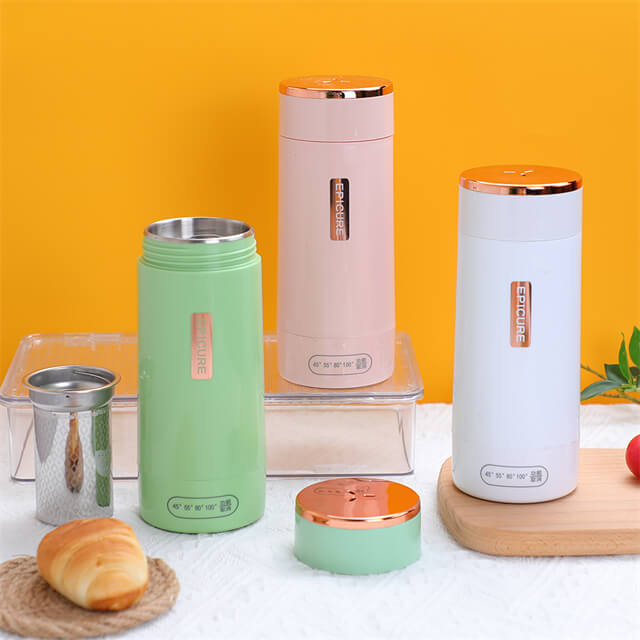
Stainless steel bottles are known for their toughness. They resist dents and scratches better than most materials. Even if dropped, they usually stay intact, though dents can affect their shape and stability. Glass bottles, especially those made from thick borosilicate glass, are surprisingly durable too. They resist scratches well and don’t degrade over time. However, glass remains fragile compared to steel. It can chip or break if dropped hard, so it requires careful handling or protective sleeves.
Glass bottles tend to be heavier because of their thick walls needed for strength. This weight can make carrying them around less convenient, especially for active users or kids. Stainless steel bottles usually weigh less and offer better portability. Their slim designs fit easily into bags and bike holders. For those always on the move, steel bottles provide a lighter, more practical option.
If you lead an active lifestyle—hiking, biking, gym workouts—stainless steel bottles are a better match. Their durability and resistance to impact make them ideal for rough use. Glass bottles suit more stationary or gentle activities, like office use or home hydration. They offer a clean drinking experience but need careful transport to avoid damage. For kids or outdoor adventures, steel’s ruggedness is safer.
Both bottle types need proper care to last. Stainless steel bottles require rinsing and occasional deep cleaning to prevent dents and maintain their finish. Avoid dropping or banging them on hard surfaces to keep their shape. Glass bottles benefit from gentle handling and protective silicone sleeves to reduce breakage risk. Both should be cleaned regularly to avoid buildup of residues or odors. Following manufacturer care instructions helps extend their life.
Glass water bottles are 100% recyclable and can be melted down and remade indefinitely without losing quality. This makes glass a highly sustainable choice. Recycling glass is widely available and efficient. Stainless steel water bottles are also recyclable but the process is more complex and takes longer. Steel recycling involves melting and refining, which requires more energy than glass recycling. However, stainless steel can be recycled repeatedly, extending its life cycle. Both materials reduce plastic waste by replacing single-use bottles, but glass offers a more straightforward recycling path.
Producing stainless steel water bottles generates higher carbon emissions than glass bottles. Steel manufacturing involves mining, smelting, and refining metals, which are energy-intensive and release greenhouse gases. Glass production, while still requiring energy for melting sand and raw materials, generally has a lower carbon footprint. Choosing glass bottles can reduce your environmental impact upfront. However, stainless steel bottles last longer and can offset their initial emissions over years of use, especially if reused extensively.
Manufacturers play a crucial role in sustainability by sourcing eco-friendly materials and optimizing production processes. Some brands use recycled glass or stainless steel to lower environmental impact. They may also implement energy-efficient manufacturing and reduce waste. Packaging choices, such as using recyclable or minimal materials, further affect sustainability. Transparency about sourcing and production helps consumers make informed decisions. Choosing manufacturers committed to sustainability supports broader environmental goals.
Reusable glass and stainless steel water bottles drastically cut plastic pollution. Plastic bottles take centuries to decompose and often end up in oceans or landfills, harming wildlife and ecosystems. Reusable bottles reduce demand for single-use plastics, lowering waste and resource extraction. Over time, their durability and recyclability mean fewer bottles discarded. This contributes to cleaner environments and less greenhouse gas emissions. By switching to reusable bottles, individuals and businesses help combat plastic pollution and promote circular economies.
Tip: When selecting water bottles for your business or personal use, prioritize manufacturers using recycled materials and transparent, energy-efficient production to maximize sustainability benefits.
Stainless steel water bottles, especially double-wall vacuum insulated ones, excel at keeping drinks hot or cold for hours. The vacuum between the two walls blocks heat transfer, so your cold water stays chilled up to 24 hours, and hot beverages stay warm for 12 hours or more. This makes stainless steel bottles ideal for outdoor activities, long commutes, or office use when you want your drink at the perfect temperature all day.
Many models come with secure screw-on lids that prevent leaks and help maintain insulation. Some even have added features like handles or spouts for easy carrying and sipping. The insulation also prevents condensation on the bottle’s exterior, so it won’t sweat and dampen your bag or hands.
Glass bottles generally lack insulation unless paired with a special sleeve or double-wall design, which is rare and more expensive. Without insulation, glass bottles quickly lose the temperature of their contents to room temperature. Hot drinks cool fast, and cold drinks warm up, making glass less suitable for keeping beverages at a desired temperature for long periods.
Additionally, putting very hot liquids in glass bottles can cause the bottle to heat up quickly, potentially burning your hands or lips. Glass is also more prone to thermal shock, meaning sudden temperature changes might cause cracking or breaking if the glass isn’t borosilicate or specially tempered.
Stainless steel bottles: Perfect for coffee, tea, hot chocolate, iced water, or cold juices. Great for hiking, work, gym, or travel where temperature control matters.
Glass bottles: Best for room temperature or chilled water consumed soon after filling. Ideal for home, office, or casual settings where insulation isn’t critical.
If you want to enjoy hot coffee on a chilly morning or ice-cold water during a summer hike, stainless steel bottles provide reliable temperature retention. Glass bottles shine when you prioritize taste purity and chemical safety but don’t need prolonged temperature control.
Consider how important temperature retention is for your lifestyle. If you often carry hot or cold drinks and want them to stay that way for hours, insulated stainless steel bottles are the best choice. They combine durability, insulation, and safety.
If you mostly drink room temperature water or prefer a pure taste experience without metallic notes, glass bottles work well. Just remember they won’t keep beverages hot or cold long and require careful handling, especially with hot liquids.
Tip: For businesses sourcing reusable bottles, offer insulated stainless steel bottles for customers needing temperature control and glass bottles for those prioritizing taste purity and eco-friendliness.
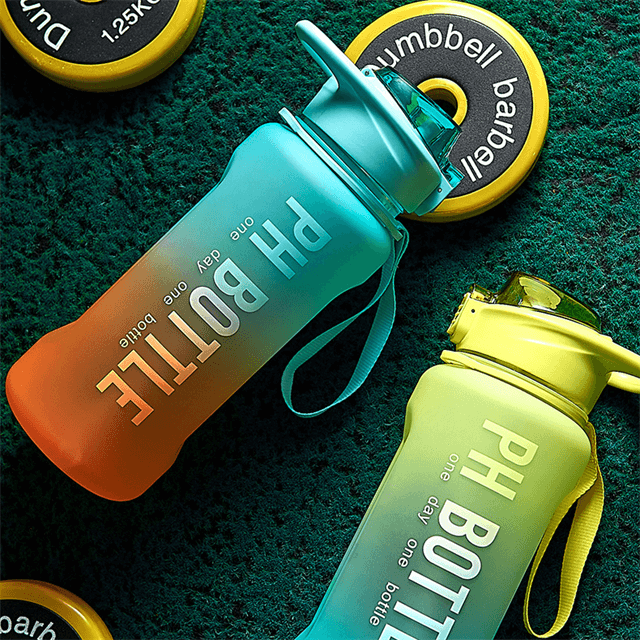
Most glass water bottles are dishwasher safe, making cleaning quick and easy. Their wide mouths allow water and soap to reach all areas, ensuring thorough cleaning. However, always check the manufacturer’s instructions before placing any bottle in the dishwasher. Some glass bottles come with silicone sleeves or caps that may need to be removed or washed separately.
Stainless steel bottles often require more care. Many are not dishwasher safe, especially insulated models, as dishwasher heat can damage seals and insulation. Hand washing is usually recommended. Always follow manufacturer guidelines to avoid voiding warranties or damaging the bottle.
Hand washing is simple and effective for both bottle types. Fill your bottle halfway with warm water and a few drops of mild dish soap. Screw the cap on tightly, then shake vigorously for about a minute. Use a bottle brush to scrub the interior, especially the neck and corners where residue may hide. Rinse thoroughly to remove soap.
For stainless steel bottles, pay attention to the lid and any seals or straws, as these parts can trap moisture and bacteria. Clean them separately with a small brush or sponge.
Odors and residues develop when bottles aren’t cleaned regularly or left with liquids inside too long. To avoid this, rinse your bottle after each use and clean it daily if used for anything other than water.
For stubborn smells or stains, a soak with a mixture of baking soda and water or white vinegar and water helps. Let it sit for 15–30 minutes, then scrub and rinse well. Avoid harsh chemicals or bleach, which can damage bottle materials and affect taste.
Clean bottles daily, especially after sugary or flavored drinks.
Air dry bottles upside down without caps to prevent moisture buildup.
Replace lids or seals if they become cracked or moldy.
Use silicone sleeves on glass bottles to protect from damage and reduce bacteria on the surface.
Avoid sharing bottles to prevent cross-contamination.
Store bottles in a dry, clean place.
Regular maintenance not only keeps your bottle hygienic but also extends its life and preserves taste quality.
Glass water bottles usually come with a higher upfront price than many basic stainless steel bottles. This is mainly due to the manufacturing process and the quality of glass used, especially if it’s borosilicate glass, which is more durable and heat resistant. Stainless steel bottles vary widely in price, from budget-friendly single-wall models to premium double-wall insulated versions. On average, a good-quality stainless steel bottle can cost less or similar to a glass bottle, but insulation and brand reputation can push prices higher.
Over time, stainless steel bottles tend to offer better value. They can last for years, resisting dents, scratches, and accidental drops. Even if they get some wear, they usually remain functional and safe. Glass bottles, while durable for glass, are more fragile and prone to breakage if dropped. Protective silicone sleeves help, but the risk remains. So, for consumers seeking longevity and ruggedness, stainless steel often wins in value despite similar or slightly lower initial costs.
Prices also depend on the manufacturer’s brand, materials, and features. Premium brands invest in higher-grade stainless steel (like 18/8 or 304 food-grade steel), advanced insulation technology, leak-proof lids, and stylish designs, increasing costs. Glass bottle manufacturers may charge more for thicker glass, unique designs, or added accessories like silicone sleeves and carrying straps. Bulk orders or wholesale purchases often come with discounts, making it important for businesses to compare suppliers carefully.
Consumers weigh several factors beyond price:
Health concerns: Some prefer glass to avoid any metallic taste or potential metal exposure, despite stainless steel being safe when food-grade.
Lifestyle: Active users favor stainless steel for durability and insulation. Those wanting pure taste and dishwasher convenience might lean toward glass.
Environmental values: Glass is fully recyclable and often favored by eco-conscious buyers, though stainless steel’s recyclability and longevity also appeal.
Aesthetic preferences: Glass offers a clear, sleek look, while stainless steel comes in varied colors and finishes.
Maintenance: Glass is dishwasher safe; many stainless steel bottles require hand washing, influencing choices for busy consumers.
Many wonder if stainless steel bottles can leach harmful metals or toxins. The good news: high-quality stainless steel bottles made from food-grade 18/8 or 304 stainless steel are considered safe and non-toxic. They resist corrosion and won’t release chemicals into your water under normal use. Low-grade or cheaply made steel bottles might pose risks, but reputable manufacturers avoid these materials.
Proper care also matters. Avoid storing acidic liquids like citrus juice for long periods, as acid can corrode metal surfaces over time. Regular cleaning prevents bacteria buildup that could cause health issues. So, if you pick a well-made stainless steel bottle and maintain it, toxicity concerns are minimal.
Some users report a metallic taste from stainless steel bottles, especially when new or with single-wall construction. This taste usually fades after several washes. Double-wall insulated bottles tend to have less or no metallic flavor due to their design and higher-quality steel.
Glass bottles, being inert, never affect taste or odor. For those sensitive to any off-flavors, glass is often preferred. However, many people find stainless steel bottles perfectly neutral after initial use.
Glass bottles are often seen as fragile and prone to breakage. While it’s true glass can break if dropped hard, many modern glass bottles use thick borosilicate glass designed to resist shocks and thermal stress. Protective silicone sleeves further reduce breakage risk.
Still, glass requires more careful handling than stainless steel. It’s not ideal for rough outdoor activities or for children’s use unless extra protection is added. For everyday office or home use, glass bottles offer excellent durability and safety.
Some myths say metal bottles cause health problems like metal poisoning or cancer. These claims lack scientific support when it comes to certified food-grade stainless steel bottles. The material is widely used in medical and food industries due to its safety.
Another misconception is that metal bottles rust or corrode easily. High-quality stainless steel resists rust and corrosion, ensuring long-term safety. Scratched or damaged bottles may harbor bacteria but won’t cause metal poisoning.
Tip: When sourcing stainless steel bottles for your business, always verify food-grade certification (18/8 or 304 stainless steel) and provide clear care instructions to reassure customers about safety and taste quality.
Choosing between glass and stainless steel water bottles depends on your health needs and lifestyle. Glass offers pure taste and chemical safety, while stainless steel provides durability and insulation. When selecting a manufacturer, prioritize food-grade materials and sustainable production. Consider long-term use, maintenance, and environmental impact to make the best choice. Switching from plastic to reusable bottles benefits health and the planet. Binsly offers high-quality, safe, and eco-friendly water bottles designed to meet diverse consumer needs.
A: Glass water bottles are chemically inert, ensuring no leaching and pure water taste, while stainless steel water bottles made from food-grade materials are BPA-free, durable, and resistant to bacteria, offering safe hydration options for health.
A: Stainless steel water bottles are tougher, lighter, and better for active lifestyles, resisting dents and scratches. Glass water bottles, although heavier and more fragile, offer purity in taste but need careful handling or protective sleeves.
A: Glass water bottles are fully recyclable with a lower carbon footprint, while stainless steel bottles are recyclable but require more energy to produce. Both reduce plastic waste, but glass offers a more straightforward recycling process.
A: Glass water bottles are often dishwasher safe and easy to clean due to wide mouths. Stainless steel bottles usually require hand washing to protect insulation and seals. Regular cleaning prevents odors and bacteria buildup, ensuring safe use.
A: Yes, stainless steel water bottles made from food-grade 18/8 or 304 stainless steel are non-toxic, BPA-free, and resistant to corrosion, making them safe for health when properly maintained and cleaned.
