


Call Us Now
Phone:
+86-137-2797-2500 
Views: 0 Author: Site Editor Publish Time: 2026-01-16 Origin: Site
You probably wonder what material works best for Kitchen Accessories. Stainless steel stands out for strength and long life, but it may bother those sensitive to nickel. Silicone feels flexible and resists stains, yet some products can leach unwanted chemicals, especially when heated. Wood looks natural and feels gentle on pans, but some finishes might add harmful substances. When you pick kitchen tools, think about what you cook, how you clean, and what matters most for your family's safety and the planet.
Choose stainless steel for durability and heavy-duty cooking. It lasts a lifetime and resists rust.
Opt for silicone tools for flexibility and safety. They are heat-resistant and easy to clean in the dishwasher.
Select wood or bamboo for an eco-friendly option. These materials are gentle on cookware and sustainable.
Consider your cooking style when selecting materials. Match tools to your favorite cooking methods for the best results.
Mix materials to enhance your kitchen experience. Combining strengths of different tools can improve cooking efficiency.
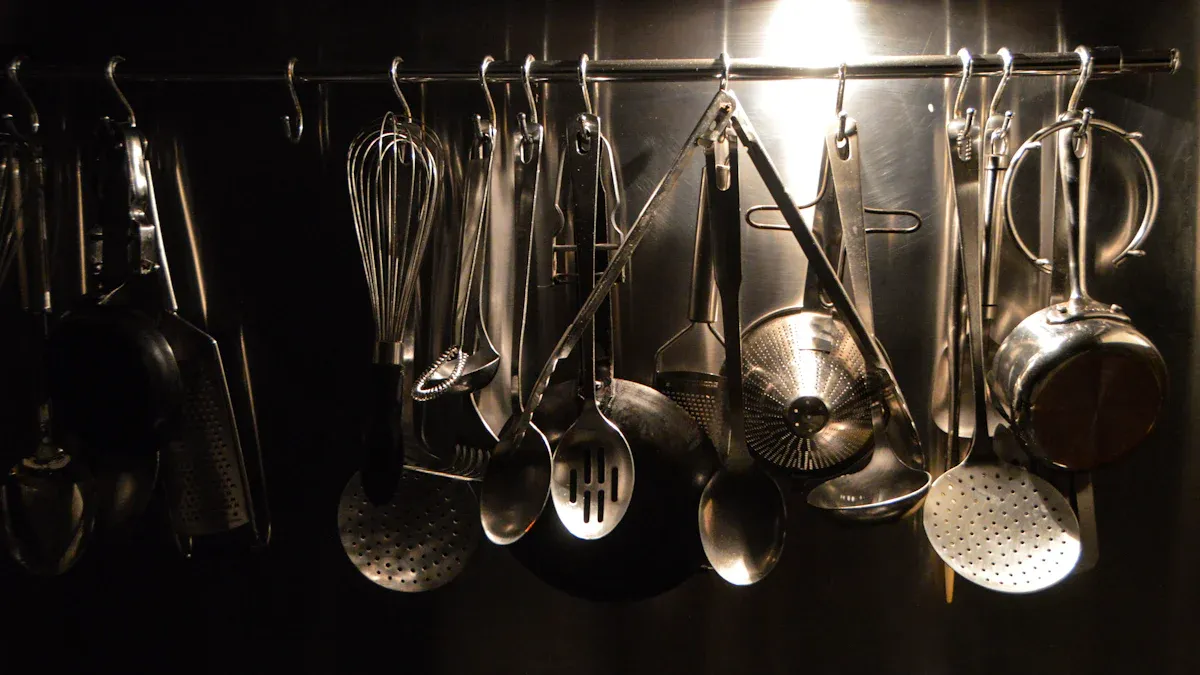
When you want tools that last, stainless steel stands out. You can use these Kitchen Accessories for tough jobs like flipping burgers, stirring thick sauces, or mashing potatoes. Stainless steel gives you unmatched strength and rigidity. Silicone and wood just can’t handle heavy-duty tasks the same way. If you cook a lot or love to experiment, you’ll notice how stainless steel keeps its shape and doesn’t bend under pressure.
Here’s a quick look at how long different materials last:
Material | Average Lifespan |
|---|---|
Stainless Steel | 50–100+ years |
Aluminum | 20–45 years |
Carbon Steel | 5–30 years |
Copper | 50–100+ years |
You can see that stainless steel Kitchen Accessories can last a lifetime or even longer.
You want your kitchen to stay clean and safe. Stainless steel helps with that. It resists rust and corrosion because it contains chromium. This metal forms a thin, invisible layer that protects the surface and even heals itself if scratched. That means you don’t have to worry about rust spots or flaking.
Cleaning is simple. Use a soft cloth or microfiber towel with warm, soapy water. Rinse well and dry right away to avoid water spots. For tough stains, use a non-abrasive cleaner like Bar Keepers Friend. Always wipe in the direction of the grain to keep your tools looking new. Avoid steel wool and harsh chemicals. If you follow these steps, your Kitchen Accessories will stay shiny and safe for years.
Stainless steel tools work well with most cookware. You can use them with metal pans for searing and deglazing. They’re also great for high-quality nonstick pans, but be gentle to avoid scratching. If you want strong, reliable Kitchen Accessories for everyday cooking, stainless steel is a smart choice.
Tip: Always check your cookware’s manual to see if stainless steel tools are recommended.
When you look for Kitchen Accessories that can handle almost anything, silicone stands out. You can use silicone tools in the freezer, oven, microwave, or dishwasher without worrying about damage. These tools stay strong and flexible, even when you move them from cold to hot. Silicone resists high temperatures, so you do not have to worry about melting or burning your hands. The non-porous surface keeps stains and odors away, making your food prep safer and cleaner.
Silicone tools move easily from freezer to oven or microwave.
They resist high heat, so you can cook safely.
The non-porous surface keeps stains and smells from sticking.
You can trust silicone for safe and flexible cooking every day.
Silicone Kitchen Accessories work well with nonstick cookware. The soft and flexible edges let you scrape every bit of batter or sauce from your bowls and pans. Silicone spatulas and spoons do not scratch nonstick surfaces, so your pans last longer. Most silicone tools can handle temperatures up to 428°F (220°C) without breaking down. Some high-quality silicone can even take more heat, but you should always check the label.
Silicone tools stay cool to the touch, even when you cook at high heat.
They can handle up to 428°F (220°C) without damage.
Flexible spatulas make flipping pancakes or eggs easy.
Tip: Always use silicone tools with nonstick pans to keep both in great shape.
Cleaning silicone Kitchen Accessories is simple. You can toss them in the dishwasher, and they come out clean and fresh. Silicone resists stains better than wood and does not hold onto odors. With regular use, silicone tools last about 2 to 5 years in a busy kitchen. If you take care of them, they can last even longer.
Certification/Standard | Description |
|---|---|
FDA | Meets strict safety rules for food contact. |
NSF | Tested for commercial food service. |
EU 10/2011 | Safe for food contact in Europe. |
LFGB | German safety standard for food materials. |
You get tools that are easy to clean, safe, and built to last.
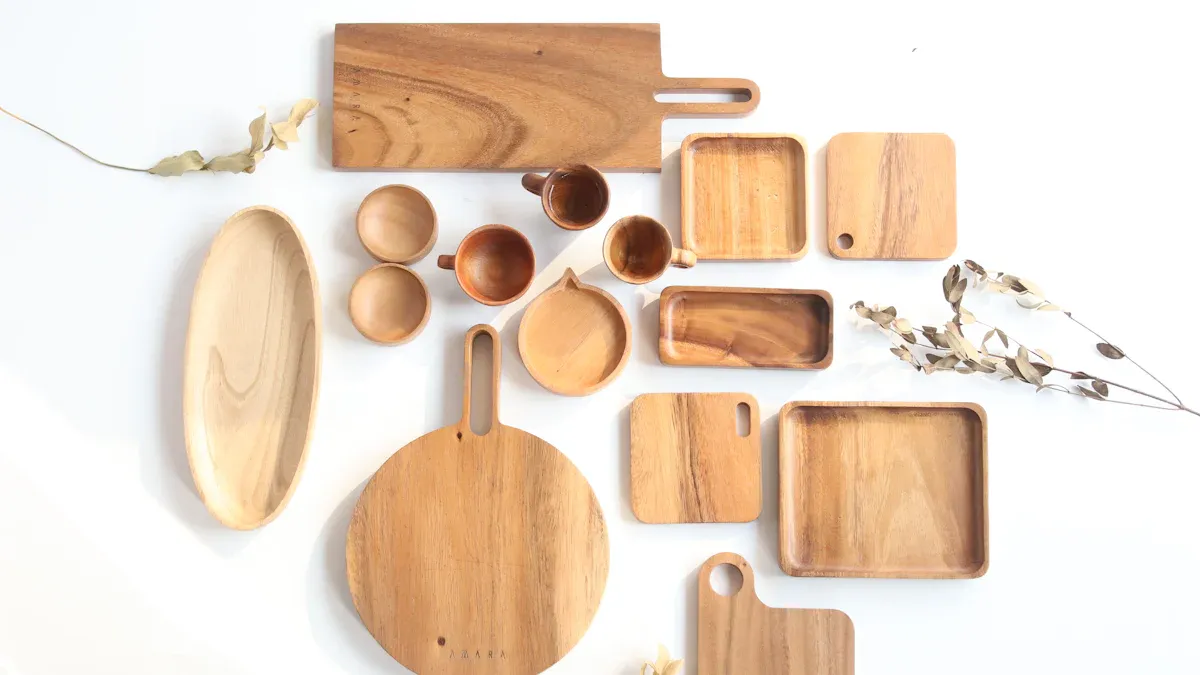
When you want Kitchen Accessories that look good and help the planet, wood and bamboo stand out. These materials come straight from nature and bring a warm, classic feel to your kitchen. You might notice that bamboo grows much faster than most trees. This means farmers can harvest it often without hurting forests. Bamboo also breaks down in compost, so it does not add to landfill waste. You get a tool that is both beautiful and better for the environment.
Bamboo grows quickly and is easy to harvest.
It is biodegradable and compostable.
Bamboo has natural antimicrobial properties, which help keep your kitchen healthier.
Wood and bamboo Kitchen Accessories work well with nonstick pans and delicate cookware. You do not have to worry about scratches or chips. These tools have smooth edges and a soft touch. They help your pots and pans last longer.
Designed to be gentle on nonstick cookware.
Non-scratch design keeps your pans looking new.
Made from durable and sustainable bamboo.
You can use them for stirring, flipping, or serving without damaging your favorite pans.
Wood and bamboo need a little more care than metal or silicone. You should always wash them by hand with mild soap and lukewarm water. Dry them right away, standing them up so air can flow around them. This helps prevent mold and keeps them fresh. Every month, rub a little food-grade beeswax or mineral oil on your tools. This keeps them from drying out or cracking.
Hand-wash with mild soap and lukewarm water.
Dry vertically on a rack to prevent mold.
Store separately for good airflow.
Condition monthly with food-grade beeswax or mineral oil.
Keep out of direct sunlight to avoid fading.
Wood and bamboo Kitchen Accessories need more attention, but they reward you with long life and a natural look.
You want to know what sets each material apart. Here’s a table that shows the main differences and best uses for stainless steel, silicone, and wood or bamboo:
Material | Best For | Heat Resistance | Maintenance | Eco-Friendliness | Cookware Compatibility |
|---|---|---|---|---|---|
Stainless Steel | Heavy-duty, high-heat cooking | Excellent | Easy (hand/dishwasher) | Moderate | Metal, some nonstick |
Silicone | Nonstick pans, flexible tasks | Very Good | Very easy (dishwasher) | Moderate | All, especially nonstick |
Wood/Bamboo | Eco-conscious, gentle stirring | Good | Needs hand-washing | High | All, especially nonstick |
You can see at a glance what each material does best. Stainless steel shines when you need strength. Silicone works well for nonstick pans and flexible jobs. Wood and bamboo give you a natural feel and protect your cookware.
When you pick Kitchen Accessories, you want to keep your family safe. Safety starts with the way these materials get tested. Agencies like the FDA and European Food Safety Authority check if tools are safe for food. They look at technical documents, test for chemicals, and make sure nothing harmful gets into your meals.
Step | Description |
|---|---|
Evaluation | Experts check documents and make sure only approved substances are used. |
Planning | They plan tests to see if anything might leak out during cooking. |
Testing | Labs run tests to check for smells, tastes, or chemicals. |
Reporting | Companies provide proof that their products are safe for food contact. |
You might wonder about real-world safety. Studies show that platinum-cured silicone does not release chemicals at normal cooking temperatures. Nylon tools also show minimal risk when used as directed. Trusted brands like OXO get high marks for safety and durability. If you want to stay safe, look for products with clear safety certifications.
Here are some things to consider when comparing materials:
Versatility: Choose tools that work for many tasks.
Brand Reputation: Pick brands known for quality and safety.
Ergonomics: Find tools that feel good in your hand.
Maintenance: Go for items that are easy to clean and keep in good shape.
You want Kitchen Accessories that fit how you cook. Here’s what works best for different styles:
If you use nonstick pans, silicone or wooden utensils are your best bet. They protect the coating and keep your pans looking new.
For heavy-duty cooking, like frying or stirring thick sauces, stainless steel gives you the strength you need.
If you care about the environment, wood and bamboo offer a natural and sustainable choice.
For the most versatility and easy cleaning, silicone stands out. You can use it for many tasks, and it goes right in the dishwasher.
Professional chefs also think about speed, accuracy, and food safety. High-quality tools help them work faster and keep food safe. The right utensils can even make your dishes look better when you serve them.
Tip: Think about what you cook most often. Choose materials that match your favorite meals and make your time in the kitchen easier.
You have many choices for kitchen accessories. Stainless steel gives you strength and easy cleaning. Silicone offers flexibility and works well with nonstick pans. Wood and bamboo bring a natural look and protect your cookware. Many people switch materials for better heat control, durability, or style. Most shoppers now care about sustainability and want products that last.
Pick tools that match your cooking style and values.
Look for even heating and long-lasting materials.
Material | Pros | Cons |
|---|---|---|
Wood/Bamboo | Gentle, eco-friendly, elegant | Needs hand washing, may crack |
Silicone | Flexible, dishwasher safe, affordable | Can be damaged by sharp knives |
Stainless | Durable, easy to clean, strong | Can scratch pans, higher price |
Tip: Try mixing materials to get the best results in your kitchen!
You get strong tools that last for years. Stainless steel resists rust and stains. You can use these Kitchen Accessories for heavy cooking. They clean up easily and look shiny on your counter.
Silicone feels soft and flexible. It will not scratch your nonstick pans. You can use these Kitchen Accessories for flipping eggs or stirring sauces. They handle heat well and go right in the dishwasher.
You need to wash wood and bamboo by hand. Dry them right away. Rub them with oil to keep them smooth. These Kitchen Accessories last longer if you do not soak them in water.
Think about what you cook most. Use stainless steel for tough jobs. Pick silicone for nonstick pans. Choose wood or bamboo if you want eco-friendly tools. Mix different Kitchen Accessories for the best results.
Bamboo grows fast and does not harm the earth. You can compost old bamboo tools. These Kitchen Accessories help you make greener choices in your kitchen.
