


Call Us Now
Phone:
+86-137-2797-2500 
Views: 0 Author: Site Editor Publish Time: 2025-11-03 Origin: Site
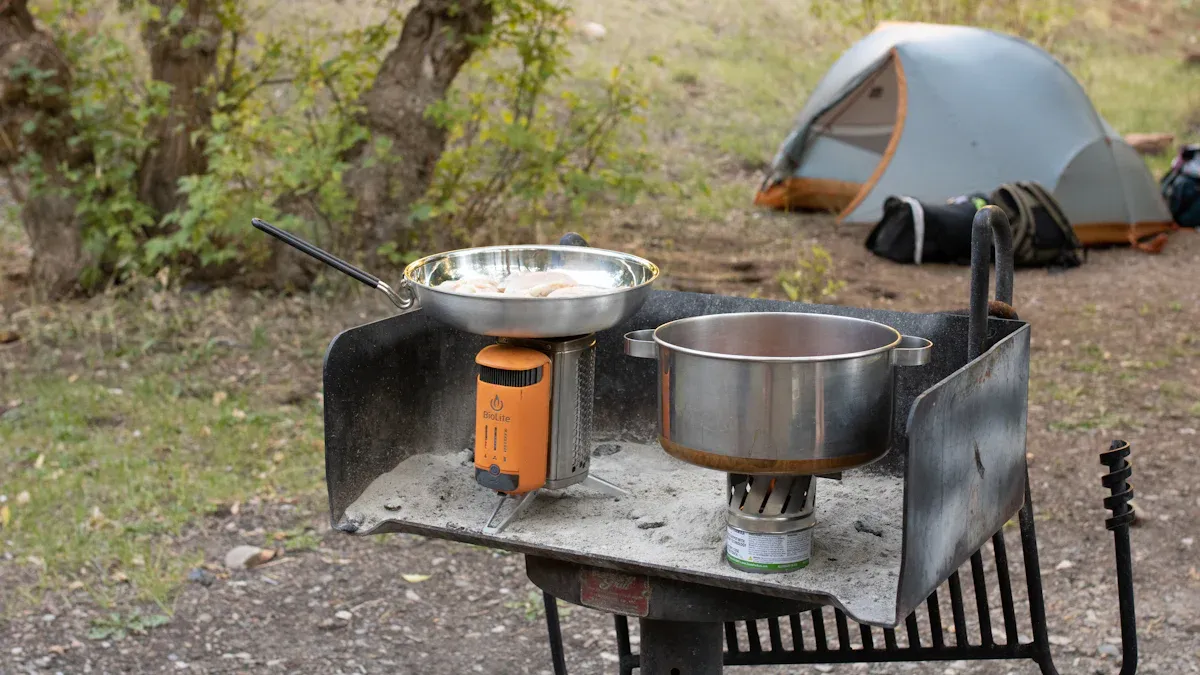
Yes, you can use a camping pot on your kitchen stove if you are careful. Always use low heat to keep your pot safe and stop it from bending. Check what your camping pot is made of before you cook. Look out for problems like burning food or hot handles. Binsly says to use your cookware carefully so it lasts a long time.
Always cook with low heat when using a camping pot. This helps stop the pot from bending or burning.
Pick camping pots made of stainless steel, hard-anodized aluminum, or cast iron. These materials are safe and work well for cooking.
Check your camping pot for any damage before you use it. This keeps you safe and helps stop accidents.
Wash your camping pot right after you finish using it. This keeps it working well and stops food from sticking.
Wear oven mitts and turn handles away from the stove edge. This helps you avoid burns and spills.
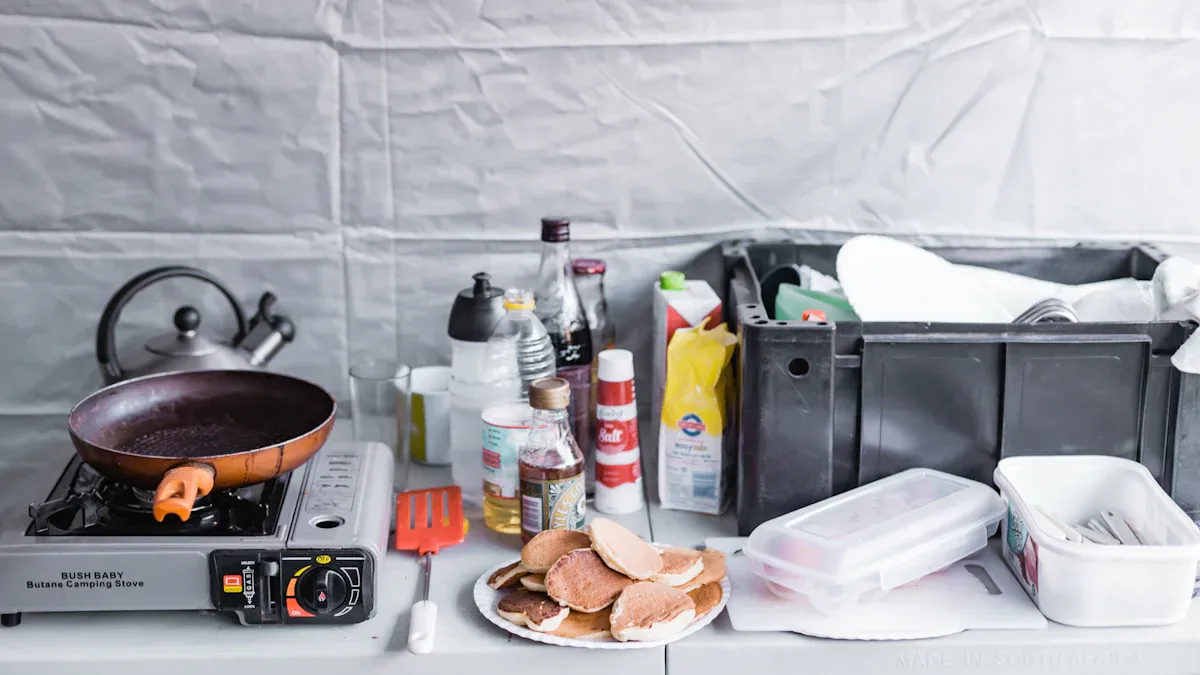
When you pick a camping pot for your stove, you need to know what it is made of. Some camping pots are not good for kitchen stoves. You should look at a few things before you cook with one.
Pick a camping pot that can handle the heat from your stove. Stainless steel, hard-anodized aluminum, and cast iron are good choices. These materials do not bend easily and spread heat well. The Lodge Combo Cooker uses thick cast iron, so it cooks food evenly like regular pans. The GSI Outdoors Halulite Boiler has strong, thick aluminum. This makes it tough and helps it handle heat. A pot with a thick bottom stops food from burning and helps it last longer.
Tip: Do not use thin or light pots on your stove. They can bend or burn your food.
Find a camping pot with a strong handle and a thick bottom. A sturdy handle keeps you safe when you move a hot pot. A thick bottom spreads heat and protects your food and pot. Experts say thick pots with good heat flow work better and are safer. If you want your pot to last, check for tight rivets and a heavy base.
Chaozhou Binsly Stainless Steel Manufactory makes strong stainless steel cookware. They use new ways to make their camping pots tough and safe. Binsly cares about quality and safety, so their products meet high standards. If you buy from a trusted company, you can feel safe and get better results in your kitchen.
To pick the right pan for your stove, check the material and how it is made. With a good pan, you can cook safe and tasty food at home or while camping.
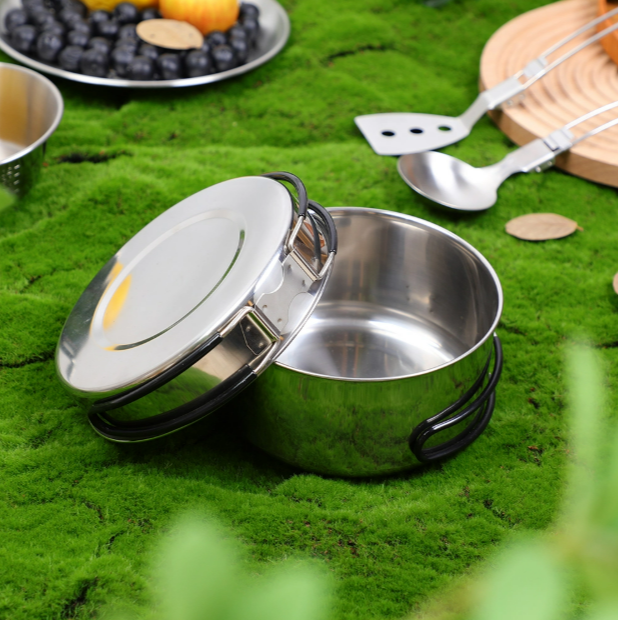
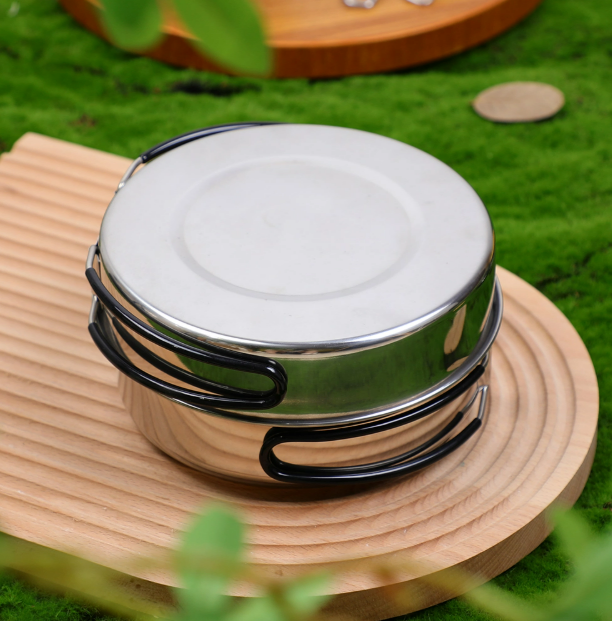
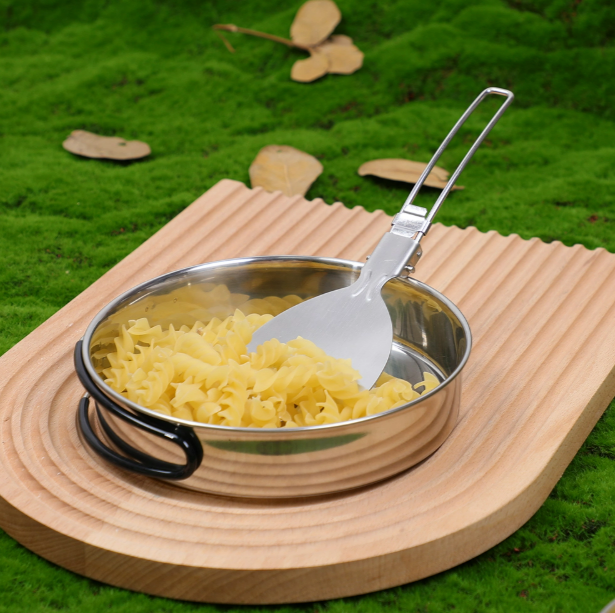
Before you place your camping pot on the stove, you need to make sure it is clean and safe to use. Old food or grime can cause burning or strange smells. You also want to check for any damage that could make cooking unsafe. Follow these steps to prepare your pot:
Warm up a little water inside the pot. This helps loosen any burnt food stuck to the bottom.
Turn off the stove and let the pot cool down. Never try to clean a hot pot with cold water, as this can cause warping.
Use a soft cloth or an old toothbrush with mild, biodegradable detergent to scrub away residue.
If grime remains, soak the pot in warm soapy water. For tough spots, boil a mix of water and white vinegar or use a baking soda paste.
Rinse the pot well and let it air dry. To prevent rust, you can rub a thin layer of olive oil on the surface.
Tip: Always inspect your pot for dents, cracks, or loose handles before each use. A damaged pot can be unsafe on a kitchen stove.
Choosing the right burner and heat setting helps protect your camping pot and ensures even cooking. Use a burner that matches the size of your pot’s base. A burner that is too large can cause the handles to overheat or the pot to become unstable.
Set your stove to low or medium heat. Camping pots often have thinner walls than regular cookware, so high heat can cause warping or burn your food quickly. Keep an eye on your pot as it heats up. If you see the pot changing shape or the handles getting too hot, lower the heat right away.
Note: Chaozhou Binsly Stainless Steel Manufactory, established in 2003, uses advanced machines and strict quality control to make durable cookware. Their products, trusted in over 100 countries, help you cook safely at home or outdoors.
By cleaning and inspecting your camping pot and using the right burner and heat, you set yourself up for safe and successful cooking.
When you cook with a camping pot on your kitchen stove, you need to prevent hot spots and burning. Thin pots can heat unevenly, so food may stick or burn in certain areas. You can use these techniques to avoid problems:
Choose a broad-bottomed and shallow pot. This shape spreads heat better and reduces hot spots.
Stir your food often. Frequent stirring helps prevent sticking and burning, especially in lightweight pots.
Use a tight-fitting lid. This keeps heat and moisture inside, so your food cooks evenly.
Try the boil-soak method. Boil your food, then turn off the heat and let it soak. This saves fuel and avoids burning.
Cook on a low flame. Low heat protects your food and your pan.
Add extra water if needed. More liquid helps prevent burning.
Tip: Always stay in the kitchen while cooking. Keep an eye on your food and use a timer to avoid overcooking. Never leave the stove on when you leave home.
Handles on camping pots can get very hot on a kitchen stove. You need to protect your hands and avoid burns. Here are some ways to stay safe:
Use oven mitts or a thick towel when you touch the handles.
Turn the handles away from the edge of the stove. This keeps them out of reach of children and prevents accidents.
Check the handle before lifting the pot. If it feels loose, do not use the pot until you fix it.
Keep flammable items, like towels or paper, away from the stove.
Note: Always have a lid nearby to smother any small fires. Safety comes first when cooking at home or during camping.
A camping pot may not sit as firmly on a kitchen stove as a regular pan. You need to make sure your pot stays stable to prevent spills and accidents.
Use lightweight cookware to lower the risk of dropping or dragging.
Avoid overfilling your pot. Too much food or liquid can make it tip over.
Pick a pot with a flat bottom. Flat pots stay steady on the stove.
Do not drag your pan across the stove. Lifting it prevents scratches.
Stay away from pans with rounded edges. They can wobble and cause uneven heating.
Stability is a safety concern you should always consider. A stable stove and a wide-base pot help prevent accidents and spills. Look for cookware that your stove can support securely.
Chaozhou Binsly Stainless Steel Manufactory has produced quality cookware since 2003. The company uses advanced machines and strict quality control to make safe and reliable products. With a large factory and a skilled team, Binsly offers durable camping pots and pans for both home and outdoor cooking.
By following these tips, you can enjoy safe and easy cooking with your camping pot, whether you are at home or out camping.
You may notice that using a camping pot on your kitchen stove can lead to damage. Many people report problems like warping, loose handles, and scratches on the stove surface. Thin pots can bend if you use high heat. Handles may loosen or break, which can cause spills. You should always check your pan before and after cooking.
Here is a table showing common types of damage reported when using camping pots on kitchen stoves:
Source | Type of Damage | Description |
|---|---|---|
Cascade Designs Recall | Burn and Scald Hazards | The pot handle can detach or become loose, posing burn and scald risks to consumers from hot food and liquids spilling from the product. |
MSR/Cascade Designs Recall | Burn and Scald Hazards | The pot handle of select cook pots can come loose or disengaged, potentially spilling contents, including hot liquids, and creating a burn hazard. |
MSR Camping Cooking Pots Recall | Burn and Scald Hazards | The pot handle can detach or become loose posing burn or scald risk to consumers from hot food and liquids spilling from the product. |
You can prevent most damage by following these steps:
Use low or medium heat when cooking with a camping pot.
Choose a pot with a thick base and sturdy handles.
Avoid dragging the pot across the stove to prevent scratches.
Inspect the pot for loose handles before each use.
Do not overfill the pot, as heavy weight can stress the handles.
Tip: If you notice any damage, stop using the pot until you fix it. This keeps you and your stove safe.
Cooking with a camping pot indoors can create safety hazards. Hot handles may burn your hands. Spills from loose handles can cause burns or scalds. Unstable pots may tip over and spill hot food. You need to stay alert and follow safety steps.
Here are some ways to stay safe:
Always use oven mitts or a thick towel when touching hot handles.
Turn handles away from the edge of the stove to prevent accidents.
Keep children and pets away from the stove while cooking.
Never leave a camping pot unattended on the stove.
Use a pot with a flat bottom for better stability.
Alert: Most burn and scald injuries happen when handles break or detach. You should check your camping pot before every use.
Chaozhou Binsly Stainless Steel Manufactory controls product quality with advanced machines and strict inspections. The company has a large factory and a skilled team. Their camping cookware is designed for safety and durability, helping you avoid common risks at home and outdoors.
You can enjoy safe cooking by choosing the right camping pot, using proper heat settings, and checking for damage. Stay aware of safety hazards to protect yourself and your kitchen.
You should always clean your camping pot right after cooking. Proper cleaning keeps your pot safe and helps it last longer. If you let black carbon soot build up, it can make your pot less efficient and harder to use. Soot acts like a barrier, so your pot takes longer to heat up and uses more energy. Cleaning also stops old food from sticking and burning during your next meal.
Here are some cleaning tips to follow:
Wash your pot with warm water and mild soap. Use a soft sponge to avoid scratching the surface.
For tough stains, soak the pot in warm soapy water before scrubbing.
If your pot is stainless steel or aluminum, avoid harsh cleaners that can damage the finish.
Dry your pot completely before storing it. This prevents rust and keeps your pan in good shape.
Clean your pot after every use to prevent residue and keep it ready for your next cooking adventure.
Tip: Different materials need different cleaning methods. Always check the care instructions for your specific pot.
After each use, you should inspect your camping pot for any signs of damage. This helps you catch problems early and keeps your cooking safe. Follow these steps to check for warping or coating issues:
Look at the base of the pot. Check for any warping or uneven spots.
If your pot has a non-stick coating, look for scratches or peeling areas.
If you find warping, place flat iron weights inside the pot and heat it slowly. This can help restore its shape.
Let the pot cool down slowly on the stove. Quick cooling can make warping worse.
Repeat the heating and cooling process if needed until the pot returns to its original shape.
Note: If you see deep scratches or peeling, stop using the pot for cooking. Damaged coatings can make food unsafe.
Chaozhou Binsly Stainless Steel Manufactory has produced quality cookware since 2003. The company uses advanced machines and strict quality control to make sure each camping pot meets high standards. With a large factory and a skilled team, Binsly offers reliable products for safe and healthy cooking.
You can use a camping pot on your kitchen stove if you are careful. Always use low heat and check your pot before and after you cook. Clean your pot often and store it the right way to help it last longer.
Use soft utensils so you do not scratch your pot. Do not let your pot boil dry.
Pick pots that match what you need and how you clean them.
Make easy meals and plan what you want to cook.
Check your stove and pot before you start cooking. Never leave the stove on when you are not there.
Feature | Camping Pots Benefits | Traditional Cookware Drawbacks |
|---|---|---|
Weight | Light and easy to carry | Usually much heavier |
Heat Distribution | Spreads heat well for cooking | Sometimes heats unevenly |
Versatility | Handles fold for easy use | Not as flexible |
If you take care of your pot, you can cook many things inside. Chaozhou Binsly Stainless Steel Manufactory makes strong cookware that people trust all over the world.
You can use most camping pots on gas and electric stoves. Avoid using them on induction stoves unless the pot is magnetic. Always check the pot’s material before cooking.
Use a little oil or water before adding food. Stir often to keep food from burning. Cooking on low heat helps prevent sticking. A thick-bottomed pot works best.
Always use oven mitts or a thick towel to protect your hands. Turn the handle away from the stove’s edge. Let the handle cool before moving the pot.
Check for warping, cracks, or loose handles after each use. If you see damage, stop using the pot. A safe pot keeps your cooking worry-free.
You can find quality camping pots from trusted brands. Chaozhou Binsly Stainless Steel Manufactory offers durable cookware with strict quality control. Their products are popular in over 100 countries.
