


Call Us Now
Phone:
+86-137-2797-2500

Views: 0 Author: Site Editor Publish Time: 2025-12-12 Origin: Site


Did you know the water bottle has evolved from simple containers to high-tech tumblers and mugs? Choosing the right bottle affects your health and the environment. In this post, you’ll learn about water bottle types, including insulated, electric, and BPA-free sports bottles. We’ll also explore how manufacturers innovate for quality and safety.
When picking a water bottle, the material matters a lot. It affects durability, safety, taste, and even your environmental impact. Here’s a breakdown of popular materials and what they offer:
Stainless steel bottles are tough and long-lasting. They resist dents and corrosion, making them perfect for outdoor use. Many come insulated, using double-wall vacuum technology to keep drinks hot or cold for hours. They don’t leach chemicals and don’t hold odors, so water tastes fresh. The downside? They can be heavier and pricier than plastic.
Glass bottles provide the purest taste since they don’t interact with your drink. They’re free of chemicals and don’t retain flavors or smells. Many come with silicone sleeves for grip and protection. However, glass is fragile and heavier, so it’s best for desk or home use rather than hiking or sports.
Plastic bottles are light and budget-friendly. Modern reusable ones are BPA-free, reducing health risks linked to older plastics. They’re easy to carry and come in many colors and designs. But plastic can retain odors and scratches over time. Plus, they aren’t as durable or eco-friendly as metal or glass.
Copper bottles stand out for their natural antibacterial effects. They’re believed to support digestion and boost immunity, making them popular among health-conscious users. They require regular cleaning to prevent tarnishing and may impart a metallic taste. Also, avoid storing acidic drinks in them.
Aluminum bottles are lighter than stainless steel and usually less expensive. They often have an internal lining to prevent metal leaching. However, this lining can wear off, and aluminum is less durable overall. These bottles suit short-term or casual use but may not last as long as other materials.
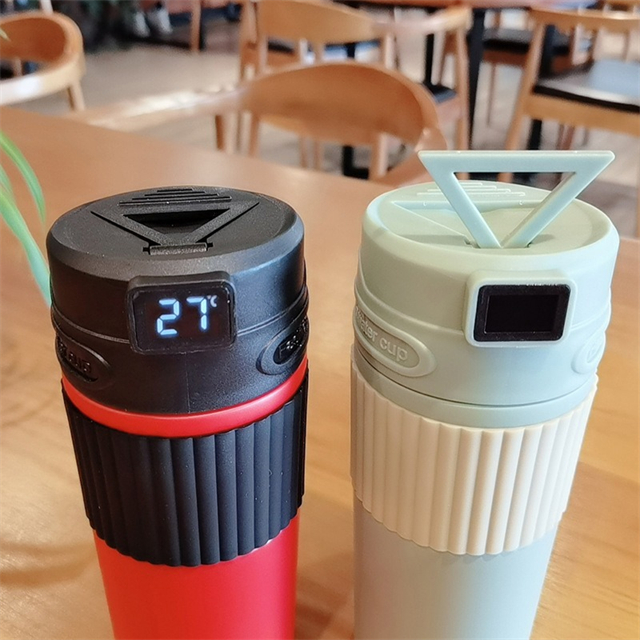
Electric bottles are a newer category, offering features like temperature control, sterilization, and even smart hydration reminders. They usually combine stainless steel with battery-powered tech. While convenient, they are heavier, pricier, and need charging. Ideal for tech-savvy users who want extra functionality.
| Material | Pros | Cons | Best For |
|---|---|---|---|
| Stainless Steel | Durable, insulated, chemical-free | Heavier, more expensive | Outdoor use, temperature control |
| Glass | Pure taste, non-toxic, easy to clean | Fragile, heavier | Office, home use |
| Plastic (BPA-Free) | Lightweight, affordable, colorful | Less durable, odor retention | Everyday casual use |
| Copper | Antibacterial, health benefits | Requires maintenance, metallic taste | Health-conscious users |
| Aluminum | Lightweight, affordable | Less durable, lining may degrade | Short-term use |
| Electric | Temperature control, sterilization, smart features | Heavy, costly, requires charging | Tech enthusiasts |
Choosing the right material depends on your lifestyle, health priorities, and environmental concerns. Stainless steel suits those needing durability and insulation. Glass appeals to purity lovers. Plastic fits budget and weight needs. Copper offers health perks but needs care. Aluminum is lightweight but less durable. Electric bottles add tech convenience.
Insulated water bottles use double-wall vacuum insulation to keep drinks hot or cold for hours. This technology creates a vacuum between two stainless steel walls, preventing heat transfer. Because air and moisture can't pass through the vacuum, your drink stays at the desired temperature much longer than in regular bottles. Plus, the outer surface stays comfortable to hold—no sweating or burning your hands.
For hot drinks, the vacuum layer blocks heat from escaping, keeping your coffee or tea warm for up to 12 hours or more. Cold drinks stay chilled because the insulation stops outside heat from warming the liquid. Many insulated bottles also have powder-coated exteriors that resist condensation and provide a non-slip grip.
Choosing the right capacity depends on your daily hydration needs and activities. Common sizes range from 12 oz (350 ml) to 32 oz (950 ml). Smaller bottles (12-16 oz) are great for short outings or kids, while larger ones (20-32 oz) suit long commutes, workouts, or outdoor adventures. Consider how often you'll refill and the bottle's weight when full.
For hiking or sports, look for bottles with durable stainless steel, leak-proof lids, and wide mouths for ice cubes or easy cleaning. Brands like Hydro Flask and Klean Kanteen are popular for their insulation performance and rugged builds. For office or casual use, sleek insulated bottles with stylish designs and compact sizes fit well on desks or in bags.
To keep your insulated bottle working well:
Rinse it with warm water after each use, especially if you add flavored drinks.
Use a bottle brush for deep cleaning weekly to remove residues and odors.
Avoid harsh detergents that can damage insulation.
Dry it open and upside down to prevent mold growth.
Check seals and lids for wear to avoid leaks.
Don’t freeze liquids inside unless the manufacturer says it’s safe; freezing can damage vacuum seals.
Proper care extends your bottle’s life and keeps your drinks tasting fresh.
Picking the right water bottle capacity is key to staying hydrated without carrying extra weight or making too many refills. Your daily water needs vary based on your lifestyle, activity level, and environment. Here’s how to find the perfect size for you.
A general rule is to drink about 35 ml of water per kilogram of body weight daily. For example, someone weighing 60 kg needs roughly 2.1 liters of water each day. But this number changes:
Active lifestyles: Exercise or manual work increases water loss through sweat. You’ll need more water, so a larger bottle or refills are essential.
Sedentary routines: Desk jobs or low activity may require less water, so smaller bottles might suffice.
Diet and caffeine: Foods and drinks like coffee or salty meals affect hydration needs.
Different situations call for different bottle sizes:
Commuting: A 500 ml to 750 ml bottle is easy to carry and fits in most bags or cup holders.
Sports and workouts: Opt for 750 ml to 1 liter bottles to stay hydrated during exercise without frequent refills.
Travel: Larger bottles (1 liter or more) work well for long trips but can be bulky. Collapsible bottles offer compactness when empty.
Office use: Smaller bottles (350 ml to 500 ml) are convenient for desk use and can be refilled throughout the day.
Carrying a big bottle means more water but also more weight. Smaller bottles are light but may need refilling often. Choose a size that fits your daily routine and comfort:
If you’re on the move, a lightweight 500 ml bottle might be best.
For long outdoor activities, a 1-liter or larger bottle reduces refill stops.
Heat and humidity increase water loss. In hot weather, you may need a larger capacity bottle to avoid dehydration. Cold climates may reduce thirst but still require regular hydration. Adjust your bottle size seasonally to match your body's needs.
For travelers who want to save space, collapsible bottles are a smart choice. They shrink when empty, fitting easily in bags. Though not ideal for insulation, they are lightweight and flexible, perfect for airports or hiking.
Choosing the right lid can make all the difference in how you enjoy your water bottle. The lid affects convenience, leak prevention, and even how easy it is to clean. Here’s a guide to the most common lid types and their usability features.
Screw-Top Lids: The classic choice. They twist on and off securely, providing a tight seal that prevents leaks. Screw-tops are easy to clean since they usually come apart fully. Ideal for those who want a simple, no-fuss lid.
Flip-Top Lids: These lids flip open with a hinge, allowing quick access to your drink without fully removing the cap. Great for one-handed use during workouts or driving. Some flip-tops come with locking mechanisms to avoid accidental openings.
Push-Button Lids: Popular in sports bottles, these lids open with a button press. They allow fast, spill-free sipping and are perfect for multitasking. However, they may have more parts to clean and can sometimes be prone to wear over time.
Straw Lids: These have a built-in straw inside the bottle, letting you sip without tilting it. They’re excellent for cold drinks and kids, or when you want to drink while on the move. Straw lids often come with covers to keep the straw clean.
Leak-proof lids are crucial, especially if you carry your bottle in bags or backpacks. A secure seal prevents spills that can ruin your belongings. Screw-top lids usually offer the best leak protection. Flip-tops and push-button lids may include silicone gaskets or locking features to enhance leak resistance. When buying, test the lid by shaking the bottle upside down to check for leaks.
If you often drink on the go, consider how easy the lid lets you sip without stopping what you’re doing. Flip-top and push-button lids allow quick sips without unscrewing. Straw lids let you hydrate while walking, biking, or driving without tilting the bottle. Screw-tops require both hands and more time, so they’re better suited for slower-paced use.
Lids with fewer parts, like screw-tops, are simpler to clean. Flip-top and push-button lids have moving parts and seals that can trap bacteria if not cleaned thoroughly. Straw lids need regular cleaning of the straw and valve to prevent mold buildup. Use bottle brushes and specialized straw cleaners to maintain hygiene. Dishwasher-safe lids save time but always check manufacturer instructions.
Kids: Push-pull caps or straw lids are great for children. They’re easy to use and reduce spills.
Athletes: Push-button or flip-top lids allow fast hydration during workouts without interrupting activity.
Office Use: Screw-top or flip-top lids with secure seals work well to prevent leaks at desks. Consider lids that open quietly to avoid distractions.
Choosing a water bottle isn’t just about style or size—it’s about your health and safety. The materials and design can affect what you drink and how safe it is over time. Here’s what to keep in mind:
Many plastic bottles once contained BPA (bisphenol A), a chemical linked to hormone disruption and health risks. Today, BPA-free plastics are standard, reducing these dangers. Still, some plastics may contain other harmful chemicals, so always check labels. Opt for bottles made from Tritan or other verified safe plastics. Avoid cheap or unmarked plastic bottles that could leach toxins, especially when exposed to heat or sunlight.
Food-grade stainless steel (often 18/8 or 304 grade) is one of the safest materials for water bottles. It doesn’t rust, leach chemicals, or affect taste. These bottles are durable and often insulated, keeping drinks hot or cold safely. Stainless steel resists bacteria and odors, making it a hygienic choice. It’s ideal for daily use, travel, or sports.
Even BPA-free plastics can degrade or leach chemicals over time, especially if scratched, exposed to heat, or used for acidic drinks. To minimize risks:
Avoid leaving plastic bottles in hot cars or direct sunlight.
Don’t use plastic bottles for hot beverages unless specified safe.
Replace plastic bottles regularly if they show wear or odors.
Choosing high-quality plastic bottles from trusted brands helps ensure safety.
Bacteria and mold can grow if bottles aren’t cleaned properly. Follow these tips:
Wash bottles daily with warm soapy water.
Use bottle brushes to reach narrow necks and lids.
Deep clean weekly using vinegar, baking soda, or mild bleach solutions (rinse thoroughly).
Dry bottles fully with lids off to prevent mold.
Clean lids and seals carefully, as they trap moisture and bacteria.
Proper cleaning keeps your bottle safe and your water fresh.
Copper bottles offer natural antibacterial benefits but need special care. Clean them regularly to prevent tarnish and avoid storing acidic drinks that can react with copper. Glass bottles provide pure taste without chemicals but are fragile. Use silicone sleeves to protect glass bottles and handle them gently. Both materials suit users focused on health and natural benefits but require mindful maintenance.
Choosing a water bottle isn’t just about convenience or style—it also matters for the planet. Disposable plastic bottles create massive environmental problems, while reusable bottles help reduce waste and conserve resources. Here’s what to know about sustainability and making eco-friendly choices.
Every minute, over a million single-use plastic bottles are thrown away worldwide. Most end up in landfills or oceans, taking hundreds of years to break down. This pollution harms wildlife, clogs waterways, and contributes to microplastic contamination in food chains. Producing plastic bottles also consumes fossil fuels and water, adding to carbon emissions and resource depletion.
Switching to reusable bottles cuts down on this waste drastically. A single stainless steel or glass bottle can replace hundreds or thousands of disposable ones over its lifetime. This reduces landfill volume and ocean pollution. Reusables also lower demand for plastic production, saving energy and raw materials.
Look for bottles made from recyclable, durable materials like stainless steel, glass, or BPA-free plastics. Some brands use recycled content or have certifications for environmental standards. Consider bottles designed for long-term use, easy repair, and replacement parts. Brands focusing on sustainability often provide transparent sourcing and manufacturing practices.
Stainless Steel: Highly recyclable and durable. It can be repaired or refurbished, extending its life.
Glass: Fully recyclable and non-toxic. Fragile but can be protected with sleeves.
Plastic: Recyclability depends on type and local facilities. BPA-free plastics like Tritan are safer but may degrade faster. Look for bottles labeled with recycling codes.
Copper and Aluminum: Both recyclable but require proper processing.
Choosing bottles that can be recycled or repaired reduces environmental impact and supports circular economy principles.
Using a reusable bottle consistently is key. Encourage refilling over buying bottled water. Carry your bottle everywhere to avoid single-use options. Educate others about the environmental benefits. Businesses can support sustainability by offering refill stations and eco-friendly bottle options.

Proper care keeps your water bottle safe, fresh, and long-lasting. Different materials and designs need specific routines. Here’s how to maintain your bottle for the best experience.
Stainless Steel: Rinse with warm, soapy water after each use. Use a bottle brush to reach inside. Avoid bleach or harsh cleaners that can damage the finish.
Glass: Wash gently with dish soap and a soft brush. Use a silicone sleeve for grip and protection. Avoid sudden temperature changes to prevent cracks.
Plastic (BPA-Free): Clean with mild detergent and warm water. Plastic can hold odors, so rinse thoroughly. Avoid hot water unless the bottle is heat-safe.
Copper: Rinse after every use and dry immediately to prevent tarnish. Use a natural cleaning paste (lemon and salt) weekly to keep shine.
Electric Bottles: Follow manufacturer guidelines. Usually, wipe the exterior, clean the interior with mild soap, and avoid submerging electrical parts.
Vinegar Soak: Fill the bottle with a mixture of one part white vinegar and four parts water. Let it soak overnight, then rinse well.
Baking Soda Paste: For stubborn smells, use a paste of baking soda and water. Scrub inside, then rinse thoroughly.
Dishwasher Use: Check if your bottle and lid parts are dishwasher-safe. Stainless steel and some plastics usually are, but electric bottles are not.
Special Brushes: Use narrow brushes or straw cleaners to reach tight spots, especially for lids and straws.
Always dry bottles completely before storing. Leave the cap off to allow airflow and prevent mold.
Store bottles in a cool, dry place away from direct sunlight.
For insulated bottles, dry the lid and seal separately to avoid moisture buildup.
Inspect seals and gaskets regularly for cracks or wear. Replace if needed to maintain leak-proof function.
Avoid freezing liquids in insulated bottles unless the brand says it’s safe, as ice expansion can damage vacuum seals.
For electric bottles, keep charging ports dry and clean. Use only recommended chargers.
Don’t drop insulated bottles; dents can compromise insulation.
Replace if you notice cracks, persistent odors, rust, or discoloration.
Plastic bottles generally last 1–2 years before wear and tear affect safety.
Stainless steel and glass can last much longer if cared for properly.
Electric bottles may need replacement sooner due to battery life and electronics.
Always prioritize your health—if unsure about safety, replace your bottle.
When choosing a water bottle, budget matters. You want the best value without overspending. Prices vary widely depending on material, features, and brand. Here’s a clear picture of what to expect and how to get the most for your money.
Stainless Steel Bottles: These usually cost between $20 and $50. Higher-end insulated models can go beyond $50. You pay more upfront but get durability and temperature control that lasts years.
Glass Bottles: Typically range from $15 to $35. They offer pure taste and safety but can be fragile. Silicone sleeves often add to the price, offering protection and grip.
Plastic Bottles: The most budget-friendly option, usually $10 to $25. BPA-free plastics are safer but may need replacing every 1-2 years due to wear.
Copper Bottles: Prices vary from $20 to $40 for pure copper bottles. They offer health benefits but require upkeep to prevent tarnishing.
Spending more on a quality bottle often saves money long-term. Stainless steel bottles resist dents and leaks and keep drinks hot or cold. Glass bottles are great for taste but can break, requiring replacements. Plastic bottles are cheap but wear out faster and may retain odors. Copper bottles need regular cleaning to maintain benefits.
Consider how often you’ll use the bottle and where. For daily outdoor use, invest in durable stainless steel. For occasional desk use, glass or plastic may suffice.
Insulated bottles keep drinks at the right temperature longer but tend to cost more. Budget-friendly insulated options exist, often stainless steel with basic vacuum insulation. You can find reliable bottles around $25 to $40 that keep drinks cold for 12 hours or hot for 6-8 hours. These models balance cost and performance well.
Avoid very cheap insulated bottles, as poor insulation or thin walls reduce effectiveness and durability.
Electric bottles add tech features like temperature display, sterilization, or smart reminders. They cost significantly more, often $50 to $100 or more. If you want convenience and tech, these can be worth it, but they require charging and careful handling.
For basic hydration, a high-quality insulated bottle offers better value. Electric bottles suit tech lovers or those needing special features.
Brands like Hydro Flask, Klean Kanteen, CamelBak, and Contigo are known for quality and warranty support. They offer a range of prices and materials, from budget plastic to premium stainless steel insulated bottles.
For copper, look for reputable makers offering pure copper and good customer service. Glass bottles from brands like Lifefactory or Ello combine safety and style.
Choosing trusted brands ensures product safety, durability, and customer support, which adds value beyond price.
Choosing the right water bottle involves considering material, capacity, insulation, lid types, and care. Align your choice with your lifestyle and health goals for best results. Reliable manufacturers ensure quality and safety, supporting your hydration needs. Sustainable habits reduce environmental impact while keeping you healthy. For the perfect bottle, balance durability, convenience, and eco-friendliness. Binsly offers products designed for lasting value, combining quality materials and thoughtful features to enhance your hydration experience.
A: Stainless steel water bottles are ideal for durability and insulation, offering long-lasting temperature control and chemical-free use.
A: Insulated water bottles use double-wall vacuum insulation to prevent heat transfer, keeping drinks hot or cold for hours.
A: BPA free sports water bottles reduce health risks by avoiding harmful chemicals found in older plastics, ensuring safer hydration.
A: Electric water bottles provide features like temperature control and sterilization, offering convenience for tech-savvy users.
A: Clean regularly with warm soapy water, avoid freezing liquids, dry thoroughly, and check seals to maintain your insulated water bottle’s performance.
