


Call Us Now
Phone:
+86-137-2797-2500 
Views: 0 Author: Site Editor Publish Time: 2026-01-26 Origin: Site
Many hospitality venues and casual drinkers underestimate the impact of their drinking vessel. Standard "shaker pints," originally designed for mixing cocktails rather than serving drafts, often degrade the drinking experience. They kill carbonation rapidly, allow the liquid to warm too quickly, and do little to focus the complex aromatics of craft brews. For business owners and enthusiasts alike, this results in a flattened flavor profile and a less enjoyable session.
The stakes of improper vessel selection are higher than most realize. Sensory science suggests that up to 80% of what we perceive as flavor is actually aroma. If your Beer Cup fails to capture these volatiles, you miss the majority of the tasting experience. Beyond flavor, businesses face tangible operational costs regarding breakage rates and replacement frequency. Choosing the right vessel affects customer satisfaction and your bottom line.
This guide moves beyond traditional glassware to evaluate modern solutions, including high-performance stainless steel and outdoor-ready options. You will learn how to select vessels based on sensory performance, durability, and operational suitability. By understanding the physics of flavor and the economics of durability, you can make informed decisions that elevate the drinking experience.
Material Matters: Stainless steel (specifically 304 grade) offers superior ROI and temperature control compared to glass, though glass remains the gold standard for visual presentation.
Shape Drives Flavor: Cup geometry is functional, not just aesthetic—tapered rims concentrate aromatics, while nucleated bases maintain head retention.
TCO Analysis: Higher upfront costs for high-quality metal or crystal vessels are offset by reduced replacement frequency compared to standard annealed glass.
Context is King: The "perfect" cup depends on the environment—insulated vessels for outdoor/portable scenarios versus stemmed tulips for controlled tasting environments.
Investing in specialized drinkware is not merely an aesthetic choice; it is a strategic business decision rooted in the physics of sensory perception. When you pour a premium brew into a generic vessel, you may inadvertently strip away the value that the brewer worked hard to create.
The relationship between nose and palate is the foundation of flavor. Volatile organic compounds (VOCs)—the chemicals responsible for fruity esters, floral hop notes, and roasted malt scents—evaporate from the surface of the beer. Sensory science indicates that approximately 80% of flavor is olfactory.
Straight-walled cups, such as the ubiquitous shaker pint, allow these VOCs to disperse rapidly into the surrounding air. In contrast, cups with a tapered rim trap these compounds in the headspace immediately above the liquid. When you take a sip, your nose enters this concentrated cloud of aroma, significantly enhancing the perceived flavor. This geometric function turns a simple drink into a multi-sensory experience.
Temperature control is equally critical. Most craft styles have an ideal serving temperature range—typically 38°F for lagers and up to 55°F for stouts. Glass has relatively high thermal conductivity, meaning it transfers heat from your hand and the ambient air into the beer quickly.
Insulated metal vessels disrupt this transfer. A vacuum-insulated Stainless Steel Beer Cup maintains the serving temperature for the duration of the drink. This ensures the customer tastes the beer exactly as the brewer intended, from the cold, crisp first sip to the final drop, without the liquid becoming unpleasantly warm or flat.
Presentation dictates anticipation. Clarity, color, and foam stability are the first indicators of quality. A proper vessel supports "head retention"—the ability of the foam to persist. The foam collar acts as a net for aromatics and prevents oxygen from degrading the beer too quickly.
Furthermore, "lacing"—the residue of foam left on the side of the cup as you drink—is a hallmark of a "Beer Clean" vessel. It signals to the customer that the establishment cares about hygiene and quality. While stainless steel excels in temperature, glass remains the superior choice for showcasing the visual spectrum of a hazy IPA or a ruby-red ale.
For venue operators, the economics of glassware can be brutal. Standard annealed glass is cheap to buy but expensive to own due to high attrition.
| Factor | Standard Glass | Stainless Steel / Tritan |
|---|---|---|
| Unit Cost | Low ($2 - $5) | High ($8 - $20) |
| Durability | Fragile (Chips/Shatters) | Virtually Indestructible |
| Annual Replacement Rate | 10% - 20% (High Volume) | Near Zero |
| Long-Term ROI | Negative (Recurring Cost) | Positive (One-time Investment) |
While the initial outlay for metal or premium polymer vessels is higher, the near-zero replacement rate makes them a financially sound choice for high-volume patios, festivals, and busy taprooms.
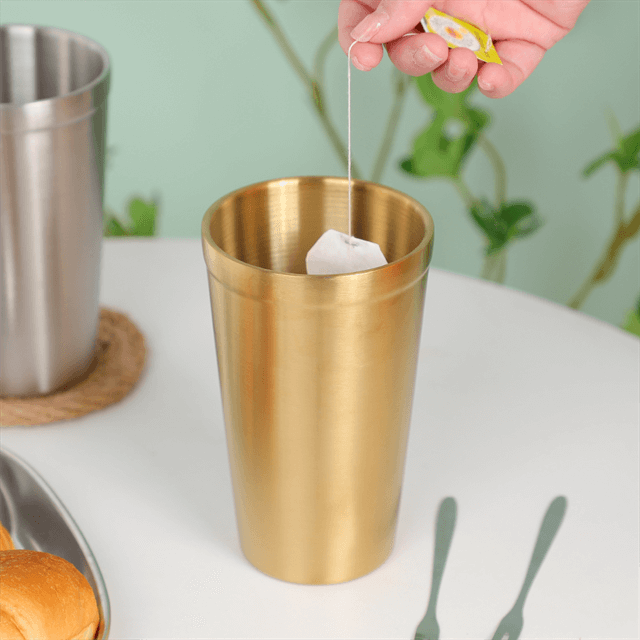
Choosing the right material involves balancing sensory purity with practical durability. Each material brings distinct advantages depending on the consumption environment.
Glass is the incumbent champion for a reason. It is chemically inert, meaning it imparts zero flavor to the liquid. It offers perfect visual clarity, allowing the drinker to appreciate the carbonation and color. The traditional mouthfeel of a cold glass rim is also deeply ingrained in consumer expectations. However, its fragility, poor thermal insulation, and tendency to "sweat" (creating condensation rings) are significant drawbacks in warm or active settings.
Modern manufacturing has elevated metal drinkware from camping gear to premium barware. The 304 Metal Stainless Steel Beer Cup is now a staple for consumers who prioritize function.
Grade Verification: It is crucial to distinguish between food-grade 304 (18/8) stainless steel and cheaper 201 grades. Lower quality metals may rust over time or impart a metallic tang to acidic beverages. 304 grade is the industry standard for corrosion resistance and flavor neutrality.
Passivation: Quality manufacturers use a chemical process called passivation to remove free iron from the surface of the steel. This creates an invisible oxide layer that prevents the metal from reacting with the beer, ensuring the taste remains pure.
Durability: These cups are virtually indestructible. They survive drops on concrete, making them ideal for pool sides, boats, and rowdy environments.
When selecting a metal vessel, you typically face a choice between construction types.
Single Walled: A Single Walled Beer Cup consists of one layer of steel. These cups are lightweight, often stackable, and provide tactile feedback—you can feel the coldness of the beer through the metal. However, they will sweat like glass and warm up relatively quickly.
Double Wall/Vacuum: These vessels feature two layers of steel with the air removed between them. This vacuum barrier prevents heat transfer. They offer superior insulation, keeping beer cold for hours even in direct sunlight, and they do not sweat. The trade-off is a slightly bulkier rim and generally higher weight.
The geometry of a cup acts as a lens for the beer's characteristics. Different shapes manipulate the liquid and the aromatics in specific ways to enhance specific styles.
The standard Shaker Pint is functionally flawed for beer. Its wide mouth allows aromas to escape, and its shape does little to support head retention. It exists primarily because it is easy to stack and clean.
Better alternatives exist for everyday drinking. The Nonic Pint features a bulge near the top which improves grip and prevents the rim from chipping when stacked. Alternatively, the Willi Becher offers a slight taper toward the top, which helps concentrate aroma while maintaining a high capacity, making it an excellent utilitarian choice for lagers and ales.
For aromatic-heavy styles, you need a vessel that traps volatiles.
Tulip & Teku: These glasses feature bulbous bodies that allow you to agitate the volatiles by swirling the beer. The flared lips then direct the liquid to the tip and sides of the tongue while directing the concentrated nose directly to the drinker.
Snifters: Borrowed from the brandy world, these have wide bowls that encourage swirling. The design invites the drinker to cup the bowl with their palm, gently warming high-ABV stouts and barleywines to release complex roasted notes.
Certain styles rely on effervescence for their character.
Pilsner Glass: The tall, slender profile showcases the clarity and the rising bubbles of a crisp lager. The conical shape supports a pillowy foam head, which is essential for the style.
Weizen Glass: Wheat beers produce massive heads. These glasses are oversized (often exceeding 0.5 liters) to accommodate the liquid plus a large volume of fluffy foam. The curvature near the top captures the signature banana and clove phenolics typical of the style.
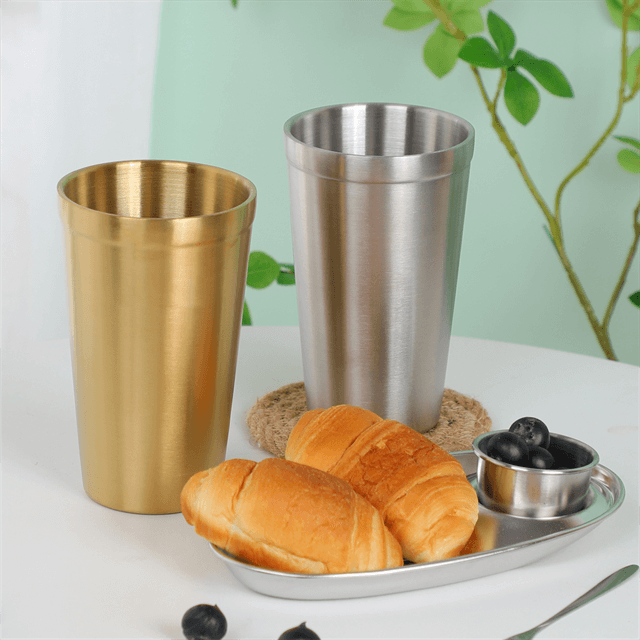
As social drinking shifts from dark pubs to backyards, beaches, and campsites, the demand for high-performance mobile drinkware has exploded. The ideal Outdoor Beer Cup must withstand elements that would destroy traditional glass.
Impact resistance is the primary driver here. Glass is a liability at pools, festivals, and campsites where broken shards pose safety hazards. Beyond safety, functionality is key.
Lid Integration: Unlike a wine glass, a Portable Beer Cup often needs a lid. The challenge is designing a lid that prevents spills without stifling the flow of aroma. The best designs feature wide openings or "flow-control" sliders that mimic an open cup experience.
Base Stability: Uneven surfaces like grass, sand, or boat decks require stability. Look for cups with weighted bottoms or integrated non-slip silicone pads to prevent tipping.
We are witnessing a shift away from disposable red plastic cups toward "buy it for life" vessels. Powder-coated, vacuum-insulated tumblers have become status symbols in the outdoor community. This trend is driven by environmental consciousness—reducing single-use plastic waste—and the desire for a premium drinking experience even when miles from the nearest taproom.
When sourcing custom drinkware for a brand or venue, vetting the Beer Cup manufacturer is critical. Not all steel and glass are created equal.
The difference between a cheap cup and a premium one often lies in the rim.
Rim Quality: A rolled rim is durable and common on metal cups, providing a thicker mouthfeel. However, for tasting, a laser-cut or thin rim is preferred because it minimizes the barrier between the liquid and the mouth, delivering the beer more smoothly to the palate.
Seamless Interiors: For stainless steel cups, the interior should be seamless. Seams can trap bacteria, making cleaning difficult, and the rough texture can disrupt carbonation, causing the beer to go flat prematurely.
Advanced manufacturers often offer nucleation. This involves laser-etching a texture onto the bottom of the cup's interior. These "nucleation points" provide a site for dissolved CO2 to break out of solution and form bubbles.
The benefit is a continuous stream of bubbles rising to the top, which replenishes the foam head. This keeps the beer looking fresh and releases fresh aromatics throughout the entire drinking session, rather than just at the initial pour.
For breweries and businesses, branding durability is key. Pad printing is cheaper but can scratch off over time. Laser etching or rotary engraving removes the surface coating to reveal the material beneath, offering a permanent, premium look that survives industrial dishwashers.
Choosing the right beer cup is a balance of sensory science, operational reality, and environment. While glass remains the champion of visual purity and tradition, the 304 Stainless Steel cup has emerged as the clear winner for temperature control, ROI, and durability.
Final Verdict:
For Tasting Rooms: Stick to specific glassware shapes like Tulips and Pilsners to deliver a premium sensory experience.
For Retail & Outdoor: Invest in vacuum-insulated, 304-grade stainless cups. They provide immense customer utility and eliminate replacement costs.
We encourage you to audit your current drinkware inventory. If you are still serving premium craft beer in standard shaker pints, you are leaving flavor—and customer satisfaction—on the table.
A: High-quality stainless steel does not change the taste. You must look for food-grade 304 (18/8) stainless steel that has been properly passivated. This process removes surface iron and creates a protective layer. If a metal cup imparts a taste, it is likely a lower grade (like 201) or has not been cleaned properly. 304 grade is chemically inert and safe for acidic beverages like beer.
A: The primary difference is insulation. A single-walled cup is made of one layer of metal; it is lightweight, stackable, and gets cold to the touch, but it will "sweat" and warm up quickly. A double-walled (vacuum insulated) cup has two layers with a vacuum gap. It keeps beer cold for hours and prevents condensation but is generally thicker and heavier.
A: These etchings are called nucleation points. Their purpose is to disturb the liquid slightly, encouraging carbon dioxide to release from the beer. This creates a steady stream of bubbles that rise to the surface, replenishing the foam head. A consistent head helps trap aromas and keeps the beer tasting fresh and lively for longer.
A: Functionally, no. The shaker pint was originally designed as the glass half of a cocktail shaker. Its straight sides allow aromas to escape rather than concentrating them for your nose. It also warms up quickly and offers poor head retention. It became popular solely because it is durable, cheap, and easy for bars to stack.
A: You can perform the "sheeting" test. Rinse the glass with water; if the water sheds off in uniform sheets, it is clean. If droplets form or cling to specific spots, there is invisible oil or residue. Additionally, when drinking, a clean cup will show "lacing"—rings of foam left on the glass at every sip level.
