


Call Us Now
Phone:
+86-137-2797-2500 
Views: 0 Author: Site Editor Publish Time: 2025-09-23 Origin: Site
Bento lunch boxes have gained significant popularity in recent years, offering convenience for those who prepare homemade meals. Whether you're packing lunch for work, school, or a picnic, bento boxes provide an easy way to keep your meals organized and portable. However, the rise of microwaves as a fast and efficient food heating tool brings up an important question: Are bento lunch boxes microwave safe?
In this article, we will explore the materials used in bento boxes, discuss their compatibility with microwave heating, and offer practical tips for safely using bento boxes in the microwave.
Microwave ovens heat food using electromagnetic waves. These waves penetrate food, causing water molecules to vibrate and generate heat. The heat is then distributed throughout the food, warming it quickly. Unlike traditional ovens, microwave ovens use direct energy transfer to speed up the cooking process, making them a popular choice for reheating leftovers and quick meals.
Not all materials respond to microwave heating in the same way. Some materials, such as certain plastics, glass, and ceramic, can handle microwave energy without posing a safety risk. However, other materials, such as metals, can spark or overheat, causing potential damage to the microwave or food. The material of the bento lunch box plays a crucial role in ensuring that food is heated safely and evenly.
Materials vary in their ability to conduct and resist heat. For example:
Plastic bento boxes tend to absorb less heat and retain it more effectively, making them safer for reheating.
Glass has excellent heat resistance but can break or shatter if exposed to sudden temperature changes.
Stainless steel heats quickly but is generally not microwave-safe due to its high thermal conductivity and risk of sparking.
Choosing the right material for your bento lunch box ensures efficient and safe heating without causing harm to the food or the container.
Plastic bento boxes are among the most affordable and commonly used. These lunch boxes are often microwave-safe and come in various designs, including stackable compartments for easy organization.
Pros:
Affordable
Lightweight
Microwave-safe (if labeled as such)
Cons:
Some cheap plastics may contain harmful chemicals like BPA
Can warp or discolor over time with frequent microwaving
Glass is a popular choice for those who want a durable, non-toxic material for their bento lunch box. These containers are microwave-safe, as long as they are not sealed tightly, which could cause pressure buildup.
Pros:
Non-reactive (won't leach chemicals)
Heat-resistant
Easy to clean
Cons:
Fragile and can break easily
Heavier than plastic
Stainless steel bento boxes are prized for their durability and long lifespan. They are excellent at keeping food fresh and can be used for cold lunches. However, stainless steel is not microwave-safe.
Pros:
Extremely durable
Good at keeping food fresh and insulated
Cons:
Not microwave-safe
Can heat unevenly in a microwave
Wooden bento boxes are an eco-friendly and aesthetic choice, often chosen for their traditional appeal. However, due to the moisture content in wood, they are not suitable for microwave use.
Pros:
Eco-friendly
Aesthetic appeal
Enhances food flavor (especially for rice)
Cons:
Not microwave-safe
Requires more maintenance and care
Silicone bento boxes are a flexible and lightweight option. These are microwave-safe, heat-resistant, and often foldable, making them ideal for compact storage.
Pros:
Heat-resistant and microwave-safe
Flexible and compact
Easy to store
Cons:
Higher price point
Can be harder to clean
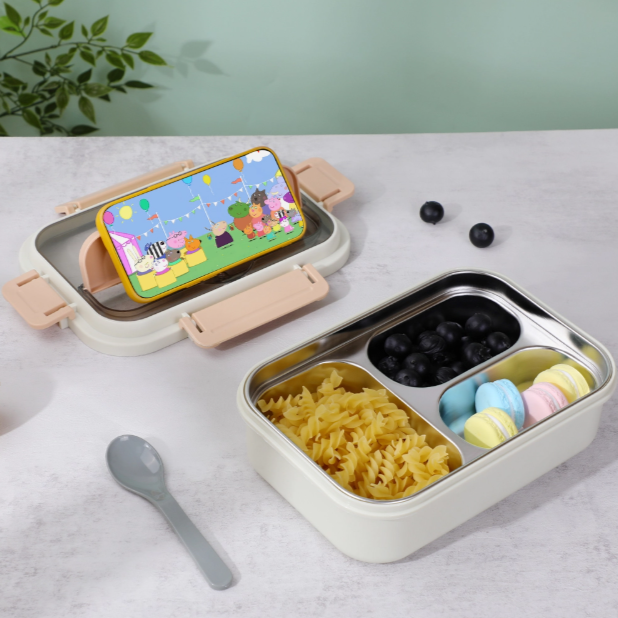
Before microwaving your bento lunch box, always check the product label to ensure it is microwave-safe. Some plastics, such as polypropylene (PP) and polyethylene terephthalate (PET), are commonly labeled as microwave-safe and are designed to withstand microwave heat. Avoid using plastic containers that don't have clear labeling.
Damaged or Discolored Containers: Always inspect your bento box for cracks, scratches, or discoloration before microwaving. Damaged containers are more likely to leach chemicals or fail under heat.
Using Non-Microwave Safe Materials: Never microwave materials like stainless steel or wood. They can cause sparks or heat unevenly, which can damage the microwave or cause burns.
When microwaving a bento box, always remove the lid or open the seal. This prevents steam buildup, which can create pressure and cause the box to explode. A microwave-safe cover with ventilation holes is a good alternative.
To ensure even heating, spread food out evenly in the bento box. Avoid stacking food or piling it in one corner, as uneven food distribution can lead to cold spots or overheating.
If you're using a cover, ensure it's microwave-safe. Some covers are specifically designed to prevent splattering and allow steam to escape safely. Never use metal lids, as they can cause sparks and pose a fire hazard.
Materia | Pros | Cons |
Plastic | Lightweight, affordable, microwave-safe | Can contain harmful chemicals like BPA |
Glass | Non-reactive, easy to clean, heat-resistant | Fragile, heavier than plastic |
Stainless Steel | Durable, non-toxic | Not microwave-safe, can overheat |
Wood | Eco-friendly, aesthetic | Not microwave-safe, requires maintenance |
Silicone | Flexible, microwave-safe, compact | Expensive, difficult to clean |
Choosing the right microwave-safe bento lunch box ensures that your food is heated safely and efficiently. Whether you prefer plastic, glass, or silicone, make sure the bento box is labeled as microwave-safe and always follow the manufacturer's guidelines. Avoid materials like stainless steel and wood for microwave use to prevent accidents. By making informed decisions about your bento lunch box, you can enjoy convenient, safe, and healthy meals on the go.
BINSLY offers a range of durable and practical lunch boxes designed for everyday convenience. Their microwave-safe bento boxes are perfect for those seeking quality, safety, and style in their meal prep routine.
A: Not all bento lunch boxes are microwave safe. Always check the label or manufacturer's guidelines to ensure the box is designed for microwave use.
A: Look for labels like "microwave safe" on the bento lunch box, and avoid using containers with cracks or discoloration.
A: Yes, if the plastic is labeled as microwave safe. Opt for containers made from polypropylene (PP) or polyethylene terephthalate (PET).
