


Call Us Now
Phone:
+86-137-2797-2500 
Views: 0 Author: Site Editor Publish Time: 2025-12-04 Origin: Site
Choosing the right cooking pot sets can transform your kitchen experience. Durable cooking pot sets save money and improve cooking results.In this post, you’ll learn about durable nonstick and stainless steel cooking pot sets. We also cover certified cooking pot sets and selecting the best manufacturer.
Stainless steel pots and pans are a favorite for durability and versatility. They handle high heat well, perfect for searing, boiling, and simmering. Many feature multi-ply construction, layering stainless steel with aluminum or copper cores to ensure even heat distribution and prevent hot spots. This means your food cooks evenly every time.
They resist rust, corrosion, and staining, making them long-lasting and safe for cooking acidic foods like tomato sauces. Stainless steel is non-reactive, so it won’t alter your food’s flavor. Plus, these sets often work on all cooktops, including induction, and can go from stovetop to oven.
Cleaning is simple, though stainless steel can sometimes cause food to stick. Proper preheating and using a bit of oil help prevent this. While dishwasher-safe, hand washing preserves the finish longer. Overall, stainless steel sets offer excellent value for everyday cooking and professional use.
Nonstick cookware shines for effortless cooking and cleanup. Its slick surface prevents food from sticking, ideal for eggs, pancakes, and delicate fish. Durable nonstick coatings allow cooking with less oil, promoting healthier meals.
Modern nonstick sets often use advanced PTFE or ceramic coatings. PTFE provides excellent release and durability, but ceramic coatings appeal to those seeking eco-friendly, chemical-free options. Both types require gentle care: avoid metal utensils and abrasive cleaners to protect the coating.
Nonstick pots and pans heat quickly and clean easily—usually just a soft cloth and warm water. However, they generally can’t withstand very high heat or heavy-duty searing like stainless steel. Despite this, their convenience makes them a must-have for everyday cooking.
| Feature | Stainless Steel | Nonstick |
|---|---|---|
| Durability | Highly durable, resists warping | Less durable, coating can wear over time |
| Heat Tolerance | Excellent, suitable for high heat | Moderate, avoid very high heat |
| Food Release | Requires oil, can stick if not careful | Excellent, food slides off easily |
| Cleaning | Requires scrubbing for stuck food | Easy, usually just wipe with a sponge |
| Maintenance | Can be dishwasher-safe, hand wash preferred | Hand wash recommended to preserve coating |
| Cooking Style | Great for searing, browning, deglazing | Best for low-fat, delicate cooking |
| Safety | Non-reactive, safe for acidic foods | Some concerns with overheating PTFE |
Choosing depends on cooking habits. Stainless steel suits those who sear or want long-lasting cookware. Nonstick fits cooks who prioritize ease and quick cleanup.
Beyond stainless steel and nonstick, other materials offer unique benefits:
Cast Iron: Known for exceptional heat retention and durability. Ideal for slow cooking and searing. Requires seasoning to maintain nonstick surface and prevent rust. Heavy and needs careful maintenance.
Enameled Cast Iron: Combines cast iron durability with an easy-to-clean enamel coating. No seasoning needed, resists rust, and handles acidic foods well. Slightly more expensive and heavier.
Ceramic Cookware: Offers a natural nonstick surface free from PTFE and PFOA. Good for moderate heat cooking, but less durable than metal options. Eco-friendly and often colorful.
Each material suits different cooking styles and maintenance preferences. Combining several types can provide a versatile kitchen setup.
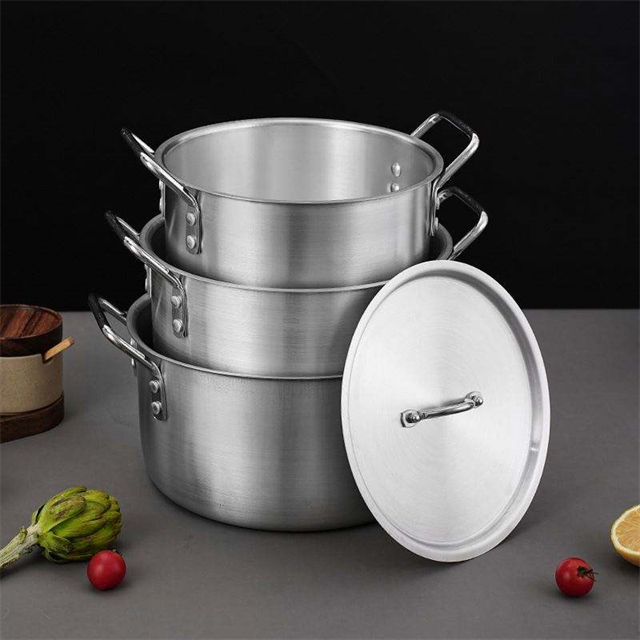
Certifications play a crucial role in ensuring cookware safety and durability. They verify that pots and pans meet strict standards for materials, construction, and performance. Certified cookware gives you confidence that the product is free from harmful substances and built to last. It also helps manufacturers maintain quality control, reducing risks of defects or health hazards.
For example, certification can guarantee cookware is free from toxic chemicals like lead, cadmium, or PFOA, often found in low-quality nonstick coatings. It also confirms resistance to warping, corrosion, and other common issues. In short, certifications protect consumers and promote trust in the cookware market.
Several certifications are widely recognized in the cookware industry:
FDA Compliance: Ensures materials used in cookware are safe for food contact.
LFGB (Lebensmittel- und Futtermittelgesetzbuch): German food safety standard, stricter than FDA, tests for chemical migration and durability.
NSF International: Certifies cookware meets public health and safety standards, including sanitation.
PFOA-Free Certification: Confirms nonstick coatings do not contain perfluorooctanoic acid, a harmful chemical.
ISO 9001: Quality management certification ensuring consistent manufacturing processes.
Prop 65 Compliance: California’s regulation warning about chemicals known to cause cancer or reproductive harm.
These certifications help you identify cookware that meets high safety and quality benchmarks. When buying, look for these marks on packaging or product descriptions.
Certified cookware undergoes rigorous testing during and after production. Tests check for:
Chemical safety: No harmful substances leach into food.
Heat resistance: Cookware withstands high temperatures without degrading.
Durability: Resistance to scratching, warping, and corrosion.
Performance: Even heat distribution and reliable nonstick properties.
Manufacturers must maintain ongoing quality audits to keep certifications valid. This process ensures each batch meets standards, not just prototypes.
Certified sets often come with warranties reflecting manufacturer confidence. They reduce health risks and provide peace of mind that your investment will perform well over time.
Tip: Always verify cookware certifications before purchasing to ensure safety, durability, and compliance with industry standards.
Durability in cooking pots means they can handle daily wear and tear without losing performance or appearance. Look for pots that resist warping, scratching, and corrosion. Heavy-gauge metals typically last longer and provide better heat retention. Strong handles and secure lids also add to a pot’s lifespan. Durable cookware often feels solid and well-balanced in your hand, not flimsy or light.
Multi-ply construction greatly boosts stainless steel cookware durability and performance. It means layers of metal are bonded together, usually stainless steel outside and aluminum or copper inside. This design spreads heat evenly, preventing hot spots that cause food to burn or cookware to warp. For example, tri-ply (three layers) and five-ply (five layers) pans offer excellent heat control and resist warping over time. Multi-ply pots also stay stable on induction cooktops, making them versatile.
Durable nonstick coatings use advanced materials like PTFE or ceramic to resist scratches and wear. High-quality coatings let you cook with less oil and clean up quickly. However, they need gentle care to last: avoid metal utensils and high heat. Some brands reinforce nonstick layers with hard-anodized aluminum bases, which adds strength and even heating. Proper use and cleaning extend the coating’s life, keeping your pots nonstick for years.
Material Thickness: Thicker metals mean better durability and heat retention.
Layering: Look for multi-ply or bonded layers in stainless steel sets.
Handle Construction: Riveted or welded handles last longer than glued ones.
Coating Quality: For nonstick, check for PFOA-free labels and multiple reinforced layers.
Brand Reputation: Trusted manufacturers usually offer warranties and certified products.
Compatibility: Ensure pots work on your cooktop type, including induction.
User Reviews: Real feedback helps confirm long-term durability claims.
Choosing durable cookware means investing in quality materials and construction. It pays off by providing reliable performance, safety, and a longer lifespan for everyday cooking.
Tip: Test cookware weight and handle sturdiness in-store to gauge durability before buying durable cooking pot sets.
Choosing the right manufacturer matters a lot for durable cooking pot sets. First, check their reputation. Look for companies known for quality, reliability, and consistent delivery. A good manufacturer usually has certifications proving their products meet safety and durability standards.
Next, consider their manufacturing capabilities. Do they use advanced technologies like multi-ply bonding or reinforced nonstick coatings? These innovations improve pot performance and lifespan. Also, find out if they offer customization options, such as specific sizes, designs, or materials to fit your market needs.
Another key factor is supply chain reliability. Timely delivery and consistent stock levels help avoid production or sales delays. Transparent communication and good customer service also indicate a trustworthy partner.
Finally, evaluate their environmental and social responsibility. Manufacturers using eco-friendly materials or ethical labor practices align with modern consumer values and reduce risks related to compliance or reputation.
Working with a reputable manufacturer brings many benefits. Quality assurance is top of the list — their products undergo strict testing to ensure durability and safety. This reduces returns and builds customer trust.
They often provide technical support and product knowledge, helping you understand the best uses and care for the cookware. This can improve customer satisfaction and brand loyalty.
Reputable manufacturers invest in research and development, so you get access to the latest cookware innovations. Their experience also means they can help you navigate regulatory requirements and certifications more smoothly.
Additionally, they usually offer warranties and after-sales services, giving you peace of mind and a competitive edge in the market.
Manufacturers continuously innovate to enhance cookware durability and performance. For stainless steel sets, innovations like five-ply construction add layers of aluminum or copper between stainless steel sheets. This spreads heat evenly and prevents warping, making cookware last longer and cook better.
In nonstick sets, advanced coatings resist scratches and peeling. Some manufacturers use reinforced ceramic or PTFE layers combined with hard-anodized aluminum bases. This boosts durability while keeping the nonstick surface smooth and easy to clean.
Other innovations include ergonomic handle designs, drip-free rims, and lids that seal tightly to lock in moisture and heat. These features improve cooking results and user experience.
Manufacturers also develop eco-friendly coatings and materials to reduce environmental impact without sacrificing quality.
A well-rounded stainless steel set includes several essential pieces designed for versatile cooking:
Saucepan (1.5 to 3 quarts): Perfect for sauces, reheating, and small portions.
Stockpot (6 to 8 quarts): Great for soups, stocks, boiling pasta, and large meals.
Sauté Pan (3 to 5 quarts): Ideal for searing, frying, and simmering with its straight sides.
Frying Pan/Skillet (8 to 12 inches): Essential for browning, sautéing, and pan-frying.
These pieces cover most cooking needs, from delicate sauces to hearty stews. Stainless steel’s durability and heat retention make them reliable for high-heat tasks like searing meat or deglazing pans.
Nonstick sets focus on convenience and easy cleanup. Key pieces include:
Nonstick Skillet (8 to 12 inches): Perfect for eggs, pancakes, and delicate fish.
Saucepan (2 to 3 quarts): Useful for sauces and reheating with minimal sticking.
Sauté Pan or Deep Fry Pan: Offers versatility for frying and sautéing without food sticking.
Nonstick pans excel at low-fat cooking and quick meals. Their slick surface reduces oil use and speeds cleaning, making them a kitchen staple for everyday convenience.
Adding specialty cookware enhances versatility:
Saucepans: Choose sizes based on meal prep—small for sauces, medium for grains, large for soups.
Stockpots: Large capacity pots essential for batch cooking, boiling pasta, or making broth.
Sauté Pans: Straight sides prevent spills, great for recipes requiring liquids or tossing ingredients.
Woks: Ideal for stir-frying, steaming, and deep-frying, especially in Asian cuisine. Carbon steel woks heat quickly and evenly, offering durability and excellent heat control.
Specialty pieces allow you to tackle a wider range of recipes efficiently, catering to diverse cooking styles.
Consider your kitchen size, cooking habits, and family needs when selecting pot sizes and quantities:
Small Households: A basic set with 1-2 saucepans, a 6-quart stockpot, and a versatile skillet covers most needs.
Larger Families or Frequent Entertainers: Multiple sizes of saucepans and stockpots, plus specialty pans like woks or sauté pans, provide flexibility.
Space Constraints: Opt for nesting sets that stack neatly to save storage space.
Balance between having enough pieces for various dishes and avoiding clutter. Prioritize quality over quantity for long-term durability and performance.
Tip: When selecting essential cookware pieces, prioritize versatile sizes and types that match your cooking style to maximize both kitchen efficiency and cookware lifespan.
Stainless steel pots and pans are sturdy but need proper care to keep their shine and performance. Always let the cookware cool before washing to avoid warping from sudden temperature changes. Use warm water, mild dish soap, and a soft sponge or cloth for cleaning. For stuck-on food, soak the pot in warm soapy water to loosen residue. Avoid steel wool or abrasive scrubbers that can scratch the surface.
To remove discoloration or heat stains, try a paste made from baking soda and water, gently scrubbing the affected area. Vinegar diluted in water also works well to eliminate water spots or mineral buildup. Dry cookware immediately after washing to prevent water spots and maintain the polished look. Hand washing is preferred over the dishwasher, which can dull the finish over time.
Nonstick cookware requires gentle handling to protect its coating. Always use soft sponges or cloths and avoid abrasive cleaners. Hand wash nonstick pots and pans with mild detergent and warm water. Avoid soaking for long periods, which can damage the coating.
Use wooden, silicone, or plastic utensils to prevent scratches. Avoid metal tools that can chip or peel the nonstick surface. Cook on low to medium heat, as high temperatures can degrade the coating and release harmful fumes. Let the cookware cool before cleaning to prevent warping or coating damage. Proper care helps maintain the slick surface and extends the cookware's life.
Proper storage prevents scratches and dents. Stack pots and pans carefully, placing soft cloths or felt liners between them. This protects both stainless steel and nonstick surfaces. If space is limited, consider hanging pots by their handles or using racks designed for cookware.
Store lids separately or upside down to avoid pressure on glass or metal rims. Keep nonstick cookware away from heavy items that could cause damage. Avoid stacking too many pieces on top of one another to reduce the risk of warping or handle loosening.
To extend your cookware’s lifespan, avoid sudden temperature changes that cause warping. Never heat empty nonstick pans, and avoid overheating stainless steel pots. Use appropriate utensils and avoid cutting or stirring directly in the pots with sharp tools.
Regularly inspect handles and lids for looseness or damage. Tighten screws or rivets as needed. Avoid dropping or banging pots to prevent dents or cracks. With careful use, your cooking pot sets will remain durable and efficient for years.
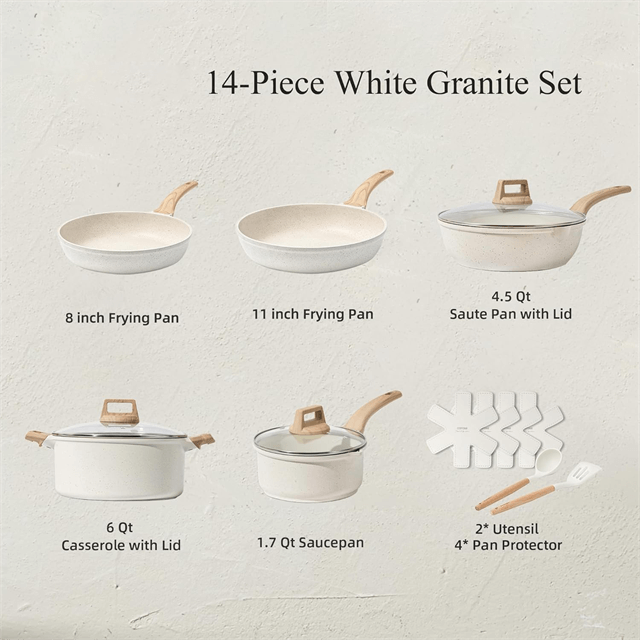
Choosing between stainless steel and durable nonstick cookware depends largely on how you cook. If you often sear meats, brown vegetables, or make pan sauces, stainless steel is your best bet. It handles high heat superbly and offers excellent control over cooking temperature. Plus, it’s great for recipes requiring deglazing or oven finishing.
On the other hand, if you prefer quick, low-fat meals like eggs, pancakes, or delicate fish, nonstick cookware makes cooking and cleanup easier. Nonstick’s slick surface means food slides off effortlessly, reducing the need for oil and preventing sticking. It’s ideal for everyday convenience and healthier cooking.
For those who cook a wide variety of dishes, combining both types offers the best of both worlds. Use stainless steel for high-heat tasks and nonstick for gentle cooking. This approach maximizes versatility and efficiency in the kitchen.
Budget plays a key role in cookware selection. Stainless steel sets, especially those with multi-ply construction, tend to cost more upfront due to their durable materials and complex manufacturing. However, their longevity and performance often justify the investment, lasting many years with proper care.
Durable nonstick sets usually come at a lower price point but may require replacement sooner because coatings can wear over time. Still, high-quality nonstick cookware with reinforced coatings offers good durability and value for frequent use.
When evaluating value, consider how often you cook and what types of meals you prepare. Investing in quality stainless steel pays off if you cook regularly and want long-lasting cookware. For occasional cooks or those prioritizing ease, a good nonstick set offers excellent convenience and cost savings.
Many home chefs find that blending stainless steel and nonstick cookware creates a flexible kitchen setup. For example:
Use a stainless steel skillet for searing steaks or sautéing vegetables.
Use a nonstick pan for eggs, crepes, or sticky sauces.
Keep a stainless steel stockpot for soups and boiling pasta.
Have a nonstick saucepan for reheating or making delicate sauces.
This combination covers a broad range of cooking techniques and food types, allowing you to choose the best tool for each task. It also helps extend the life of each set, as you avoid overusing one type.
Match cookware to your cooking habits: Prioritize stainless steel for high-heat, long-lasting use; nonstick for easy cleanup and delicate foods.
Check compatibility: Ensure pots and pans fit your cooktop, especially if you have induction.
Look for certifications: Safety and durability certifications indicate quality.
Consider warranties: They reflect manufacturer confidence and protect your investment.
Test weight and handle comfort: Durable pots should feel sturdy but manageable.
Think long-term: Quality cookware saves money and hassle over time.
Making an informed choice means balancing your cooking style, budget, and kitchen needs. Combining stainless steel and durable nonstick cookware often provides the best versatility and performance for everyday cooking.
Tip: Combine stainless steel and durable nonstick cookware sets to cover all cooking needs efficiently and extend the lifespan of your pots and pans.
Choosing durable, certified cooking pot sets ensures safety, longevity, and consistent cooking results. Selecting the right materials like stainless steel or nonstick enhances kitchen versatility and suits varied cooking styles. Partnering with a reputable manufacturer guarantees quality, innovation, and reliable customer support. Investing in quality cookware from Binsly provides lasting value, combining durability with excellent performance for everyday cooking success. Prioritizing trusted products helps you enjoy efficient, safe, and enjoyable meal preparation for years.
A: Durable cooking pot sets, including stainless steel and durable nonstick options, offer long-lasting performance, resistance to warping and corrosion, and even heat distribution, making them ideal for everyday cooking.
A: Certified cooking pot sets meet strict standards for materials and construction, ensuring they are free from harmful chemicals and built to last, providing peace of mind and reliable cooking performance.
A: Stainless steel cooking pot sets excel in durability and high-heat cooking, while durable nonstick sets offer easy food release and cleaning; combining both types covers diverse cooking needs.
A: To maintain durable nonstick cooking pot sets, use gentle cleaning methods, avoid metal utensils, cook on medium heat, and hand wash to preserve the coating and extend lifespan.
A: Choose a cooking pot sets manufacturer with certifications, innovative technology, quality materials, and strong customer support to ensure durable, certified cooking pot sets that meet your needs.
