




Call Us Now
Phone:
+86-137-2797-2500 
Views: 0 Author: Site Editor Publish Time: 2025-10-21 Origin: Site
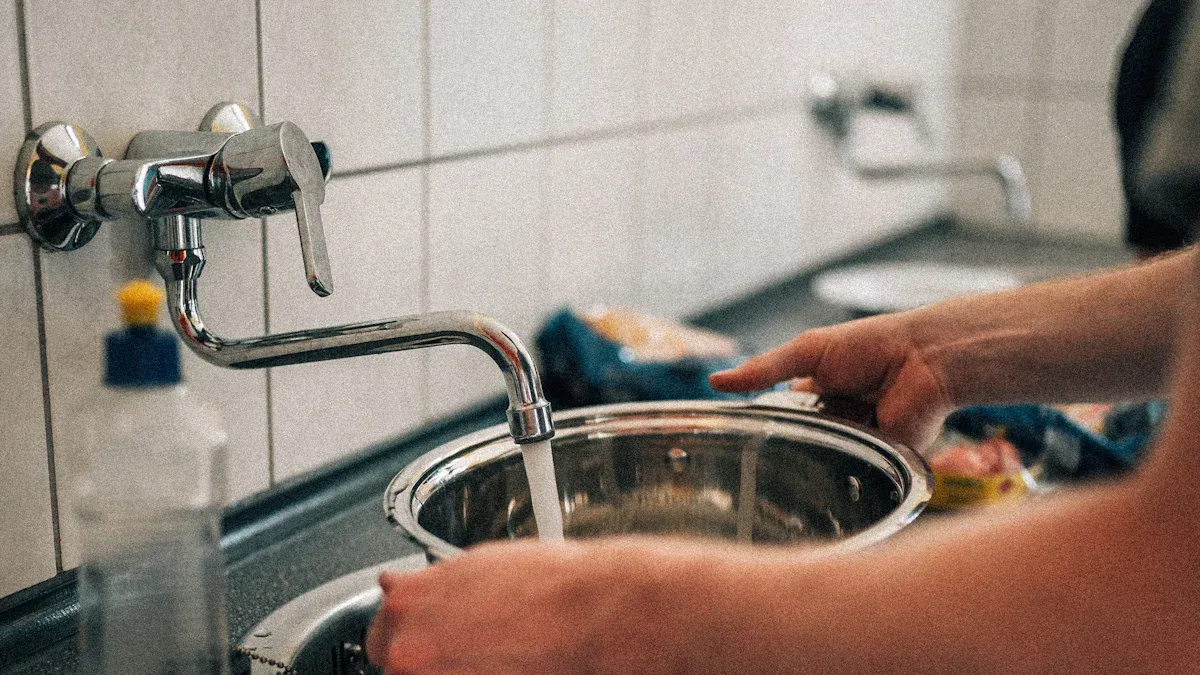
The best way to clean cooking pots depends on the type of mess and the material of your Kitchenware. You can keep your pots in great shape by understanding what you are dealing with. Common messes include:
Baked-on food
Grease
Stains
Burns
Discoloration
You will find that with the right steps, cleaning Cooking Pots is simple and effective. Choose your method based on the mess and the pot’s material to avoid damage and get the best results.
Wash pots right after you use them. This stops food from sticking and makes cleaning easier.
For hard stains on the outside, use a paste of baking soda and dish soap. Let it stay on for at least 10 minutes for better results.
Pick the best way to clean based on what the pot is made of. Do not use strong cleaners that can hurt the pot.
Always dry pots all the way before you put them away. This helps stop rust and bad smells. Put paper towels between stacked pots to protect them.
Deep clean your pots every few months. This keeps them in good shape and stops hard stains.
You should start by cleaning your cooking pots right after use. This helps prevent food from sticking and makes the process easier. The best way to clean most everyday messes is to use hot water and a good dish soap. Dish soap breaks down grease and food residue, while hot water helps loosen stuck bits. Scrubbing with a soft sponge or brush removes leftover food. Always pay attention to the entire surface, including the rim and handles.
Tip: Let your pot cool before washing. Placing a hot pot in cold water can cause warping or damage.
Here is a simple table that shows the general steps for cleaning cooking pots after everyday use:
Step | Action |
|---|---|
1 | Wash all cooking utensils, pots, and pans |
2 | Sanitize the cleaned utensils |
You should also clean the outside of your pots. A baking soda and dish soap paste works well for this. Mix equal parts baking soda and dish soap, spread the paste on the outside, and let it sit for at least 10 minutes. This method helps break up heavy carbon build-up and grease stains. It is a natural and effective cleaner for cookware.
Baking soda and dish soap paste is a natural cleaner.
Let the paste sit for at least 10 minutes for best results.
This method helps remove tough grease and carbon stains.
Light stains can make your cooking pots look dull, but you can remove them with the right products. Some of the most effective household products for this job include:
Barkeeper's Friend: This cleaner works well on burnt-on stains from aluminum, anodized aluminum, and stainless steel. It is affordable and safe for many types of cookware.
Astonish Cleaner: This paste is less abrasive and works best on enamel-coated cookware. You can scrub it into stains to remove grease and carbon spots.
Baking Soda and Peroxide: Mix 1/2 cup baking soda, 1 teaspoon liquid dish soap, and 1-2 tablespoons hydrogen peroxide. This homemade cleaner is gentle and effective.
Note: Always follow the manufacturer's instructions for your pot. Using the wrong cleaner or tool can scratch or damage the surface.
When you choose methods for cleaning, think about the type of mess and the material of your cookware. Some cleaners work better for burnt-on messes, while others are best for light stains.
Proper drying and storage keep your cooking pots in good condition and help prevent rust or odors. After you clean your pots, dry them completely with a towel. Do not leave them to air dry in a humid area.
Recommendation | Description |
|---|---|
Keep Dry | Ensure cookware is completely dry before storing to prevent rust or mold. |
Avoid Humidity | Store pots in a dry, well-ventilated area to prevent moisture buildup. |
Use Protective Measures | Place a paper towel between stacked cast iron pieces to absorb moisture. |
Tip: Never store food in your cookware. Acidic foods can stain and damage the surface. Always wait for your pot to cool before cleaning to avoid warping.
By following these steps, you can keep your cooking pots clean and ready for your next meal. Choosing the best way to clean each pot and using the right methods for cleaning will help your cookware last longer and perform better.
Burnt food can stick stubbornly to cooking pots, making cleanup a challenge. You can tackle these burnt-on messes with several proven methods. Each technique uses common household items and simple steps. You will find that you can clean a burnt pan without damaging your cookware if you follow the right process.
You can clean a burnt pan using baking soda and aluminum foil. This method works well for tough stains and stuck-on food. Baking soda acts as a gentle abrasive, while aluminum foil helps lift burnt residue.
Step-by-step instructions:
Crumple a piece of aluminum foil into a loose ball.
Sprinkle a generous layer of baking soda over the burnt area in your pan.
Use the aluminum foil ball to scrub the bottom of the pan. Apply steady pressure and move in circular motions.
Watch as the burnt stains begin to lift away.
Rinse the pan with warm water and dry it thoroughly.
Baking soda releases hydroxide ions that react with grease and food residues. This process, called saponification, turns grease into soap and makes it easier to clean stuck-on food.
Effectiveness Table:
Method | Description |
|---|---|
Aluminum foil + baking soda | Use a paste of baking soda and hot water, scrub with crumpled foil. |
Baking soda + vinegar | Fill the pan with equal parts water and vinegar, boil, add baking soda, soak, and scrub. |
Dishwasher tablet | Scrub the pan with a wet dishwasher tablet until debris lifts. |
Lemons | Boil lemon slices in water, then scrub the pan after removing the mixture. |
Bar Keepers Friend | Make a paste with the product and water, let sit for 60 seconds, then scrub. |
You can clean a burnt pan with vinegar and baking soda. This combination uses a chemical reaction to loosen burnt food and stains. Vinegar’s acidity helps dissolve mineral deposits, while baking soda breaks down organic residue.
How to clean a burnt pan with vinegar and baking soda:
Pour equal parts water and vinegar into the burnt pan.
Bring the mixture to a boil on the stove.
Remove the pan from heat and add a few tablespoons of baking soda.
Let the mixture fizz and soak for 15 minutes.
Scrub the pan with a sponge or brush to remove burnt-on messes.
Rinse and dry the pan.
Vinegar and baking soda rate as moderately effective for burnt stains. You may need extra scrubbing for stubborn spots.
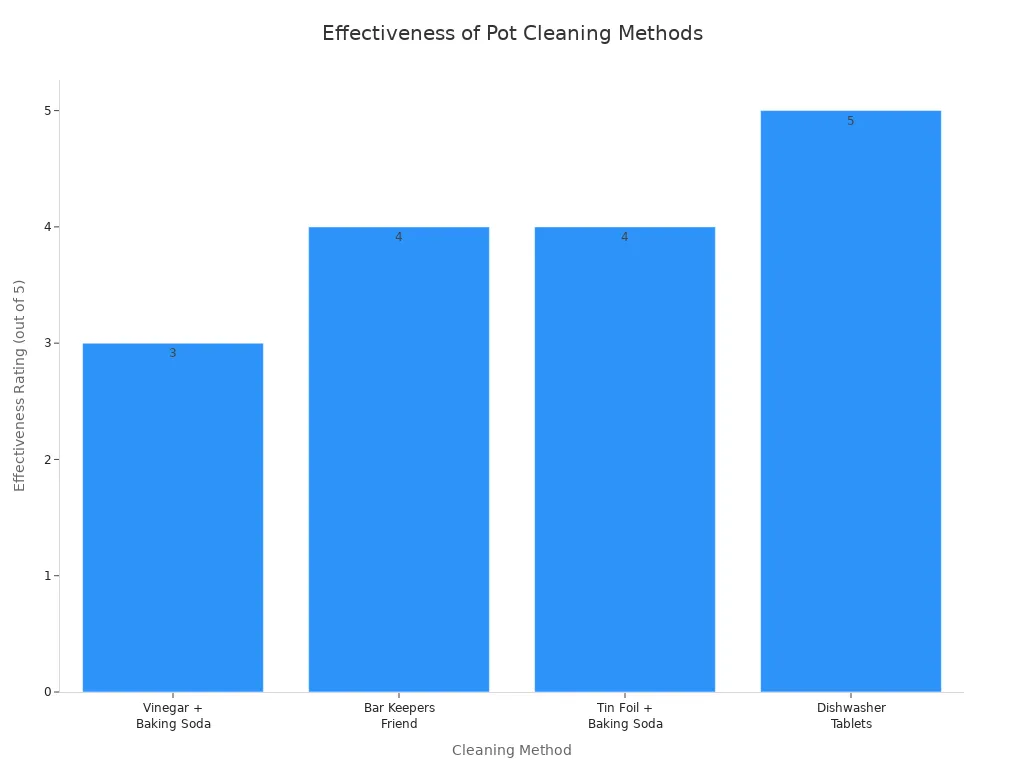
Effectiveness Comparison:
Cleaning Method | Effectiveness Rating |
|---|---|
Vinegar + Baking Soda | 3/5 |
Bar Keepers Friend | 4/5 |
Tin Foil + Baking Soda | 4/5 |
Dishwasher Tablets | 5/5 |
You can clean a burnt pan quickly with a dishwasher detergent boil. This method uses the cleaning power of dishwasher tablets or powder to break down burnt residue.
Steps to clean a burnt pan with dishwasher detergent:
Fill the burnt pan with enough water to cover the burnt area.
Add a dishwasher tablet or a tablespoon of dishwasher powder.
Bring the water to a gentle boil and let it simmer for 10–15 minutes.
Allow the pan to cool slightly.
Scrub the pan with a sponge. Most burnt debris will lift off easily.
Rinse and dry the pan.
Laboratory tests show that dishwasher tablets clean a burnt pan in under five minutes with little scrubbing needed.
Salt works as a natural abrasive to clean burnt pans. You can use coarse salt to scrub away tough residues without scratching your cookware.
How to clean a burnt pan with a salt scrub:
Pour a generous amount of coarse salt into the burnt pan.
Use a clean cloth or sponge to scrub the pan in circular motions.
Rinse the pan with warm water to remove salt and loosened food.
Dry the pan completely with a towel. You can heat it briefly on the stove to ensure it is dry.
You can use a steel wok spatula to remove as much burnt food as possible before scrubbing. Discard the soiled salt and rinse the cookware immediately.
Salt Scrub Tips:
Apply a light layer of salt to the bottom of the pan.
Use bunched-up paper towels for extra scrubbing power.
Salt lifts burnt food and leaves your pan clean.
You can clean a burnt pan with other household products if you do not have baking soda or vinegar. Cream of tartar, lemon water, ketchup, and apple cider vinegar all help remove burnt stains.
Product | Method |
|---|---|
Cream of Tartar | Mix a tablespoon in a cup of water, boil in the pan, cool, and scrub to shine. |
Lemon Water | Slice lemons, add to water in the pan, boil, and let simmer to remove buildup. |
Ketchup | Use as a last resort; the acids help lift stains from pans. |
Apple Cider Vinegar | Effective but avoid on nonstick pans due to potential damage from acid. |
You can use acidic liquids to clean burnt stains, but always check your pan’s material first. Some acids may damage nonstick coatings.
You can clean stuck-on food from cooking pots using these methods. Each technique helps you remove burnt residue and restore your cookware. Scrubbing with the right product makes cleaning easier and protects your pans from damage.
Cooking pots come in many materials. Stainless steel and cast iron are the most common. Stainless steel is popular because it lasts a long time and holds heat well. Cast iron keeps heat and has a natural non-stick surface. You need to know the right way to clean each type to avoid damage and get rid of burnt food.
You can clean stainless steel pots with simple tools and products. For everyday messes, scrub with hot soapy water and a nonabrasive sponge. If you see burnt stains, boil water and baking soda in the pot. Use a long-handled dish brush to loosen stuck-on food. Wipe with vinegar to remove discoloration. For tough stains, use Bar Keepers Friend or baking soda. Soak cookware in warm water and citric acid to remove old layers. Always rinse and dry with a clean cloth.
Tip: Avoid steel wool. It can scratch the surface and make future cleaning harder.
Cleaning Method | Safe for Stainless Steel? |
|---|---|
Baking Soda Boil | Yes |
Vinegar Wipe | Yes |
Steel Wool | No |
Nonstick cooking pots need gentle care. Do not use steel wool or abrasive materials. Choose a soft sponge and gentle dishwashing liquid. Avoid cooking spray, which can cause residue build-up. Use silicone or wooden utensils to prevent scratches. Never put nonstick pans in the dishwasher. High heat and harsh detergents can damage the coating. Do not heat an empty nonstick pan, as this can ruin the surface.
Use gentle scrubbing to remove burnt bits.
Avoid metal utensils and rough sponges.
Cast iron pots need special care to keep their seasoning. After cooking, scrape off bits and clean with a pot scrubber and water. Do not use soap unless you plan to re-season the pan. For stuck-on food, scrub with a potato and coarse salt. Always dry the pan completely to prevent rust. Coat the pan with a thin layer of oil after drying. If you see burnt spots, use kosher salt and warm water to scrub gently.
Note: Never soak cast iron in water. This can cause rust and damage the seasoning.
Copper and aluminum pots need careful cleaning to avoid discoloration or pitting. Rinse aluminum pots with hot water and mild dish soap. For burnt-on residue, boil water in the pot and add baking soda. Scrub gently, then rinse and dry. To remove discoloration, fill the pot with water and vinegar, boil, then rinse and dry. For tough stains, make a paste with cream of tartar, apply, scrub, rinse, and dry. Deal with hard water stains by mixing vinegar and water, soaking or boiling, then rinsing and drying.
Problem | Solution |
|---|---|
Burnt Residue | Boil water + baking soda |
Discoloration | Boil water + vinegar |
Tough Stains | Cream of tartar paste |
Tip: Always dry copper and aluminum pots right away. This prevents water spots and keeps them shiny.
You can keep your cooking pots in great shape by using the right cleaning method for each material. Avoid harsh scrubbing and strong chemicals to prevent damage. If you follow these steps, you will remove burnt food and stains without harming your cookware.
You can keep your cooking pots in top shape by stopping buildup before it starts. Grease, food splatters, and burnt spots often cause tough stains. Try these simple habits to prevent problems:
Use a range hood to capture smoke, steam, and grease while you cook.
Place lids or splatter screens on pots to control kitchen splashes.
Adjust your cooking methods to reduce grease and avoid burnt messes.
Tip: Wipe up spills right away. This cleaning hack saves you time and keeps your pots looking new.
Even with daily care, you need to deep clean your pots to remove hidden stains and burnt residue. Experts recommend deep cleaning your kitchen, including cooking pots, at least once every three months. If you cook often or have a large family, you should deep clean more often.
Scrub away any burnt food using baking soda or salt.
Soak pots with stubborn stains in hot water and vinegar.
Dry each pot completely after cleaning to prevent rust or water spots.
Remember: Regular deep cleaning helps you avoid tough burnt stains and keeps your cookware safe for every meal.
Proper storage protects your pots from scratches, rust, and burnt marks. Always make sure your cookware is dry before you put it away. Use these tips for different types of pots:
Type of Cookware | Safe Storage Practices |
|---|---|
Aluminum | Hand wash, avoid abrasives, dry well, and use cream of tartar to remove discoloration. |
Carbon Steel | Hand wash, avoid soap, dry fully, coat with oil after each use. |
Forged | Re-season as needed, store dry, use paper towels between stacked items. |
Non-Stick | Use pan protectors or soft cloths when stacking, avoid hanging heavy pans. |
Cast Iron | Store dry, use paper towels between stacked items, avoid hanging large pieces. |
Stainless Steel | Stack carefully, ensure thorough drying before storage. |
Always use pan protectors or soft cloths when stacking non-stick cookware. Store cast iron in a dry place and use paper towels to absorb moisture. Dry all pots well to prevent corrosion and burnt spots from forming.
By following these tips, you can keep your cooking pots clean, free from burnt stains, and ready for every recipe.
You can keep your cooking pots nice by using the right cleaning steps for each pot and mess. If you clean them often, you will not get hard stains. Cleaning will be easier too. Tests show that picking the best cleaner for each mess works better and saves time.
Special cleaners get rid of stains faster than old ways.
Alkaline detergents clean better and make cleaning quicker.
If you clean your pots after every use, they will look new and be ready for cooking again.
You can use baking soda and a little water to make a paste. Spread it on the stain. Let it sit for 15 minutes. Scrub with a soft sponge. Rinse and dry the pot.
Not all pots are dishwasher safe. Stainless steel usually works fine. Nonstick, cast iron, and some aluminum pots can get damaged. Always check the manufacturer’s instructions before using the dishwasher.
Do not use metal utensils or steel wool.
Avoid harsh cleaners.
Never use high heat.
These steps help protect the nonstick coating and keep your pots lasting longer.
Rainbow stains come from minerals in water or high heat. You can remove them by wiping the pot with vinegar. Rinse and dry it well. The pot will look shiny again.
