


Call Us Now
Phone:
+86-137-2797-2500 
Views: 0 Author: Site Editor Publish Time: 2025-10-14 Origin: Site
Plastic lunch boxes are a staple for many, especially for those who pack meals ahead of time. Their convenience and practicality make them an excellent choice for storing and reheating food. However, one major question arises: Is it safe to microwave plastic lunch boxes?
In this article, we will explore the types of plastics used in lunch boxes and whether they are microwave-safe. You’ll learn about the potential risks of microwaving plastic and how to make informed decisions for safe use.
Plastic lunch boxes come in several different types of plastic materials. Here are some of the most common:
Polyethylene Terephthalate (PET): Often used for single-use containers, like those for takeout, PET is durable but not ideal for high-heat applications.
High-Density Polyethylene (HDPE): Known for its strength, HDPE is used in both reusable and disposable lunch boxes.
Polypropylene (PP): This plastic is the most heat-resistant and is frequently used for lunch boxes that are labeled microwave-safe.
Polyvinyl Chloride (PVC): PVC is not recommended for microwaving due to its low heat tolerance and the harmful chemicals it can release when heated.
Each plastic type has specific properties, and not all are suitable for microwaving. Understanding these differences is key to ensuring the safety of your lunch box when heating food.
The safety of microwaving plastic lunch boxes primarily depends on the composition of the plastic used. Some plastics are more heat-resistant than others, which means they are less likely to release harmful chemicals when microwaved.
For example, PP (Polypropylene) is known for its high heat tolerance, allowing it to safely withstand microwave temperatures without leaching harmful substances. On the other hand, PVC (Polyvinyl Chloride) has poor heat resistance and can release toxic chemicals, including phthalates and dioxins, when exposed to high temperatures.
Polypropylene (PP) is the top contender when it comes to microwave-safe plastics. It has excellent heat resistance, capable of withstanding temperatures up to 140°C (284°F). This makes it the safest plastic to use in the microwave, especially for heating meals. PP is also chemically stable, ensuring that no harmful substances leach into food.
Tip: Look for lunch boxes with the microwave-safe label, particularly those made from PP. They are designed to safely handle microwave heat and ensure that your food remains uncontaminated.
HDPE is another plastic commonly used in lunch boxes. It is durable and resistant to cracking, but its heat resistance is not as high as PP. HDPE is safe for use in the microwave as long as the lunch box is labeled microwave-safe. However, it is important to avoid heating food at excessively high temperatures in HDPE containers, as they may warp or release chemicals.
PET is often found in disposable lunch boxes, such as those used for takeout. While it is sturdy and can handle moderate heat, PET is not the best option for microwaving. High temperatures may cause it to deform, and chemicals can leach into the food.
Warning: Avoid microwaving PET containers, especially if they are not labeled microwave-safe.
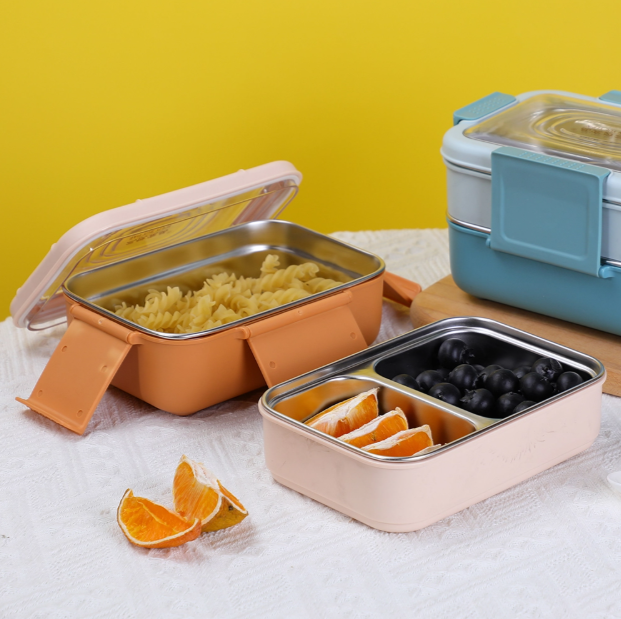
One of the major risks associated with microwaving plastic lunch boxes is the potential leaching of chemicals. Plastics like BPA (Bisphenol A) and phthalates can migrate from the container into your food when exposed to heat. These chemicals are endocrine disruptors, meaning they interfere with your body's hormonal systems, potentially leading to health issues such as infertility, cancer, and obesity.
The long-term risks of microwaving plastic are still being studied. However, it’s widely recognized that heating certain plastics can increase the likelihood of harmful chemicals leaching into food, especially when plastics are damaged. Over time, repeated exposure to these chemicals may lead to chronic health conditions.
Damaged plastic lunch boxes are more likely to release harmful chemicals when microwaved. Scratches, cracks, or cloudiness on the plastic surface indicate that the container has lost its structural integrity, making it unsafe for microwaving. Even if the container was initially microwave-safe, damage can cause it to warp or release toxins when heated.
Many plastic lunch boxes now come with a BPA-free label, suggesting that they are free from Bisphenol A, a harmful chemical. While BPA-free products are often marketed as safer, this label does not necessarily guarantee that the plastic is free from other harmful chemicals.
To replace BPA, manufacturers often use chemicals like Bisphenol S (BPS) and Bisphenol F (BPF). However, these substitutes may still have similar health risks, as they can also act as endocrine disruptors. While BPS and BPF may be free from BPA, they can still potentially leach into food when microwaved.
Tip: Look for lunch boxes that are labeled not only as BPA-free but also free from BPS and BPF to minimize chemical exposure.
The absence of BPA in plastic lunch boxes does not mean they are completely free from health risks. Research suggests that the chemicals used as substitutes for BPA may also leach into food under certain conditions, especially when exposed to heat in the microwave.
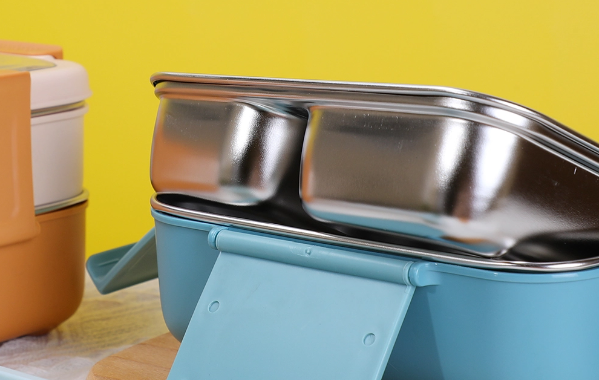
When selecting a plastic lunch box for microwave use, look for the following features:
Microwave-safe label | Ensure the lunch box is specifically labeled as microwave-safe. |
Durable material | Choose plastics like PP and HDPE, which are more heat-resistant. |
No cracks or scratches | Damaged containers are more likely to release harmful chemicals. |
Glass and stainless steel are excellent alternatives to plastic for microwaving. Glass containers are microwave-safe, non-toxic, and durable. Stainless steel, while not microwave-safe, is an ideal option for storing food and can be safely used when heating food on a stovetop.
Always follow the manufacturer's instructions when using plastic lunch boxes in the microwave.
Avoid microwaving plastic containers with lids unless they are microwave-safe and vented.
Do not microwave plastic containers that are cracked or scratched, as they are more likely to release harmful chemicals.
If you are looking for an eco-friendly alternative, consider bamboo, glass, or stainless steel lunch boxes. These materials are non-toxic, durable, and safe for microwaving (in the case of glass). They are also more sustainable than plastic, helping reduce the environmental footprint.
Plastic lunch boxes contribute significantly to environmental pollution due to their non-biodegradable nature. While some plastics are recyclable, the majority end up in landfills or oceans, where they can take hundreds of years to decompose.
Microwaving plastic lunch boxes is safe when using microwave-safe plastics like PP or HDPE. However, risks exist due to chemical leaching, especially with damaged containers. For a healthier choice, switch to glass or stainless steel lunch boxes.
Final Recommendation: Opt for high-quality, BPA-free, and microwave-safe plastic lunch boxes, or choose stainless steel alternatives like those offered by Binsly for added safety and environmental benefits.
A: It is safe to microwave a plastic lunch box if it is labeled as microwave-safe and made from heat-resistant materials like PP or HDPE.
A: Look for a microwave-safe symbol on the bottom of the lunch box or check the manufacturer's label for specific instructions.
A: No, avoid microwaving damaged plastic lunch boxes, as cracks or scratches may cause harmful chemicals to leach into your food.
A: The main risk is chemical leaching, especially from plasticizers like BPA, which may pose health risks when heated.
A: Yes, glass and stainless steel lunch boxes are safer and more environmentally friendly alternatives for microwaving.
