


Call Us Now
Phone:
+86-137-2797-2500 
Views: 0 Author: Site Editor Publish Time: 2025-12-18 Origin: Site
Visually, a $5 pot and a $50 pot may look identical on a shelf. However, at the molecular level, they act very differently. One may leach heavy metals or toxins into your food, while the other remains chemically inert. This hidden risk turns simple meal preparation into a potential health hazard. Understanding the materials behind your tools is not just about quality; it is a matter of safety.
The stakes are high for everyone involved. For businesses, using verified equipment ensures compliance with strict regulations like FDA or EFSA standards, protecting brand reputation from costly recalls. For households, it is about avoiding long-term exposure to dangerous substances. Truly safe equipment requires more than marketing buzzwords like "non-toxic." It demands a clear understanding of metallurgy, certifications, and maintenance.
This guide moves beyond the basics. We will explore the technical realities of Food-Grade Kitchenware, from steel grades to certification protocols. You will learn how to verify safety claims and ensure your kitchen remains a zone of health and hygiene.
Distinction Matters: "Food Grade" refers to the material composition; "Food Safe" refers to the finished product’s design and application.
Material Hierarchy: 304 (18/8) Stainless Steel is the commercial gold standard; materials like copper and cast iron require specific treatments (seasoning or tinning) to remain safe.
Hidden Chemicals: Truly safe kitchenware excludes "Forever Chemicals" (PFAS/PFOA) and ensures coatings are intact.
Verification: Visual inspection isn't enough; validated certifications and simple field tests (like the magnet test) are required for procurement.
Many buyers use the terms "food grade" and "food safe" interchangeably, but they represent different standards. Think of this using the "square versus rectangle" logic. All food-safe items must be food-grade, but not all food-grade materials result in a food-safe product.
Food Grade refers strictly to the material itself. For example, a sheet of 304 stainless steel is food grade because it contains no toxins and meets specific migration limits. It will not leach harmful chemicals under standard conditions.
Food Safe refers to the finished product, its design, and its application. If a food-grade steel bowl has a deep crevice under the rim that traps bacteria, it is not food safe. Similarly, if you use a material outside its intended temperature range, it loses its safety status. A plastic container might be food grade for cold storage, but if it melts in a microwave, it is no longer safe for that application.
Navigating safety standards requires familiarity with global regulations. In the United States, the FDA (CFR 21) sets the baseline for materials in contact with food. These codes specify which substances are permitted and in what quantities.
For those exporting to or importing from Europe, standards are often stricter. The EFSA and German LFGB standards place rigorous limits on silicone and plastics. They often test for comprehensive migration of particles, not just specific toxins. For a Kitchenware manufacturer, aiming for dual compliance (FDA and LFGB) significantly reduces supply chain risks and opens up global markets.
Choosing the right material is the first line of defense against toxicity. Different metals and compounds react differently to heat, salt, and acid. Here is how the industry standards compare.
Stainless steel is the workhorse of the culinary world. However, not all steel is created equal. The grade you choose dictates corrosion resistance and durability.
304 (18/8 or 18/10): This is the primary recommendation for a high-quality Cooking Pots Set. The numbers indicate 18% chromium and 8-10% nickel. Nickel provides the crucial resistance to corrosion and rust.
316 (Marine/Surgical): This grade contains molybdenum, which increases resistance to chlorides. It is required for high-salinity environments or commercial kitchens processing acidic foods like tomato sauce daily. It costs more but lasts significantly longer.
The "200 Series" Risk: Beware of cheap "stainless" steel, often graded as 201 or 202. Manufacturers substitute manganese for nickel to cut costs. These pots are susceptible to pitting and rust, which compromises hygiene.
Field Test: You can often identify the quality of stainless steel kitchenware with a simple magnet. High-quality 304 and 316 grades are generally non-magnetic. Cheaper 400-series or low-quality steels are often magnetic.
| Grade | Common Name | Key Elements | Corrosion Resistance | Primary Use |
|---|---|---|---|---|
| 304 | 18/8 or 18/10 | Chromium, Nickel | High | Standard Pots, Pans, Bowls |
| 316 | Marine Grade | Molybdenum | Superior | Acidic Cooking, Commercial |
| 430 | 18/0 | Chromium (No Nickel) | Moderate | Flatware, Mixing Bowls |
| 200 Series | Budget Steel | Manganese | Low | Low-cost Containers |
Some metals interact with food chemically. This interaction can be beneficial or dangerous depending on how the cookware is treated.
Cast Iron & Carbon Steel: These materials are reactive. They become "food safe" only when seasoned. The polymerization of fat creates a natural barrier that prevents metal from leaching into food. Without this layer, iron can leach into acidic dishes, altering the taste.
Copper & Brass: Copper offers exceptional heat conductivity but is highly reactive. It must be lined with tin or stainless steel. Unlined copper reacts with acidic foods to create toxic copper salts, which cause nausea. Traditional tinning (Kalai) makes these safe, but the lining must be intact.
Titanium: This metal is gaining popularity in high-end Kitchen Accessories. Titanium is completely inert and hypoallergenic. It has low heat conductivity, making it excellent for camping mugs or utensils, as it won't burn your lips or hands.
For baking and storage, non-metals are essential. Food-Grade Silicone is a top choice, but it must be high quality. Perform the "Pinch Test" by twisting the silicone. If white streaks appear, it contains fillers and is not pure silicone. High-grade silicone offers heat resistance without PFOA.
Ceramics are also popular, but safety depends entirely on the glaze. Vintage or uncertified ceramics may use lead or cadmium in their glazes to achieve bright colors. Always verify that ceramic coatings are certified lead-free.
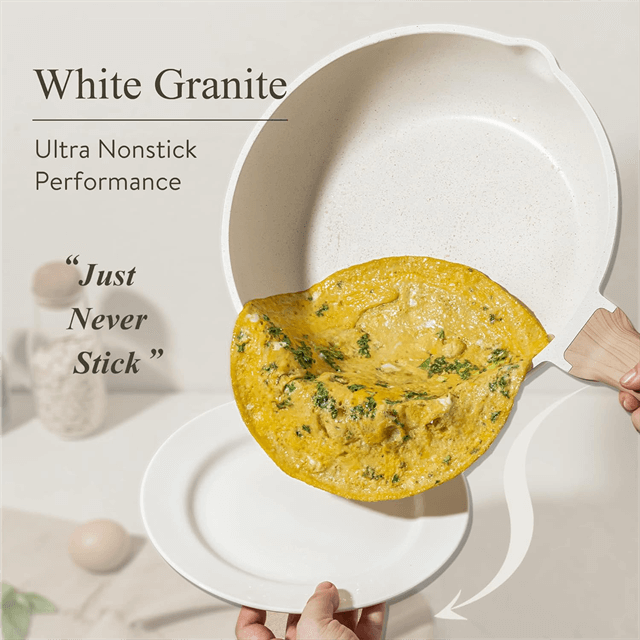
Modern buyers look beyond durability; they demand chemical safety and sustainability. This shift has introduced new criteria for evaluating kitchen tools.
Plastic components require strict scrutiny. BPA Free Kitchenware is essential for any item containing resins or plastics. Bisphenol A (BPA) is a known endocrine disruptor that mimics estrogen. It is particularly dangerous when plastics are heated, which causes the chemical to migrate into food.
We also see a massive shift away from traditional non-stick coatings towards PFAS/PTFE/PFOA Free options. Traditional non-stick pans often rely on "forever chemicals." When these pans overheat (above 500°F), they degrade and release toxic fumes. Safe alternatives, such as ceramic coatings or seasoned iron, avoid this risk entirely.
True sustainability is often misunderstood. While bamboo and biodegradable plastics are popular, durability is the most eco-friendly trait. A 304 stainless steel pan that lasts 20 years is more sustainable than a bamboo bowl you replace every year. Long-lasting tools reduce landfill waste and manufacturing energy.
When selecting wood or paper products, look for ecofriendly kitchenware certifications like FSC (Forest Stewardship Council). This ensures the wood comes from responsibly managed forests, protecting biodiversity while providing safe tools for your kitchen.
Customization is a major trend, but it carries hidden risks. When you order personalized kitchenware with engravings or prints, you must ensure the process does not compromise safety. Laser etching that cuts too deep can damage protective coatings, exposing the reactive metal underneath. Similarly, printed inks must be food-grade and heat-resistant to prevent peeling into the food.
Finding a reliable supplier is as critical as choosing the right material. A good manufacturer acts as a partner in compliance.
Ask for the right documentation. Do not settle for a generic certificate of compliance. Ask for raw material certificates, also known as mill test reports. These documents prove the chemical composition of the steel or plastic before it was molded.
A competent supplier should articulate the difference between simple compliance and Quality Assurance (QA). Compliance means passing a test once. QA means they have systems to ensure every batch meets that standard. This consistency is vital for maintaining a Cutlery Set production line that remains safe over years of volume.
You can catch many issues with a physical inspection. First, check the Surface Finish. The smoothness, often measured as an Ra value, matters for hygiene. Rough surfaces trap food particles and encourage the growth of biofilms—bacteria colonies that are hard to kill.
Next, check Design Integrity. Look at rivets, handles, and rims. Are there gaps where food residue can accumulate and rot? A truly food-safe design is seamless or easy to disassemble for deep cleaning.
Investing in higher-grade materials affects your Total Cost of Ownership (TCO). Food-grade materials like 316 stainless steel cost more upfront. However, they prevent premature replacement costs due to corrosion. More importantly, they avoid the catastrophic costs associated with liability, lawsuits, or product recalls caused by unsafe materials.
Safety is not permanent. Even the best food-grade materials can become unsafe if mistreated. Maintenance is what keeps sustainable kitchenware functional and hygienic.
Stainless Steel: While tough, it is not invincible. Avoid using bleach or cleaners with high chloride content. These chemicals attack the passive oxide layer, leading to pitting corrosion. Once pitted, the surface is no longer sanitary.
Cast Iron: Never soak cast iron in water for extended periods. The seasoning layer is the only thing standing between your food and rust. If the seasoning is stripped, re-season it immediately to restore its food-safe status.
Non-Stick/Ceramic: Thermal shock is the enemy here. Do not plunge a hot pan into cold water. This rapid contraction causes the coating to crack or flake. Avoid metal utensils that scratch the surface, as ingesting coating flakes is a health risk.
Knowing when to let go is crucial for safety. You should retire plastic or BPA free kitchenware if it has deep scratches, as these become bacterial harbors that dishwashers cannot clean. Copper pans with exposed linings must be re-tinned or discarded. If your stainless steel develops persistent rust spots, it indicates low-grade material or passivation failure, and it should be replaced.
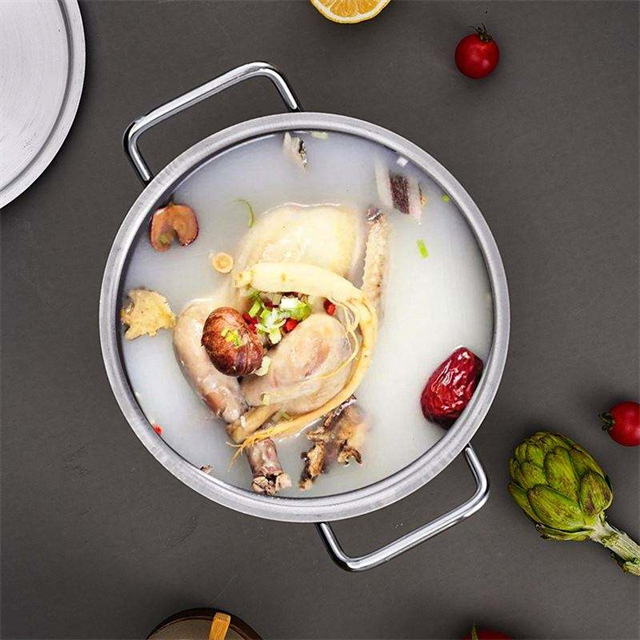
Food-grade kitchenware represents an intersection of chemistry, engineering, and diligent maintenance. It is not just a label on a box; it is a continuous state of material integrity. From the molecular composition of 304 stainless steel to the seamless design of a ladle, every detail impacts safety.
For buyers, the path forward is transparency. Prioritize material composition—specifically looking for grades like 18/10 or 316—over generic marketing terms. Investing in verified food-grade equipment safeguards health and ensures commercial compliance. We encourage you to audit your current inventory using the "Magnet Test" or review your supplier’s material certifications today.
A: No. While most stainless steel is hygienic, grades like 304 (18/8) and 316 are specifically designated for food contact due to their resistance to acid and corrosion. Lower grades (like 200 series) may rust and leach metals, making them unsuitable for long-term food use.
A: Look for the specific "BPA Free" icon on the product or packaging. However, for total safety, prioritize inert materials like stainless steel, glass, or platinum-grade silicone, which naturally do not contain BPA.
A: Both are Grade 304 stainless steel. The numbers refer to the percentage of Chromium and Nickel. 18/10 has slightly more nickel (10%) than 18/8, offering marginally better corrosion resistance and polish retention, but both are excellent food-grade options.
A: Raw aluminum reacts with acidic foods (like tomatoes), leaching metal that can alter taste and pose health concerns. It is only considered food-safe when it is anodized (hardened) or coated with a non-stick or stainless steel layer.
A: Not automatically. "Eco-friendly" refers to the environmental impact (biodegradability), while "Food Safe" refers to toxicity and hygiene. For example, an unsealed wooden bowl may be eco-friendly but can harbor dangerous bacteria if it absorbs raw meat juices.
