




Call Us Now
Phone:
+86-137-2797-2500 
Views: 0 Author: Site Editor Publish Time: 2025-09-16 Origin: Site
Welcome to your first camping adventure! When you pack the right Camping Cooking Gear, you set yourself up for delicious meals and good times. Studies show that having the right tools helps you prepare meals that keep you healthy and happy outdoors. Think about what you need for your own camping trip.
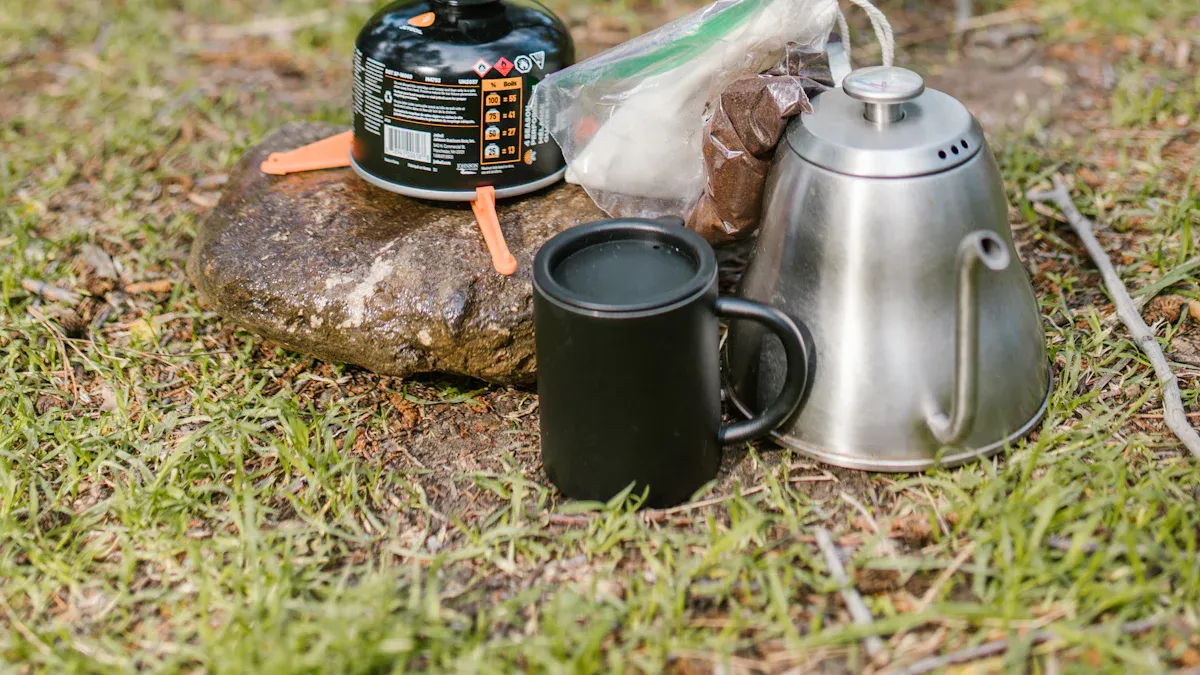
You need a good camp stove to cook food and boil water. Pick a light canister stove because it is easy to use and clean.
Bring the right pots and pans for your group size. Hard-anodized aluminum or stainless steel are strong and safe to use.
Remember to pack utensils that can do many jobs and plates you can use again. These save space and cut down on trash, so camping is better for nature.
Getting ready for your first camping trip? Picking the right camping cooking gear makes outdoor meals easy and fun. Here’s a breakdown of the most important cooking items you should pack and why each one matters.
A camp stove is the heart of your outdoor kitchen. You need a reliable stove to boil water, cook meals, and make hot drinks. Many first-time campers choose canister-top stoves because they are simple, lightweight, and easy to use. You just screw the stove onto a fuel canister, turn the knob, and light it. Other popular options include remote canister stoves, stove systems, wood-burning stoves, alcohol stoves, and liquid fuel stoves. Canister stoves stand out for their low maintenance and quick setup, making them a favorite for beginners. You will find that a good camp stove lets you cook almost anything, even in windy or damp conditions.
Cooking pots are a must-have for boiling water, making soup, or cooking pasta. The best pots for camping are made from hard-anodized aluminum, stainless steel, or cast iron (if you have space in your car). These materials last a long time and are safe for food. If you camp alone, a small pot (0.75-1.5 liters) works well. For groups, you need a bigger pot (2+ liters). Check out this table to help you choose the right size:
Number of Campers | Recommended Pot Size |
|---|---|
1-2 People | 0.75-1.5 liters |
2-3 People | 1.5-2 liters |
3+ People | 2+ liters |
Choosing the right pot size saves space and makes cooking easier.
A pan or skillet lets you fry eggs, cook pancakes, or sear meat. Cast iron pans are a top pick for camping because they last forever and cook food evenly. They hold heat well, so your food stays warm even after you take it off the fire. Cast iron also adds flavor to your meals. If you want something lighter, look for pans made from aluminum or titanium. These are easy to carry but may not cook as evenly as cast iron. A good skillet gives you more options for campsite cooking.
You can’t cook without the right utensils. Pack a large spoon, spatula, tongs, and a sharp knife. A small cutting board helps with food prep. Multi-purpose utensils, like a spoon that doubles as a spatula, save space in your camping gear. You might also want a bottle opener, can opener, or corkscrew. These tools make meal prep simple and keep your hands safe.
Tip: Multi-purpose utensils help you pack lighter and stay organized.
Reusable plates and bowls are essential camping items. They cut down on waste and are better for the environment than paper or Styrofoam. Look for plates made from plastic or stainless steel. These materials survive drops and rough use. Stainless steel plates last for years and can even be passed down to other campers. Bringing your own reusable dishes helps keep campsites clean and green.
You need silverware for eating all those tasty meals. Titanium cutlery sets, like the TOAKS Titanium 3-Piece, are light and strong. Sporks, such as the Light My Fire Titanium Spork, combine a spoon, fork, and knife in one tool. These are great for saving space. Reusable silverware means less trash and a cleaner campsite. Using your own utensils also supports sustainable camping.
Aluminum foil is a camping superstar. You can wrap food in foil and cook it right over the fire. Foil packs are easy to make and clean up. Just toss the used foil when you’re done. Foil keeps food moist, locks in flavor, and helps with even cooking. You can use it to grill veggies, bake potatoes, or make desserts. It also helps keep food fresh by blocking air and moisture.
Starting a fire can be tricky, especially if you’re new to camping. Fire starters make it easy and safe. Here’s a quick look at some popular options:
Fire Starter Type | Features | Pros | Cons |
|---|---|---|---|
Pressed Fire-Starting Squares | Made of wax and wood fibers, easy to ignite with a match. | Handy for beginners, easy to use. | May struggle to stay lit, requires multiple for sustained fire. |
Tumbleweed-Style Fire Starters | Burns quickly, may need several to ignite firewood. | Reliable and easy to use. | Not cost-effective, burns quickly. |
Cup-Style Fire Starters | Small, filled with wood shavings and wax, burns for over 15 minutes. | Only one needed, eco-friendly, reliable. | None mentioned. |
Lighter Fluid | Quick ignition for damp wood, burns for 30 seconds to a minute. | Fast and effective in tricky conditions. | Highly flammable, not long-lasting. |
Fire starters help you light fires fast, even in tough weather. They also lower the risk of accidents and save time.
Hot pots and pans can burn your hands. Pot holders protect you from heat and make it safer to move cookware around the fire or stove. Silicone holders fit snugly on handles and give you a good grip. They work with many types of camping cooking gear and help prevent spills and burns.
Keeping food fresh and safe is a big part of camping. Use airtight containers to store snacks and leftovers. Coolers keep meat and dairy cold. In bear country, use bear-proof containers or hang your food in a bear bag. This keeps animals away from your campsite and protects your food. Odor-proof bags add another layer of safety by hiding food smells.
Note: Always store food away from your tent to avoid attracting wildlife.
Campingmoon Aluminum Cookware Set – Lightweight, non-stick, and compact.
GSI Outdoors Pinnacle Camper Cookset – A full cookware kit that includes pots, pans, plates, and utensils.
Lodge Cast Iron Skillet – The best choice for cooking over an open fire.
Packing these essential cooking items ensures you have everything you need for a safe, tasty, and fun camping experience. With the right camping cooking gear, you can focus on enjoying the outdoors and making great memories.
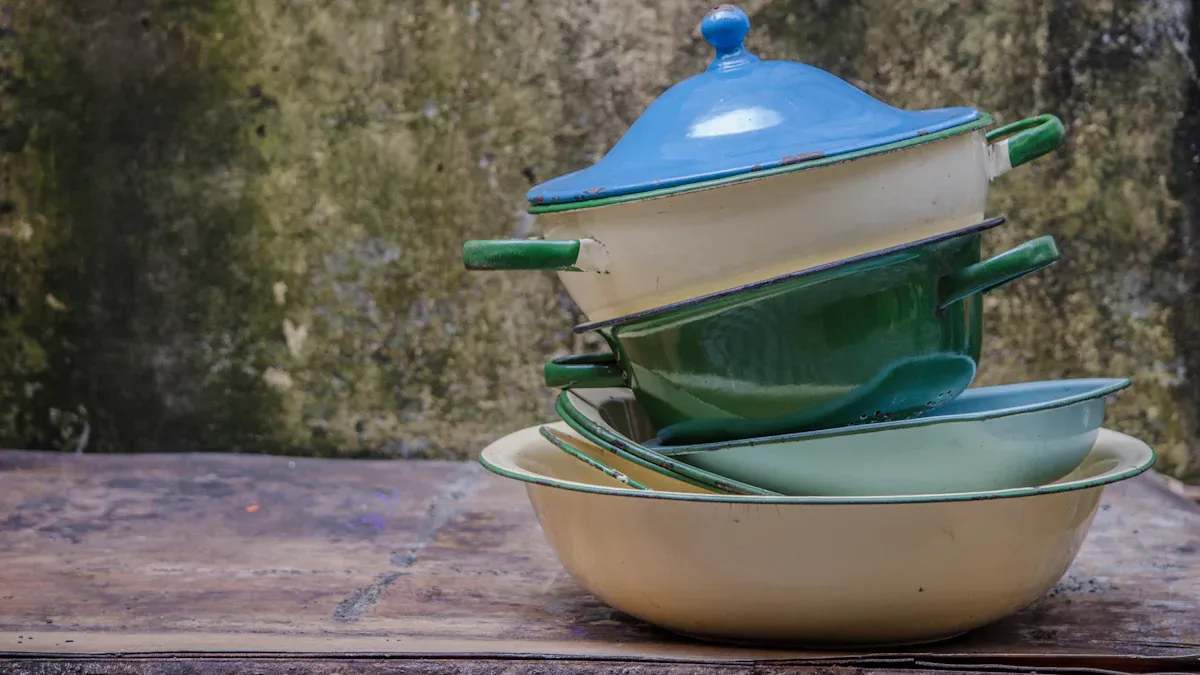
Packing for a camping trip can feel overwhelming, but you can make it simple with a few smart tricks. Try nesting your cooking utensils inside pots and pans. This keeps everything together and saves space in your bag. Choose lightweight gear made from aluminum or titanium. These materials make carrying your camping kitchen much easier. Look for cookware sets that stack neatly. Many camping sets include pots, pans, and utensils that fit inside each other. You can also streamline your equipment by bringing only what you need. Multi-purpose items, like a spork or a pot that doubles as a bowl, help you pack less.
Tip: Fill empty spaces in your bag with small camping items, like a lighter or a sponge.
Food safety is super important when you’re camping. Always keep raw meat away from ready-to-eat foods. Use a cooler with ice packs to keep food below 40°F. This keeps your food out of the “Danger Zone,” where bacteria can grow fast. Clean your hands and surfaces before you start cooking. Use a food thermometer to check that meat is cooked all the way through. Marinate food in the cooler, not on the picnic table. If you reuse marinade, boil it first to kill germs. Store food in sealed containers to keep it fresh and safe from animals.
Cleaning up after meals helps keep your camping spot tidy and safe. Use a collapsible dish basin to wash dishes. This saves water and keeps the mess in one place. If you run low on water, scrub pots with sand or snow, then rinse with hot water. Let your cooking gear air-dry to stop germs from growing. Choose biodegradable soap to protect the environment. These soaps break down naturally and keep the camping area clean for everyone.
When you pick out cooking gear for your camping trip, you want items that make life easier at the campsite. Start by thinking about how you will cook and what meals you want to make. Some key things to look for include:
Teflon-coated nonstick pans work well over a fire and make cleanup simple.
Cast iron frying pans and Dutch ovens let you cook many types of food, from breakfast to dinner.
Silicone cooking utensils are lightweight and will not scratch your pots or pans.
A sharp knife helps you cut veggies, fruit, and meat with ease.
A fabric organizer keeps your utensils in one place, so you do not lose them.
A camp kitchen box helps you store all your cooking gear in an organized way.
You should also think about the weight and size of your gear. Backpackers need lightweight and compact items, while car campers can bring bigger options. Check the fuel type for your stove—propane, butane, liquid fuel, or wood-burning. Look at the BTU output to see how powerful your stove is.
If you are new to camping, you want gear that is easy to use and carry. Here are some beginner-friendly choices:
Single-burner stoves are light and simple, perfect for solo campers.
Multi-burner stoves let you cook more than one dish at a time, great for groups.
Backpacking stoves are ultra-lightweight and fit in small spaces.
Canister stoves are popular because they use pre-filled fuel and are easy to set up.
Liquid fuel stoves work well in cold weather or at high altitudes.
Pick gear that matches your camping style. If you plan to hike a lot, go for lighter items. If you drive to your campsite, you can bring heavier cookware. The right camping cooking gear helps you enjoy tasty meals and makes your trip more fun.
You now know which gear makes outdoor meals easy and safe. Plan ahead and pick tools that match your style. Careful prep leads to better food and fewer worries. Remember, every camping trip gets easier. Go out, cook something tasty, and enjoy your first adventure!
You can use biodegradable soap, warm water, and a sponge. Scrub your camping pots and pans, rinse well, and let them air-dry before packing.
Pack a cooler with ice packs. Store your camping food in airtight containers. Keep the cooler in the shade. Open it only when you need something.
Yes, you can. Wrap food in foil and place it in the coals. Use a stick or skewer for roasting. Always follow camping fire safety rules.
