


Call Us Now
Phone:
+86-137-2797-2500 
Views: 0 Author: Site Editor Publish Time: 2025-11-20 Origin: Site
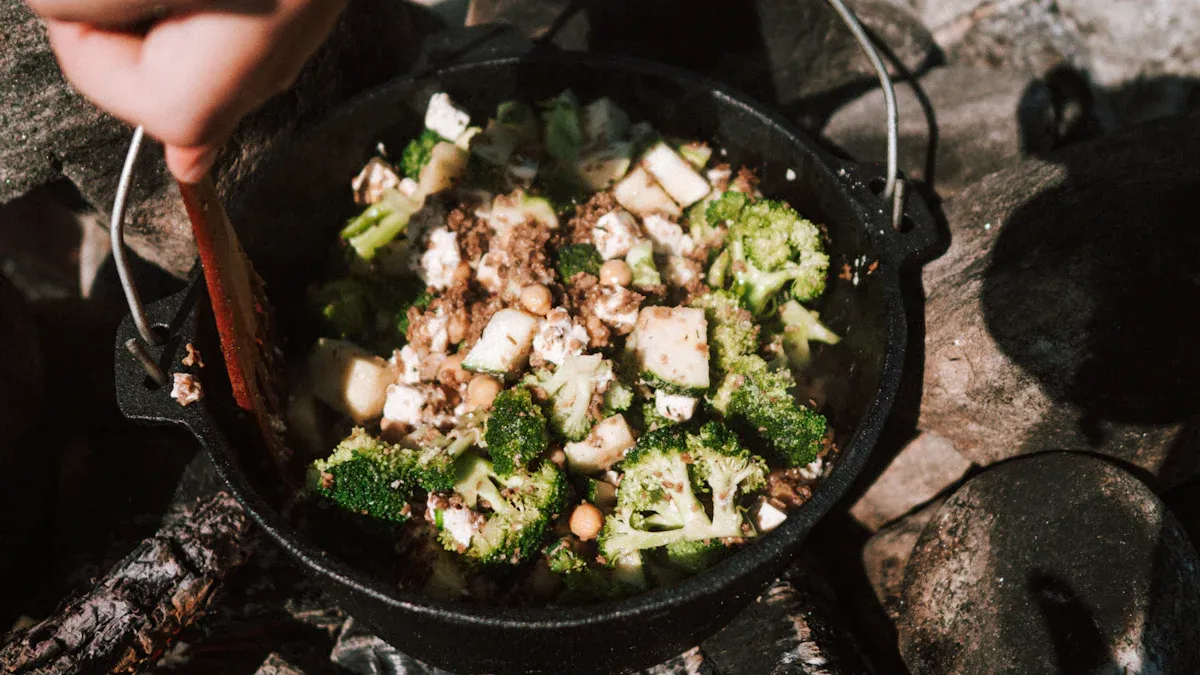
Cooking over camping fire pits brings a sense of adventure to your meals. You get to enjoy fresh air, the crackle of fire, and the satisfaction of making food outdoors. Most campers try this at least once, but only about 30% do it often, while 60% give it a go now and then:
Cooking Experience | Votes | Percentage |
|---|---|---|
No, I've never done such a thing | 2 | 10.0% |
I've done it once or twice, but it's not a regular thing | 12 | 60.0% |
I've done it many times | 6 | 30.0% |
If you feel nervous, you’re not alone. Many beginners struggle with fire control, uneven heat, or missing tools. You can overcome these challenges with some simple tips, a little practice, and the right gear—especially when you trust a reliable name like BINSLY.
Pick the right gear for cooking over camping fire pits. You need cast iron pans, grill grates, and cleaning supplies.
Set up your fire in a safe way. Use a fire pit made for this. Keep water close by. Never leave the fire alone.
Use easy cooking methods like grilling or foil packs. These ways are simple and make your food taste better.
Prepare your ingredients at home to save time. This also helps cut down on waste. Pre-cooked proteins make meals faster and easier.
Always clean up well after you cook. Let the fire cool down. Throw away ash in a safe way. Make sure the fire is out before you leave.
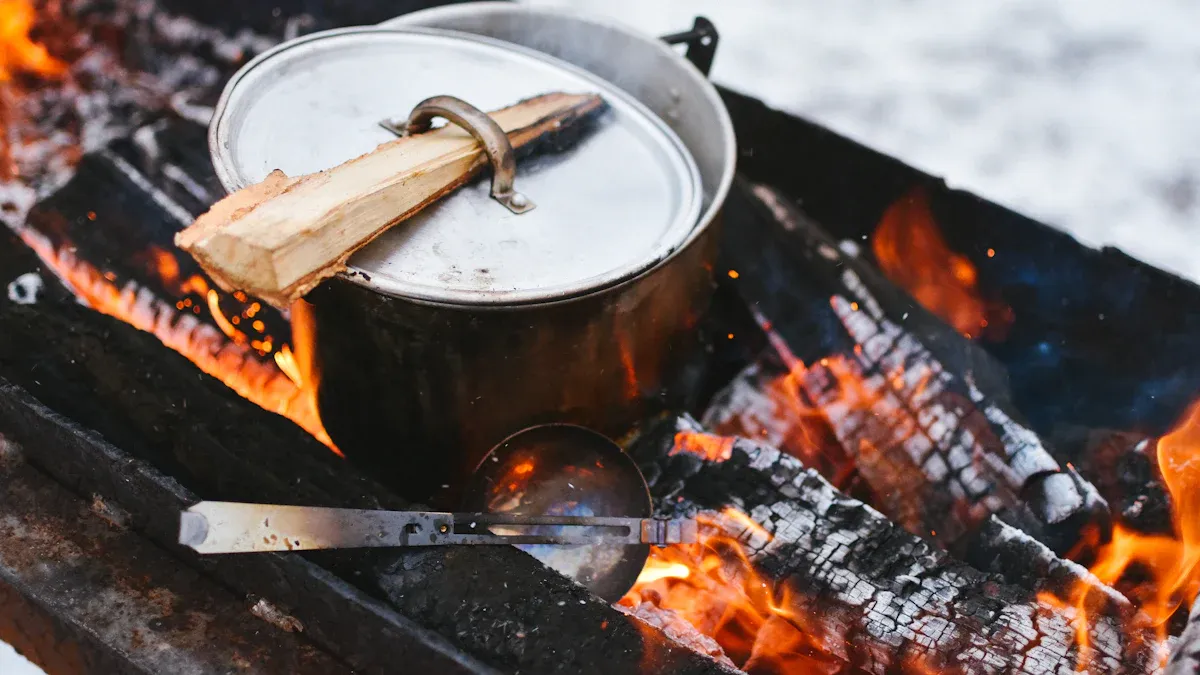
Getting the right gear makes cooking over camping fire pits much easier and more fun. You do not need a fancy kitchen to make great meals outdoors. With a few smart choices, you can cook almost anything right at your campsite.
You want to pack tools that help you cook safely and efficiently. Outdoor experts recommend these essentials:
Cast iron or heavy-bottomed stainless steel pans for durability and even heat.
Electric bellows to help start your fire quickly.
Pit mitts and cooking gloves for safe handling of hot items.
Firewood tongs to move logs without burning your hands.
A camping storage box to keep everything organized.
Utensils like forks, knives, spatulas, plates, and cups.
Cleaning supplies and extra water for washing up.
A meat thermometer to check if your food is cooked through.
Tin foil for making easy foil pack meals.
A cooler and Tupperware for keeping food fresh and storing leftovers.
A coffee percolator and camp mug for hot drinks by the fire.
Tip: Always bring a small cleaning kit. It makes packing up after meals much faster.
Grill grates and Dutch ovens are top choices for cooking over camping fire pits. They give you more control and let you try different recipes. Here’s how they help:
Feature | Description |
|---|---|
Heat Control | You can place coals under or around a Dutch oven for steady cooking. |
Stability | Grill grates and Dutch ovens sit securely above the fire. |
Windbreak | Ember guards keep ash in place and help food cook evenly. |
Versatility | Use them for grilling, baking, or simmering stews and soups. |
Many grill grates have adjustable legs and fold down for easy storage. This makes them perfect for travel and quick setup.
Cast iron pans and foil packs are favorites for campfire cooking. Cast iron holds heat well and lasts for years. Foil packs make cooking simple and cleanup easy. You just wrap your ingredients in foil, place them on the coals or grill, and wait for your meal to cook. Foil packs work with many foods and need only a few tools—just foil, tongs, and a heat source. They are also budget-friendly.
When you choose reliable gear, you set yourself up for success. BINSLY, with nearly 20 years of experience and a strong reputation, offers quality products for camping fire pits. Their commitment to good prices and first-class service means you can trust your gear to perform every time you cook outdoors.
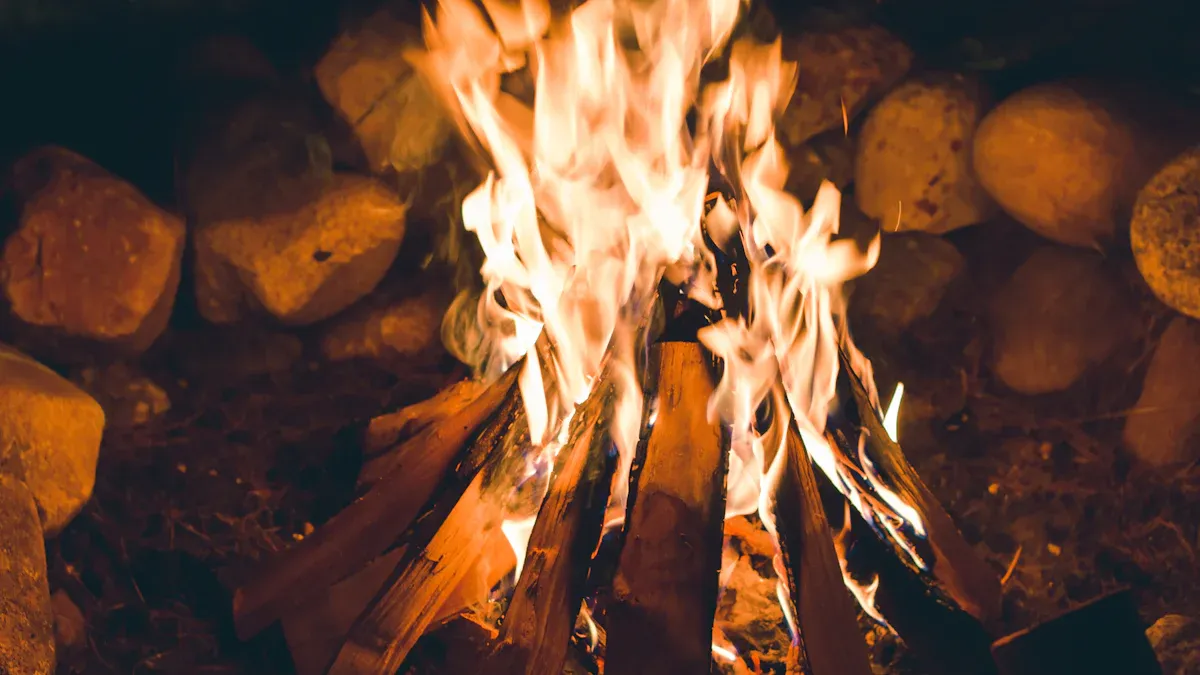
Cooking over a campfire starts with a safe and steady setup. You want your fire to work for you, not against you. Here’s how you can get started:
Pick a safe spot for your fire pit. Look for a clear, flat area away from trees and dry grass.
Use a fire bowl if you can. This protects the ground and keeps your fire contained.
Before you light anything, soak the area around your pit with water. This helps stop the fire from spreading.
Keep a bucket of water close by. You can put out any flare-ups fast.
Never leave your fire alone. Stay close and keep an eye on it at all times.
Tip: Always check if campfires are allowed where you camp. Some places have fire bans or special rules.
You want your fire to burn hot and steady. Start early, since it can take 30 to 45 minutes for the fire to reach good cooking conditions. Split your logs into smaller pieces to help them catch fire faster. Choose dry hardwoods like oak, hickory, apple, or cherry. These woods burn longer and give you even heat.
Here’s a quick look at materials for fire pits:
Material | Durability & Maintenance | Heat Retention Properties | Fuel Types |
|---|---|---|---|
Carbon Steel | Durable, low-maintenance | Excellent heat resistance | Wood, Gas |
COR-TEN Steel | Weather-resistant | Good heat retention | Wood, Natural Gas, Propane |
Stainless Steel | High durability | Good heat retention | Wood, Gas |
Concrete | Highly durable | Good heat retention | Natural Gas, Propane |
Marine-grade Polymer | Durable, rot-resistant | Moderate heat retention | Various colors available |
Natural Stone | Highly durable | Excellent heat retention | Wood, Gas |
Let your fire burn down to glowing coals before you start cooking. Cooking over open flames can burn your food and make it taste bitter.
Stay safe every time you use camping fire pits. Here are some important reminders:
Only use dry, seasoned wood. Avoid green or fresh wood, which makes too much smoke.
Never cook directly over big flames. Wait for a bed of hot coals.
Keep the area around your fire pit clear of leaves, sticks, and other flammable stuff.
Watch kids and pets. Keep them away from the fire.
Always put your fire out completely when you finish. Use water, sand, or dirt.
If you want reliable gear for your next campfire meal, BINSLY has you covered. With nearly 20 years of experience and a large, modern factory, BINSLY controls every step of production. You get quality products at great prices, backed by first-class service. Your outdoor cooking adventures just got easier!
Cooking outdoors gives you many ways to prepare tasty meals. You can grill, use foil packs, cook with a Dutch oven, or even place food right in the coals and ash. Each method brings its own flavor and fun to your camping experience.
Grilling is one of the most popular ways to cook over camping fire pits. You get smoky flavors and crispy textures. Here’s how you can grill like a pro:
Build a log cabin fire with three layers of logs. Place tinder and kindling in the center.
Light the fire with long matches or a butane lighter. Let it burn down until you have a thick bed of glowing embers.
Set your grill grate over the coals. Make sure it sits steady.
Place your food on the grate. Watch the heat and avoid too much smoke.
Use long-handled tongs and heat-resistant gloves for safety.
Keep a spray bottle of water nearby for flare-ups.
Add more wood if you need extra heat, but start another fire to shuttle coals if possible.
Watch your food closely. Dripping fat can cause flames.
When you finish, use a bucket of water or dirt to put out the fire.
Tip: Grill meats like steak right on the coals for a smoky taste. Vegetables also cook well on the grate and pick up great flavor.
Here’s a quick look at popular cooking methods for camping fire pits:
Cooking Method | Description |
|---|---|
Grill Grate | Lets you cook food directly over the fire, perfect for grilling meats and veggies. |
Dutch Oven | Great for simmering stews and soups using coals or wood embers. |
Skillet and Griddle | Works well for frying or sautéing, placed on coals or a grate. |
Camp Cooking on a Stick | Roast hotdogs, marshmallows, or kabobs using sticks. |
Pie Irons | Make sandwiches or desserts over the fire, often on a stick. |
Rotisserie | Cook meats evenly over the fire, good for larger cuts. |
Wood Stove | Use wood as fuel for different cooking needs while camping. |
Foil packs make campfire cooking easy and cleanup quick. You can prepare meals ahead of time and cook them right on the coals.
Lay out a sheet of heavy-duty tin foil, at least 12 inches long.
Place your food in the center. Add oil, butter, and seasonings.
Bring the long edges together and fold them to create a lip. Leave space for heat to move inside.
Fold the lip over again to seal the top.
Press and fold the short edges to seal the sides.
Make sure the pouch is tightly sealed.
Cook foil packs on a bed of mature coals, not flames.
Add high-moisture vegetables like onions or peppers to keep food juicy.
Rotate the packets for even cooking.
Always add a splash of water or broth to prevent drying out.
Tip: Try diced vegetables, your favorite protein, and a pat of butter for a simple foil dinner.
Dutch ovens let you cook almost anything over camping fire pits. You can bake, braise, or simmer. Managing heat is key.
Place hot coals under and on top of the Dutch oven for even cooking.
Use rocks or a fire ring to block wind and keep heat steady.
Hang the Dutch oven from a tripod for adjustable heat during long cooking times.
Monitor coal temperature and placement for best results.
Classic Dutch oven recipes include:
Chicken pot pie
Campfire enchiladas
Dutch oven pot roast
Chili with cornbread
Tater tot casserole
Shepherd’s pie
Cowboy stew
Dutch oven pizza
Loaded nachos
Lazy lasagna
Mountain Man breakfast casserole
Cinnamon rolls
Cobbler
Note: Dutch ovens work well for breakfast, dinner, and dessert. You can make soups, stews, pasta, and even baked goods.
Cooking right in the coals and ash brings out deep flavors. You need a good bed of coals and heavy-duty foil.
Dig a fire pit at least 8-10 inches deep and about 2.5 feet square.
Build a fire and let it burn down to create a level bed of hot coals.
Prepare your meal by placing meat, vegetables, and seasonings in foil. Seal the packet tightly.
Place a few coals on the ground. Lay the foil packet on top. Cover with more coals.
Wait about fifteen minutes. Rotate the packet for even cooking.
Foods that work well in coals and ash:
Diced vegetables
Chicken, beef, or fish
Butter, salt, and pepper
Foil packets with potatoes, carrots, and onions
Tip: Use only a few coals to avoid burning your food. Rotate packets to cook evenly.
Cooking over camping fire pits gives you many choices. You can grill, bake, or roast with simple tools and fresh ingredients. If you want reliable gear for your next trip, BINSLY offers quality products made in their own factory. With almost 20 years of experience and a strong team, BINSLY controls every step of production and keeps prices competitive. You get first-class service and products you can trust. Your outdoor meals will taste even better when you use gear from a company that cares about your camping experience.
You can make campfire cooking much easier by prepping your ingredients before you leave home. When you chop, measure, and pack food ahead of time, you save time at the campsite and reduce stress. Prepping also helps you cut down on waste and keeps your meals organized. Here’s a handy table to help you plan:
Tip | Description |
|---|---|
Pre-plan meals | Make a meal plan so you bring only what you need and avoid waste. |
Pre-cook ingredients | Cook rice or pasta at home and pack in resealable bags for quick meals. |
Pack strategically | Use a checklist to remember all your tools and ingredients. |
Use frozen meals as ice | Freeze meals to keep your cooler cold and food fresh. |
Store food properly | Use airtight containers or bear bags to keep food safe from wildlife. |
Minimize waste | Pre-portion meals and use reusable dishware to cut down on trash. |
Tip: Prepping at home means you spend less time cooking and cleaning, and more time relaxing by the fire.
Bringing pre-cooked proteins like chicken, sausage, or tofu makes camp meals quick and safe. You just heat them up over the fire. This method saves you time, reduces the number of dishes, and lets you enjoy more of the outdoors. You can also freeze cooked proteins and use them as ice packs in your cooler. That way, your food stays cold and fresh longer.
Pre-portion proteins in sealed bags.
Use them in wraps, salads, or foil packs.
Enjoy less mess and faster meals.
Cleaning up after cooking over camping fire pits keeps your campsite safe and the environment healthy. Always let the fire pit cool before you start cleaning. Here’s a simple cleanup routine:
Wait until the fire pit is completely cool.
Use gloves and a shovel to remove ash and debris.
Mix warm soapy water and scrub the fire pit with a stiff brush.
Rinse with clean water and let it dry.
Dispose of cooled ash in a heat-resistant bin. Never use plastic or cardboard.
Note: You can add cooled wood ash to your garden or compost. Coal ash should go in the trash once it’s cold.
Always make sure your fire is out before you leave. Wet all ashes to confirm the fire is fully extinguished. This helps protect the environment and keeps everyone safe.
If you want reliable gear for your next trip, BINSLY offers quality products made in their own factory. With nearly 20 years of experience and a strong team, BINSLY controls every step of production and keeps prices competitive. You get first-class service and products you can trust for every outdoor meal.
Cooking over camping fire pits is simple when you follow a few key steps. Start with a safe fire setup, use the right tools, and try easy methods like grilling or foil packs. You get to enjoy smoky flavors, connect with nature, and share meals with friends.
Always use a designated fire pit and never leave your fire unattended.
Bring essentials like a grill grate, cast iron skillet, and cleaning supplies.
Try direct grilling or skewer cooking for quick meals.
Campfire cooking brings people together and builds skills you can use anywhere outdoors. With quality gear from Chaozhou Binsly Stainless Steel Manufactory, you can trust every meal will be a success. Give it a try on your next trip—you might discover a new favorite way to cook!
You should cook over hot coals, not flames. Move your food often and use a grill grate or cast iron pan. Keep a close eye on your meal and adjust the heat by shifting coals.
Try hot dogs, sausages, foil pack veggies, or marshmallows. These foods cook quickly and don’t need much prep. You can also grill burgers or toast bread for simple campfire meals.
No, regular pans can warp or get damaged. Use cast iron or heavy-duty camping cookware. These pans handle high heat and last longer outdoors.
Let the fire cool. Use gloves to remove ash and leftover food. Wash your cookware with warm, soapy water. Store trash in sealed bags to keep animals away.
You get quality and value with BINSLY. The company has nearly 20 years of experience, its own factory, and a skilled team. BINSLY controls every step, so you enjoy great prices and first-class service. Your outdoor cooking just got easier!
