




Call Us Now
Phone:
+86-137-2797-2500 
Views: 0 Author: Site Editor Publish Time: 2026-02-09 Origin: Site
Storing rice in an airtight, moisture-proof Rice Storage Containerkeeps your grains fresh and safe from pests. Moisture can cause rice to spoil and attract insects, but hermetic storage methods protect against these problems by blocking air and water. Traditional bags often let in air and bugs, but modern containers prevent infestations and keep rice tasting its best. Take a look at how you store rice now. Do you want to improve freshness or make your kitchen safer and more organized?
Use airtight, moisture-proof containers to keep rice fresh and safe from pests.
Proper storage can extend the shelf life of white rice up to 30 years compared to just 4-5 years in standard packaging.
Choose BPA-free materials for your rice storage containers to ensure food safety.
Regularly clean and inspect your containers to prevent contamination and spoilage.
Store different types of rice appropriately; for example, refrigerate brown rice to extend its shelf life.
You may not realize how quickly rice can spoil if you leave it in standard packaging. Moisture and air can enter, causing bacteria to grow and toxins to form. Food safety organizations warn that improper rice storage can lead to two main health risks:
Emetic Syndrome: You might experience nausea, vomiting, and stomach cramps within hours after eating contaminated rice.
Diarrheal Syndrome: Diarrhea and abdominal pain can develop several hours after consumption due to toxins produced in the intestines.
Pests also pose a threat to your rice. If you store rice without protection, you could find these common invaders:
Rice weevil (Sitophilus oryzae)
Angoumois grain moth (Sitotroga cerealella)
Lesser grain borer (Rhyzopertha dominica)
These pests can ruin your rice and make it unsafe to eat.
A comparison of shelf life shows how much difference a proper Rice Storage Container can make:
Type of Rice | Shelf Life in Standard Packaging | Shelf Life in Specialized Containers |
|---|---|---|
White Rice | 4-5 years | Up to 30 years |
Wild Rice | Upwards of 10 years | Up to 30 years |
Brown Rice | Up to 6 months | 1-2 years if frozen |
You protect your rice from mold and pests when you use a sealed container. Airtight containers keep moisture out, so your rice stays fresh and safe. You avoid ventilation problems that can attract insects and spoil your food.
Tip: The quality of your container affects how long your rice lasts. Investing in a good Rice Storage Container helps you maximize shelf life and maintain food safety.
You also make your kitchen more organized and efficient. You spend less time worrying about spoilage and more time enjoying meals with your family.
Choosing the right Rice Storage Container helps you keep your rice fresh, safe, and easy to access. You should look for containers with features that protect your food and make your kitchen more organized. Let’s explore the most important features you need.
An airtight seal is the first line of defense against spoilage and pests. When you use a container with a strong seal, you block out air and moisture. This keeps your rice dry and safe from insects. The Binsly Rice Storage Container uses a precision-engineered locking lid to create a hermetic seal. This seal locks in freshness and flavor for months.
Laboratory tests show how different containers perform:
Container Type | O₂ Permeability (cc/m²·day) | UV Blockade | Max Safe Duration (Brown Rice) | Key Risk |
|---|---|---|---|---|
Food-grade Mylar bag + O₂ absorber | <0.01 | Complete | 24+ months (white rice, 68°F) | Improper sealing → failure |
Stainless steel canister (silicone gasket) | <0.5 | Complete | 6 months (refrigerated) | None—gold standard for brown rice |
Clear PET plastic jar (snap lid) | 180 | None | 4 weeks | Photo-oxidation, rapid rancidity |
You can see that containers with a tight seal and low oxygen permeability keep rice fresh much longer. The Binsly container’s airtight design helps you avoid the risks of spoilage and pests.
Moisture is one of the biggest threats to rice. If water gets into your container, mold and bacteria can grow. A moisture-proof Rice Storage Container keeps your grains dry, even in humid kitchens. The Binsly container uses a sealed system to block out water and humidity. This means you do not have to worry about clumping or bad smells.
Vacuum-sealed containers also help protect rice from moisture. When you remove air, you slow down spoilage. Here is a comparison of how vacuum-sealed storage extends rice shelf life:
Type of Rice | Storage Method | Normal Shelf Life | Vacuum Shelf Life |
|---|---|---|---|
White Rice | Pantry | 1-2 Years | 2-3 Years |
Brown Rice | Pantry | 6 Months | 1 Year |
You can see that vacuum-sealed or tightly sealed containers help rice last longer.
You want to keep your food safe. That means choosing containers made from food-grade, BPA-free materials. BPA is a chemical found in some plastics that can leach into food and cause health problems. The Binsly Rice Storage Container uses high-quality, BPA-free polypropylene. This material is safe for storing food and does not absorb odors or stains. You can trust that your rice stays clean and uncontaminated.
Tip: Always check for BPA-free labels when buying any food storage container.
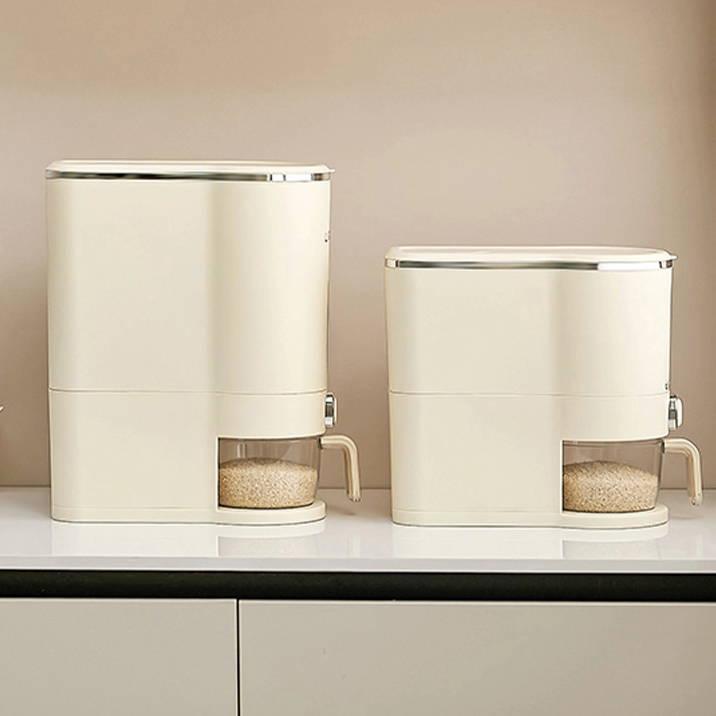
A good Rice Storage Container should help you organize your kitchen. Stackable containers let you use vertical space, so you can fit more in your pantry or cabinet. The Binsly container has a sleek, stackable design that saves space and keeps your shelves neat.
User surveys show why stackable containers are popular:
Stackable design allows for efficient use of vertical space in the kitchen.
Airtight seals help in preserving food freshness, which reduces waste.
Modular stacking enhances convenience and compatibility with various kitchen workflows.
You can also see what is inside the Binsly container because of its transparent body. This makes it easy to check your rice level at a glance. The built-in measuring cup adds even more convenience, letting you scoop out just the right amount every time.
Note: Stackable, clear containers help you keep your pantry tidy and make meal prep faster.
By choosing a Rice Storage Container with these features, you protect your rice, save space, and make your kitchen work better for you.
Choosing the right container for rice can help you keep your grains fresh, safe, and easy to access. You have several options, each with unique features. Let’s look at the most popular types and see how they compare.
Plastic containers are common in many kitchens. You find them easy to use and lightweight. The Binsly Rice Storage Container stands out because it uses BPA-free polypropylene, which is safe for food storage. You get a sealed, moisture-proof system that keeps rice fresh and prevents pests.
Here is a comparison of plastic containers:
Advantages of Plastic Containers | Disadvantages of Plastic Containers |
|---|---|
Highly durable and can withstand impact | Non-biodegradable and persistent waste |
Extremely lightweight, reducing shipping costs | Environmental pollution from plastic waste |
Superior moisture and oxygen barrier properties | Health concerns from chemical leaching |
Cost-effective due to mass production |
Certain plastics can leach harmful chemicals into food, especially when exposed to heat.
The safest plastics for food storage are those with resin ID numbers 2, 4, and 5.
You should always check for BPA-free labels. The Binsly container gives you peace of mind with its safe materials and airtight seal. You also get a transparent body, so you can see how much rice you have left.
Tip: Plastic containers like Binsly are ideal for families who need a large capacity and easy access.
Glass containers offer a classic look and strong protection for rice. You can rely on glass to keep rice fresh and secure. Tests show that glass containers maintain the quality of rice and other dry goods. The airtight seal protects food, prevents off flavors, and keeps contents dry.
Glass containers effectively keep rice fresh and secure.
The airtight seal prevents moisture and off flavors.
You may find some difficulty removing lids, but the seal keeps rice safe.
Glass does not absorb odors or stains. You can clean it easily. You see the contents clearly, which helps with kitchen organization. Glass containers work well for smaller amounts of rice and specialty grains.
Stainless steel containers are strong and reliable. You can use them for long-term storage. Stainless steel does not expose food to harmful chemicals. You get a durable container that lasts for decades.
Benefit | Description |
|---|---|
Safety | Stainless steel is 100% safe for food storage, as it does not expose food to harmful chemicals. |
Durability | Stainless steel containers are highly durable and can last for decades, unlike plastic options. |
Food Quality Maintenance | These containers are air-tight and leakproof, ensuring food remains fresh and safe for consumption. |
You protect rice from light and moisture. Stainless steel containers are best for people who want maximum durability and safety. You may not see the contents, but you get strong protection.
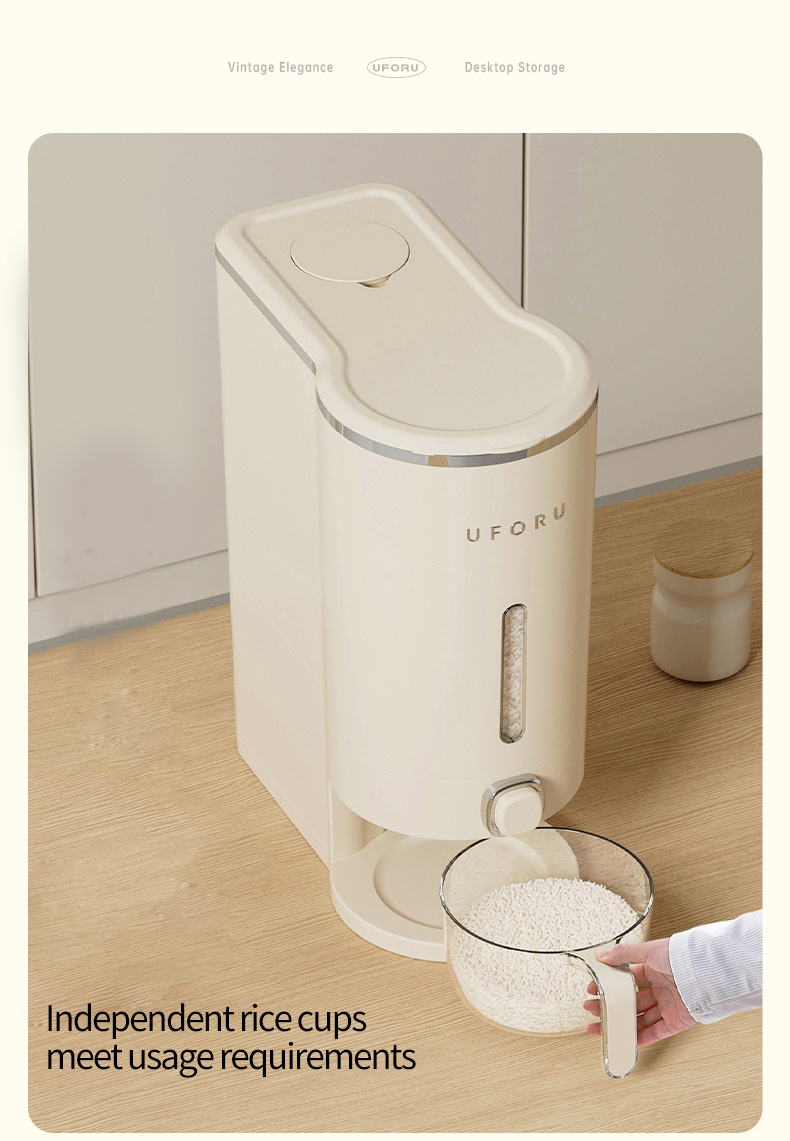
Specialty rice dispensers add convenience to your kitchen. You can quickly choose the amount of rice you need. These dispensers help with portion control and make cooking easier.
Feature | Benefit |
|---|---|
Self-Service | You can independently choose the desired amount of rice quickly. |
Portion Control | Options for different portion sizes cater to individual preferences. |
Convenience | Quick access to the exact amount of rice enhances the cooking experience. |
The Binsly Rice Storage Container includes an integrated measuring cup. You can scoop out the exact amount you need without guessing. This feature helps you manage portions and reduces waste.
Note: Specialty dispensers and containers with measuring cups make meal prep faster and more accurate.
You have many choices for storing rice. Plastic containers like Binsly offer safety, durability, and convenience. Glass containers keep rice fresh and are easy to clean. Stainless steel containers provide long-term protection. Specialty dispensers help you control portions and save time. Choose the container that fits your needs and keeps your rice safe.
You keep your rice safe by cleaning your storage containers regularly. Start by washing containers with mild detergent and warm water. Stainless steel containers need this care to prevent rust and keep their shine. Mason jars require thorough washing and drying before sealing. Sanitize all containers after each use to reduce the risk of bacteria. Check for cracks or seal issues often, especially if you store rice for a long time.
Wash and dry containers before filling them with rice.
Sanitize containers to prevent contamination.
Inspect containers for damage or seal problems.
Good sanitation prevents infestation and lowers costs. Remove old grain, trash, and debris from storage bins. Brush away spider webs and wash inside and outside surfaces with a high-pressure hose.
You extend rice shelf life by filling and sealing containers properly. Always make sure the container is completely dry before adding rice. Moisture leads to bacteria and mold. Use airtight containers or vacuum-sealed bags with oxygen absorbers for long-term storage.
Store brown rice in the fridge or freezer to keep it fresh longer.
Keep rice cool and dry to extend shelf life.
Replace oxygen absorbers each time you open the container.
You protect rice from spoilage by choosing the right storage spot. Place containers in a cool, dry area, ideally below 70°F. Avoid storing rice near heat sources or in humid places.
Use airtight containers to block moisture and pests.
Store rice in a pantry or cabinet away from sunlight.
You prevent pests by using airtight containers like Mylar bags, food-grade plastic buckets, or glass jars. Add oxygen absorbers to remove oxygen and keep rice fresh. Freeze rice for 48 hours before storing to kill insect eggs or larvae.
Store rice in a cool, dry place with stable temperatures.
Inspect rice storage regularly for signs of pests.
Rotate your stock using the "first in, first out" method.
Keeping your rice storage clean and sealed helps you avoid infestations and keeps your grains fresh for longer.
You can store white rice for a long time because it has fewer oils that spoil. The milling process removes the husk and bran, making white rice less prone to rancidity. You should keep white rice in a cool, dry place. Use an airtight container to protect it from moisture and pests.
Keep fragrant items away from rice to prevent taste absorption.
Add neem leaves, dry turmeric, bay leaves, or cloves to deter bugs and mold.
Tip: White rice is ideal for long-term storage. You can use containers like Binsly to maximize shelf life and keep your rice fresh.
Brown rice needs special care because it contains natural oils in the bran layer. These oils can oxidize and cause the rice to spoil faster than white rice.
Store brown rice in an airtight container right after purchase.
Refrigerate brown rice to extend its shelf life up to 12 months.
Freeze brown rice for up to 2 years if you want to keep it longer.
Brown rice can spoil within 3–6 months if you leave it at room temperature. You should keep it away from heat and light to prevent rancidity.
Note: Brown rice is healthier but more delicate. You must use airtight containers and cold storage to keep it safe.
You must handle cooked rice carefully to prevent bacterial growth.
Cool cooked rice to room temperature within two hours.
Store it in airtight containers.
Refrigerate for up to 4–6 days or freeze for up to six months.
Callout: Always use clean containers and refrigerate cooked rice quickly. This prevents foodborne illness.
Specialty rice, such as basmati or jasmine, has unique flavors and textures. You should store these varieties in tightly sealed containers like food-safe plastics, glass jars, or enamel-lined cans.
Use oxygen absorbers to maintain quality and prevent insects.
Store at 40°F or below for best results.
In cooler areas, rice sealed in oxygen-free containers can last up to 30 years.
Tip: Specialty rice needs careful storage to preserve its aroma and taste. Airtight containers and oxygen absorbers help you keep these grains at their best.
You can keep uncooked rice fresh for a long time if you store it properly. White rice lasts up to two years when you use an airtight, moisture-proof container and keep it in a cool, dry place. Brown rice has a shorter shelf life because it contains natural oils. You should use brown rice within six months for the best quality.
White rice can last up to 2 years under optimal storage conditions.
Brown rice typically lasts about 6 months.
Raw rice stays stable for at least one year with proper storage.
Tip: Always check the expiration date and use containers like Binsly to maximize freshness.
You need to handle cooked rice carefully to avoid foodborne illness. Store cooked rice in the refrigerator as soon as possible. Do not leave it out for more than two hours. On hot days, limit the time to one hour.
Cooked rice can be stored in the refrigerator for 4 to 6 days if kept at 40°F or cooler.
An airtight container helps maintain the quality of cooked rice for up to 4–6 days.
You should freeze cooked rice if you want to keep it longer.
Callout: Use airtight containers to prevent moisture and bacteria from spoiling your cooked rice.
You must watch for signs that rice has gone bad. Spoiled rice can cause food poisoning, so you need to check it before eating.
Changes in color or texture
Off odor or unusual taste
Slightly sour smell
Slimy or gooey texture
Risk of Bacillus cereus, which can lead to food poisoning
If you notice any of these signs, throw the rice away. You protect your health by staying alert to spoilage.
Note: Fresh rice smells neutral and feels dry. Spoiled rice smells sour and feels sticky or slimy.
You want to keep your rice fresh and safe. Use this checklist to make sure you follow the best storage practices every time.
Cool Cooked Rice Quickly
Spread cooked rice in a thin layer on a tray. This helps the rice cool fast and prevents bacteria from growing.
Portion and Seal
Divide rice into smaller amounts. Place each portion in a shallow, airtight container. Label each container with the date so you know when you stored it.
Chill Immediately
Put the containers in the coldest part of your refrigerator. Cold storage slows down spoilage and keeps rice safe.
Set a Use-By Date
Write "Use by Day 5" on each container. This reminds you to eat the rice within five days for the best quality and safety.
Reheat Thoroughly
When you want to eat stored rice, heat it until it is steaming hot. This kills any bacteria and makes the rice safe to eat.
Tip: Always use clean containers before storing rice. Dirty containers can cause contamination and spoilage.
Step | Why It Matters |
|---|---|
Cooling quickly | Stops bacteria from growing |
Portioning & sealing | Keeps rice fresh and prevents waste |
Chilling fast | Extends shelf life |
Use-by date | Helps you avoid eating spoiled rice |
Reheating well | Ensures food safety |
You can use this checklist for both uncooked and cooked rice. For uncooked rice, store it in a sealed, moisture-proof container like Binsly. Keep it in a cool, dry place. For cooked rice, follow the steps above to protect your health and enjoy fresh meals.
Callout: Following these steps helps you keep rice safe, fresh, and ready for your next meal.
You can keep rice fresh and safe by choosing the right storage container. Top options include:
OXO Good Grips POP with a push-button seal
Simple Truth Stainless Steel Canister for durability
Lock&Lock Glass Containers for visibility
Yoice Rice Storage Box for large capacity
Ceramic Rice Jar for bulk storage
Always clean your container before use and seal it tightly after each refill.
Dr. Lena Patel says, “Storing white rice properly can extend shelf life by up to two years!”
You should store rice in an airtight, moisture-proof container. Place it in a cool, dry spot away from sunlight. This method keeps your rice fresh and safe from pests.
No, you should always use separate containers. Cooked rice needs refrigeration. Uncooked rice stays best at room temperature. Mixing them can cause spoilage and food safety issues.
Choose a container based on your rice consumption. For families, a 25 lb (10 kg) container like Binsly works well. If you use less rice, pick a smaller size to save space.
Check for changes in color, smell, or texture. Spoiled rice may smell sour or feel sticky. If you see bugs or mold, throw the rice away.
